The Real Philly Cheesesteak (Everything You're Doing Wrong)
Thinly sliced beef sirloin, caramelized onions and peppers, melted provolone, and a toasted hoagie roll — Philadelphia's most famous sandwich, built at home without shortcuts. We broke down the technique so you get the texture, crust, and cheese melt right every time.
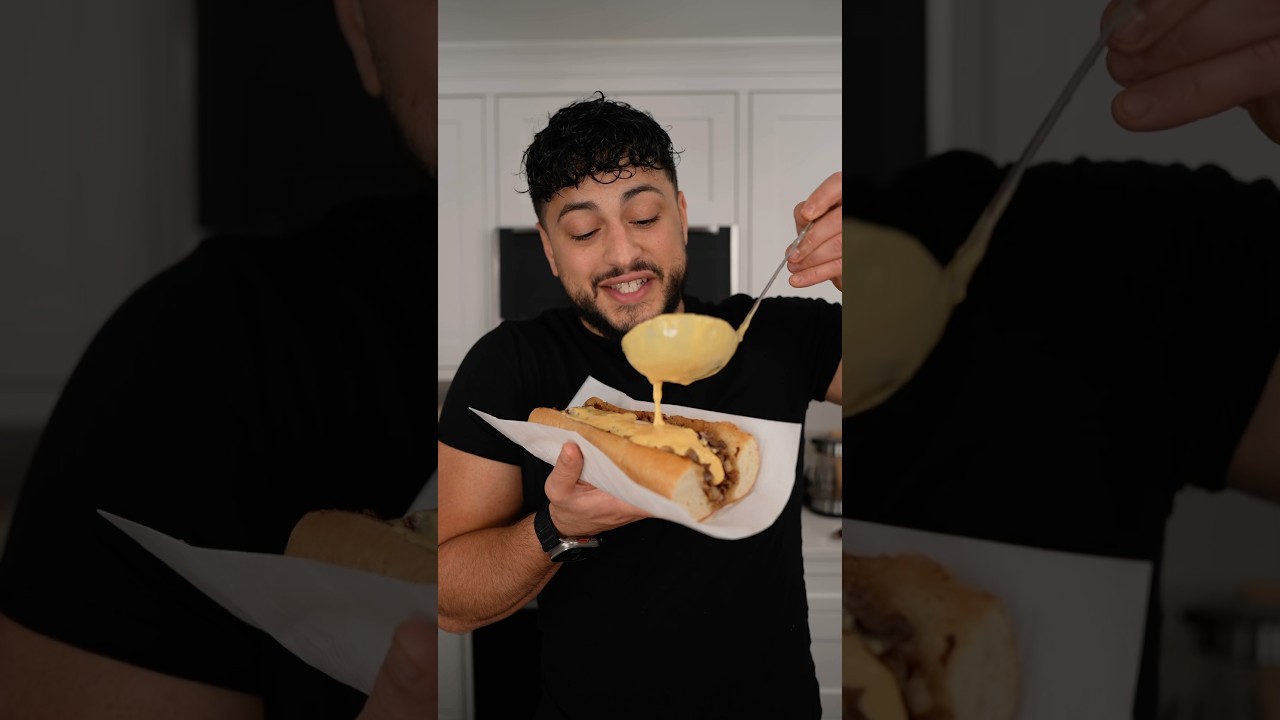
“Most homemade cheesesteaks fail in the same three places: the beef is too thick, the pan isn't hot enough, and the cheese goes on too late. Fix those three things and everything else is just assembly. This is Philadelphia's most copied, least understood sandwich — and we've stripped it down to what actually matters.”
Why This Recipe Works
The Philly cheesesteak is one of the most imitated sandwiches in American food culture and one of the least understood. It looks simple — beef, cheese, bread — which is precisely why home cooks fail it. The technique is unforgiving in the specific way that all fast, high-heat cooking is unforgiving: the margin between right and wrong is measured in seconds, not minutes.
The Beef Architecture
Everything starts with the slice. Cheesesteak beef is shaved thin — so thin that a skilled counter man can do it with a deli slicer in under 30 seconds per portion. At home without a slicer, your best tool is cold. Freeze the sirloin for 20 minutes before you touch it with a knife. The meat firms up just enough to hold its shape under the blade, letting you cut pieces thin enough to cook through in 90 seconds at high heat.
Slice against the grain. This is not optional. Muscle fibers run lengthwise through the cut; slicing perpendicular to them shortens those fibers and produces meat that pulls apart cleanly in your mouth. Slice with the grain and you're fighting sinew with every bite.
The cooking method matters as much as the prep. In Philly shops, a cast iron griddle running at 400°F or higher is standard. At home, a heavy stainless or cast iron skillet does the same job — but only if you let it get genuinely hot before the meat hits the surface. Add the beef cold to a cold pan and you've created a steamer, not a sear. Gray, wet, textureless meat is the result.
The Vegetable Problem
The onion-and-pepper situation in a cheesesteak is not decorative. Eight to ten minutes of active sautéing in hot oil is what converts raw bell pepper strips and sharp white onion dice into something sweet, soft, and savory — a counterweight to the beef's richness. Pull them at five minutes and you have crunchy, slightly bitter vegetables sitting on top of your sandwich. Push them to ten with real color and they become structural flavor.
The garlic goes in last, after the vegetables have developed. Thirty seconds in hot fat is enough to bloom the aromatic compounds without burning it. Burnt garlic is one of the fastest ways to ruin an otherwise functional pan sauce.
The Cheese Mechanics
Cheese placement is where most home cheesesteaks collapse. The instinct is to add the cheese early so it "melts in" with the meat. What actually happens is the cheese melts into the pan and you lose 30% of it to the fond. The correct move: reduce the heat to low, divide the filling into individual-sized mounds directly in the pan, and drape two slices of provolone over each mound. Cover loosely and let residual heat and steam do the work. Sixty to ninety seconds and you have a fully melted, intact cheese layer sitting on top of each portion — ready to be scooped as a unit into the waiting roll.
The roll matters more than most people admit. An untoasted hoagie is structurally inadequate for a wet, hot filling. Buttering the cut side and toasting it face-down in a skillet for two minutes creates a moisture barrier and adds a caramelized richness that an untoasted roll simply doesn't have. The cast iron skillet pulls double duty here: cook the filling, wipe it down, toast the rolls.
Why the Soy Sauce
This is the one non-traditional move in the recipe and it earns its place. Soy sauce contributes glutamates — the same umami compounds responsible for why soy-braised anything tastes deeply savory. A tablespoon deglazes the pan and lifts the fond from the batch-cooked beef, incorporating every browned bit back into the filling. Worcestershire does similar work and is closer to the original Philadelphia flavor profile. Either one is a one-way upgrade.
The result is a sandwich with layered savoriness — not just "beefy," but something with depth and complexity that cooked beef alone doesn't produce.
Where Beginners Mess This Up
Before we start, read this. These are the 4 reasons your the real philly cheesesteak (everything you're doing wrong) will fail:
- 1
Slicing the beef too thick: A Philly cheesesteak is built on paper-thin beef that cooks in seconds and eats tender. Slice thicker than an eighth of an inch and you get chewy, jerky-like strips. Freeze the sirloin for 20 minutes before slicing — it firms up enough to cut thin with a sharp chef's knife without a deli slicer.
- 2
Crowding the pan: Dumping all the beef in at once drops the pan temperature and turns a sear into a braise. The beef steams in its own liquid and turns gray instead of browning at the edges. Work in two batches, maximum. The fond left in the pan from the first batch makes the second batch taste even better.
- 3
Adding cheese too early: Cheese that goes in during cooking instead of at the end melts into the pan, not the sandwich. The move is to lay the slices directly on top of the hot beef-and-vegetable pile in the pan right before loading the rolls — the residual heat does the melting without losing any cheese to the skillet.
- 4
Skipping the roll toast: An untoasted hoagie turns soggy inside of two minutes. The butter-toasted interior creates a barrier that slows moisture penetration and adds flavor. It also gives you structural integrity so the sandwich doesn't collapse mid-bite.
The Video Reference Library
Want to see it in action? Here are the exact videos we analyzed and combined to build this foolproof recipe translation:
The foundational technique video — covers slicing, pan temperature, and cheese placement. Best reference for understanding why batch cooking the beef matters.
🛠️ Core Equipment
- Large cast iron or stainless steel skilletHigh heat retention is everything here. A nonstick pan can't get hot enough to properly brown the beef edges. Cast iron holds temperature even when cold meat hits the surface — that's what gives you the charred, caramelized crust.
- Sharp chef's knifeThin slicing is the whole game. A dull knife drags and tears, producing uneven pieces that cook at different rates. If your knife can't shave the sirloin thin, freeze the meat for 20 minutes first.
- Meat thermometer (optional but useful)Thin-sliced beef overcooks fast. Target internal temperature of 145°F for a proper finish — anything above 160°F and you're eating shoe leather.
- Wide spatulaFor chopping and pressing the beef as it cooks — a technique borrowed from actual cheesesteak shops that breaks up the slices and creates those irregular, slightly charred meat clusters.
The Real Philly Cheesesteak (Everything You're Doing Wrong)
🛒 Ingredients
- ✦1.5 pounds beef sirloin, thinly sliced against the grain
- ✦2 tablespoons extra virgin olive oil, divided
- ✦2 medium yellow onions, finely diced
- ✦1 large green bell pepper, diced into thin strips
- ✦1 large red bell pepper, diced into thin strips
- ✦2 cloves garlic, minced
- ✦8 slices provolone cheese (or mozzarella)
- ✦4 hoagie rolls or sub rolls, 6 inches each
- ✦1 teaspoon kosher salt
- ✦0.5 teaspoon freshly ground black pepper
- ✦0.25 teaspoon dried oregano
- ✦0.25 teaspoon garlic powder
- ✦2 tablespoons butter, divided
- ✦1 tablespoon soy sauce or Worcestershire sauce
👨🍳 Instructions
01Step 1
Freeze the beef sirloin for 20 minutes, then slice as thinly as possible against the grain.
02Step 2
Heat 1 tablespoon olive oil in a large skillet over medium-high heat until shimmering, about 1 minute.
03Step 3
Add the diced onions and bell pepper strips. Sauté, stirring occasionally, until softened and golden — 8 to 10 minutes.
04Step 4
Add the minced garlic and cook until fragrant, about 1 minute. Transfer all vegetables to a plate and set aside.
05Step 5
Add the remaining tablespoon of olive oil to the same skillet over medium-high heat.
06Step 6
Cook the sliced beef in two batches, stirring frequently and pressing with a spatula to break into irregular pieces, 2 to 3 minutes per batch until edges are lightly browned.
07Step 7
Return all the beef to the skillet. Season with kosher salt, black pepper, oregano, and garlic powder. Add the soy sauce and stir to combine, about 1 minute.
08Step 8
Return the sautéed vegetables to the skillet and mix gently until everything is heated through, about 2 minutes.
09Step 9
Reduce heat to low. Divide the mixture into four portions in the pan. Lay 2 slices of provolone over each portion and let sit for 60 to 90 seconds until melted.
10Step 10
While the cheese melts, butter the insides of the hoagie rolls and toast cut-side down in a separate skillet over medium heat for 1 to 2 minutes until golden.
11Step 11
Scoop each cheesesteak portion into a toasted roll using a wide spatula, keeping the cheese layer intact on top.
12Step 12
Serve immediately with pickled jalapeños, hot peppers, or banana peppers on the side.
Nutrition Per Serving
Estimates based on standard preparation. Adjustments alter macros.
🔄 Substitutions
Instead of Beef sirloin...
Use Lean beef eye of round or thinly sliced chicken breast
Eye of round is leaner and slightly less rich but handles the thin-slice technique well. Chicken breast works but needs careful temperature control — it dries out faster than beef.
Instead of Provolone cheese...
Use Reduced-fat provolone, part-skim mozzarella, or Cheez Whiz
Cheez Whiz is the most Philly-authentic choice and melts instantly. Mozzarella is milder. Reduced-fat provolone melts adequately but won't get as silky.
Instead of Hoagie rolls...
Use Whole wheat hoagie rolls or sourdough rolls
Whole wheat adds fiber and a nuttier flavor. Sourdough's tang plays well against the savory beef. Avoid anything too crusty — it cuts the roof of your mouth.
Instead of Soy sauce...
Use Low-sodium tamari or coconut aminos
Coconut aminos is slightly sweeter and dramatically lower in sodium. Tamari is gluten-free with essentially identical flavor to soy sauce.
🧊 Storage & Reheating
In the Fridge
Store the beef and vegetable filling (without rolls) in an airtight container for up to 3 days. Keep rolls separate to prevent sogginess.
In the Freezer
Freeze the filling in portioned containers for up to 2 months. Thaw overnight in the fridge before reheating.
Reheating Rules
Reheat filling in a covered skillet over low heat with 1 tablespoon of water, stirring gently until heated through. Toast fresh rolls before assembling. Avoid microwaving — it turns the beef rubbery.
❓ Frequently Asked Questions
What cut of beef is most authentic for Philly cheesesteak?
Ribeye is the traditional cut used in Philadelphia — the fat marbling keeps it tender and flavorful even when cooked quickly at high heat. Sirloin is a leaner, more accessible substitute. Whatever cut you use, thin slicing against the grain is more important than the specific cut.
What cheese do they actually use in Philly?
The three accepted cheeses are Cheez Whiz (the most traditional at places like Pat's and Geno's), American cheese, and provolone. Anything else — cheddar, Swiss, pepper jack — is a cheesesteak-inspired sandwich, not a Philly cheesesteak. No judgment, but know what you're making.
Do I need a special roll?
Ideally, yes. An Amoroso roll is the Philly standard — it has a specific crust-to-crumb ratio that holds up to the wet filling. Outside the Philadelphia area, any sturdy hoagie roll or Italian sub roll works. The key characteristic is a firm crust and a soft interior that doesn't disintegrate.
Why is my beef chewy?
Two causes, almost always. First, it was sliced too thick — anything over a quarter inch won't tenderize properly in the short cook time. Second, it was overcooked — thin beef goes from perfect to tough in under a minute at high heat. Batch cooking and quick timing are the fixes.
Should I add mushrooms or peppers?
Peppers are divisive in Philadelphia — purists say no, pragmatists say go for it. Mushrooms are a common addition outside the city. Green bell pepper is the most common compromise. The core sandwich is beef, onions, and cheese on a roll. Everything else is optional.
Can I make this ahead for a party?
Yes — make the filling up to 2 days ahead and refrigerate. Reheat in a large skillet, then hold in a 200°F oven on a sheet pan tented with foil. Toast rolls fresh. Set up an assembly station and let people build their own. The filling holds for 30 minutes without deteriorating.
The Science of
The Real Philly Cheesesteak (Everything You're Doing Wrong)
We turned everything on this page into a beautiful, flour-proof PDF cheat sheet. Print it out, stick it to your fridge, and never mess up your the real philly cheesesteak (everything you're doing wrong) again.
*We'll email you the high-res PDF instantly. No spam, just perfectly cooked meals.
AlmostChefs Editorial Team
We translate the internet's most popular cooking videos into foolproof, beginner-friendly written recipes. We analyze multiple methods, test them in our kitchen, and engineer a single "Master Recipe" that gives you the best possible result with the least possible stress.