Brilliant Pesto Pasta (The 25-Minute Italian Classic Done Right)
Fresh basil, toasted pine nuts, garlic, and real Parmigiano-Reggiano blended into a vibrant sauce that coats every strand of pasta. We analyzed the most common pesto failures — oxidation, greasy sauce, clumping — and built one foolproof method that delivers restaurant-quality results on a weeknight.
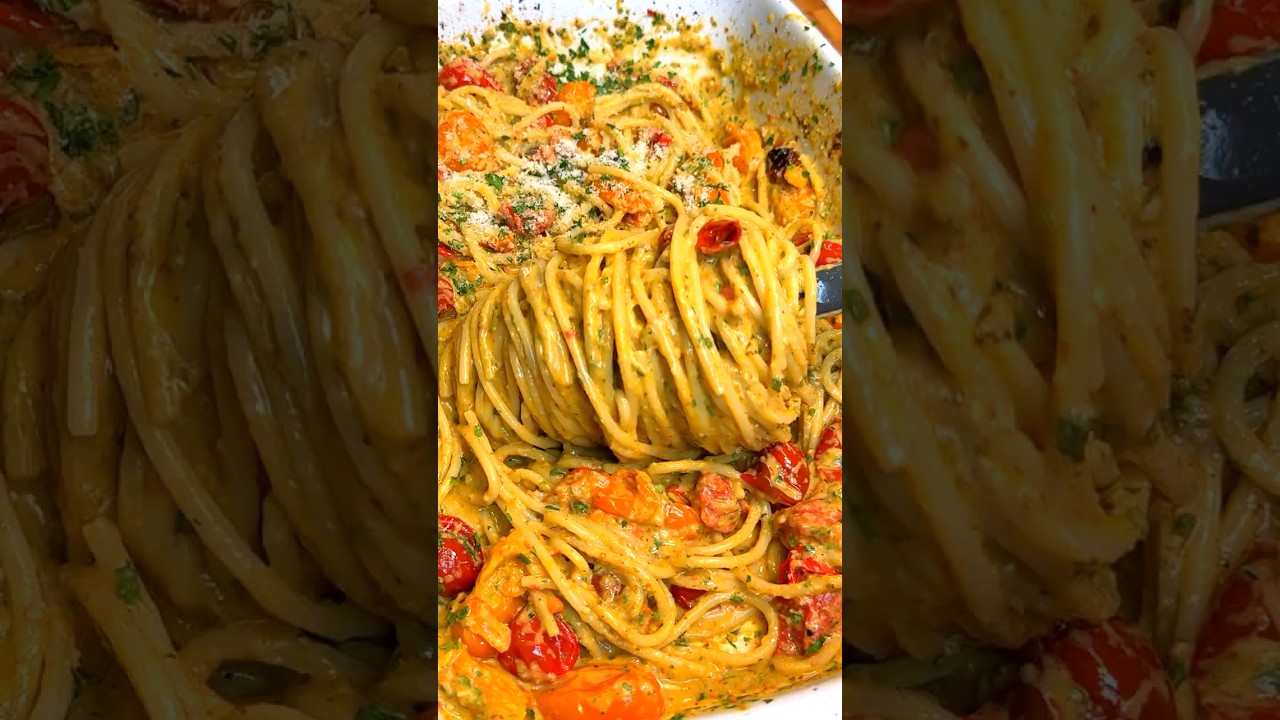
“Every pesto pasta recipe tells you to throw basil in a blender with oil and call it done. Then you wonder why the sauce turns army-green within minutes, tastes flat, and slides off the pasta in an oily puddle at the bottom of the bowl. Three things fix all of this: blanching the basil to lock the color, toasting the pine nuts to deepen the flavor, and using pasta water — not more oil — to emulsify the sauce. This is the version that actually works.”
Why This Recipe Works
Pesto is Italian for "to pound." The original preparation — a marble mortar, a wooden pestle, a meditative fifteen minutes of grinding — produced a rough, textured paste where each ingredient stayed distinct. Modern food processors produce the same result in ninety seconds, which is why pesto became a weeknight staple. But speed introduced new failure modes that nobody warned home cooks about. This recipe fixes them systematically.
The Oxidation Problem
Basil leaves contain polyphenol oxidase — the same enzyme that turns cut apples brown and avocado guacamole gray. The moment a basil leaf is damaged (by cutting, bruising, or blending), this enzyme activates and begins converting the leaf's phenolic compounds into brown pigments. At room temperature, the process is rapid. Within twenty minutes of blending raw basil, your bright green sauce begins its descent into khaki.
The fix is thermal deactivation. Blanching the leaves in boiling water for exactly 10 to 15 seconds denatures the enzyme before it can do damage. An immediate plunge into ice water stops the cooking and sets the chlorophyll. The result is a pesto that stays vivid green for hours, not minutes. This step is non-negotiable if you care about how the dish looks — and with a green sauce, appearance is half the point.
The Emulsion Problem
Pesto is technically a coarse emulsion — fat (olive oil) suspended in a water-based medium (the juice from basil and cheese). Emulsions are stable when built slowly and broken when rushed. Dumping olive oil into a running processor all at once overwhelms the system and produces a greasy, separated sauce that pools at the bottom of the bowl.
The slow drizzle method gives the basil and cheese proteins time to act as emulsifiers, coating each oil droplet and holding them in suspension. The texture stays thick and clings to pasta instead of sliding off. Pasta water — added during the final toss — reinforces the emulsion with starch, which is why Italian cooks reserve it religiously. A heavy-bottomed pot with good volume makes saving that water easy because you're not cramming pasta into a too-small vessel and losing half of it to foam-over.
The Toasting Imperative
Raw pine nuts taste faintly resinous — pleasant, but one-dimensional. Three to four minutes in a dry skillet converts their surface sugars through the Maillard reaction, producing dozens of new flavor compounds: caramel notes, deeper nuttiness, a roasted complexity that raw nuts simply don't have. The same quantity of nuts delivers roughly twice the flavor impact.
The catch: pine nuts are expensive, small, and contain high fat content that makes them go from golden to burned in under thirty seconds. A stainless steel skillet lets you see the color change clearly against the silver surface. Medium heat, constant stirring, and full attention until they're off the pan. This is the one step in this recipe where you cannot multitask.
The Pasta Water Doctrine
Properly salted pasta water contains dissolved starch leached from the noodles during cooking — roughly 2-4% starch by weight in a well-loaded pot. This starch acts as a natural emulsifier when added to pesto, binding the fat molecules to the water-based sauce and creating a silky, even coating on every strand of pasta.
The alternative — adding more olive oil to loosen thick pesto — creates a sauce that looks dressed but tastes greasy. The oil coats the pasta without adhering. Starchy pasta water adheres. This is the single most important technique difference between home pesto and restaurant pesto, and it costs nothing because the water is already in the pot.
The Processing Discipline
Over-blended pesto tastes bitter and looks dark. The heat generated by prolonged processing damages the volatile aromatic compounds in basil — the same terpenes and linalool that make it smell like summer — and converts chlorophyll into pheophytin, which is brown. Pulse, stop, assess. The correct final texture is rough and chunky, not smooth. You should be able to see individual pieces of nut and leaf. If it looks like a smoothie, you've gone too far.
This dish is twenty-three minutes from cold start to plated. That speed comes from the technique doing the heavy lifting — not from cutting corners.
Where Beginners Mess This Up
Before we start, read this. These are the 4 reasons your brilliant pesto pasta (the 25-minute italian classic done right) will fail:
- 1
Skipping the basil blanch: Raw basil starts oxidizing the moment it's cut. Within 15 minutes of blending, your brilliant green pesto turns the color of old army fatigues. A 10-15 second blanch in boiling water followed by an immediate ice bath deactivates the enzymes responsible for oxidation. The color stays vivid for hours. This single step is the difference between pesto that looks like a recipe photo and pesto that looks like a mistake.
- 2
Using cold oil straight from the bottle: Cold oil doesn't emulsify — it separates and pools. The fix is simple: let your olive oil come to room temperature before blending, and drizzle it in slowly while the processor is running. You're building an emulsion, not just mixing ingredients. Dump it in all at once and you get grease with herb flecks.
- 3
Over-processing the pesto: A food processor running too long generates heat from friction, which cooks the basil, destroys the bright flavor compounds, and turns your sauce bitter. Pulse — don't blend continuously. Eight to ten quick pulses to combine, then a slow drizzle of oil while pulsing. Stop the moment you have a chunky paste. It should look rough, not smooth.
- 4
Skipping the pasta water: Pasta water is starchy, salted, and hot — the exact emulsifier and seasoning agent you need to marry pesto to noodles. Without it, pesto stays thick and clumps around the pasta instead of coating it. Add it one tablespoon at a time after tossing; the starch binds the fat and creates a silky, clingy sauce. This is how Italian restaurants get that consistency. Not cream. Not more oil.
The Video Reference Library
Want to see it in action? Here are the exact videos we analyzed and combined to build this foolproof recipe translation:
The primary source video covering technique from basil prep through final plating. Solid close-ups of the correct pesto texture and sauce consistency after pasta water is added.
🛠️ Core Equipment
- Food processorA blender over-processes pesto in seconds and generates too much heat. A food processor gives you control over texture with its pulse function. The goal is a chunky, rough paste — not a smooth purée.
- Large heavy-bottomed potPasta needs space to move in generously salted water. A [heavy-bottomed pot](/kitchen-gear/review/stock-pot) distributes heat evenly and brings water back to a boil quickly after you add the pasta, keeping cook time accurate.
- Dry skilletFor toasting pine nuts without any oil. Direct pan contact caramelizes the natural sugars in the nuts and intensifies their flavor. A [stainless steel skillet](/kitchen-gear/review/stainless-skillet) works best — you can see the color change clearly and react fast before they burn.
- Large mixing bowl or the pasta pot itselfToss the pasta and pesto off-heat in a wide vessel. The surface area lets you coat every strand evenly. Tossing in the pot works if you remove it from heat first — residual heat is enough, direct heat is too much.
Brilliant Pesto Pasta (The 25-Minute Italian Classic Done Right)
🛒 Ingredients
- ✦1 pound spaghetti or linguine pasta
- ✦3 cups fresh basil leaves, firmly packed
- ✦3 garlic cloves, minced
- ✦1/3 cup pine nuts
- ✦2/3 cup freshly grated Parmigiano-Reggiano cheese
- ✦2/3 cup extra virgin olive oil, room temperature
- ✦2 tablespoons fresh lemon juice
- ✦1/2 teaspoon kosher salt, plus more to taste
- ✦1/4 teaspoon freshly cracked black pepper, plus more to taste
- ✦1 to 2 cups reserved pasta cooking water
👨🍳 Instructions
01Step 1
Bring a large pot of generously salted water to a rolling boil. The water should taste like mild seawater — roughly 1 tablespoon of salt per 4 quarts.
02Step 2
Add pasta and cook according to package directions until al dente, about 9 to 11 minutes. Before draining, reserve 1 to 2 cups of the cooking water.
03Step 3
While the pasta cooks, toast the pine nuts in a dry skillet over medium heat, stirring constantly, until fragrant and lightly golden — about 3 to 4 minutes.
04Step 4
Blanch the basil leaves in the boiling pasta water for exactly 10 to 15 seconds, then immediately transfer with a slotted spoon to a bowl of ice water.
05Step 5
Drain the blanched basil thoroughly and gently pat dry with paper towels. Any excess water will thin the pesto and dull the flavor.
06Step 6
Add the cooled basil, minced garlic, toasted pine nuts, and Parmigiano-Reggiano to a food processor. Pulse 8 to 10 times until coarsely combined.
07Step 7
With the processor running in short pulses, slowly drizzle in the extra virgin olive oil until you reach a chunky paste consistency. Do not over-process.
08Step 8
Add the lemon juice, salt, and black pepper. Pulse 2 to 3 more times to incorporate. Taste and adjust seasoning.
09Step 9
Drain the pasta and return it to the warm pot, off heat. Add the pesto and toss to coat.
10Step 10
Add reserved pasta water one tablespoon at a time, tossing continuously, until the sauce is silky and coats every strand evenly.
11Step 11
Taste for seasoning. Adjust salt, pepper, or lemon juice as needed.
12Step 12
Serve immediately in warm bowls. Drizzle with a thread of good olive oil and a few extra shavings of Parmigiano-Reggiano.
Nutrition Per Serving
Estimates based on standard preparation. Adjustments alter macros.
🔄 Substitutions
Instead of Pine nuts...
Use Walnuts or sunflower seeds
Walnuts are earthier and less delicate but equally satisfying. Toast them the same way. Sunflower seeds work if nut allergies are a concern — the flavor is milder but the texture is similar.
Instead of Parmigiano-Reggiano...
Use Pecorino Romano or aged Asiago
Pecorino is sharper and more peppery with a saltier finish. Reduce added salt by 1/4 teaspoon when substituting. Asiago is milder and slightly creamier.
Instead of Extra virgin olive oil...
Use Light olive oil blended with avocado oil (50/50)
More neutral flavor that lets the basil lead. Higher smoke point makes the oil less likely to turn bitter. Good option when the basil is especially fragrant and you don't want the oil competing.
Instead of Regular pasta...
Use Whole wheat, chickpea, or legume-based pasta
Nuttier and earthier with a thicker mouthfeel. Add 1 to 2 minutes to the cook time. Reserve more pasta water — whole grain and legume pastas release more starch and may need extra liquid to loosen the sauce.
🧊 Storage & Reheating
In the Fridge
Store leftover pasta in an airtight container for up to 3 days. The pesto will darken slightly — that's normal. Store extra pesto separately with plastic wrap pressed directly onto the surface.
In the Freezer
Freeze pesto (without cheese) in ice cube trays, then transfer to a freezer bag for up to 3 months. Stir in the Parmesan after thawing. Frozen pasta itself doesn't reheat well — make only what you'll eat.
Reheating Rules
Add a splash of water to the pasta before reheating in a covered skillet over low heat, tossing gently. The water reactivates the starchy emulsion. Microwaving works but dries out the pasta and makes the pesto oily.
❓ Frequently Asked Questions
Why does my pesto turn brown so quickly?
Basil oxidizes almost immediately when cut and exposed to air. The enzyme responsible (polyphenol oxidase) is deactivated by heat, which is why blanching the leaves for 10 to 15 seconds in boiling water — then shocking them in ice water — locks the vivid green color. Skipping this step means brown pesto within 15 to 20 minutes of blending.
Do I have to use a food processor, or can I use a blender?
A blender works but is harder to control. It processes too fast, generates more heat from friction, and tends to produce a smoother sauce than traditional pesto should be. If using a blender, work in very short bursts and scrape down the sides frequently. A [food processor](/kitchen-gear/review/food-processor) gives you more texture control with the pulse function.
Why is my pesto bitter?
Two likely causes: over-processing (friction heat cooks the basil and breaks down chlorophyll into bitter compounds) or garlic that's starting to turn. Over-processing is the more common culprit. Pulse, don't blend continuously. If your garlic has any green shoots inside the clove, remove them — that's where the bitterness lives.
Can I make the pesto ahead of time?
Yes — up to 3 days in the fridge. Press plastic wrap directly onto the surface of the pesto before sealing the container to minimize air contact. For longer storage, freeze in ice cube trays without the cheese (add fresh Parmesan after thawing).
How much pasta water should I actually use?
Start with 2 tablespoons and toss. If the sauce looks thick and is clumping, add 2 more. Most batches need between 4 and 8 tablespoons total. The goal is a sauce that coats the pasta in a thin, even layer — not a soup. Add slowly and stop when it looks right.
Can I use dried basil instead of fresh?
No. Dried basil produces a completely different flavor profile — dusty, faintly medicinal, nothing like the bright herbal punch of fresh. Pesto is built around fresh basil's volatile aromatic compounds, which are mostly destroyed in the drying process. If fresh basil isn't available, blend fresh spinach with a small amount of fresh parsley as an emergency substitute.
The Science of
Brilliant Pesto Pasta (The 25-Minute Italian Classic Done Right)
We turned everything on this page into a beautiful, flour-proof PDF cheat sheet. Print it out, stick it to your fridge, and never mess up your brilliant pesto pasta (the 25-minute italian classic done right) again.
*We'll email you the high-res PDF instantly. No spam, just perfectly cooked meals.
AlmostChefs Editorial Team
We translate the internet's most popular cooking videos into foolproof, beginner-friendly written recipes. We analyze multiple methods, test them in our kitchen, and engineer a single "Master Recipe" that gives you the best possible result with the least possible stress.