Perfect Scrambled Eggs (Stop Cooking Them on High Heat)
Soft, creamy, restaurant-quality scrambled eggs built on the French low-and-slow technique. We broke down the most-watched breakfast videos on YouTube to isolate the single variable that separates rubbery diner eggs from the silky, custardy version professional chefs actually eat.

“Almost every home cook scrambles eggs on medium-high heat and wonders why they end up rubbery, weeping, and dry before the toast is even done. The entire problem is thermal. Eggs begin to set at 145°F and turn tough at 160°F — a margin of just 15 degrees. High heat blows straight through that window in seconds. Low heat gives you total control over that window, and that control is the difference between eggs that taste like cafeteria regret and eggs that taste like a Paris bistro.”
Why This Recipe Works
Scrambled eggs are the most democratizing dish in cooking. Four eggs. One pan. Twelve minutes. And yet they are the dish that most reliably exposes the gap between someone who understands heat and someone who doesn't. Every professional cook will tell you that how a person scrambles eggs tells you everything you need to know about their kitchen instincts. This is not hyperbole.
The Protein Problem
Eggs are almost entirely protein and fat, and proteins behave according to temperature physics that don't negotiate. Egg proteins begin to denature — to unwind and bond together — starting at around 140°F. They reach full coagulation and turn firm at 160°F. That fifteen-degree window is your entire working range, and it closes in seconds on a high-heat pan. Most home cooks cook eggs on medium or medium-high heat because they want breakfast done quickly, and in doing so they sail through the optimal window before the first fold.
The French low-and-slow method — and its more active variant, the on-off burner technique — exists entirely to extend the time you spend in that fifteen-degree window. By keeping the pan at or just above the minimum coagulation temperature, you are making small, continuous decisions at every fold rather than watching helplessly as your eggs turn to rubber in a pan that's 200°F hotter than it should be.
The curd size tells you everything. Curds formed at low temperature are small, glossy, and cohesive — they hold together as a unit and retain moisture inside. Curds formed at high temperature are large, chalky, and fragmented — they've contracted violently and pushed all their moisture out, which is why high-heat eggs sit in a puddle of liquid on your plate.
Cold Eggs, Warm Pan
Using eggs cold from the fridge is a counterintuitive move that professional cooks rely on. Cold eggs have a lower starting temperature, which means it takes longer for them to hit the coagulation threshold — and longer means more control. Room temperature eggs reach 145°F faster and require more precise timing. For a technique where the entire game is about slowing things down, starting with a thermal buffer makes the margin for error noticeably more forgiving.
The pan itself should be a small nonstick skillet. This is non-negotiable for this specific technique. The nonstick surface requires less fat, which means your butter is working for flavor rather than for release. More importantly, a nonstick pan has low thermal mass — it doesn't hold much heat — which means the moment you pull it off the burner, it stops cooking aggressively. Cast iron and heavy stainless are the opposite: they store enormous amounts of heat and will continue cooking your eggs for thirty seconds after you've left the flame. That's thirty seconds of carry-over cooking you cannot control.
The On-Off Method
The technique of pulling the pan on and off the heat is not theater. Each time you lift the pan off the burner, you interrupt the temperature climb and give yourself a moment to evaluate the curd formation. The eggs continue cooking gently from the residual heat in the pan while you fold, and then you return them for another short burst of direct heat. This creates a feedback loop where you are constantly reading and responding to the eggs rather than committing to a heat level and hoping for the best.
What you're watching for is the moment the eggs transition from liquid to barely-set — small curds forming at the edges while the center remains loose and slightly glossy. This is the visual cue that you are 90% done. The final move — adding cold crème fraîche or a knob of cold butter off the heat entirely — serves a dual engineering purpose: the fat coats the protein chains and physically slows further coagulation, while the lower temperature of the cold dairy cools the pan from inside. It is the culinary equivalent of a controlled cooldown, and it is why French-style eggs stay soft on the plate instead of continuing to tighten as you carry them to the table.
On Salt and Timing
Salt is often added to eggs before cooking as a matter of reflex. It should not be. Salt is hygroscopic — it draws moisture out of whatever it touches. Added to raw eggs, it begins pulling water out of the protein matrix before any heat is applied, creating a slightly looser mix that produces wetter, less cohesive curds. This is the same principle that makes salting cucumbers release their water. Season only after the eggs are off the heat and ready to plate, and use flaky sea salt: the larger crystals dissolve on contact and distribute more evenly than fine table salt, which can concentrate in small pockets and produce occasional salty bites.
The chives are not garnish. Their sharp, allium brightness cuts directly through the richness of the butter and egg fat, providing the contrast that makes each bite interesting rather than monotonous. Fresh herbs on scrambled eggs are not a restaurant affectation — they are a flavor decision made by someone who understood that fat needs acid or sharpness to stay interesting past the second bite.
Where Beginners Mess This Up
Before we start, read this. These are the 4 reasons your perfect scrambled eggs (stop cooking them on high heat) will fail:
- 1
Cooking on high heat: This is the root cause of every bad scrambled egg. High heat causes the egg proteins to contract violently, squeezing out moisture and creating a rubbery, grainy texture. The eggs overcook before you can do anything about it. Low heat — or alternating on and off the burner entirely — keeps the proteins relaxed and the curds small, creamy, and cohesive.
- 2
Adding dairy too early: Milk or cream added before cooking dilutes the egg proteins prematurely, making the mix harder to control and producing watery, loose curds. If you want creamy eggs, add a cold pat of butter or a spoonful of crème fraîche at the very end, off the heat. The residual warmth is enough to melt it in without overcooking the eggs.
- 3
Using the wrong pan: Stainless steel and cast iron are the wrong tools for scrambled eggs. They retain too much heat, cooking the eggs from below even after you pull them off the burner. A small nonstick pan lets you control temperature precisely and removes easily. Nonstick also means no butter required for release — which means you can use butter purely for flavor.
- 4
Overcooking past the set point: Scrambled eggs should come off the heat while they still look slightly underdone. Carry-over cooking — the heat already in the pan — will finish them. If they look perfect in the pan, they will look overdone on the plate. Pull them at 90% done, every single time.
The Video Reference Library
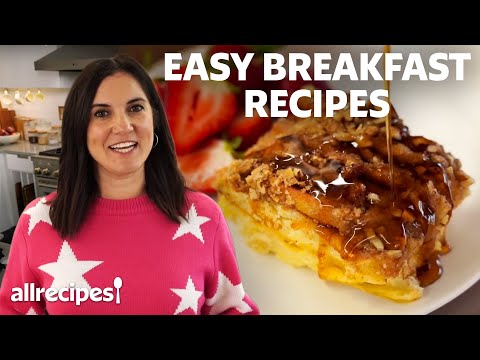
Want to see it in action? Here are the exact videos we analyzed and combined to build this foolproof recipe translation:
🛠️ Core Equipment
- Small nonstick skillet (8-inch)Temperature control is everything with eggs. A small nonstick pan heats evenly, releases cleanly without sticking, and lets you see the curds forming at the edges so you can pull immediately when needed.
- Silicone spatulaA flexible silicone spatula lets you continuously move the eggs in slow, deliberate folds without breaking the curds into fragments. Metal spatulas scrape the pan surface and tear the delicate egg structure you're trying to build.
- Mixing bowlWhisking the eggs vigorously in a bowl before they touch heat incorporates air and breaks up the protein chains, producing lighter, more uniform curds. Cracking eggs directly into the pan and stirring is why diner eggs are streaky.
Perfect Scrambled Eggs (Stop Cooking Them on High Heat)
🛒 Ingredients
- ✦4 large eggs, cold from the fridge
- ✦1 tablespoon unsalted butter, divided
- ✦1 tablespoon crème fraîche or sour cream
- ✦1/4 teaspoon flaky sea salt
- ✦Freshly ground black pepper to taste
- ✦1 small bunch fresh chives, finely sliced
- ✦2 slices sourdough bread, for toasting
👨🍳 Instructions
01Step 1
Crack the eggs into a mixing bowl. Whisk vigorously for 60 full seconds until the yolks and whites are completely homogeneous and the mixture is slightly frothy.
02Step 2
Place a small nonstick skillet over the lowest heat setting on your stove. Add half the butter and let it melt slowly without foaming.
03Step 3
Pour in the whisked eggs. Begin folding them continuously with a silicone spatula using slow, deliberate strokes from the edge toward the center.
04Step 4
After 90 seconds, when the eggs begin to form small, glossy curds at the edges, pull the pan off the heat completely. Keep folding for 20 seconds.
05Step 5
Return the pan to the low heat for 30 seconds, folding continuously. Pull off again. Repeat this cycle two to three more times.
06Step 6
When the eggs are about 90% done — still slightly liquid in places — remove the pan from the heat for the final time.
07Step 7
Add the crème fraîche and the remaining cold butter. Fold them in gently off the heat. The residual warmth will melt everything in without overcooking.
08Step 8
Season with flaky sea salt and freshly ground pepper. Plate immediately onto warm toast and scatter the chives over the top.
Nutrition Per Serving
Estimates based on standard preparation. Adjustments alter macros.
🔄 Substitutions
Instead of Crème fraîche...
Use Full-fat sour cream or mascarpone
Both provide the same cooling effect and fat content. Mascarpone is slightly richer and less tangy. Greek yogurt works in a pinch but is more acidic — use half the quantity.
Instead of Unsalted butter...
Use Ghee or good olive oil
Ghee has a higher smoke point and a nuttier flavor profile. Olive oil produces a lighter result with a slightly grassy note. Neither delivers quite the same richness as cold butter folded in at the end.
Instead of Chives...
Use Fresh tarragon, dill, or flat-leaf parsley
Tarragon is the most classically French choice and pairs beautifully with egg. Dill adds a Scandinavian note. Parsley is neutral and safe. Avoid dried herbs — they have no place here.
Instead of Sourdough bread...
Use Brioche, rye, or English muffins
Brioche is richer and softer — excellent for a more indulgent plate. Rye adds earthiness that contrasts the creaminess of the eggs. English muffins provide structural nooks that hold the soft curds without them sliding off.
🧊 Storage & Reheating
In the Fridge
Scrambled eggs do not store well — the texture degrades within an hour as the proteins continue to tighten. Make only what you will eat immediately.
In the Freezer
Not recommended. Freezing scrambled eggs destroys the custardy texture entirely and produces a watery, grainy result upon reheating.
Reheating Rules
If you must reheat, do so in a nonstick pan over the lowest possible heat with a small knob of butter, folding gently for 60-90 seconds. Microwave reheating turns eggs rubbery without exception.
❓ Frequently Asked Questions
Why are my scrambled eggs watery?
Two possible causes: you added salt or dairy before cooking, which draws moisture out of the eggs prematurely; or you cooked them too fast on high heat, causing the proteins to contract and expel their liquid. Season only after cooking, and keep the heat as low as possible.
How do I know when to pull the eggs off the heat?
Pull them when they look 90% done — soft, slightly underdone, and still pooling gently. Carry-over heat will finish them in 20-30 seconds. If they look perfect in the pan, they will be overcooked on the plate.
Do I need a nonstick pan?
For this technique, yes. You are cooking on very low heat with very little fat, which means adhesion is a real risk on stainless steel or cast iron. A nonstick pan also retains less residual heat, which gives you more precise control over carry-over cooking.
Can I use milk instead of crème fraîche?
Milk added at the end doesn't work — it's too thin and makes the eggs watery. Whole milk can be whisked into the raw eggs before cooking in small quantities (1 teaspoon per egg maximum), but it thins the protein structure and produces fluffier, less custardy curds. Crème fraîche or butter at the end is a fundamentally different technique with a better result.
Why do restaurant scrambled eggs taste better?
Three reasons: professional cooks use more butter than feels reasonable, they pull the eggs off heat earlier than you think is safe, and they serve them immediately on warm plates. The gap between perfect scrambled eggs and mediocre ones is entirely about temperature management and timing — not technique complexity.
Should I whisk in water instead of dairy?
Water-based scrambled eggs produce lighter, airier curds because the water converts to steam during cooking and puffs the egg structure. The result is fluffier but less rich. For creamy French-style eggs, avoid water entirely. For American diner-style fluffy eggs, a teaspoon of water per egg is a legitimate choice.

The Science of
Perfect Scrambled Eggs (Stop Cooking Them on High Heat)
We turned everything on this page into a beautiful, flour-proof PDF cheat sheet. Print it out, stick it to your fridge, and never mess up your perfect scrambled eggs (stop cooking them on high heat) again.
*We'll email you the high-res PDF instantly. No spam, just perfectly cooked meals.
AlmostChefs Editorial Team
We translate the internet's most popular cooking videos into foolproof, beginner-friendly written recipes. We analyze multiple methods, test them in our kitchen, and engineer a single "Master Recipe" that gives you the best possible result with the least possible stress.