Penne alla Vodka Done Right (The Sauce Secret Nobody Talks About)
A classic Italian-American pasta dish where vodka unlocks tomato flavor compounds that water and fat alone can't reach. We broke down the chemistry, fixed the most common texture failures, and built a technique that delivers a restaurant-quality silky sauce in 40 minutes.
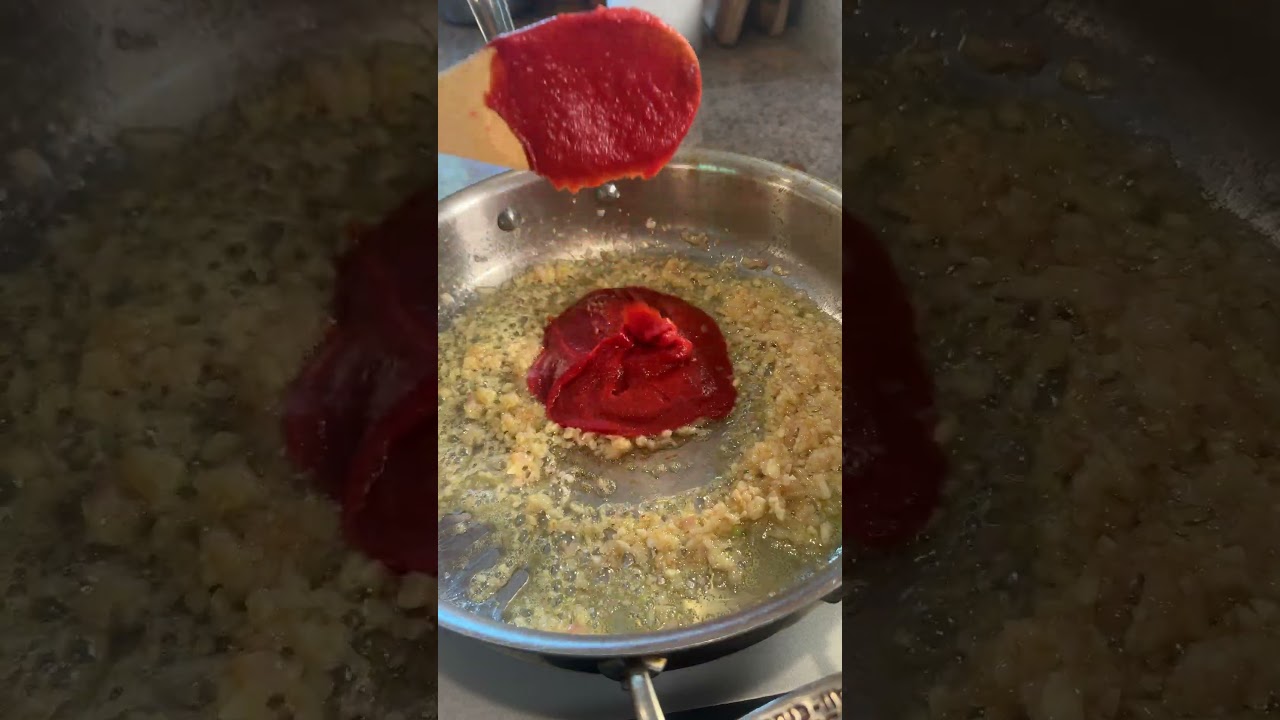
“Penne alla vodka gets dismissed as a weeknight shortcut. That's underselling it. The vodka isn't a gimmick — it's doing actual chemical work, extracting flavor compounds from the tomatoes that are neither water-soluble nor fat-soluble. Without it, you get tomato cream sauce. With it, you get something that tastes like it cooked all afternoon. The difference is subtle enough that most recipes never bother to explain it, and obvious enough that you immediately notice when it's missing.”
Why This Recipe Works
Penne alla vodka is the rare recipe where a single ingredient — one that contributes no flavor of its own — is responsible for everything that makes the dish taste like itself. Remove the vodka and you have competent tomato cream pasta. Keep it, use it correctly, and you have something that consistently prompts the question: "What did you do differently?"
What the Vodka Is Actually Doing
Tomatoes contain aromatic flavor compounds that fall into two categories: those soluble in water and those soluble in fat. When you cook tomatoes in a sauce, both categories activate. But there's a third set — esters and other volatile organics — that don't fully dissolve in either. They need a small amount of alcohol as a solvent.
Vodka is the right tool because it has no flavor of its own. Wine would work but adds fruit and tannin. Beer would change the profile entirely. Vodka is functionally neutral — it does the extraction job and then mostly cooks off, leaving behind only the tomato compounds it unlocked.
The critical constraint: 2-3 minutes of simmering. This drives off the sharp ethanol that would otherwise give the sauce a harsh finish, while preserving the aroma compounds that can't be retained at longer cook times. This is not a step where approximation works.
The Tomato Foundation
San Marzano tomatoes aren't a pretentious upsell. They have a measurably different sugar-to-acid ratio compared to standard crushed tomatoes — sweeter, less sharp, with a meatier pulp that reduces into a cohesive sauce without turning watery. Crush them by hand directly into the pan. You want irregular pieces, not puree. The texture variation gives the sauce body and something for the penne's ridges to catch.
The 12-15 minute simmer before the cream is load-bearing. This is where the sauce concentrates, the excess liquid evaporates, and the tomato flavor intensifies. Adding cream to a thin, watery base produces thin, watery cream sauce. The tomato needs to be reduced and deepened first.
Emulsification Is the Whole Game
The creamy-silky texture that defines a good vodka sauce isn't just cream — it's an emulsion. Fat and water don't naturally combine. What binds them here is the starch from pasta water, the proteins in the cream, and mechanical agitation from constant stirring. The butter finishes the job, adding gloss and richness while its milk proteins stabilize the emulsion.
This is why the pasta cooking water matters so much. It's not a "use if needed" afterthought — it's the emulsification agent that transforms sauce from something that coats the pasta into something that binds to it. Add it in small amounts as you toss, adjusting until every piece of penne is glossy and the sauce has no pooling at the bowl's edge.
A heavy-bottomed saucepan prevents the heat spikes that break emulsions. Even heat means the sauce never gets hot enough to separate the fat from the water phase, which is the primary cause of that greasy, broken look that home cooks mistakenly blame on the cream quality.
Why Finishing Order Matters
Butter, basil, and cheese all go in at the end, off or near the end of heat. This is intentional. Butter added early browns and develops nutty notes that compete with the vodka sauce character. Basil added to a boiling sauce loses its volatile aromatics immediately — it should wilt gently from residual heat. Parmigiano added too early clumps and turns stringy rather than melting into the sauce.
The sequence is: build the base, extract with vodka, reduce the tomatoes, emulsify with cream, toss the pasta with starchy water, then finish with cold butter, herbs, and cheese off the heat. Each element added at the wrong moment produces a different failure. Followed in order, the dish arrives exactly as intended — glossy, aromatic, and unreasonably satisfying for 40 minutes of work.
Where Beginners Mess This Up
Before we start, read this. These are the 4 reasons your penne alla vodka done right (the sauce secret nobody talks about) will fail:
- 1
Boiling off all the vodka: The vodka needs to cook down — but not disappear. Simmering for 2-3 minutes drives off the harsh alcohol burn while preserving the aroma compounds that do the flavor extraction work. Cook it for 10 minutes and you've wasted the ingredient. Cook it for 30 seconds and your sauce tastes like a cocktail. Two to three minutes is the window.
- 2
Adding cream to a hot pan: Cream breaks when hit with a temperature shock. Before stirring it in, reduce your heat to medium-low and let the tomato base cool slightly. The sauce should be simmering, not boiling, when the cream goes in. Once it's in, stir constantly. Neglect either step and you get greasy orange pools instead of a silky emulsion.
- 3
Forgetting the pasta water: The starchy cooking water is the bridge between the sauce and the pasta. It emulsifies the fat and water components into a cohesive coating. Without it, sauce slides off the penne and pools at the bottom of the bowl. Reserve a full cup before you drain. You probably won't use all of it, but you'll want options.
- 4
Underseasoning the pasta water: The water should taste like mild seawater — approximately 1 tablespoon of salt per gallon. Pasta absorbs salt as it cooks, and that baseline seasoning carries into the final dish. A heavily seasoned sauce poured over bland pasta produces uneven, one-dimensional flavor. The pasta has to be seasoned from the inside.
The Video Reference Library
Want to see it in action? Here are the exact videos we analyzed and combined to build this foolproof recipe translation:
The source video for this recipe. Clear technique on building the tomato base, getting the vodka reduction right, and emulsifying the cream without breaking the sauce.
🛠️ Core Equipment
- Large heavy-bottomed saucepan or straight-sided skilletWide surface area accelerates sauce reduction and gives you room to toss the pasta without flinging it across the stove. Thin pans run hot and scorch the garlic before the onion softens.
- Large pasta potPasta needs room to move in boiling water. Crowded pasta cooks unevenly and releases excess starch into the water, which changes the texture. A 6-quart pot minimum for one pound of pasta.
- Fine-mesh sieve or colanderFor draining quickly while keeping a cup of pasta water. Have it in the sink before the pasta finishes — every extra minute in hot water is overcooking.
- Wooden spoon or silicone spatulaMetal utensils on a stainless or nonstick surface degrade the pan and create metallic notes in the sauce. Wood and silicone are inert.
Penne alla Vodka Done Right (The Sauce Secret Nobody Talks About)
🛒 Ingredients
- ✦1 pound whole wheat penne pasta
- ✦3 tablespoons extra virgin olive oil
- ✦1 medium yellow onion, finely diced
- ✦5 cloves garlic, minced
- ✦1/2 cup vodka
- ✦1 can (28 ounces) San Marzano tomatoes, crushed by hand
- ✦1/2 cup heavy cream or half-and-half
- ✦1/4 cup fresh basil leaves, torn
- ✦2 tablespoons unsalted butter
- ✦1/4 teaspoon red pepper flakes
- ✦Salt and black pepper to taste
- ✦1/4 cup grated Parmigiano-Reggiano cheese
- ✦2 tablespoons fresh Italian parsley, chopped
👨🍳 Instructions
01Step 1
Bring a large pot of heavily salted water to a rolling boil over high heat.
02Step 2
Add penne and cook according to package directions until al dente, stirring occasionally.
03Step 3
Before draining, reserve 1 cup of pasta cooking water. Drain the pasta and set aside.
04Step 4
Heat olive oil in a large, heavy-bottomed saucepan over medium-high heat until shimmering, about 1 minute.
05Step 5
Add diced onion and sauté for 4-5 minutes, stirring frequently, until fully softened and translucent.
06Step 6
Add minced garlic and red pepper flakes. Cook for 1 minute, stirring constantly, until fragrant.
07Step 7
Pour in the vodka carefully. Let it simmer for 2-3 minutes to cook off the alcohol while preserving the aroma compounds.
08Step 8
Add crushed San Marzano tomatoes with all their juices. Stir to combine.
09Step 9
Reduce heat to medium-low and simmer uncovered for 12-15 minutes, stirring occasionally, until the sauce thickens slightly.
10Step 10
Reduce heat to low. Stir in heavy cream and butter, stirring constantly until butter melts and the sauce is silky, about 2 minutes.
11Step 11
Add the drained penne to the sauce. Toss to coat, adding reserved pasta water 1/4 cup at a time as needed to reach a loose, glossy consistency.
12Step 12
Taste and adjust salt and black pepper. Remove from heat and fold in torn basil leaves.
13Step 13
Serve immediately in bowls or on a platter. Garnish with Parmigiano-Reggiano and chopped parsley.
Nutrition Per Serving
Estimates based on standard preparation. Adjustments alter macros.
🔄 Substitutions
Instead of Heavy cream...
Use Half-and-half or crème fraîche mixed with Greek yogurt
Slightly lighter mouthfeel with a subtle tang. The yogurt adds probiotic complexity without making the sauce taste dairy-forward. Don't substitute fat-free cream — it breaks.
Instead of Regular penne pasta...
Use Whole wheat or chickpea penne
Nuttier flavor and firmer bite. Chickpea pasta adds significant protein and holds up well in the sauce. Expect a slight color difference in the finished dish.
Instead of San Marzano tomatoes...
Use Fire-roasted crushed tomatoes or fresh heirloom tomatoes in season
Fire-roasted adds a smoky depth that works well with the vodka. Fresh tomatoes need to cook 10 minutes longer to break down properly.
Instead of Butter as finishing fat...
Use Extra virgin olive oil or ghee
Olive oil gives a lighter, more Mediterranean finish. Ghee adds toasty notes and handles higher heat without breaking. Both work; the flavor profile shifts slightly.
🧊 Storage & Reheating
In the Fridge
Store in an airtight container for up to 3 days. The sauce thickens considerably — add a splash of water when reheating.
In the Freezer
Freeze the sauce separately from the pasta for up to 2 months. Cooked pasta degrades in texture after freezing. Thaw sauce overnight in the fridge and cook fresh pasta to serve.
Reheating Rules
Reheat gently in a saucepan over medium-low heat with 2-3 tablespoons of water, stirring constantly. Microwave on 50% power in 60-second intervals, stirring between each, to avoid breaking the cream emulsion.
❓ Frequently Asked Questions
Does the vodka actually matter or is it just marketing?
It matters chemically. Some flavor compounds in tomatoes are neither water-soluble nor fat-soluble — they require a small amount of alcohol as a carrier. Vodka is flavorless and high-proof, making it the ideal vehicle without adding competing taste. You won't taste vodka in the finished dish, but you'll notice its absence.
Can I skip the vodka entirely?
Yes. You get a very good creamy tomato sauce — just not the same depth. If alcohol is off the table, add a teaspoon of white wine vinegar with the tomatoes as a partial workaround. It approximates some of the brightness without the extraction effect.
Why is my sauce orange instead of red?
That's correct. The cream turns the tomato sauce into a classic blush — orange-pink is the target color. If it's running too pale, you may have added too much cream or not reduced the tomato base enough before the cream went in.
My sauce broke and looks greasy. Can I fix it?
Yes. Add 2-3 tablespoons of pasta water and stir vigorously over low heat. The starch in the water re-emulsifies the fat. If it's still broken, add a small knob of cold butter and keep stirring. The emulsion usually recovers.
Can I make this ahead of time?
The sauce stores well for 3 days. Cook it through the cream step, cool completely, and refrigerate. Reheat gently before tossing with freshly cooked pasta. Don't make it all the way through and refrigerate with the pasta mixed in — the penne absorbs the sauce and turns stodgy.
What pasta shape works besides penne?
Rigatoni is the best alternative — the ridges and wider tube catch the sauce the same way penne does. Ziti works. Farfalle holds up but feels wrong. Long pastas like spaghetti or linguine don't catch the chunky sauce effectively and aren't traditional for this dish.
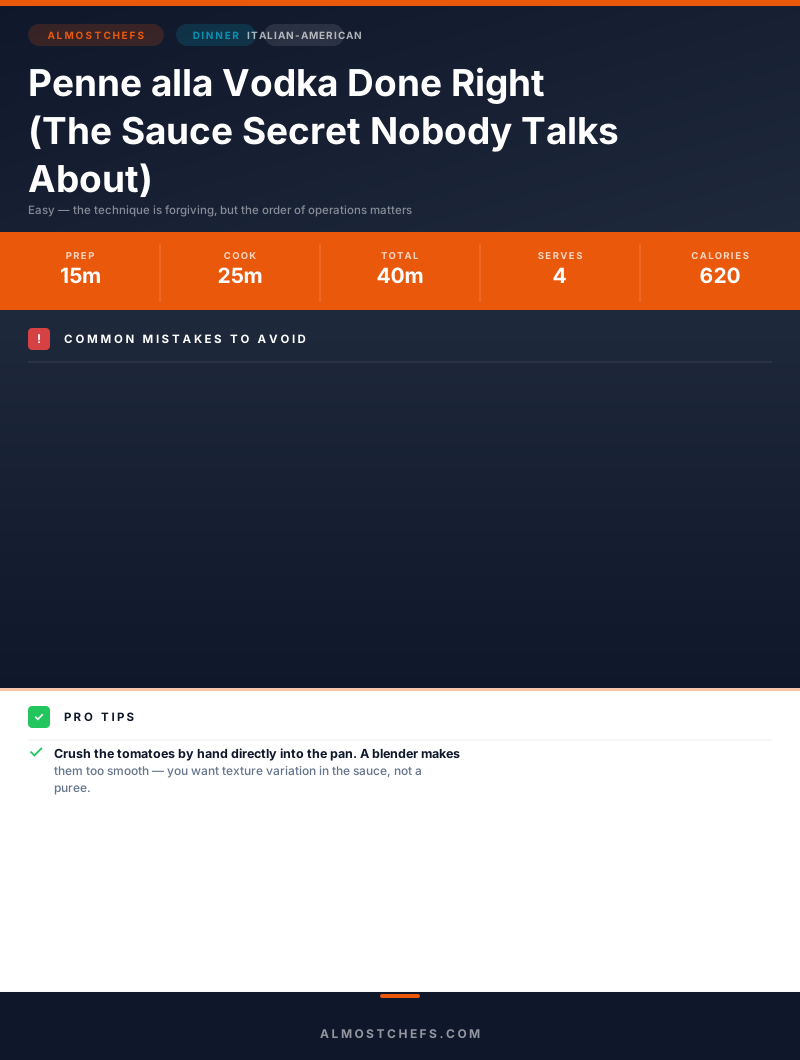
The Science of
Penne alla Vodka Done Right (The Sauce Secret Nobody Talks About)
We turned everything on this page into a beautiful, flour-proof PDF cheat sheet. Print it out, stick it to your fridge, and never mess up your penne alla vodka done right (the sauce secret nobody talks about) again.
*We'll email you the high-res PDF instantly. No spam, just perfectly cooked meals.
AlmostChefs Editorial Team
We translate the internet's most popular cooking videos into foolproof, beginner-friendly written recipes. We analyze multiple methods, test them in our kitchen, and engineer a single "Master Recipe" that gives you the best possible result with the least possible stress.