Classic Pecan Pie (The Gooey Southern Standard, Done Right)
A rich, custardy Southern pecan pie with toasted pecans, maple syrup, and warm spices in a flaky crust. We broke down the most common failure points — runny filling, soggy crust, raw center — and built one foolproof technique that delivers a clean slice every time.
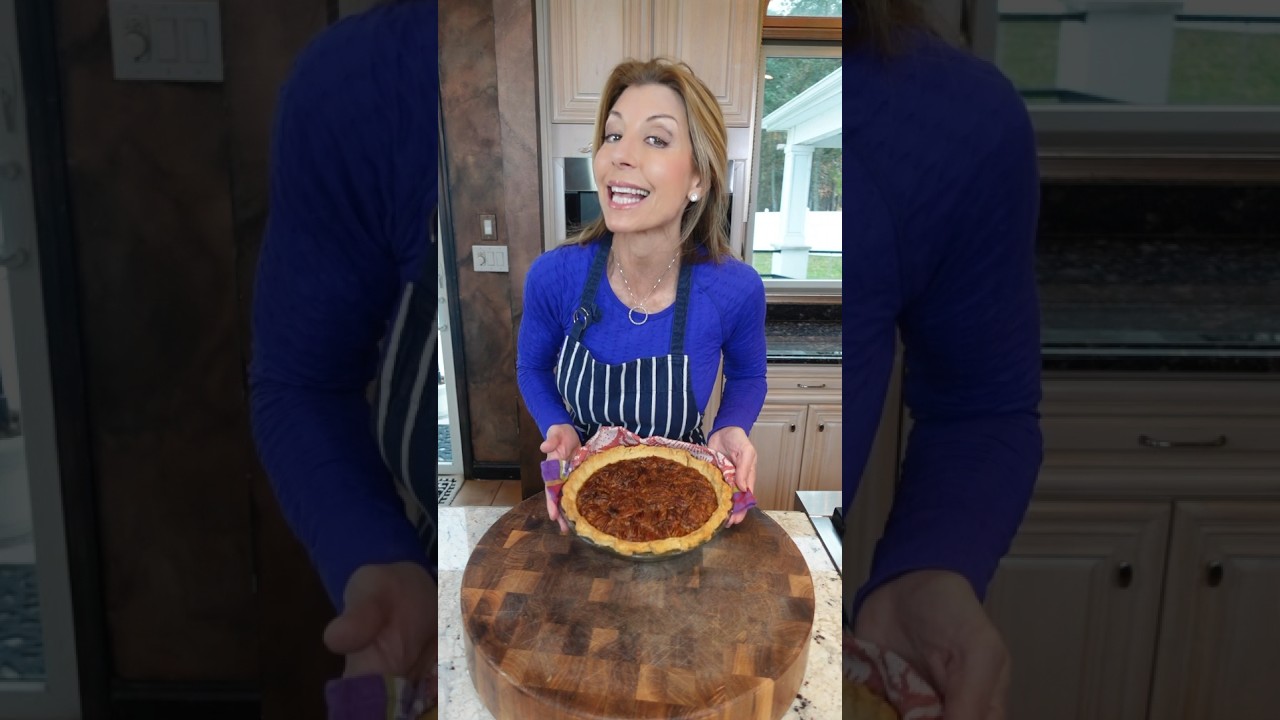
“Pecan pie has a reputation for being foolproof. It is not. The filling can be runny, the crust can be soggy, the center can be raw while the edges burn. Every one of those failures is preventable. The difference comes down to three things: toasting the pecans before they go in, using a cornstarch slurry to stabilize the custard, and baking on the lower rack where bottom heat actually reaches the crust. We dug through the most popular methods to give you the one that works.”
Why This Recipe Works
Pecan pie is widely considered one of the easier pies to bake. Pour filling into crust, bake until set, let it cool. The instructions fit on an index card. And yet home pecan pies are consistently either too sweet, too runny, or built on a pale underbaked crust that turns to paste under the filling. The problem is not the recipe — it is the three or four small decisions that most recipes treat as obvious but never explain.
The Toasting Imperative
Raw pecans taste like homework. There is nothing wrong with them — they are fine — but fine is a low bar for a pie that exists to be the most memorable thing on a holiday table. Eight to ten minutes in a 350°F oven converts the nut oils through the Maillard reaction, developing new flavor compounds that smell like toasted butter and taste like something that has been slowly caramelized for far longer than ten minutes.
The rule: toast until the kitchen smells intensely nutty and the nuts have turned one shade darker than they arrived. Pale means under-toasted. Anything approaching dark brown means you have two minutes before they burn. Pull them the moment the aroma peaks.
The Custard Problem
Traditional pecan pie uses corn syrup as the filling base because corn syrup is mostly glucose — it has low water content, high viscosity, and sets predictably when baked. Maple syrup has significantly higher water content and does not behave the same way in a custard application. This is why maple syrup pecan pies occasionally come out of the oven looking set, then collapse into a sticky soup as they cool.
The fix is a cornstarch slurry — one tablespoon of cornstarch whisked smooth in two tablespoons of water before being incorporated into the filling. The starch gelatinizes during baking and provides structural support to the custard that maple syrup alone cannot deliver. This is not a workaround. It is the reason this recipe works when others do not.
The Rack Position
Pie dishes baked on the middle rack position the bottom pastry precisely in the dead zone between the oven's floor heating element and the top. Bottom heat never reaches full strength, the crust stays pale and soft, and the filling soaks in. Lower third of the oven changes the geometry entirely. The floor element can actually do its job, the bottom crust bakes through, and the filling gets the sustained, even heat it needs to set without the edges overcooking before the center firms.
This single adjustment — moving the rack before you even start mixing — eliminates the soggy-bottom problem entirely.
The Patience Tax
Pecan pie custard is still actively setting when it comes out of the oven. The residual heat in the filling continues the coagulation process as the pie cools. If you cut into it at the 30-minute mark because it smells incredible and you have guests, the filling runs. If you cut at two hours, it is close. If you refrigerate it for an additional hour after cooling and slice it cold, it holds a perfect clean edge.
The pie does not taste worse cold. It tastes better. The flavors — vanilla, cinnamon, toasted nut, caramel — need time to integrate. What comes out of the oven is raw potential. What you slice the next morning is the finished product.
Why This Version Holds Up
Replacing part of the refined sugar with coconut sugar does two things: it introduces a subtle molasses note that makes the sweetness more complex, and it lowers the glycemic load slightly without changing the baking behavior. Maple syrup stands in for corn syrup because the flavor payoff is worth the extra stabilization step. Together, they produce a filling that is distinctly less cloying than the original without tasting like a compromise.
Use a heavy-bottomed pie dish and a baking sheet underneath it. Do the toast. Make the slurry. Wait for it to cool. These are not suggestions — they are the load-bearing structure of the entire recipe.
Where Beginners Mess This Up
Before we start, read this. These are the 4 reasons your classic pecan pie (the gooey southern standard, done right) will fail:
- 1
Skipping the pecan toast: Raw pecans taste flat and slightly bitter inside a sweet custard. Eight to ten minutes in a 350°F oven triggers the Maillard reaction in the nut oils, unlocking a deep, buttery, almost caramel-like flavor that transforms the entire pie. This step takes ten minutes and costs nothing. There is no reason to skip it.
- 2
Not using a cornstarch slurry: Maple syrup has a higher water content than corn syrup. Without a stabilizer, the custard can remain liquid in the center even after an hour in the oven. A tablespoon of cornstarch whisked into water and added to the filling gives the custard the structure it needs to set cleanly without affecting flavor or texture.
- 3
Baking on the middle rack: The bottom crust needs direct heat to bake through. The middle rack positions the pie too far from the heating element, resulting in a pale, underdone crust that turns soggy as the filling sets. The lower third of the oven solves this. It is a one-inch adjustment with significant consequences.
- 4
Slicing before the pie is fully set: The custard looks done when you pull it from the oven but it is not — it continues to firm up as it cools. Cutting into it before at least two hours of room-temperature rest followed by one hour in the refrigerator produces a filling that runs onto the plate. The wait is mandatory, not optional.
The Video Reference Library
Want to see it in action? Here are the exact videos we analyzed and combined to build this foolproof recipe translation:
The primary reference video for this recipe. Covers the full technique from crust to cooling with clear explanations of what the filling should look like at each stage.
🛠️ Core Equipment
- 9-inch pie dishStandard sizing for this recipe. Glass or ceramic conducts heat more gently than metal, reducing the risk of overbrowning the crust edges before the center sets.
- Large mixing bowl and whiskTwo minutes of vigorous whisking aerates the eggs slightly, which helps the custard set with the right texture. A stand mixer is overkill here — a balloon whisk and some effort is all you need.
- Pie weights or dried beansIf you are blind-baking the crust (recommended for an even crispier bottom), weights prevent the pastry from puffing. Without them, the bottom bubbles up and the filling sits unevenly.
- Baking sheetFor toasting the pecans and for placing under the pie during baking to catch any overflow. Also acts as a heat buffer that helps the bottom crust brown without burning.
Classic Pecan Pie (The Gooey Southern Standard, Done Right)
🛒 Ingredients
- ✦1 unbaked 9-inch pie crust (store-bought or homemade)
- ✦1 cup raw pecans, roughly chopped
- ✦3 large eggs
- ✦1 cup pure maple syrup
- ✦4 tablespoons unsalted butter, melted
- ✦1/2 cup coconut sugar or brown sugar
- ✦2 tablespoons vanilla extract
- ✦1 teaspoon sea salt
- ✦1/2 teaspoon ground cinnamon
- ✦1/4 teaspoon nutmeg
- ✦1 tablespoon cornstarch
- ✦2 tablespoons water
👨🍳 Instructions
01Step 1
Preheat your oven to 350°F and position an oven rack in the lower third of the oven.
02Step 2
Scatter the chopped pecans across a small baking sheet and toast them in the preheating oven for 8-10 minutes until fragrant and lightly browned, stirring halfway through.
03Step 3
Remove the toasted pecans and set them aside on a plate to cool slightly while keeping your oven at temperature.
04Step 4
Crack the eggs into a large mixing bowl and whisk vigorously for about 2 minutes until the mixture becomes pale and slightly frothy.
05Step 5
Pour the maple syrup into the egg mixture while whisking continuously, then add the melted butter in a thin stream while maintaining vigorous whisking.
06Step 6
Blend in the vanilla extract, sea salt, cinnamon, and nutmeg, stirring until fully combined and the spices are evenly distributed throughout the custard base.
07Step 7
Stir the cornstarch with 2 tablespoons of water in a small cup until completely smooth, then whisk this slurry into the egg mixture.
08Step 8
Fold the toasted pecans gently into the custard mixture using a rubber spatula, distributing them as evenly as possible throughout.
09Step 9
Pour the pecan-filled custard into the unbaked pie crust, spreading it so the pecans are relatively evenly distributed across the surface.
10Step 10
Transfer the filled pie to the lower oven rack and bake for 55-65 minutes, until the edges appear set but the very center still jiggles slightly when you gently shake the pan.
11Step 11
Remove the pie from the oven and let it cool at room temperature for at least 2 hours, allowing the custard to set fully as it cools.
12Step 12
Refrigerate the cooled pie for at least 1 additional hour before slicing and serving, which helps the filling firm up to the perfect texture.
13Step 13
Serve each slice slightly chilled or at room temperature, optionally accompanied by unsweetened whipped cream or vanilla ice cream.
Nutrition Per Serving
Estimates based on standard preparation. Adjustments alter macros.
🔄 Substitutions
Instead of Pure maple syrup...
Use Date paste (soaked pitted dates blended with water)
Slightly deeper, more earthy flavor with less refined sweetness. Texture remains creamy and custard-like. Lower glycemic index and added fiber.
Instead of Unbaked pie crust (traditional butter-based)...
Use Almond flour crust (3 cups almond flour, 4 tbsp melted coconut oil, 2 tbsp maple syrup, pinch of salt)
Nuttier, more fragrant crust with a slightly different crumb structure. Adds complementary almond notes to the pecan flavor. Higher protein, lower refined carbohydrates.
Instead of Coconut sugar or brown sugar...
Use Monk fruit sweetener (1/4 cup) or erythritol (1/3 cup)
Sweeter finish with minimal aftertaste. Filling sets slightly differently — if it appears too thin before baking, add an extra half teaspoon of cornstarch to the slurry.
Instead of Unsalted butter...
Use Ghee or refined coconut oil (4 tablespoons)
Ghee provides deeper, slightly nutty undertones. Coconut oil remains neutral. Either works structurally — the custard sets the same way.
🧊 Storage & Reheating
In the Fridge
Cover with plastic wrap or foil and refrigerate for up to 4 days. The filling continues to firm slightly each day, which most people prefer.
In the Freezer
Freeze the fully cooled pie (whole or in slices) for up to 2 months. Wrap tightly in plastic wrap then foil to prevent freezer burn.
Reheating Rules
Serve cold or at room temperature — pecan pie does not need to be warm. If you prefer it warm, place individual slices in a 300°F oven for 10 minutes. Microwave makes the crust soggy.
❓ Frequently Asked Questions
Why is my pecan pie filling runny after baking?
Two likely causes. First, the pie was not baked long enough — the center should jiggle only slightly, not slosh. Second, you sliced it before it fully set. The custard needs at least two hours at room temperature plus one hour in the refrigerator to firm up completely. Cutting while warm guarantees a runny slice.
Can I use corn syrup instead of maple syrup?
Yes. Traditional pecan pie recipes use light or dark corn syrup. The filling will be sweeter and less complex in flavor but will set more reliably, since corn syrup has lower water content than maple syrup. If using corn syrup, you can omit the cornstarch slurry.
How do I know when the pie is done?
The jiggle test is the most reliable method. Gently shake the pan — the outer two-thirds of the filling should be completely still while only the very center (roughly golf ball-sized) wobbles. The edges will be puffed and set. If the whole surface moves as one liquid mass, bake for another 10 minutes.
My crust edges are burning before the filling sets. What do I do?
Tent the edges with strips of aluminum foil or use a pie shield. This is common when the sugar content of the filling causes the edges to brown faster than the center sets. Start checking at the 40-minute mark and shield if needed.
Can I make this pie a day ahead?
Yes, and you should. Pecan pie is demonstrably better on day two — the custard firms completely, the spices mellow and integrate, and the crust loses any residual sogginess from the filling. Bake the day before, cool fully, refrigerate overnight, and slice 30 minutes before serving.
Do I need to blind-bake the crust first?
Not required, but recommended if you want a particularly crisp bottom. If blind-baking, use pie weights or dried beans to keep the pastry flat, bake at 375°F for 15 minutes, remove the weights, bake 5 more minutes, then fill and finish at 350°F. The lower-rack placement in this recipe achieves most of the same effect without the extra step.

The Science of
Classic Pecan Pie (The Gooey Southern Standard, Done Right)
We turned everything on this page into a beautiful, flour-proof PDF cheat sheet. Print it out, stick it to your fridge, and never mess up your classic pecan pie (the gooey southern standard, done right) again.
*We'll email you the high-res PDF instantly. No spam, just perfectly cooked meals.
AlmostChefs Editorial Team
We translate the internet's most popular cooking videos into foolproof, beginner-friendly written recipes. We analyze multiple methods, test them in our kitchen, and engineer a single "Master Recipe" that gives you the best possible result with the least possible stress.