Classic Peach Cobbler (The Summer Dessert You've Been Doing Wrong)
Fresh peaches macerated in sugar and lemon, topped with a drop-biscuit crust that bakes golden and crisp while the fruit bubbles underneath. We broke down the technique so you get peak fruit flavor, the right topping texture, and none of the soggy disasters that ruin most home cobbler attempts.
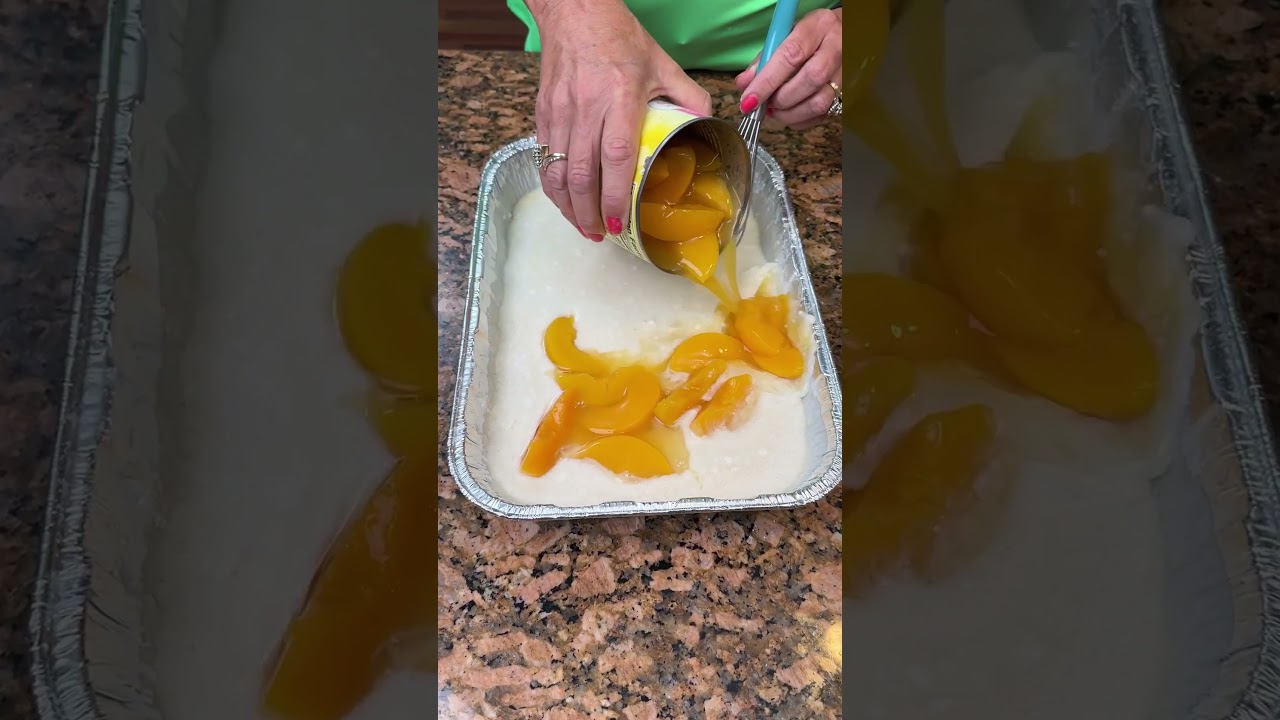
“Most peach cobbler fails for one of two reasons: watery filling or a biscuit topping that bakes into a pale, doughy slab. Both failures have the same root cause — people skip the maceration and overmix the batter. Fix those two things and you get the cobbler that people ask you to bring to every cookout. We built this recipe around both fixes.”
Why This Recipe Works
Peach cobbler sits at the intersection of two things that can both go wrong independently: a fruit filling and a biscuit topping. When both fail at once — watery peaches beneath a pale, gummy crust — the result tastes like regret. When both are executed correctly, you get one of the few desserts that tastes genuinely better than the sum of its parts. The fix is not complicated. It's about understanding why each step exists.
The Maceration Problem
Raw peaches contain a lot of water. Bake them without preparation and that water releases mid-oven, flooding the dish with thin liquid that dilutes the peach flavor and keeps the filling from ever thickening. The filling tastes like warm fruit water instead of concentrated peach.
Maceration solves this through osmosis. Toss peach slices with sugar and leave them alone for 45-60 minutes. The sugar draws moisture out of the fruit cells, and that moisture dissolves the sugar into a viscous syrup. By the time the macerated peaches hit the oven, they're already swimming in a concentrated, naturally sweet liquid that only needs heat to thicken into a glossy, spoonable filling. The peach flavor is three times more intense because you've already removed a significant portion of the diluting water.
The lemon juice is not incidental. It amplifies the perception of sweetness through contrast, brightens the fruit's flavor, and lowers the pH enough to prevent the peaches from browning while they wait.
Cold Fat Is the Architecture
Cobbler topping is a rough biscuit dough, and rough biscuit dough depends on cold fat. When you cut chilled butter into flour, small discrete pieces of fat remain suspended in the dry mix — they don't blend in, they hide. In the oven, those fat pockets melt and release steam, and the steam creates flaky layers and a craggy, light texture. This is the same principle behind pastry cutters and why pie dough recipes tell you to work fast.
Warm butter doesn't hide. It disperses evenly through the flour on contact, coating every particle with fat and producing a dense, uniform crumb that bakes into a thick, bready slab. The textural difference between cold-fat and warm-fat biscuit topping is not subtle. It's the difference between cobbler that gets requested again and cobbler that politely disappears.
What "Just Mixed" Actually Means
Flour contains proteins. Wet them and add agitation, and those proteins link into gluten strands. Gluten is what gives bread its chewy structure. In a yeast bread, you want that structure. In cobbler topping, you don't — it makes the biscuit tough.
The moment your lumpy, shaggy batter forms a cohesive mass, the mixing stops. Lumps are not a problem. Lumps are proof you didn't overmix. What you're avoiding is the second and third stirs that seem harmless but are actively building gluten structure that will make your topping dense. The batter will look rough and imperfect going into the dish. It should. That roughness is what bakes into craggly, browned surface area that holds up against the bubbling fruit underneath.
The Drop Method
Spreading the batter into an even layer defeats the purpose of the topping. A uniform sheet traps steam underneath it, leaving the peach filling half-steamed and the topping bottom layer perpetually undercooked. Dropping spoonfuls in a scattered pattern creates gaps — those gaps let the filling bubble through, release steam, and keep the entire surface of the topping exposed to direct oven heat.
That direct heat is what produces the deep golden color that signals the Maillard reaction has done its job: new flavor compounds formed, surface starches caramelized, the topping transitioned from raw dough to something with genuine flavor of its own. A pale topping is an undercooked topping, regardless of what the timer says.
The Rest Is Mandatory
Peach filling at 200°F is a thin, molten syrup. The starch in the filling hasn't had time to set. Pull the cobbler and serve it immediately and every scoop will be soup. Rest it for 15-30 minutes and the syrup thickens into a lush, fruit-forward sauce that clings to the topping instead of pooling under it. This is the step that separates cobbler that photographs well from cobbler that actually eats well. The oven already did its job. Let the physics finish.
Where Beginners Mess This Up
Before we start, read this. These are the 4 reasons your classic peach cobbler (the summer dessert you've been doing wrong) will fail:
- 1
Skipping the maceration: Tossing raw peach slices directly into the baking dish produces watery, flat-tasting filling. Macerating the fruit in sugar and lemon juice for 45-60 minutes draws out the natural juices, concentrates the peach flavor, and creates a syrup that thickens beautifully in the oven. This step is not optional.
- 2
Overmixing the topping batter: Cobbler topping is not cake batter. The moment the ingredients come together into a shaggy, lumpy mass, you stop. Every extra stir develops gluten strands that turn your light biscuit crust into a dense, rubbery puck. Mix until just combined — lumps are good.
- 3
Using warm butter in the topping: Cold, cubed butter is what creates a flaky, tender crumb. When you work chilled butter into the flour, small pockets of fat remain intact. In the oven, those pockets release steam and create layers. Soft or melted butter coats the flour uniformly and produces a greasy, cake-like texture instead.
- 4
Pulling the cobbler too early: The filling needs to be visibly bubbling at the edges and the topping needs to be genuinely golden brown — not pale tan. Underbaked cobbler has a gummy, starchy filling and a raw-flour topping. Go the full 45-55 minutes and trust the color.
The Video Reference Library
Want to see it in action? Here are the exact videos we analyzed and combined to build this foolproof recipe translation:
The most-viewed walkthrough for this exact technique. Clear demonstration of the drop-biscuit method and what properly macerated peaches look like before they go into the dish.
🛠️ Core Equipment
- 9-inch round or 8x8-inch square baking dishThe right depth matters. Too shallow and the filling overflows; too deep and the topping doesn't get enough radiant heat from the sides to brown properly. A standard 2-inch deep ceramic or glass dish is ideal.
- Pastry cutterCuts cold butter into the flour without warming it through hand contact. Your fingers transfer heat. A [pastry cutter](/kitchen-gear/review/pastry-cutter) keeps the butter cold and produces a more consistently flaky topping. Two forks work in a pinch.
- Large mixing bowlThe peaches need room to macerate without their juice spilling over the edges. You also need space to toss them evenly with the sugar and lemon juice without bruising the slices.
- Paring knifeFor peeling the blanched peaches cleanly. A [paring knife](/kitchen-gear/review/paring-knife) gives you control to follow the curve of the fruit without wasting flesh. The blanch-and-peel method only works well with a sharp blade.
Classic Peach Cobbler (The Summer Dessert You've Been Doing Wrong)
🛒 Ingredients
- ✦6 medium fresh peaches, peeled and sliced
- ✦3/4 cup granulated sugar (for filling)
- ✦2 tablespoons fresh lemon juice
- ✦1 cup all-purpose flour
- ✦1/4 cup granulated sugar (for topping)
- ✦1 1/2 teaspoons baking powder
- ✦1/4 teaspoon fine sea salt
- ✦1/2 teaspoon ground cinnamon
- ✦1/8 teaspoon freshly grated nutmeg
- ✦5 tablespoons unsalted butter, chilled and cubed
- ✦1/2 cup whole milk
- ✦1/2 teaspoon pure vanilla extract
- ✦2 tablespoons light brown sugar (optional, for topping)
👨🍳 Instructions
01Step 1
Blanch the peaches in boiling water for 30-60 seconds, then transfer immediately to an ice bath. Peel away the skin with a paring knife.
02Step 2
Slice the peeled peaches into 1/4-inch thick wedges and place in a large mixing bowl.
03Step 3
Toss the peach slices with 3/4 cup granulated sugar and 2 tablespoons fresh lemon juice. Let the mixture sit at room temperature for 45 minutes to 1 hour to macerate and release their natural juices.
04Step 4
Preheat your oven to 350°F and lightly butter your baking dish.
05Step 5
Whisk together the flour, baking powder, sea salt, cinnamon, and nutmeg in a medium bowl until evenly combined.
06Step 6
Add the chilled, cubed butter to the flour mixture. Use a pastry cutter or your fingertips to work the butter into the flour until the mixture resembles coarse breadcrumbs with some pea-sized pieces remaining.
07Step 7
Pour in the milk and vanilla extract. Stir with a wooden spoon just until the ingredients come together into a thick, lumpy batter. Stop immediately — do not overmix.
08Step 8
Transfer the macerated peaches and all their accumulated juices into the prepared baking dish, spreading them in an even layer.
09Step 9
Drop spoonfuls of the batter over the peach filling in a scattered pattern, leaving visible gaps between dollops for the fruit to bubble through.
10Step 10
Sprinkle the remaining 1/4 cup granulated sugar and the brown sugar (if using) evenly over the batter.
11Step 11
Bake for 45-55 minutes until the topping is deep golden brown and the peach filling is actively bubbling at the edges.
12Step 12
Remove from the oven and rest for 15-30 minutes before serving. The filling thickens as it cools.
13Step 13
Serve warm with vanilla ice cream or whipped cream.
Nutrition Per Serving
Estimates based on standard preparation. Adjustments alter macros.
🔄 Substitutions
Instead of Fresh peaches...
Use Frozen peaches, thawed and drained
Virtually identical results year-round. Drain thoroughly before macerating or the filling will be too watery. May need 5 additional minutes of baking time.
Instead of All-purpose flour...
Use Whole wheat pastry flour
Slightly nuttier flavor with a marginally denser crumb. Still tender when mixed minimally. Increases fiber content significantly.
Instead of Granulated sugar (filling)...
Use Coconut sugar or maple syrup (1/2 cup)
Adds a subtle caramel undertone and slightly deeper color. Lower glycemic index than white sugar. Maple syrup will thin the filling slightly — reduce to 6 tablespoons if using.
Instead of Whole milk...
Use Unsweetened almond milk or oat milk
Equally tender topping with a lighter mouthfeel. Negligible flavor difference in the finished cobbler.
🧊 Storage & Reheating
In the Fridge
Cover tightly and refrigerate for up to 3 days. The topping softens overnight but retains its flavor.
In the Freezer
Freeze fully cooled cobbler in an airtight container for up to 2 months. Thaw overnight in the refrigerator before reheating.
Reheating Rules
Cover with foil and reheat in a 325°F oven for 10-15 minutes until warmed through. This preserves more of the topping texture than microwaving.
❓ Frequently Asked Questions
Why is my cobbler filling watery?
You skipped or rushed the maceration step. The peaches need 45-60 minutes to draw out their juices and dissolve the sugar into a syrup. That syrup thickens during baking. Raw peaches dumped straight into the dish release their water mid-bake and never have time to concentrate.
Can I use canned peaches?
Yes, but drain them thoroughly and skip the macerating step entirely — canned peaches are already soft and saturated with syrup. Reduce the filling sugar to 1/4 cup since canned peaches in syrup are already sweet. Expect a slightly softer filling texture.
Why is my topping dense and doughy?
Overmixing or warm butter — usually both. The batter should look lumpy and rough when it hits the dish. If the butter was soft when you cut it in, the fat coated the flour uniformly instead of creating flaky pockets. Chill everything next time.
Do I need to peel the peaches?
Yes. Peach skin turns tough and chewy when baked and creates an unpleasant textural contrast against the soft filling. The blanch-and-peel method takes less than 5 minutes and removes the skin completely.
Can I make this ahead of time?
You can macerate the peaches up to 2 hours ahead and refrigerate them. Mix and bake the cobbler within 30 minutes of guests arriving so it's warm at the table. Fully assembled cobbler baked ahead and reheated is good but not as texturally satisfying as fresh from the oven.
What's the difference between cobbler, crisp, and crumble?
Cobbler has a biscuit or cake batter topping dropped over fruit. Crisp has a streusel topping made with oats. Crumble is similar to crisp but without oats — just butter, flour, and sugar rubbed into crumbs. All three are forgiving. Cobbler is the only one where the topping technique (cold fat, minimal mixing) is make-or-break.

The Science of
Classic Peach Cobbler (The Summer Dessert You've Been Doing Wrong)
We turned everything on this page into a beautiful, flour-proof PDF cheat sheet. Print it out, stick it to your fridge, and never mess up your classic peach cobbler (the summer dessert you've been doing wrong) again.
*We'll email you the high-res PDF instantly. No spam, just perfectly cooked meals.
AlmostChefs Editorial Team
We translate the internet's most popular cooking videos into foolproof, beginner-friendly written recipes. We analyze multiple methods, test them in our kitchen, and engineer a single "Master Recipe" that gives you the best possible result with the least possible stress.