Classic Greek Pastitsio (The Béchamel Makes or Breaks It)
A layered Greek baked pasta dish with seasoned ground meat, tubular ziti, and a silky egg-enriched béchamel — the kind of casserole that makes people ask for the recipe before they've finished their first serving. We built this around the techniques that actually produce clean layers and a golden top that doesn't crack.

“Pastitsio is Greek comfort food engineering at its most precise: a meat layer that must be dry enough to hold shape, a pasta layer that must be cooked enough to absorb flavor but firm enough to stack, and a béchamel that must be thick enough to set during baking but loose enough to pour. Every common failure — soupy layers, cracked tops, gray meat filling — traces back to one of those three variables. Here's how to control all of them.”
Why This Recipe Works
Pastitsio is not complicated food. It is, however, unforgiving food. Three separate components have to be cooked correctly and then assembled in a specific sequence so that everything finishes at the same moment inside the oven. When it works, the result is one of the most satisfying things you can pull out of an oven. When it doesn't, you have a wet, gray casserole with a rubbery top that nobody asks for seconds of.
The Béchamel Is the Whole Game
Every other element in pastitsio — the pasta, the meat sauce, even the cinnamon — is supporting cast. The béchamel is the feature. It is what makes pastitsio look different from a standard baked pasta and what makes it taste different. Getting it right requires two things most recipes gloss over.
First, the roux must cook for a full minute before you add the milk. Raw flour tastes like raw flour. One minute of cooking in melted butter converts the starch and removes that pasty, chalky undertone that ruins cheap white sauces. The color should barely change — you're not making a brown roux — but the smell should shift from raw dough to something faintly nutty.
Second, the milk must be warm when it hits the roux. Cold milk causes the fat in the roux to seize and clump, and no amount of whisking fully recovers a lumpy béchamel. Thirty seconds in the microwave is all it takes. Pour it slowly, whisk continuously, and the sauce comes together in one smooth motion.
The eggs are tempered in after the sauce is off the heat and slightly cooled. They're not there for flavor — they're structural. During baking, the egg proteins set into a firm layer that holds the béchamel's shape as the casserole cools. Without them, the top stays soft and collapses when you cut it.
The Meat Sauce Needs to Be Dry
Greek meat sauce for pastitsio is not the same thing as Italian bolognese. It's drier, more aromatic, and built around cinnamon in a way that reads as savory rather than sweet. The cinnamon works because it amplifies the umami of the browned meat and rounds out the acidity of the tomatoes. It is not optional and it is not interchangeable with Italian seasoning.
The reduction matters more than the flavor. A Dutch oven is ideal here — the wide base gives you maximum surface area for evaporation during the 15-minute simmer. What you want when it's done is a thick, almost jammy meat mixture with no liquid pooling at the edges. If it's still saucy when it goes into the dish, that moisture will cook upward, saturate the pasta above it, and prevent the béchamel from setting cleanly.
Assembly Is Architecture
The layering order — pasta, meat, pasta, béchamel — solves a specific physics problem. The bottom pasta layer absorbs flavor from the meat above it. The top pasta layer acts as a platform for the béchamel, which needs a textured surface to grip rather than a slick one. Press the top layer down gently before pouring the béchamel so it's compacted and level — this is what gives you even slices instead of collapsing walls.
The 10-minute rest after baking is not patience theater. The béchamel is still molten when it comes out of the oven, held in shape by the eggs but not yet firm. As it cools, the proteins finish contracting and the whole structure sets into something sliceable. Cut into it at five minutes and the layers slide. Cut into it at ten and they hold. The dish has done all the work — let it finish.
Where Beginners Mess This Up
Before we start, read this. These are the 4 reasons your classic greek pastitsio (the béchamel makes or breaks it) will fail:
- 1
Undercooking the béchamel before adding the eggs: The béchamel must thicken to the point where it coats the back of a spoon before you add the eggs. If it's still loose when you temper in the eggs, the proteins can't set a stable top layer during baking. You end up with a custard-like surface that cracks and separates instead of setting into that smooth golden crust.
- 2
Skipping the rest before cutting: Ten minutes of resting is mandatory, not optional. The béchamel needs time to firm up from a molten layer into a sliceable structure. Cut too early and the layers slide apart and the filling runs. You spent 90 minutes on this dish — wait the ten minutes.
- 3
Not draining the meat sauce thoroughly: Excess liquid in the meat layer steams upward during baking, waterlogging the pasta above it and preventing the béchamel from setting cleanly. Simmer uncovered until the sauce is visibly thick, with no pooling liquid around the edges of the pan before you layer it.
- 4
Overcooking the pasta before baking: The pasta continues cooking in the oven for 35-40 minutes inside a hot, moist environment. If you boil it to al dente-plus, it turns to paste. Cook it to just under al dente — with a slight chalky bite remaining — so the oven finishes the job.
The Video Reference Library
Want to see it in action? Here are the exact videos we analyzed and combined to build this foolproof recipe translation:
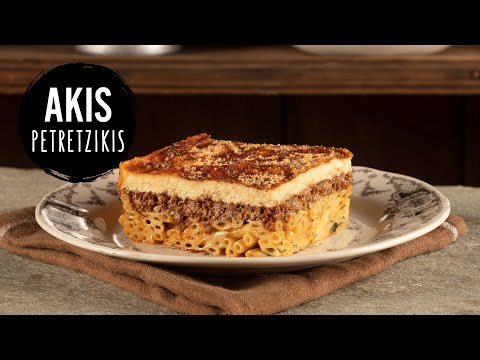
The primary reference for this recipe. Demonstrates the proper béchamel consistency before egg incorporation and how to spread it evenly without disturbing the pasta layer below.
2. Greek Casserole Technique Breakdown
Covers the meat sauce reduction technique and the layering sequence in detail. Useful for understanding what the filling should look like before it goes into the dish.
3. Béchamel Masterclass for Baked PastaDeep dive into the roux-to-sauce technique that applies directly to pastitsio. Explains why temperature control during milk addition is the difference between a smooth sauce and a lumpy one.
🛠️ Core Equipment
- 9x13-inch baking dish ↗The right surface area ensures the béchamel layer is thick enough to set without being too deep. Smaller dishes pile the layers too high and the center never cooks through. Ceramic or glass works better than thin metal, which creates hot spots along the edges.
- Heavy-bottomed saucepan ↗Essential for the béchamel. Thin pans cause the milk to scorch on the bottom while the top is still raw, producing a burnt-flour taste that ruins the entire top layer. Heavy stainless or enameled cast iron distributes heat evenly.
- Wide skillet or Dutch oven ↗For browning and simmering the meat sauce. Wide surface area encourages evaporation so the sauce reduces properly instead of braising in its own liquid. A [Dutch oven](/kitchen-gear/review/dutch-oven) handles both the sear and the long simmer without switching pans.
- Whisk ↗Non-negotiable for lump-free béchamel. Adding warm milk to the roux while whisking constantly is the single act that determines whether your sauce is silky or grainy. A flat whisk gets into the corners of the pan better than a balloon whisk.
Classic Greek Pastitsio (The Béchamel Makes or Breaks It)
🛒 Ingredients
- ✦1 pound lean ground beef or lamb
- ✦1 pound ziti pasta, preferably whole wheat
- ✦4 tablespoons extra-virgin olive oil, divided
- ✦2 medium yellow onions, finely diced
- ✦4 cloves garlic, minced
- ✦1 can crushed tomatoes, 14.5 ounces
- ✦2 teaspoons dried oregano
- ✦1 teaspoon ground cinnamon
- ✦1/2 teaspoon red pepper flakes
- ✦1/2 cup dry red wine
- ✦3 tablespoons butter
- ✦3 tablespoons all-purpose flour
- ✦2 cups low-fat milk, warmed
- ✦1/2 cup grated Pecorino Romano cheese
- ✦2 eggs, lightly beaten
- ✦1 teaspoon sea salt
- ✦1/2 teaspoon freshly ground black pepper
- ✦1/4 teaspoon nutmeg
👨🍳 Instructions
01Step 1
Bring a large pot of heavily salted water to a boil. Cook the ziti until just under al dente — about 7-8 minutes, not the full package time. Drain and toss with 1 tablespoon olive oil to prevent sticking. Set aside.
02Step 2
Heat 2 tablespoons olive oil in a wide skillet over medium-high heat. Add diced onions and sauté for 5 minutes until translucent. Add garlic and cook 1 more minute.
03Step 3
Add the ground meat and break it apart with a wooden spoon. Cook over medium-high heat until browned through, 8-10 minutes. Drain excess fat.
04Step 4
Pour in the red wine and scrape up any browned bits from the bottom. Let it reduce by half, about 2 minutes.
05Step 5
Add crushed tomatoes, oregano, cinnamon, red pepper flakes, salt, and black pepper. Simmer uncovered over medium-low heat for 15 minutes, stirring occasionally, until the sauce is thick with no pooling liquid.
06Step 6
While the meat sauce finishes, make the béchamel: melt butter in a heavy-bottomed saucepan over medium heat. Whisk in flour and cook for 1 minute, stirring constantly, until the paste smells faintly nutty.
07Step 7
Add the warmed milk in a slow, steady stream while whisking constantly. Continue cooking over medium heat, whisking frequently, for 5-7 minutes until the sauce is thick enough to coat the back of a spoon.
08Step 8
Remove béchamel from heat. Let cool 2 minutes. Whisk in beaten eggs, Pecorino Romano, nutmeg, and a pinch of salt and pepper. The eggs temper into the warm sauce — they should not scramble.
09Step 9
Preheat oven to 375°F. Brush a 9x13-inch baking dish with remaining olive oil.
10Step 10
Spread half the cooked pasta evenly across the bottom of the dish. Pour all the meat sauce over it in an even layer. Top with the remaining pasta, pressing gently to compact.
11Step 11
Pour the béchamel over the top pasta layer, spreading it with a spatula to cover completely edge to edge.
12Step 12
Bake uncovered for 35-40 minutes until the top is deep golden brown and the casserole is bubbling at the edges.
13Step 13
Remove from oven and rest, uncovered, for at least 10 minutes before cutting. The layers need this time to firm up and hold their shape when sliced.
Nutrition Per Serving
Estimates based on standard preparation. Adjustments alter macros.
🔄 Substitutions
Instead of Ground beef...
Use Ground turkey or a lentil-meat blend
Turkey produces a leaner, milder filling. A 50/50 lentil-beef blend adds fiber and earthiness without losing the meatiness. Either works — cook both the same way.
Instead of Whole milk (for béchamel)...
Use Unsweetened oat milk or almond milk
The difference in the finished dish is minimal. Oat milk performs slightly better than almond milk in cooked sauces due to its starch content. Use unsweetened only.
Instead of Butter (for béchamel)...
Use Extra-virgin olive oil
Creates a lighter béchamel with a subtle Mediterranean note. The roux behaves slightly differently — whisk more aggressively when adding milk. Authentically Greek, actually.
Instead of Pecorino Romano...
Use Feta cheese or Parmesan
Feta crumbles rather than melts, so fold it into the béchamel rather than whisking. It adds tang and a distinctly Greek character. Parmesan is a neutral swap with less personality.
🧊 Storage & Reheating
In the Fridge
Store covered in the baking dish or in an airtight container for up to 4 days. Layers hold their structure well after the first day.
In the Freezer
Cut into individual portions, wrap tightly in plastic wrap, and freeze for up to 3 months. Thaw overnight in the fridge before reheating.
Reheating Rules
Cover with foil and reheat at 350°F for 20-25 minutes until heated through. Microwave works for single portions — cover and use 50% power to avoid drying out the béchamel.
❓ Frequently Asked Questions
Why does my pastitsio come out watery?
The meat sauce wasn't reduced enough before layering. It needs to simmer uncovered until there's no visible liquid pooling around the edges — the sauce should look almost dry and thick, not saucy. Excess moisture steams the pasta from below and prevents the béchamel from setting.
Can I make pastitsio ahead of time?
Yes, and it's actually recommended. Assemble the dish fully, cover tightly, and refrigerate up to 24 hours before baking. Add 10-15 minutes to the bake time if cooking from cold. The flavors develop overnight and the layers set more cleanly.
My béchamel has lumps. Can I save it?
Yes. Strain the sauce through a fine-mesh sieve while it's still hot, pressing with a spatula. This removes lumps effectively. Alternatively, use an immersion blender directly in the pan for 30 seconds. Then continue with the eggs and cheese.
Why does my top crack during baking?
Either the béchamel was too thin when it went into the oven, or the oven temperature was too high. Ensure the sauce coats a spoon thickly before pouring, and check that your oven isn't running hot. A cracked top tastes fine but won't slice cleanly.
What's the difference between pastitsio and moussaka?
Moussaka uses eggplant instead of pasta, and typically lamb instead of beef. Both use a meat sauce with cinnamon and a béchamel top — they're structural siblings with different cores. Pastitsio is carb-forward; moussaka is vegetable-forward.
Can I use penne instead of ziti?
Yes. Penne works well and is easier to find. Rigatoni also works. Avoid spaghetti or any long pasta — the layering relies on tubes that stack and hold the meat sauce between them rather than sliding off.
The Science of
Classic Greek Pastitsio (The Béchamel Makes or Breaks It)
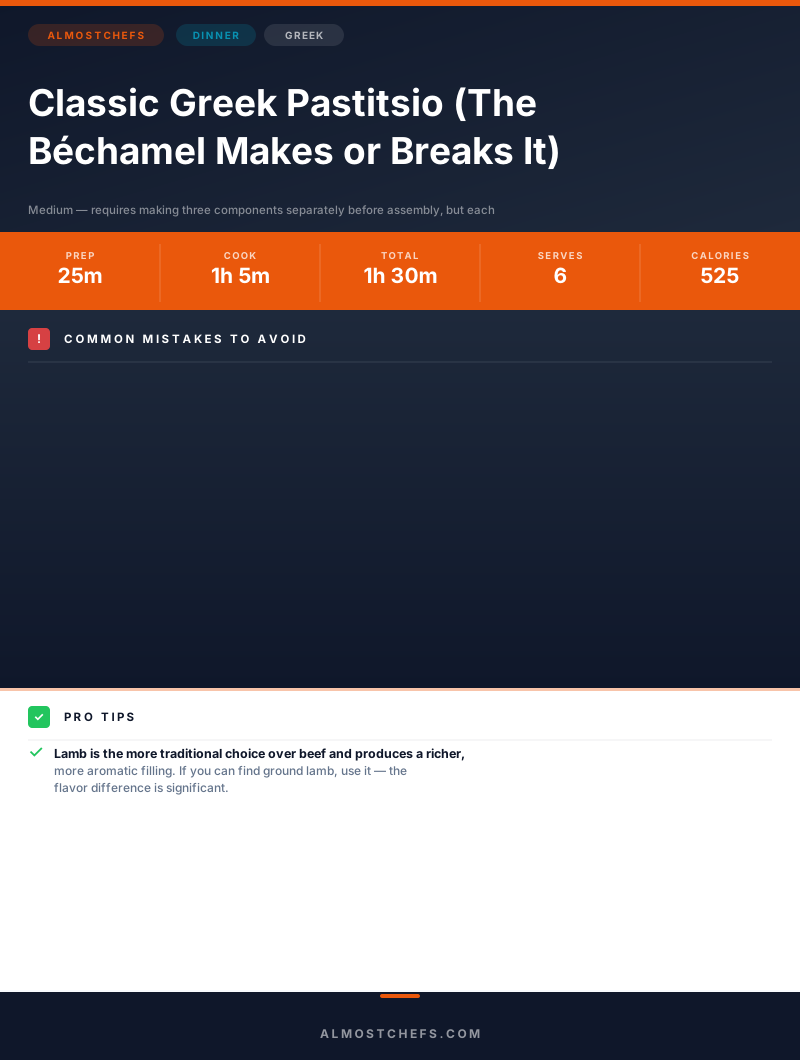
We turned everything on this page into a beautiful, flour-proof PDF cheat sheet. Print it out, stick it to your fridge, and never mess up your classic greek pastitsio (the béchamel makes or breaks it) again.
*We'll email you the high-res PDF instantly. No spam, just perfectly cooked meals.
AlmostChefs Editorial Team
We translate the internet's most popular cooking videos into foolproof, beginner-friendly written recipes. We analyze multiple methods, test them in our kitchen, and engineer a single "Master Recipe" that gives you the best possible result with the least possible stress.