Classic Red Pasta (The One-Pan Italian You'll Make Weekly)
A bright, slow-simmered tomato pasta with garlic, basil, and a butter finish. We stripped away every shortcut that dulls the sauce and rebuilt the technique from the ground up — silky, restaurant-quality red pasta in 40 minutes.
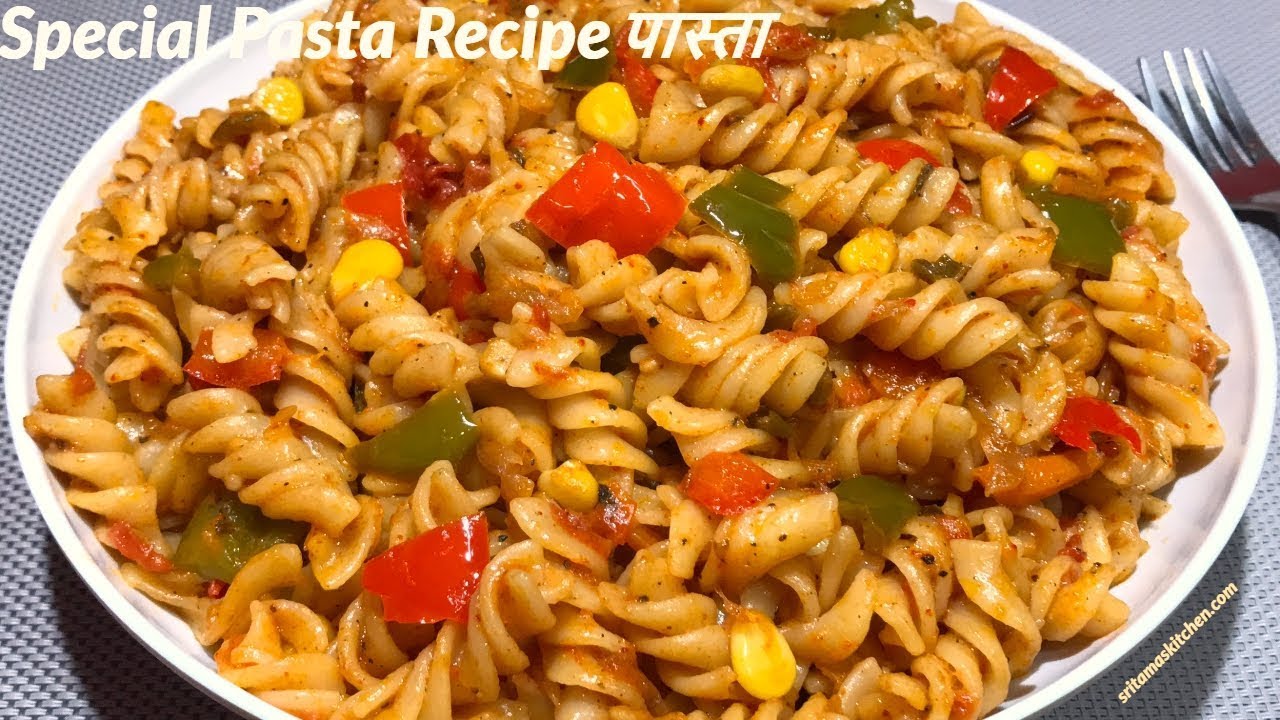
“Most home red pasta is acidic, thin, and forgettable. It tastes like tomatoes that got warm, not tomatoes that got cooked. The difference between sauce from a jar and something genuinely worth eating comes down to three decisions: caramelizing the tomato paste before the tomatoes go in, simming long enough for the water to cook off, and finishing with cold butter off the heat. None of these are hard. Almost nobody does all three.”
Why This Recipe Works
Red pasta has no business being complicated. Six ingredients, one pan, forty minutes. And yet somehow, the version most people make at home is watery, sharp, and forgettable — a pale imitation of something that should taste like it took effort.
The gap is not ingredients. It is technique. Three specific decisions separate a sauce worth making from one worth forgetting.
Decision One: Caramelize the Paste
Tomato paste is concentrated tomato solids — all the water has been cooked out, leaving behind sugars, acids, and flavor compounds in dense, sticky form. Drop it into liquid and it contributes raw acidity. Cook it dry in a hot pan first, stirring constantly for 90 seconds until it darkens and starts to stick, and the Maillard reaction transforms it into something deeply savory with no sharpness.
This is the most important step in the recipe. It takes 90 seconds. Almost no one does it.
Decision Two: Simmer Until It Counts
Tomatoes are mostly water. A sauce that simmers for five minutes is a sauce that tastes like slightly warm tomatoes. Fifteen to twenty minutes on medium-low heat does three things: it evaporates excess liquid, concentrating the tomato solids; it fully dissolves the garlic and oregano into the sauce rather than leaving them as detectable chunks; and it allows the oil to separate slightly at the edges — a visual cue that the sauce has reached the right consistency.
The test: drag a wooden spoon through the center of the sauce. The line should hold for two to three seconds before the sauce closes back in. If it floods immediately, keep simmering.
Decision Three: Finish With Cold Butter Off the Heat
The last thirty seconds of this recipe determine its texture. Cold butter added to a hot pan off the heat melts slowly into the sauce, suspending as tiny fat droplets through emulsification. The result is glossy, silky, and rich without being heavy. Add the same butter to a boiling pan and it breaks immediately — the fat separates and pools, the sauce turns greasy, and you've lost the finish you spent twenty minutes building.
Fold the butter gently. Do not stir aggressively. Let the residual heat do the work.
The Pasta Water Rule
Reserved pasta water is not optional. The dissolved starch acts as a natural emulsifier, binding the sauce to the pasta surface and creating a cohesive coating rather than sauce pooling at the bottom of the bowl. Two tablespoons is usually enough. Add it a little at a time after the pasta goes in, adjusting consistency to your preference.
Use a large heavy-bottomed pan with enough surface area for the sauce to reduce efficiently. A narrow saucepan traps liquid and produces a thin, watery result no matter how long you simmer. The pan size is not a suggestion.
This dish is simple enough to make on a Tuesday and good enough to serve to someone you're trying to impress. Those two things are not in conflict — they just require not skipping the three steps everyone skips.
Where Beginners Mess This Up
Before we start, read this. These are the 4 reasons your classic red pasta (the one-pan italian you'll make weekly) will fail:
- 1
Skipping the tomato paste caramelization: Tomato paste dropped straight into liquid contributes raw, metallic acidity. Cooked dry in the pan for 90 seconds first, it turns deeply savory — the Maillard reaction converts its sugars and proteins into complex flavor compounds that no amount of simmering will create after the fact.
- 2
Under-simmering the sauce: A sauce that simmers for 5 minutes is a sauce that tastes like warmed tomatoes. Fifteen to twenty minutes on medium-low heat evaporates excess water, concentrates the tomato solids, and allows the garlic and oregano to fully dissolve into the sauce. Rushing this step is where most weeknight pasta goes wrong.
- 3
Overcooking the garlic: Garlic goes from fragrant to bitter in under a minute over medium-high heat. Thirty seconds of contact with hot oil is enough. The moment you smell it, the tomatoes go in. There are no second chances — burnt garlic ruins the entire batch.
- 4
Adding basil too early: Fresh basil is volatile. Its aromatic compounds evaporate at cooking temperatures within seconds. It goes in off the heat, torn not chopped, so the residual warmth blooms it without destroying it. Cooked basil turns black and tastes like grass.
The Video Reference Library
Want to see it in action? Here are the exact videos we analyzed and combined to build this foolproof recipe translation:
The source video for this recipe. Focused technique on sauce building and pasta water integration.
🛠️ Core Equipment
- Large heavy-bottomed sauté panWide surface area accelerates water evaporation during the sauce simmer. A narrow saucepan traps liquid and produces a watery, underseasoned result. A [cast iron skillet](/kitchen-gear/review/cast-iron-skillet) or stainless steel is ideal.
- Large pot for pastaPasta needs room to move. A cramped pot causes uneven cooking and sticky, gummy noodles. Use the largest pot you own and salt the water aggressively — it should taste like mild seawater.
- Fine-mesh sieve or colanderDrain fast. Every second the pasta sits in hot water, it keeps cooking. You want to halt it immediately and get it into the sauce while still slightly underdone.
- Wooden spoon or silicone spatulaFor working the tomato paste into the pan and folding the butter finish at the end without breaking the sauce.
Classic Red Pasta (The One-Pan Italian You'll Make Weekly)
🛒 Ingredients
- ✦400g dried pasta (penne, fusilli, or spaghetti)
- ✦800g fresh ripe tomatoes, roughly chopped, or 1 can (800g) crushed San Marzano tomatoes
- ✦1 medium yellow onion, finely diced
- ✦5 garlic cloves, minced
- ✦3 tablespoons extra virgin olive oil
- ✦2 tablespoons tomato paste
- ✦1 teaspoon dried oregano
- ✦½ teaspoon red chili flakes (optional)
- ✦10 fresh basil leaves
- ✦2 tablespoons unsalted butter, cold
- ✦Salt to taste
- ✦½ teaspoon freshly ground black pepper
- ✦2–3 tablespoons reserved pasta water
👨🍳 Instructions
01Step 1
Bring a large pot of water to a rolling boil over high heat. Salt it aggressively — it should taste like mild seawater. Add the pasta and cook for 1–2 minutes less than the package instructions to achieve al dente.
02Step 2
Before draining, scoop out 2–3 tablespoons of pasta water and set aside. Drain the pasta and set aside in the colander.
03Step 3
Heat the extra virgin olive oil in a large heavy-bottomed pan over medium-high heat until shimmering. Add the diced onion and sauté for 3–4 minutes, stirring occasionally, until translucent and softened.
04Step 4
Add the minced garlic and cook for exactly 30 seconds, stirring constantly. The moment it smells fragrant, move to the next step.
05Step 5
Add the tomato paste directly to the pan and stir continuously for 90 seconds until it darkens slightly and begins to stick to the pan in spots.
06Step 6
Pour in the crushed or chopped tomatoes. Add the dried oregano and chili flakes if using. Stir to combine, scraping up any caramelized bits from the pan bottom.
07Step 7
Reduce heat to medium-low and simmer uncovered for 15–20 minutes, stirring occasionally, until the sauce thickens and the oil separates slightly at the edges.
08Step 8
Season with salt and black pepper. If the sauce is too thick, stir in reserved pasta water one tablespoon at a time.
09Step 9
Add the drained pasta directly to the pan. Toss over medium heat for 1–2 minutes until every piece is coated and the sauce clings to the pasta.
10Step 10
Remove the pan from heat. Tear the fresh basil leaves over the top and add the cold butter. Fold gently until the butter melts into a silky finish.
11Step 11
Serve immediately in warmed bowls with extra cracked black pepper and a basil leaf or two on top.
Nutrition Per Serving
Estimates based on standard preparation. Adjustments alter macros.
🔄 Substitutions
Instead of Butter...
Use Extra virgin olive oil (1 tablespoon)
Slightly lighter finish with fruity olive notes instead of dairy richness. Still creates a glossy sauce but with less body.
Instead of Regular pasta...
Use Whole wheat or legume-based pasta (400g)
Earthier flavor and firmer texture. Add 1–2 minutes to the cook time. Higher fiber and protein content.
Instead of Canned tomatoes with salt...
Use No-salt-added San Marzano tomatoes or fresh heirloom tomatoes
Cleaner tomato flavor with full control over seasoning. Reduces sodium dramatically. Fresh tomatoes require an extra 5 minutes of simmering.
Instead of Dried oregano...
Use Fresh oregano (2 teaspoons, finely chopped) or fresh marjoram
Brighter, more aromatic result. Add in the final 2 minutes of simmering rather than at the start — fresh herbs lose their punch quickly over heat.
🧊 Storage & Reheating
In the Fridge
Store sauce and pasta separately in airtight containers for up to 3 days. Combined, the pasta absorbs the sauce overnight and thickens considerably.
In the Freezer
Freeze the sauce alone for up to 2 months. Thaw overnight in the fridge and reheat on low with a splash of water. Do not freeze cooked pasta — the texture degrades badly.
Reheating Rules
Add 1–2 tablespoons of water to the pasta, cover with a lid, and reheat on low heat for 5–7 minutes. Stir once halfway through. Avoid the microwave — it unevenly heats and breaks the sauce.
❓ Frequently Asked Questions
Why does my tomato sauce taste acidic and sharp?
Two likely causes: the tomato paste wasn't caramelized before the tomatoes went in, or the sauce didn't simmer long enough. The Maillard reaction during tomato paste caramelization converts harsh acids into savory compounds. Fifteen to twenty minutes of simmering mellows the raw tomato sharpness. If it still tastes sharp after both, a pinch of sugar will balance it — but treat that as a correction, not a technique.
Can I use fresh tomatoes instead of canned?
Yes, but rough-chop them and expect an extra 5 minutes of simmer time to break them down. The flavor will be brighter and more variable depending on the tomatoes' ripeness. In winter, canned San Marzano tomatoes will outperform most fresh tomatoes available at the grocery store.
What pasta shape works best here?
Shapes with ridges or tubes — penne, rigatoni, fusilli — trap the sauce inside and along their surface, giving you more sauce per bite. Spaghetti works but delivers a thinner coat. Long strands suit lighter, more liquid sauces; short shapes suit thick, chunky ones like this.
Why is my pasta gummy and sticking together?
The pot was too small or the water wasn't salted enough. Pasta needs volume to move freely. Stir in the first 2 minutes of cooking to prevent sticking before the starch sets. Rinsing pasta is not the answer — it washes off the starch that helps sauce adhere.
Do I need to add sugar to tomato sauce?
Only as a correction if the sauce finishes tasting sharp. Quality San Marzano tomatoes and proper caramelization of the tomato paste should make sugar unnecessary. Adding sugar upfront, before tasting, masks the natural tomato flavor rather than balancing it.
Why finish with butter off the heat?
Cold butter added off the heat emulsifies into the sauce through a technique called 'mounting.' The residual heat melts the fat slowly into tiny droplets that suspend in the sauce, creating a glossy, silky texture. Over active heat, the butter breaks and separates into grease, ruining the finish.
The Science of
Classic Red Pasta (The One-Pan Italian You'll Make Weekly)
We turned everything on this page into a beautiful, flour-proof PDF cheat sheet. Print it out, stick it to your fridge, and never mess up your classic red pasta (the one-pan italian you'll make weekly) again.
*We'll email you the high-res PDF instantly. No spam, just perfectly cooked meals.
AlmostChefs Editorial Team
We translate the internet's most popular cooking videos into foolproof, beginner-friendly written recipes. We analyze multiple methods, test them in our kitchen, and engineer a single "Master Recipe" that gives you the best possible result with the least possible stress.