Silky Panna Cotta (The No-Bake Italian Dessert You've Been Overcooking)
A classic Italian cream dessert set with gelatin into a trembling, custard-like mold. We broke down the most common home cook failures — overheated cream, under-bloomed gelatin, and skipped straining — and rebuilt the technique from the ground up for a flawless result every time.
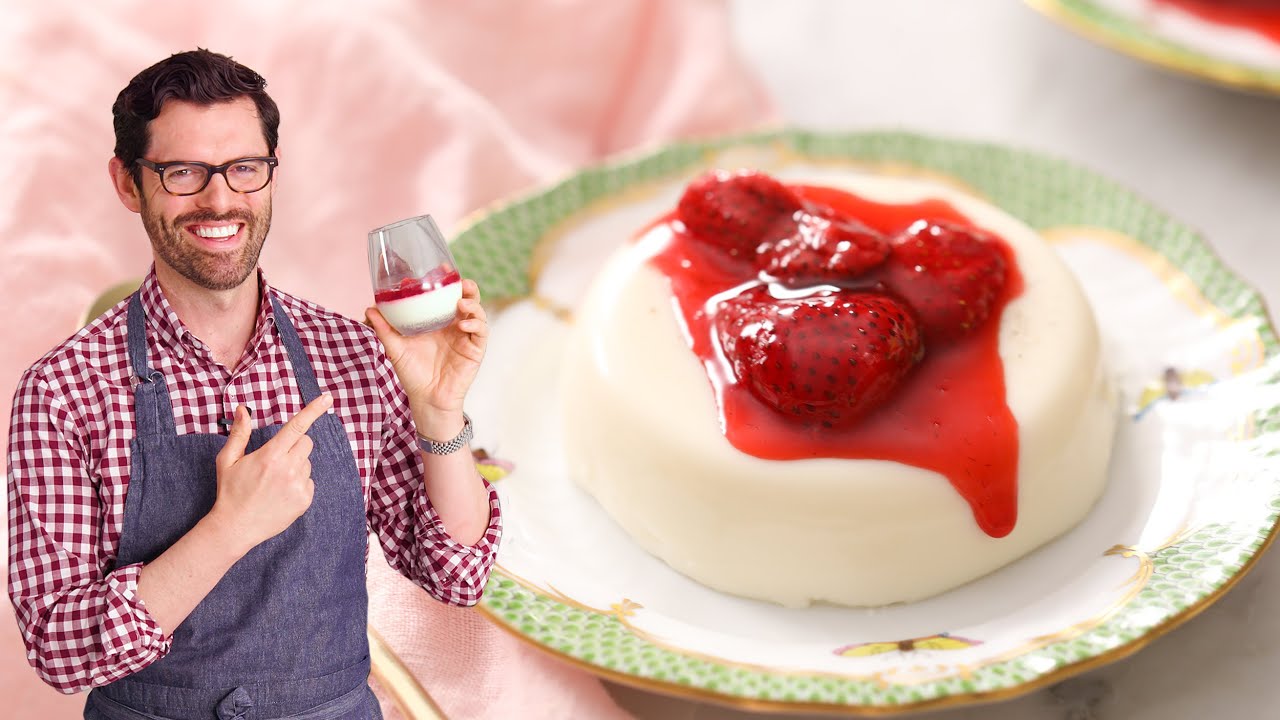
“Panna cotta looks like something you'd order at a Michelin-starred restaurant in Milan. It is also one of the most technically forgiving desserts in existence — if you understand two things: gelatin hydration and temperature control. Most failures come from heating the cream too aggressively, rushing the gelatin bloom, or skipping the strain. Fix those three things and this dessert practically makes itself.”
Why This Recipe Works
Panna cotta is the rare dessert where simplicity is the technique. Five ingredients, no oven, no eggs, no tempering. The entire success of the dish hinges on three variables: gelatin concentration, cream temperature, and time. Get those right and what you produce — a trembling, glassy, vanilla-perfumed cream that barely holds its shape — is genuinely one of the most impressive things you can set in front of someone at a dinner table.
The Gelatin Equation
Gelatin is the only structural element in this dessert. Egg custards have proteins that coagulate under heat. Mousse has whipped fat and air. Panna cotta has nothing but gelatin — which means using the right amount and treating it correctly is non-negotiable.
Two teaspoons of gelatin powder to three cups of total liquid produces the classic panna cotta texture: firm enough to unmold cleanly, soft enough to quiver. Go to three teaspoons and you have something closer to jello. Drop to one teaspoon and it won't hold. This recipe has been calibrated. Trust the measurement.
The bloom step — sprinkling dry gelatin over cool water and waiting five minutes — is not optional ceremony. Gelatin granules are dehydrated collagen. They need to rehydrate fully before heat can dissolve them into liquid. Gelatin dumped directly into warm cream doesn't hydrate evenly; it clumps and creates rubbery specks in your otherwise silky dessert. Five minutes of patience eliminates that problem entirely.
Temperature Control Is Everything
The cream must reach 160°F — not 140°F, not a full boil. At 140°F, the bloomed gelatin dissolves incompletely and your set will be uneven. At full boil, you're driving off moisture, concentrating proteins, and creating a skin that strains out but leaves the base heavier than it should be. A reliable instant-read thermometer is the difference between guessing and knowing.
The yogurt introduces a second temperature challenge. Hot cream poured too quickly into cold yogurt causes curdling — you get small white specks of coagulated protein floating in your custard. The solution is the stream-and-whisk method: add the cream to the yogurt slowly, in a thin, steady pour while whisking constantly. This is textbook tempering, the same principle used in hollandaise and pastry cream. The yogurt comes up to temperature gradually rather than being shocked.
Why Greek Yogurt Belongs Here
Most classic panna cotta recipes use only cream and milk. The Greek yogurt addition does three things. First, it adds a subtle lactic tang that cuts through the richness of two cups of heavy cream — the result tastes lighter than it is. Second, it contributes protein, bumping the per-serving count to 8g without adding bulk. Third, its acidity interacts gently with the gelatin to produce a texture that sets slightly firmer but breaks more cleanly on the spoon, giving you that characteristic quiver without the bounce of regular gelatin desserts.
The Strain Is Not Optional
Every batch of panna cotta, regardless of how carefully you whisk, contains microscopic air bubbles and potentially undissolved gelatin specks. The fine-mesh sieve catches both. The three minutes it takes to push the mixture through is what separates a glassy, mirror-smooth surface from a pitted, matte one. Professional pastry kitchens strain everything. There's a reason.
Cold Time Does the Work
Panna cotta is not technically difficult. It is temporally demanding. The gelatin network needs at minimum six hours to form completely, and at twenty-four hours the structure is noticeably more coherent and the flavors more integrated. The vanilla and honey permeate the cream fully overnight in a way that six hours doesn't quite achieve.
The ten-minute rest before serving is equally important. Cold suppresses volatile aromatic compounds — the same reason wine experts recommend serving whites slightly warmer than fridge temperature. A panna cotta at 38°F tastes flat. At 48°F, the vanilla opens up and the honey reads sweet rather than muted. The texture also softens from rubbery to silky in that temperature range. Set a timer. Pull it early.
This is a dessert engineered for patience. Give it the time it requires and it will make you look like you know exactly what you're doing.
Where Beginners Mess This Up
Before we start, read this. These are the 4 reasons your silky panna cotta (the no-bake italian dessert you've been overcooking) will fail:
- 1
Overheating the cream: Panna cotta cream should never boil. Target 160°F and pull it from heat immediately. Boiling drives off moisture, concentrates proteins, and creates a skin that ruins the silky texture you're after. Use a thermometer. It's a two-dollar investment that eliminates the most common failure in this recipe.
- 2
Rushing the gelatin bloom: Gelatin powder sprinkled into liquid needs 5 full minutes to hydrate before it hits heat. If you dump unhydrated granules into warm cream, you get chewy lumps suspended in an otherwise beautiful dessert. Bloom it in cool water first. Non-negotiable.
- 3
Skipping the fine-mesh strain: Air bubbles, undissolved gelatin specks, and yogurt clumps all end up in your final product if you don't strain. The 3 minutes it takes to push the mixture through a sieve is what separates a smooth, glassy surface from a lumpy one.
- 4
Serving it straight from the fridge: Cold suppresses flavor. Panna cotta served at refrigerator temperature tastes flat and the texture reads as rubbery rather than silky. Ten minutes on the counter before serving makes a measurable difference.
The Video Reference Library
Want to see it in action? Here are the exact videos we analyzed and combined to build this foolproof recipe translation:
The source video for this recipe's core method. Clear demonstration of the gelatin bloom, cream temperature target, and straining step that makes or breaks the final texture.
🛠️ Core Equipment
- Instant-read thermometerThe single most important tool in this recipe. Cream at 160°F dissolves gelatin cleanly without boiling. Without a thermometer, you're guessing — and overheated cream produces a grainy, skin-prone base.
- Fine-mesh sieveStraining removes air bubbles, undissolved gelatin granules, and any yogurt clumps that didn't fully incorporate. The difference between a smooth, glassy surface and a textured one is this step.
- Large measuring cup with pour spoutAfter straining, you need to divide the mixture cleanly among four ramekins or glasses without spilling. A 4-cup Pyrex measuring cup is ideal — it holds the full batch and pours with precision.
- Four ramekins or serving glassesRamekins allow you to unmold the panna cotta onto a plate for the classic presentation. Glasses are easier and equally elegant served directly. Either works — just chill them before filling.
Silky Panna Cotta (The No-Bake Italian Dessert You've Been Overcooking)
🛒 Ingredients
- ✦2 cups heavy whipping cream
- ✦1 cup whole milk
- ✦1/2 cup plain unsweetened Greek yogurt
- ✦1/3 cup honey or raw agave nectar
- ✦2 teaspoons vanilla bean paste or pure vanilla extract
- ✦2 teaspoons unflavored gelatin powder
- ✦3 tablespoons cool filtered water
- ✦1/4 teaspoon fine sea salt
- ✦1 cup fresh mixed berries, for serving
- ✦2 tablespoons raw almonds, finely chopped
- ✦1/2 teaspoon fresh lemon zest, for garnish
👨🍳 Instructions
01Step 1
Pour the cool filtered water into a small bowl and sprinkle the gelatin powder evenly over the surface. Let it bloom for 5 minutes until it absorbs the liquid and turns spongy.
02Step 2
Combine the heavy cream, whole milk, and sea salt in a medium saucepan over low heat. Stir occasionally and heat until the mixture reaches exactly 160°F on an instant-read thermometer — about 8 minutes.
03Step 3
Remove the saucepan from heat and add the bloomed gelatin to the warm cream mixture. Stir constantly for 2 minutes until the gelatin dissolves completely with no visible granules.
04Step 4
Whisk the Greek yogurt, honey, and vanilla bean paste together in a medium bowl until smooth and fully combined, about 1 minute of vigorous whisking.
05Step 5
Pour the warm cream mixture into the yogurt mixture in a slow, steady stream while whisking continuously. Take 2 full minutes to incorporate — rushing this step causes the yogurt to curdle from the heat.
06Step 6
Strain the entire mixture through a fine-mesh sieve into a large measuring cup with a pour spout. Press gently with the back of a spoon to push it through — about 3 minutes total.
07Step 7
Divide the strained mixture evenly among four chilled ramekins or serving glasses, filling each about three-quarters full.
08Step 8
Refrigerate uncovered for the first 30 minutes until a skin forms, then cover loosely with plastic wrap and refrigerate for at least 6 hours or overnight.
09Step 9
Remove the panna cotta from the refrigerator 10 minutes before serving to take the edge off the cold.
10Step 10
Top each serving with fresh mixed berries, a pinch of chopped raw almonds, and a whisper of fresh lemon zest immediately before serving.
Nutrition Per Serving
Estimates based on standard preparation. Adjustments alter macros.
🔄 Substitutions
Instead of Heavy whipping cream...
Use 1 cup heavy cream + 1/2 cup coconut milk
Reduces saturated fat while maintaining richness. The coconut adds subtle tropical undertones that pair particularly well with mango or passionfruit toppings.
Instead of Unflavored gelatin...
Use Agar-agar powder at 1.5 teaspoons
Makes the recipe fully vegan. Agar sets faster and firmer than gelatin and doesn't require blooming in water. Dissolve directly into the warm cream. Final texture will be slightly less wobbly.
Instead of Whole milk...
Use Unsweetened oat milk
Reduces cholesterol and saturated fat. Oat milk has better mouthfeel than almond milk and doesn't compete with the vanilla flavor. Use full-fat oat milk for closest results.
Instead of Greek yogurt...
Use Silken tofu, blended until completely smooth
Fully dairy-free. Use 3/4 cup since tofu has higher water content. Neutral flavor means you may want to increase vanilla slightly. Protein content stays comparable.
🧊 Storage & Reheating
In the Fridge
Cover each ramekin tightly with plastic wrap and store for up to 4 days. Flavor peaks at 24-48 hours as the vanilla and honey meld.
In the Freezer
Not recommended. Freezing breaks down the gelatin structure and turns the texture grainy and separated on thaw.
Reheating Rules
Panna cotta is served cold — no reheating needed. If it's been in the fridge longer than 2 hours before serving, simply rest at room temperature for 10 minutes.
❓ Frequently Asked Questions
Why didn't my panna cotta set?
Almost always a gelatin issue. Either the gelatin didn't bloom fully in cool water before hitting heat, or the cream was too hot when the gelatin was added and denatured it. If this happens, you can gently rewarm the mixture, dissolve a fresh batch of bloomed gelatin into it, and refrigerate again.
Can I make panna cotta without dairy?
Yes. Replace the heavy cream with full-fat coconut cream, the whole milk with oat milk, and the Greek yogurt with blended silken tofu. Use agar-agar instead of gelatin. The texture will be slightly firmer but fully set and delicious.
How do I get a perfectly smooth surface on top?
Pour the mixture at an angle to minimize surface bubbles, then gently blow across the surface or use a kitchen torch on the lowest setting from 6 inches away for 2 seconds. Any remaining bubbles will pop immediately.
Can I use flavored gelatin instead of unflavored?
You can, but it will compete with the vanilla and honey in ways that are hard to predict. Unflavored gelatin lets you control the flavor profile completely. Flavored gelatin also typically sets sweeter than the recipe accounts for.
Why is my panna cotta rubbery instead of silky?
Too much gelatin relative to liquid, or you used too little cream. Follow the 2 teaspoons exactly for this recipe. Rubbery texture can also result from refrigerating in a too-cold spot — store on a middle shelf, not directly against the back wall of the fridge where temperatures fluctuate.
What's the difference between panna cotta and crème brûlée?
Crème brûlée is a baked egg custard set by heat — it requires an oven and a water bath. Panna cotta is a gelatin-set cream that requires no eggs and no baking. Panna cotta has a softer, more yielding texture; crème brûlée is denser and richer. Both are worth knowing.
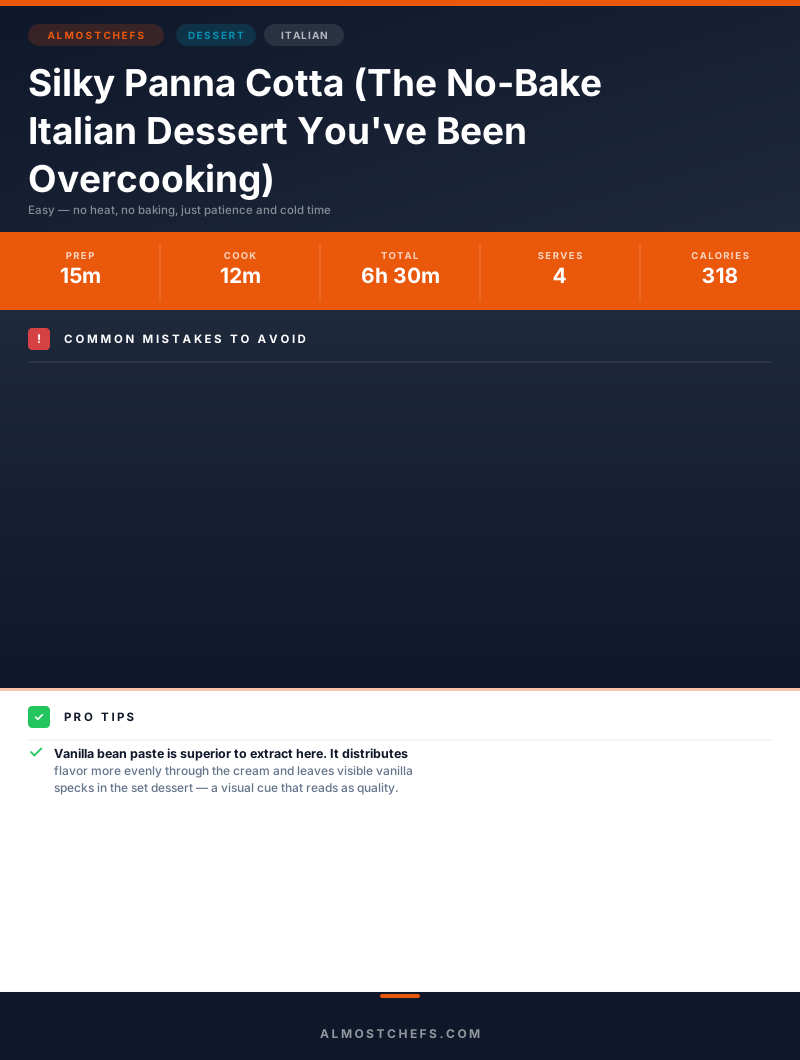
The Science of
Silky Panna Cotta (The No-Bake Italian Dessert You've Been Overcooking)
We turned everything on this page into a beautiful, flour-proof PDF cheat sheet. Print it out, stick it to your fridge, and never mess up your silky panna cotta (the no-bake italian dessert you've been overcooking) again.
*We'll email you the high-res PDF instantly. No spam, just perfectly cooked meals.
AlmostChefs Editorial Team
We translate the internet's most popular cooking videos into foolproof, beginner-friendly written recipes. We analyze multiple methods, test them in our kitchen, and engineer a single "Master Recipe" that gives you the best possible result with the least possible stress.