Copycat Panera Mac and Cheese (Better Than the Restaurant)
A creamy, multi-cheese baked mac and cheese that recreates Panera's signature sauce using sharp cheddar, gruyere, and a Greek yogurt trick that adds richness without the guilt. We reverse-engineered the texture and dialed in the cheese pull so you never need to leave the house for the original again.
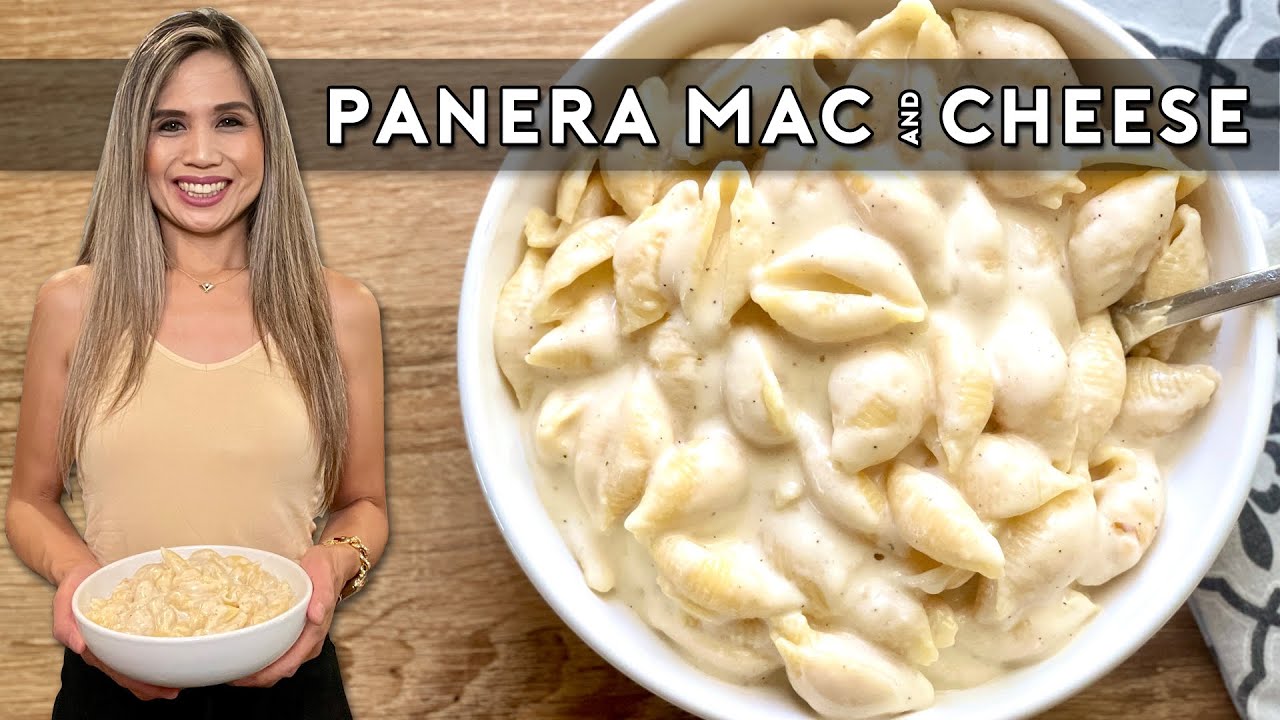
“Panera sells roughly 10 million bowls of mac and cheese per year. People pay restaurant prices for something that takes 40 minutes at home — and the homemade version is measurably better. The secret is a three-cheese blend with gruyere for depth, Greek yogurt whisked in off-heat for body, and a panko crust that shatters instead of sitting there looking sad. We built the method so the sauce never breaks and the pasta never goes gluey.”
Why This Recipe Works
Panera has spent years and significant food science resources perfecting a mac and cheese that tastes indulgent without being oppressive. The sauce is velvety without being gluey. The cheese flavor is sharp and complex without being one-note. The texture holds from the first scoop to the last. Most homemade mac and cheese fails on at least two of those three counts. This recipe does not.
The Roux Is the Foundation
Everything starts with a proper roux. Two tablespoons of butter, three of flour, cooked for a full minute until the raw flour smell disappears and something that approximates popcorn takes its place. This step is not optional and not decorative — undercooked flour produces a sauce that tastes like wallpaper paste no matter how much cheese you add.
The milk goes in gradually, whisked constantly. This is the emulsification phase: you're creating a suspension of fat in liquid that will hold the cheese together. Rush the milk addition and you get lumps. Whisk continuously and the sauce builds in body smoothly over 3-4 minutes until it coats the back of a spoon.
The Off-Heat Cheese Addition
This is the most important technique in the recipe. Once the milk sauce has thickened, the pan comes off the burner entirely before you add a single shred of cheese. The residual heat in the sauce — roughly 170°F — is more than sufficient to melt cheese. But actively boiling liquid at 212°F causes the proteins in cheese to seize, squeeze out their fat, and form a greasy, grainy mess that no amount of stirring will fix.
Off heat, the cheddar, gruyere, and parmesan melt into the sauce in under 60 seconds. The result is a glossy, smooth sauce with none of the broken texture that plagues most homemade versions. This is the difference between restaurant quality and something that tastes like it came out of a blue box.
The Gruyere Argument
Sharp cheddar is the backbone. But gruyere is what makes people ask what's in this. Where cheddar provides sharpness and familiarity, gruyere contributes a nutty, slightly sweet depth that rounds out the flavor and gives the sauce a complexity that single-cheese versions cannot replicate. It also melts exceptionally cleanly — no stringiness, no clumping, just smooth incorporation into the sauce.
Parmesan serves a supporting role: umami amplification. A quarter cup of grated parmesan doesn't make the dish taste Italian. It makes the cheddar taste more intensely of cheddar. That's the function of glutamate-rich ingredients in a recipe — they don't add their own flavor so much as amplify what's already there.
The Greek Yogurt Move
Greek yogurt replaces a portion of the cheese without reducing flavor. Off heat, after the cheese is fully melted, the yogurt whisks in smoothly and adds protein, body, and a background tang that mirrors Panera's signature flavor profile. It keeps the sauce from being one-dimensional — the sharpness of cheddar up front, the nutty complexity of gruyere in the middle, and a subtle acid note at the finish that keeps the richness from becoming heavy.
The yogurt also helps the sauce stay cohesive as it bakes. Cheese sauces have a tendency to break in the oven — the fat separates and pools. The protein in Greek yogurt acts as a stabilizer, holding the emulsion together through the 375°F bake.
The Breadcrumb Crust
The panko-butter-thyme topping is not garnish. It's a textural counterpoint to the creamy sauce below, and it fails when people rush it. Toast the panko in a dry pan before combining with butter if you want maximum crunch. Press the topping gently into the surface before baking so it makes direct contact with the sauce and bonds to it rather than floating on top.
A heavy-bottomed saucepan for the béchamel and a standard 9x13 baking dish are the only equipment that actually matter here. Everything else is optional. Get those two right and the technique does the rest.
Where Beginners Mess This Up
Before we start, read this. These are the 4 reasons your copycat panera mac and cheese (better than the restaurant) will fail:
- 1
Adding cheese to a hot roux while it's still on the burner: Cheese proteins seize and clump when introduced to a sauce that's actively boiling. Pull the pan off heat before you add a single shred. The residual heat is more than enough to melt the cheese — and it guarantees a smooth, lump-free sauce every time.
- 2
Overcooking the pasta before it goes in the oven: The pasta bakes in the sauce for 15-20 minutes after you cook it. If you boil it to fully done, it exits the oven as mush. Cook it to al dente — there should be a slight resistance in the center. It finishes in the oven.
- 3
Skipping the pasta water: Reserved pasta water is starchy, salty, and emulsified. It thins a tight cheese sauce without breaking it. Plain water splits the emulsion and makes the sauce greasy. Two tablespoons of pasta water does what a quarter cup of plain water cannot.
- 4
Using pre-shredded cheese: Bagged shredded cheese is coated in cellulose or potato starch to prevent clumping in the bag. That coating also prevents clean melting in your sauce. Buy blocks and shred them yourself. This step alone separates smooth, velvety sauce from grainy, broken sauce.
The Video Reference Library
Want to see it in action? Here are the exact videos we analyzed and combined to build this foolproof recipe translation:
The most-referenced recreation of Panera's sauce technique, covering the roux method, cheese blend ratios, and the Greek yogurt incorporation that gives the sauce its signature body.
🛠️ Core Equipment
- Medium heavy-bottomed saucepanA thin saucepan scorches the roux and creates uneven heat in the milk. Heavy-bottomed pans allow the roux to cook evenly and the milk to thicken without hot spots that seize the cheese.
- Box graterFor shredding block cheese directly into the sauce. Pre-shredded cheese has anti-caking coatings that prevent smooth melting. Fresh-grated cheese melts cleanly into the sauce in seconds.
- 9x13 inch baking dishThe right surface area ensures the breadcrumb topping covers evenly and the sauce bubbles at the edges without boiling over. Too small and you get thick, uneven layers. Individual ramekins work for single servings.
- WhiskNon-negotiable for a lump-free roux and smooth milk incorporation. A spoon cannot break down flour clumps before they cook into the sauce. A whisk can.
Copycat Panera Mac and Cheese (Better Than the Restaurant)
🛒 Ingredients
- ✦1 pound elbow pasta (or whole grain blend)
- ✦4 tablespoons unsalted butter
- ✦3 tablespoons all-purpose flour
- ✦2 cups whole milk
- ✦1 cup sharp cheddar cheese, shredded from block
- ✦1/2 cup gruyere cheese, shredded from block
- ✦1/4 cup parmesan cheese, grated
- ✦1/2 cup plain Greek yogurt
- ✦1 teaspoon Dijon mustard
- ✦1/2 teaspoon garlic powder
- ✦1/2 teaspoon onion powder
- ✦1/4 teaspoon cayenne pepper
- ✦1 teaspoon kosher salt
- ✦1/2 teaspoon black pepper
- ✦1/4 cup panko breadcrumbs
- ✦2 tablespoons unsalted butter, melted
- ✦1 tablespoon fresh thyme, chopped
- ✦2 tablespoons reserved pasta water
👨🍳 Instructions
01Step 1
Bring a large pot of heavily salted water to a boil. Cook the elbow pasta until al dente — about 1 minute less than the package directions. Drain, reserving 1/4 cup of pasta water.
02Step 2
Preheat the oven to 375°F. Butter a 9x13 inch baking dish and set aside.
03Step 3
In a medium heavy-bottomed saucepan, melt 4 tablespoons butter over medium heat. Whisk in the flour and cook for 1-2 minutes, stirring constantly, until the roux is pale golden and smells slightly nutty.
04Step 4
Gradually pour in the milk while whisking continuously. Cook over medium heat for 3-4 minutes, whisking frequently, until the sauce thickens enough to coat the back of a spoon.
05Step 5
Remove the saucepan from heat completely. Add the shredded cheddar, gruyere, and parmesan. Stir until fully melted and smooth.
06Step 6
Whisk in the Greek yogurt, Dijon mustard, garlic powder, onion powder, cayenne, salt, and black pepper until fully incorporated and smooth.
07Step 7
Add the cooked pasta to the cheese sauce. Stir gently until every piece is coated. If the sauce is too thick, add reserved pasta water one tablespoon at a time.
08Step 8
Transfer the mac and cheese to the prepared baking dish and spread into an even layer.
09Step 9
In a small bowl, combine the panko breadcrumbs, 2 tablespoons melted butter, and fresh thyme. Sprinkle evenly over the top.
10Step 10
Bake for 15-20 minutes until the topping is deep golden brown and the edges are visibly bubbling.
11Step 11
Remove from the oven and let rest for 2-3 minutes before serving. The sauce tightens slightly as it cools and scoops cleanly.
Nutrition Per Serving
Estimates based on standard preparation. Adjustments alter macros.
🔄 Substitutions
Instead of Whole milk...
Use 1.5 cups whole milk + 0.5 cup unsweetened almond milk
Slightly lighter texture but maintains creaminess. Reduces calories by roughly 80 per serving without any noticeable flavor change.
Instead of All-purpose flour roux...
Use Cornstarch slurry (1 tablespoon cornstarch mixed with 2 tablespoons cold milk)
Gluten-free alternative with identical thickening effect. Produces a slightly glossier sauce. Add it to the warm milk and whisk over heat until thickened.
Instead of Greek yogurt...
Use Cashew cream (3/4 cup raw cashews blended with 1/4 cup water)
Dairy-free alternative that provides similar body and richness. Soak the cashews for two hours before blending for a smoother result.
Instead of Elbow pasta...
Use Whole wheat or chickpea pasta
Slightly nuttier flavor and firmer texture. Chickpea pasta adds significant protein and fiber. Cook both varieties slightly less than the package suggests — they firm up less than white pasta during the bake.
🧊 Storage & Reheating
In the Fridge
Store in an airtight container for up to 4 days. The sauce thickens considerably as it chills — this is normal.
In the Freezer
Freeze in portions for up to 2 months. Freeze before baking if possible — the texture holds better than freezing after the breadcrumb topping goes on.
Reheating Rules
Add a splash of milk and reheat gently on the stovetop over low heat, stirring frequently. Microwave reheating makes the pasta gummy and the sauce oily. Stovetop is the only correct method.
❓ Frequently Asked Questions
Why does my cheese sauce turn grainy?
Two causes. First: you added cheese while the sauce was still actively boiling. Pull the pan off heat before adding cheese — residual heat melts it without seizing the proteins. Second: you used pre-shredded cheese, which has anti-caking coatings that prevent clean melting. Use block cheese and grate it yourself.
Can I make this without baking it?
Yes. Skip the breadcrumb topping and serve directly from the stovetop after combining the pasta and sauce. The texture is creamier and looser than the baked version. Add an extra tablespoon of pasta water if it tightens too quickly.
Why add Greek yogurt instead of more cheese?
More cheese increases fat and makes the sauce heavier without adding complexity. Greek yogurt adds body, a subtle tang that mirrors Panera's signature flavor, and enough protein to make the dish more filling. It also helps the sauce stay emulsified as it cools.
What does the Dijon mustard do?
Mustard contains compounds that act as emulsifiers, helping keep the cheese sauce smooth and cohesive. It also amplifies the sharpness of the cheddar without making the dish taste like mustard. You will not taste it — you will taste the absence of it if you leave it out.
How do I get a crunchier breadcrumb topping?
Toast the panko in a dry skillet for 2-3 minutes before adding the butter and thyme. Pre-toasted panko goes into the oven already golden, so the bake deepens the color rather than starting from raw. This is the difference between a crust and a coating.
Can I add vegetables to this?
Broccoli florets (blanched and patted dry), frozen peas (thawed), or sautéed mushrooms all work well. Add them directly to the pasta-sauce mixture before transferring to the baking dish. Avoid vegetables with high water content like zucchini — they release liquid during the bake and thin the sauce.
The Science of
Copycat Panera Mac and Cheese (Better Than the Restaurant)
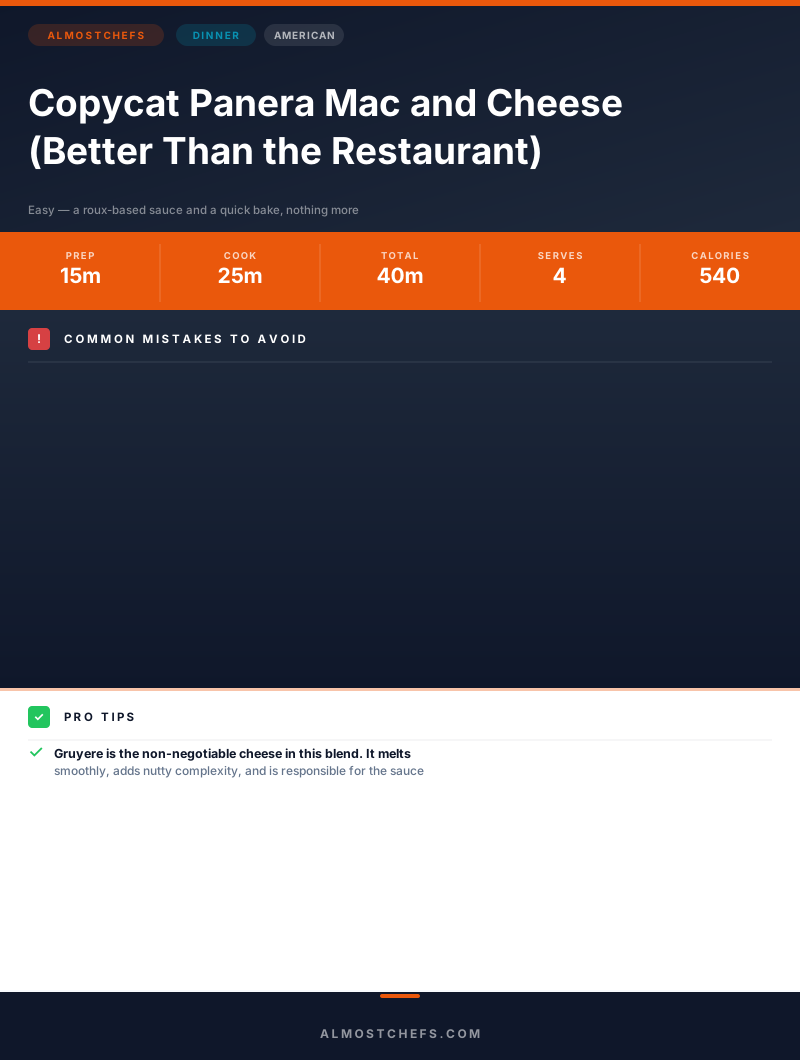
We turned everything on this page into a beautiful, flour-proof PDF cheat sheet. Print it out, stick it to your fridge, and never mess up your copycat panera mac and cheese (better than the restaurant) again.
*We'll email you the high-res PDF instantly. No spam, just perfectly cooked meals.
AlmostChefs Editorial Team
We translate the internet's most popular cooking videos into foolproof, beginner-friendly written recipes. We analyze multiple methods, test them in our kitchen, and engineer a single "Master Recipe" that gives you the best possible result with the least possible stress.