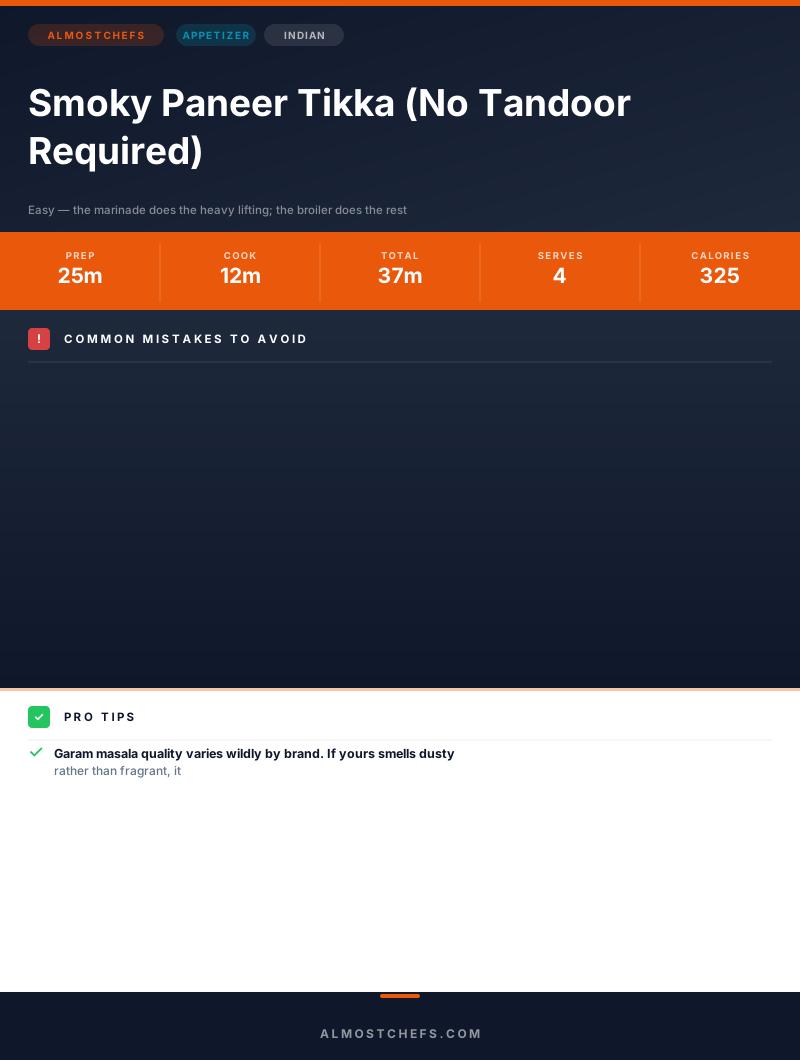
Smoky Paneer Tikka (No Tandoor Required)
Cubes of paneer marinated in spiced Greek yogurt, threaded onto skewers with peppers and onions, and broiled until charred at the edges. We broke down the marinade chemistry and broiler technique to deliver restaurant-quality tikka from a standard oven in under 40 minutes.

“Most homemade paneer tikka fails for one of two reasons: the marinade is thin and slides off, or the paneer goes into the oven cold and steams instead of charring. Neither is a recipe problem. Both are technique problems. Fix those two things and you don't need a tandoor, a clay oven, or any equipment you don't already own.”
Why This Recipe Works
Paneer tikka exists because Indian cooks centuries ago understood a principle that modern food science later confirmed: dairy fat carries spice compounds in a way that water cannot. The yogurt marinade isn't just tenderizing — it's acting as a delivery vehicle, suspending fat-soluble flavor compounds from garam masala, cumin, and coriander directly against the paneer surface where they'll stay during cooking.
The Marinade Is Not Optional
This is where most weeknight shortcuts fail. Paneer is dense and relatively neutral — it needs external flavor investment because it generates almost none of its own. The Greek yogurt marinade does three things simultaneously: the lactic acid slightly softens the outer layer of the paneer, the fat carries the spice compounds into that softened layer, and the protein coating protects the surface from drying out under broiler heat.
Skip to 30 minutes of marinating and you get spiced yogurt sitting on top of paneer. Give it 4 hours and the spices are in the paneer. That distinction is the difference between a dish that tastes assembled and one that tastes cooked.
The spice balance here is intentional. Garam masala provides the warm aromatic base — cardamom, clove, cinnamon working at the back of the palate. Cumin and coriander add earthiness and brightness respectively. Cayenne controls heat. Turmeric contributes color and mild bitterness that prevents the dish from reading as sweet. Change any single ratio significantly and the whole thing shifts character.
The Broiler Is a Tandoor Substitute, Not an Inferior Option
A commercial tandoor operates at 900°F. Your oven broiler reaches 500-550°F. That gap sounds significant, but the physics of contact cooking close it considerably. The key variable is distance and time — at 6 inches from the element, your paneer experiences intense enough radiant heat to trigger genuine Maillard browning within 8-10 minutes. That's the same chemical reaction that happens in a tandoor, just slightly slower.
The failure mode is backing the rack away to 8 or 10 inches "to be safe." At that distance, you're baking, not broiling. The paneer heats gradually from the inside out instead of aggressively from the outside in. You lose the charred exterior — the thing that makes tikka, tikka — and get dried-out cubes instead.
A heavy-duty baking sheet matters here more than most people expect. A thin pan warps under broiler heat, tilting skewers and creating hot spots. A heavy rimmed pan stays flat and ensures every skewer is the same distance from the element throughout the cook.
Why the Vegetables Belong on the Skewer
Bell peppers, red onion, and mushrooms aren't garnish — they're structural. Their higher water content moderates the cooking rate of the paneer between them, preventing the outer cubes from over-charring before the center heats through. The vegetables also release small amounts of steam during broiling that keep the immediate environment around each paneer cube slightly humid, preventing the exterior from desiccating.
The mushrooms in particular do something useful: they contribute glutamates (the same compounds responsible for umami in aged cheese and soy sauce) that amplify the savory depth of the marinade. This is a free flavor upgrade that requires no additional effort.
The Serving Window Is Short
Paneer firms dramatically as it cools. Unlike chicken, which stays relatively pliable as it rests, paneer's protein structure tightens with each degree of temperature drop. The window between "perfect" and "rubbery" is about 10 minutes. Serve immediately, with lime wedges — the acidity brightens everything and cuts the richness of the charred yogurt coating in a way that makes the second bite as interesting as the first.
Where Beginners Mess This Up
Before we start, read this. These are the 4 reasons your smoky paneer tikka (no tandoor required) will fail:
- 1
Marinating cold paneer straight from the fridge: Cold paneer repels the marinade — the surface contracts and the yogurt beads up instead of penetrating. Let the paneer come to room temperature for 15 minutes before tossing it in the marinade. The difference in coating adhesion is significant.
- 2
Under-marinating: Twenty minutes at room temperature is the floor, not the target. The yogurt's lactic acid needs time to work into the surface of the paneer. Four hours in the fridge delivers a measurably more flavorful, tender cube. If you're making this for dinner, start the marinade at lunch.
- 3
Broiling from too far away: If your rack is more than 6 inches from the broiler element, you get gradual baking instead of intense charring. The paneer dries out before the surface has any color. Six inches is the maximum distance — closer is better for char.
- 4
Overcrowding the skewers: Paneer pieces touching each other create steam pockets. Steam softens, it doesn't char. Leave a small gap between each piece of paneer and vegetable so heat can circulate and the broiler can do its job.
The Video Reference Library
Want to see it in action? Here are the exact videos we analyzed and combined to build this foolproof recipe translation:
The source video for this technique. Clear walkthrough of the marinade consistency, skewer assembly, and exactly what the char marks should look like at the end of broiling.
🛠️ Core Equipment
- Metal skewersWooden skewers require soaking and still sometimes burn at the tips. Metal conducts heat and helps cook the center of each piece from the inside out. Flat metal skewers also prevent ingredients from spinning when you rotate.
- Heavy-duty baking sheetA thin, lightweight pan warps under broiler heat and causes uneven cooking. A heavy rimmed sheet pan stays flat and distributes heat evenly across all the skewers simultaneously.
- Oven-safe wire rackElevating the skewers off the pan surface allows heat to circulate underneath, preventing the vegetables from getting soggy on the bottom while the top chars. Not mandatory, but noticeably improves results.
- Large mixing bowlThe marinade needs room to coat every surface of every paneer cube without crowding. A cramped bowl means uneven coating — some pieces get too much, some get too little.
Smoky Paneer Tikka (No Tandoor Required)
🛒 Ingredients
- ✦1.5 pounds paneer cheese, cut into 1-inch cubes
- ✦1 cup plain Greek yogurt
- ✦3 tablespoons fresh lemon juice
- ✦2 tablespoons ginger-garlic paste
- ✦2 teaspoons garam masala
- ✦1 teaspoon ground cumin
- ✦1 teaspoon ground coriander
- ✦1/2 teaspoon cayenne pepper
- ✦1/2 teaspoon turmeric powder
- ✦1 teaspoon kosher salt
- ✦1/4 teaspoon black pepper
- ✦1 medium red onion, cut into 1-inch pieces
- ✦2 medium bell peppers (red and yellow), cut into 1-inch pieces
- ✦8 ounces button mushrooms, halved
- ✦3 tablespoons olive oil
- ✦2 green chiles, minced (optional)
- ✦Fresh cilantro leaves for garnish
- ✦1 lime, cut into wedges
👨🍳 Instructions
01Step 1
Combine Greek yogurt, lemon juice, ginger-garlic paste, garam masala, cumin, coriander, cayenne, turmeric, salt, pepper, and minced green chiles in a large mixing bowl. Whisk until smooth.
02Step 2
Add the paneer cubes to the marinade and gently fold until every surface is coated. Let rest for at least 20 minutes at room temperature, or refrigerate for up to 4 hours.
03Step 3
Position the oven rack 6 inches from the broiler element. Preheat the broiler to high heat for at least 5 minutes.
04Step 4
Thread the marinated paneer onto metal skewers, alternating with red onion, bell pepper, and mushroom pieces. Leave a small gap between each piece.
05Step 5
Arrange the skewers on a heavy baking sheet (with a wire rack inside if you have one). Drizzle lightly with olive oil.
06Step 6
Broil for 8-10 minutes, rotating the pan 180 degrees halfway through, until the paneer has distinct golden-brown char marks and the vegetables are tender at the edges.
07Step 7
Transfer to a serving platter. Garnish generously with fresh cilantro leaves and serve immediately with lime wedges.
Nutrition Per Serving
Estimates based on standard preparation. Adjustments alter macros.
🔄 Substitutions
Instead of Paneer cheese...
Use Extra-firm tofu, pressed and cubed
Press the tofu for at least 30 minutes to remove moisture before marinating. Tofu absorbs marinade more aggressively than paneer — 4 hours in the fridge will produce a deeply flavored result. Texture is lighter and less creamy.
Instead of Plain Greek yogurt...
Use Cashew cream (soaked cashews blended with water)
Soak 1 cup of raw cashews for 4 hours, drain, then blend with 1/3 cup water until completely smooth. Creates a dairy-free, vegan-friendly marinade with a slightly nuttier flavor. Coating adhesion is comparable to yogurt.
Instead of Ginger-garlic paste...
Use Fresh ginger and garlic minced together (1:1 ratio)
About 1 tablespoon each of fresh minced ginger and garlic. Brighter, more vibrant spice notes than the paste. Adds slight texture to the marinade. No preservatives.
Instead of Broiling method...
Use Outdoor grill over medium-high direct heat
6-8 minutes per side on a preheated grill grate. This is the closest approximation to an actual tandoor. Real charcoal smoke adds complexity that no broiler can replicate. If using a gas grill, add a foil packet of soaked wood chips for smokiness.
🧊 Storage & Reheating
In the Fridge
Store cooked paneer tikka in an airtight container for up to 3 days. The spices intensify overnight — the leftovers are often better than the original.
In the Freezer
Freeze cooked tikka in a single layer on a sheet pan, then transfer to a freezer bag for up to 1 month. Thaw overnight in the fridge before reheating.
Reheating Rules
Reheat under the broiler for 3-4 minutes or in a dry skillet over medium-high heat. The microwave works in a pinch but softens the exterior. The broiler restores most of the original char.
❓ Frequently Asked Questions
Why is my paneer tikka rubbery instead of tender?
Two causes. First, the paneer may have over-broiled — it continues to firm up after pulling from the oven, so pull it slightly before it looks fully done. Second, if you used fresh homemade paneer, it tends to be softer and more prone to overcooking than store-bought. Reduce broil time by 2 minutes and watch closely.
Can I make paneer tikka without skewers?
Yes. Spread the marinated paneer and vegetables in a single layer on a wire rack over a sheet pan and broil the same way. You lose some of the visual presentation but the flavor is identical. Flip pieces halfway through with tongs.
My marinade is sliding off the paneer. What went wrong?
Either the paneer was too cold when you added it, the yogurt is too thin, or you didn't let it rest long enough. Cold paneer contracts and repels moisture. Let it reach room temperature first. If the yogurt is thin, strain it through cheesecloth for 30 minutes to thicken it before mixing the marinade.
Is paneer tikka the same as chicken tikka?
Same marinade technique and cooking method — the paneer is a direct vegetarian substitute for the chicken. Paneer tikka actually benefits from this swap because its firm, dense texture responds better to high-heat char than chicken breast, which can dry out quickly.
Can I prep this the night before?
Yes, and you should. Marinate the paneer and vegetables overnight (separately — vegetables overnight can get soggy), skewer the morning of, and broil when ready to serve. The flavor difference between a 20-minute marinade and an overnight one is substantial.
What do I serve with paneer tikka?
Mint chutney is the traditional accompaniment — it cuts through the richness of the charred yogurt coating. A simple raita (yogurt with cucumber, cumin, and salt) works equally well. For a full meal, serve alongside jeera rice or naan with a dal.
The Science of
Smoky Paneer Tikka (No Tandoor Required)
We turned everything on this page into a beautiful, flour-proof PDF cheat sheet. Print it out, stick it to your fridge, and never mess up your smoky paneer tikka (no tandoor required) again.
*We'll email you the high-res PDF instantly. No spam, just perfectly cooked meals.
AlmostChefs Editorial Team
We translate the internet's most popular cooking videos into foolproof, beginner-friendly written recipes. We analyze multiple methods, test them in our kitchen, and engineer a single "Master Recipe" that gives you the best possible result with the least possible stress.