Copycat Panda Express Teriyaki Chicken (Better Than the Original)
Tender bite-sized chicken breast in a glossy, sweet-savory teriyaki glaze — built at home in under 30 minutes with less sodium and no mystery ingredients. We reverse-engineered the Panda Express signature to give you the same addictive result with better nutritional balance.

“Panda Express teriyaki chicken has a cult following for a reason: it is glossy, sweet, savory, and inexplicably satisfying. The problem is 920mg of sodium per serving and a sauce built on corn syrup. This version reconstructs the exact flavor profile — the glaze, the char, the umami hit — using tamari, honey, and a properly executed cornstarch slurry. You will not miss the original. You will wonder why you ever drove there.”
Why This Recipe Works
Panda Express teriyaki chicken is not complicated food. It is chicken, a glaze, and a bed of rice. The reason people keep driving through that orange and red building instead of making it at home is not that the recipe is difficult — it is that every home version they have tried came out wrong. Pale chicken. Thin sauce. No char. Flavor that tastes like teriyaki-flavored water instead of actual teriyaki.
The failure is almost always technical, not ingredient-based.
The Sear Is the Dish
Teriyaki chicken lives or dies on the initial sear. The glossy glaze gets all the attention, but the char underneath it is what creates the contrast that makes each bite interesting. Sweet, savory sauce over caramelized, slightly crisp chicken — that is the texture equation. Without the sear, you have chicken in sauce. With it, you have teriyaki chicken.
Getting the sear requires two things that most home cooks skip. First, a properly hot pan. The oil should shimmer and nearly smoke before the first piece of chicken goes in. Second, you cannot crowd the pan. Every piece of chicken in contact with air instead of pan surface is generating steam that drops the temperature for everything around it. Steam does not sear. Steam boils. Work in batches, let each piece sit undisturbed for 90 seconds before stirring, and you get a golden crust. Rush it, and you get gray mush.
The cornstarch dredge is the structural support for that crust. It creates a thin, crisp barrier between the meat and the sauce — one that holds its texture through the glaze step instead of collapsing into mush. It also gives the sauce something to cling to. No dredge and the glaze slides right off.
The Glaze Is Chemistry
Teriyaki sauce is a ratio problem. The balance between salty (tamari), sweet (honey), acidic (rice vinegar), aromatic (sesame oil, garlic, ginger), and savory (chicken broth) has to be right or the entire thing tastes one-dimensional. The original Panda Express formula leans heavily on sugar and sodium to create the sensation of complexity — it is not actually complex, it is just loud.
This version gets actual complexity by blooming the garlic and ginger in hot oil before the sauce goes in. Thirty seconds in a heavy skillet at high heat converts the raw, sharp compounds in fresh ginger and garlic into something rounder and more aromatic. It is the same principle as toasting whole spices — the fat carries the volatile compounds into the sauce in a way that water alone cannot.
The cornstarch slurry goes in last, after the chicken is back in the pan and coated with sauce. This sequence matters. The slurry needs hot liquid and constant motion to hydrate properly. Add it to cold sauce and it clumps. Add it before the chicken and you cook out the thickening power before it can do its job. Stir constantly for 90 seconds after adding, pull from heat the moment the sauce turns glossy and coats the back of a spoon, and you have the exact glaze that makes this dish work.
The Sodium Math
The original Panda Express teriyaki chicken contains 920mg of sodium per serving — roughly 40% of the daily recommended limit in a single dish. The swap from regular soy sauce to low-sodium tamari alone drops that number to approximately 520mg, a 43% reduction, with no perceptible flavor loss. Tamari is brewed differently from standard soy sauce, producing a slightly richer, less sharp umami base that actually improves the glaze.
Honey replacing corn syrup does two things: it drops the glycemic load and adds trace complexity that corn syrup does not have. The caramelization behavior is similar at high heat. The flavor is not. One-dimensional sweetness from refined sugar versus the layered floral notes of raw honey — the glaze built on honey has a finish that lingers. The one built on corn syrup does not.
This is what restaurant copycat cooking is supposed to be. Not a compromise that vaguely resembles the original. A version that understands why the original works and rebuilds it with better materials.
Where Beginners Mess This Up
Before we start, read this. These are the 4 reasons your copycat panda express teriyaki chicken (better than the original) will fail:
- 1
Crowding the pan: If you dump all the chicken in at once, the pan temperature drops immediately and the chicken steams instead of sears. You lose the light char that is foundational to the teriyaki flavor. Work in two batches minimum. Hot oil, uncrowded pan, golden crust.
- 2
Adding the slurry too early: The cornstarch slurry should go in last, after the chicken is back in the pan and fully coated with sauce. Adding it to the raw sauce creates lumps and uneven thickening. Stir constantly and pull it off heat the moment the sauce turns glossy.
- 3
Skipping the ginger-garlic bloom: Thirty seconds in hot oil transforms raw garlic and ginger from sharp and pungent into sweet and aromatic. Skip this step and your sauce tastes flat, like a bottled teriyaki with none of the depth. Thirty seconds. It matters.
- 4
Underseasoning the dredge: The cornstarch coating on the chicken is your only chance to season the meat itself. The sauce flavors the outside. If the dredge is bland, the interior of every piece will taste like nothing no matter how good your glaze is.
The Video Reference Library
Want to see it in action? Here are the exact videos we analyzed and combined to build this foolproof recipe translation:
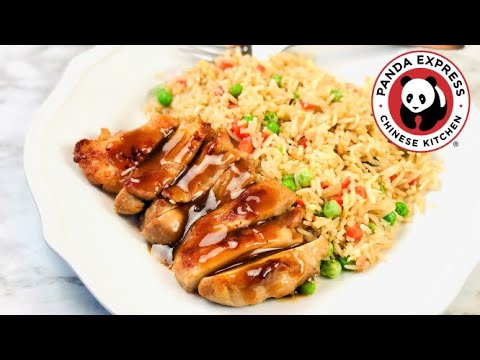
The primary reference video for this recipe — covers the searing technique, glaze consistency, and plating approach.
2. How to Make Teriyaki Sauce from Scratch
A deep dive into the sauce ratios and cornstarch slurry technique for achieving a restaurant-quality glaze at home.
3. Wok vs. Skillet for Stir FryExplains the heat dynamics that make high-heat Asian cooking work and why pan choice determines texture.
🛠️ Core Equipment
- Large skillet or wok ↗You need surface area and high heat retention for proper searing. A crowded, thin pan produces steamed gray chicken. A wide, heavy skillet — or a seasoned wok — gives you the Maillard reaction that makes this dish.
- Tongs or a spider strainer ↗For transferring the chicken in batches without losing the cornstarch crust. Forks pierce the meat and release the juices you spent time building.
- Small bowl for the slurry ↗Pre-mix your cornstarch and water before the sauce comes together. Once the garlic hits the pan, everything moves fast. Having the slurry ready is the difference between a glossy glaze and a broken sauce.
Copycat Panda Express Teriyaki Chicken (Better Than the Original)
🛒 Ingredients
- ✦1.5 pounds boneless, skinless chicken breasts, cut into 1 to 1.5-inch pieces
- ✦3 tablespoons cornstarch
- ✦1 teaspoon salt
- ✦1/2 teaspoon black pepper
- ✦2 tablespoons vegetable oil
- ✦4 cloves garlic, minced
- ✦1 tablespoon fresh ginger, minced
- ✦1/2 cup low-sodium tamari or soy sauce
- ✦1/4 cup honey or pure maple syrup
- ✦2 tablespoons rice vinegar
- ✦1 tablespoon sesame oil
- ✦1/2 teaspoon red pepper flakes
- ✦1/2 cup chicken broth
- ✦1 teaspoon cornstarch mixed with 2 tablespoons water (slurry)
- ✦2 green onions, sliced
- ✦1 tablespoon sesame seeds
- ✦2 cups cooked brown rice or cauliflower rice, for serving
👨🍳 Instructions
01Step 1
Cut the chicken breasts into bite-sized pieces approximately 1 to 1.5 inches in size, ensuring even thickness throughout.
02Step 2
In a shallow bowl, combine the cornstarch, salt, and black pepper. Toss the chicken pieces until evenly coated.
03Step 3
Heat the vegetable oil in a large skillet or wok over medium-high heat until shimmering and nearly smoking.
04Step 4
Working in batches, add the chicken to the hot oil and cook for 4 to 5 minutes, stirring frequently, until golden brown and cooked through. Transfer to a plate.
05Step 5
In the same skillet, add the minced garlic and ginger. Stir constantly for 30 seconds until fragrant.
06Step 6
Pour in the tamari, honey, rice vinegar, sesame oil, and red pepper flakes. Stir to combine.
07Step 7
Add the chicken broth and bring the sauce to a gentle simmer over medium heat.
08Step 8
Return the cooked chicken to the skillet and stir gently to coat every piece in the sauce.
09Step 9
Pour in the cornstarch slurry while stirring constantly. Cook for 1 to 2 minutes until the sauce thickens and turns glossy.
10Step 10
Remove from heat and stir in most of the green onions, reserving a pinch for garnish.
11Step 11
Serve immediately over brown rice or cauliflower rice. Garnish with remaining green onions and sesame seeds. Add a small drizzle of sesame oil before serving for extra depth.
Nutrition Per Serving
Estimates based on standard preparation. Adjustments alter macros.
🔄 Substitutions
Instead of Regular soy sauce...
Use Low-sodium tamari or coconut aminos
Reduces sodium by up to 40%. Tamari is the closest flavor match — slightly less salty with a richer, more complex umami base. Coconut aminos are milder and slightly sweeter; reduce the honey by a teaspoon to compensate.
Instead of Honey or maple syrup...
Use Brown sugar dissolved in warm water (1:1 ratio)
Produces a more one-dimensional sweetness without the trace mineral complexity of honey. Works in a pinch but the glaze will be thinner — add an extra half-teaspoon of cornstarch to the slurry.
Instead of Chicken breast...
Use Boneless, skinless chicken thighs
Richer flavor, more forgiving cook time, better glaze absorption. The original Panda Express recipe uses breast for its lean, uniform texture, but thighs produce a more satisfying result at home.
Instead of Vegetable oil...
Use Avocado oil or coconut oil
Avocado oil has a higher smoke point and is neutral in flavor — a direct swap. Coconut oil adds a subtle sweetness that complements the teriyaki but may be noticeable. Both handle high heat better than vegetable oil.
🧊 Storage & Reheating
In the Fridge
Store in an airtight container for up to 3 days. The glaze will thicken considerably when cold — this is normal.
In the Freezer
Freeze in individual portions for up to 2 months. Freeze without the rice for best texture. Thaw overnight in the refrigerator.
Reheating Rules
Add a tablespoon of water or chicken broth to the container, cover tightly, and reheat on low in a skillet for 2-3 minutes. The liquid reactivates the glaze. Avoid the microwave — it toughens the chicken and makes the sauce gluey.
❓ Frequently Asked Questions
Why is my teriyaki sauce not glossy?
Two possible causes. First, you may not have reduced the sauce enough before adding the slurry — a diluted sauce produces a thin, matte coating. Second, the slurry ratio may be off. One teaspoon of cornstarch to two tablespoons of water is the minimum for this volume of sauce. If the glaze still looks thin, mix a second half-teaspoon slurry and stir it in over medium heat for another 30 seconds.
Can I use chicken thighs instead of breasts?
Yes, and you probably should. Thighs are more forgiving under high heat, stay juicier, and absorb the teriyaki glaze more deeply than breast meat. Cut them to the same 1 to 1.5-inch size and follow the same cook time — the slight increase in fat content means they will brown slightly faster, so watch the first batch.
How do I get the light char that Panda Express has?
Two things: very high heat and an uncrowded pan. The light char comes from direct contact between dry chicken surface and extremely hot oil. If your pan is crowded, the chicken releases moisture, the temperature drops, and you get steam instead of sear. Work in batches and resist the urge to stir constantly — let each piece make contact with the pan for at least 90 seconds before moving it.
Is this recipe actually lower in sodium than Panda Express?
Yes. The original Panda Express teriyaki chicken contains approximately 920mg of sodium per serving. This version comes in at 520mg — a 43% reduction — by using low-sodium tamari and eliminating the high-sodium commercial sauce base. If you use coconut aminos instead of tamari, you can bring it down further to approximately 380mg.
Can I make the sauce ahead of time?
Yes. Combine the tamari, honey, rice vinegar, sesame oil, red pepper flakes, and broth and refrigerate for up to a week. Hold the cornstarch slurry until you are ready to cook — pre-mixing it with the sauce causes it to settle and thicken inconsistently.
What rice works best?
Brown rice for nutritional density and a nuttier flavor that holds up against the strong glaze. Cauliflower rice for a low-carb option that absorbs the sauce well without adding starch. White jasmine rice if you want the closest approximation to the Panda Express original. All three work — the choice depends on your goals.
The Science of
Copycat Panda Express Teriyaki Chicken (Better Than the Original)
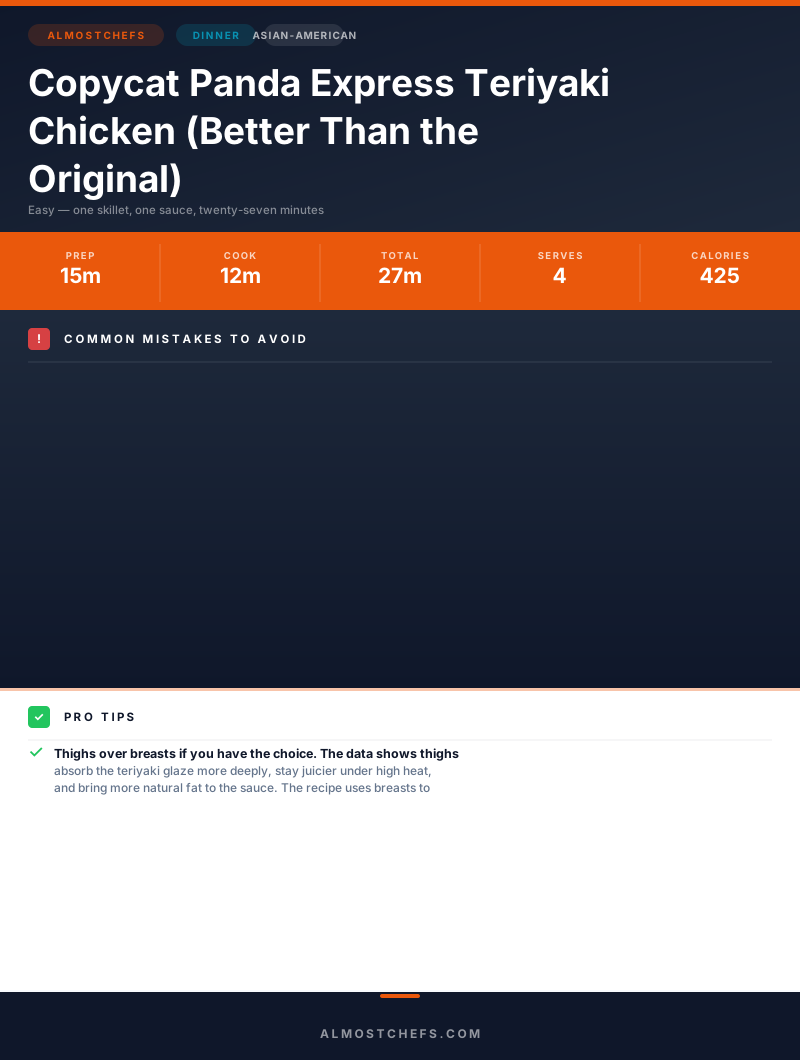
We turned everything on this page into a beautiful, flour-proof PDF cheat sheet. Print it out, stick it to your fridge, and never mess up your copycat panda express teriyaki chicken (better than the original) again.
*We'll email you the high-res PDF instantly. No spam, just perfectly cooked meals.
AlmostChefs Editorial Team
We translate the internet's most popular cooking videos into foolproof, beginner-friendly written recipes. We analyze multiple methods, test them in our kitchen, and engineer a single "Master Recipe" that gives you the best possible result with the least possible stress.