Better-Than-Panda Kung Pao Chicken (30-Minute Copycat)
A homemade copycat of Panda Express's Kung Pao Chicken with tender chicken thighs, roasted peanuts, dried chilies, and a glossy savory-sweet-tangy sauce. We reverse-engineered the original to give you more flavor, less sodium, and full control over the heat — in about 30 minutes.
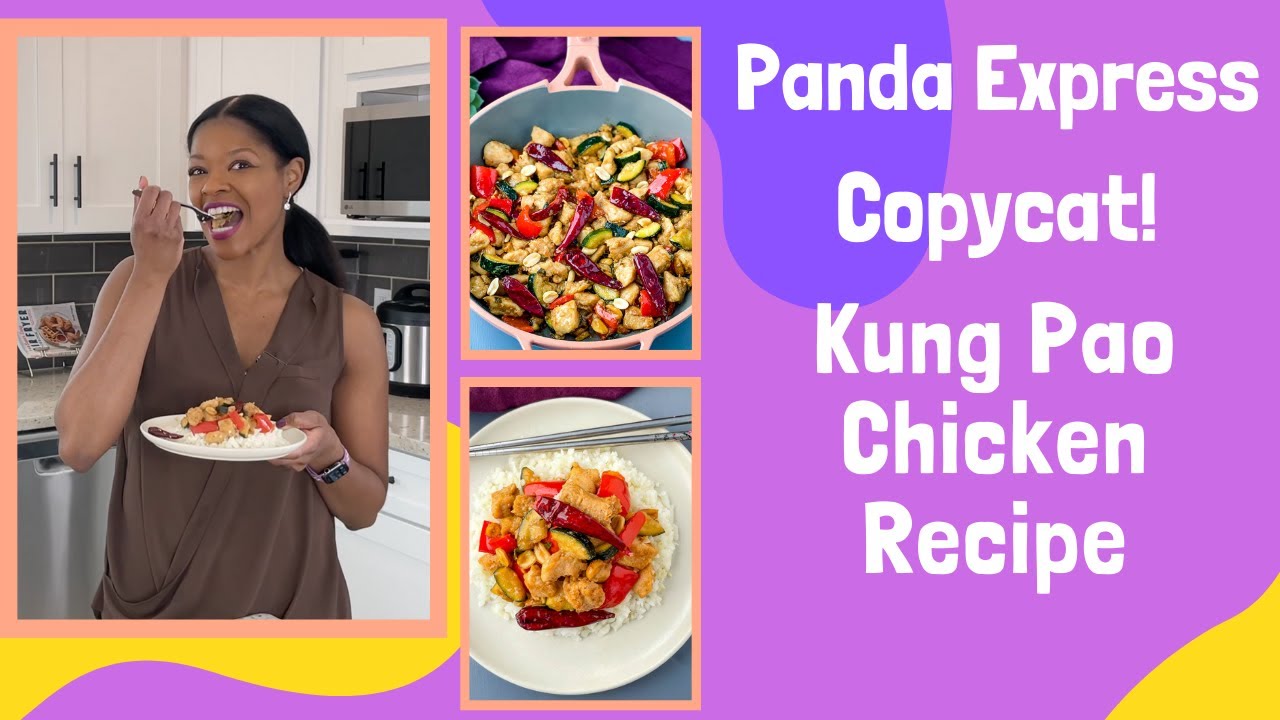
“Panda Express Kung Pao Chicken is one of the most ordered fast-food items in the United States. It's also one of the easiest dishes to make better at home. The restaurant version leans on sodium and oil to carry the flavor. This version uses chicken thighs instead of breast, builds the sauce from scratch, and lets the toasted chilies and roasted peanuts do the actual work. The result is glossier, more complex, and significantly less salty — and it takes less time than the drive-through line.”
Why This Recipe Works
Panda Express serves roughly 100 million customers a year. Their Kung Pao Chicken is consistently one of the top three ordered items. It is, objectively, a well-engineered fast food product — predictable, craveable, and deliberately calibrated for maximum repeat ordering. The formula is: high sodium, high sugar, enough heat to feel exciting but not enough to alienate, and a glossy sauce that photographs beautifully under orange restaurant lighting.
This recipe doesn't try to replicate that formula. It tries to do what the formula is gesturing toward.
The Chicken Problem
The original uses breast meat processed through a velveting technique — coating in egg white and cornstarch before par-cooking in oil or water — which creates the silky exterior that makes Panda's chicken slide against your teeth instead of squeaking. It's a legitimate technique. It's also a technique that home cooks reliably skip, which is why copycat recipes using breast meat so often produce dry, rubbery results.
Chicken thighs solve this without the extra step. Thighs contain intramuscular fat and collagen that renders during high-heat cooking, keeping the meat moist even when the exterior is searing at 400°F+. The texture is different from velveted breast — less silky, more toothsome — but it's genuinely better for a home stir-fry environment where the wok isn't as hot as a commercial range and the cooking time is inevitably longer.
Cut the thighs into 3/4-inch cubes. Uniform size means uniform cooking. Too large and the center stays raw while the outside burns. Too small and they overcook before the exterior colors.
The Sauce Architecture
Kung pao sauce lives in the intersection of four flavor vectors: salty (soy), sour (rice vinegar), sweet (honey), and savory-funky (hoisin). Each one is load-bearing. Pull the vinegar and the dish goes flat and sweet. Pull the hoisin and it loses the dark, fermented depth that makes it taste like a restaurant made it. The ratio in this recipe is calibrated so that no single flavor dominates — you should taste all four simultaneously, with the sweet and sour slightly forward.
The cornstarch slurry is the structural element that holds the architecture together. As the sauce heats, the starch granules absorb water and swell, creating a glossy, clingy gel that coats every surface of the chicken and peanuts. The key is integrating the cornstarch into the sauce before cooking rather than adding it to the hot wok — a cold slurry mixed directly into a 500°F pan clumps immediately and you spend the next three minutes breaking up starch lumps while the garlic burns.
Build the sauce. Mix the slurry into the sauce. Walk to the stove ready.
The Peanut and Chili Logic
The dried red chilies in kung pao are not there for raw heat — they're there for fat-soluble flavor compounds that bloom when you toast them in hot oil. The capsaicin and other volatile aromatics in dried chilies are lipophilic, meaning they dissolve in fat and distribute throughout the dish rather than staying localized in the chili itself. This is why kung pao has that ambient, pervasive warmth rather than discrete hot spots: the oil carries the heat everywhere.
Toast them until they just darken — about 60 seconds of constant motion in a hot wok. The moment they start to smell smoky rather than spicy, they're done. Burnt dried chilies taste acrid and bitter in a way that no amount of sauce adjustment can fix.
The peanuts go in last for the same reason you don't add croutons to hot soup: they exist to provide texture contrast, and every second they spend in a hot, liquid environment is a second of crunch they're losing. Add them, toss twice, pull the pan off the heat.
Why This Beats the Drive-Through
Panda Express Kung Pao Chicken contains approximately 890mg of sodium per serving. This recipe delivers 520mg — a 40% reduction — while keeping the umami depth intact by leaning on quality hoisin and using the full range of aromatics (garlic, ginger, toasted chilies) rather than relying on salt to carry the flavor.
The result is a dish where you can actually taste the vinegar's brightness, the honey's caramelization against the wok surface, and the faintly smoky bitterness of the toasted chilies. In the restaurant version, sodium is the dominant flavor. Here, it's a supporting player.
That's the actual argument for making it at home.
Where Beginners Mess This Up
Before we start, read this. These are the 4 reasons your better-than-panda kung pao chicken (30-minute copycat) will fail:
- 1
Using chicken breast instead of thighs: Chicken breast dries out almost instantly in a high-heat wok environment. By the time it's cooked through, it's already overcooked on the outside. Chicken thighs have enough collagen and fat to stay juicy under the same conditions. This is not a preference — it's physics.
- 2
Not patting the chicken dry: Wet chicken steams instead of sears. You need direct contact between dry meat and a hot oiled surface to get the golden exterior that makes Panda Express's version so craveable. One paper towel step is the difference between browned and pale.
- 3
Adding the sauce too early: Pouring sauce into a wok that hasn't browned the chicken yet means the chicken finishes cooking in the sauce — which makes it soft and gray instead of caramelized. Brown the chicken first. Rest it. Then sauce it.
- 4
Skipping the cornstarch slurry integration: Cornstarch mixed directly into cold sauce doesn't distribute evenly and clumps when it hits the hot wok. Whisk it into 2 tablespoons of the sauce first, then add it back. This ensures the final sauce is uniformly glossy, not lumpy.
The Video Reference Library
Want to see it in action? Here are the exact videos we analyzed and combined to build this foolproof recipe translation:
The primary video reference for this recipe. Demonstrates the sauce ratio, the batch-cooking technique for the chicken, and how to achieve the glossy final coat.
🛠️ Core Equipment
- Large wok or carbon steel skilletHigh, sloped sides and fast heat transfer are essential for stir fry. A regular nonstick skillet traps steam instead of venting it, turning the dish soggy. A well-seasoned wok gives you the wok hei — the slight smokiness — that makes Chinese-American stir fry taste like the restaurant.
- Paper towelsFor patting the chicken completely dry before cooking. This single step is responsible for the golden sear. Without it, you're steaming the chicken in its own moisture.
- Two small prep bowlsOne for the sauce, one for the cornstarch slurry. Building the sauce in advance means you're not measuring vinegar over a screaming-hot wok while the garlic burns.
- Wok spatula or high-heat silicone spatulaYou need to move ingredients continuously in a hot wok. A flat spatula doesn't get under the chicken properly. A wok spatula's curved edge follows the pan's contour.
Better-Than-Panda Kung Pao Chicken (30-Minute Copycat)
🛒 Ingredients
- ✦1.5 pounds boneless, skinless chicken thighs, cut into 3/4-inch cubes
- ✦3 tablespoons low-sodium soy sauce
- ✦2 tablespoons rice vinegar
- ✦2 tablespoons hoisin sauce
- ✦1 tablespoon sesame oil
- ✦1 tablespoon honey
- ✦1 tablespoon cornstarch
- ✦4 cloves garlic, minced
- ✦1 tablespoon fresh ginger, minced
- ✦3/4 cup roasted unsalted peanuts
- ✦4-6 dried red chilies, deseeded
- ✦3 green onions, cut into 1-inch pieces
- ✦2 tablespoons vegetable oil for cooking
- ✦1/2 teaspoon white pepper
- ✦1/4 teaspoon red pepper flakes
- ✦1/4 cup chicken broth
- ✦1 teaspoon Sriracha sauce
👨🍳 Instructions
01Step 1
In a small bowl, whisk together the soy sauce, rice vinegar, hoisin sauce, sesame oil, honey, and chicken broth to create the sauce base.
02Step 2
In a separate small bowl, mix the cornstarch with 2 tablespoons of the sauce until completely smooth, then whisk this slurry back into the main sauce bowl.
03Step 3
Pat the chicken thigh pieces completely dry with paper towels. Season with white pepper and a light pinch of salt.
04Step 4
Heat 1 tablespoon of vegetable oil in a large wok or skillet over medium-high heat until shimmering and just beginning to smoke.
05Step 5
Working in batches, add the chicken in a single layer and cook for 4-5 minutes, stirring occasionally, until golden brown on the outside. Do not crowd the pan. Transfer each batch to a plate.
06Step 6
Add the remaining tablespoon of oil to the wok. Add the minced garlic and ginger and stir-fry for 30 seconds until fragrant.
07Step 7
Add the dried red chilies and toast for about 1 minute, stirring constantly to prevent scorching.
08Step 8
Return all the cooked chicken to the wok and toss to combine with the garlic, ginger, and chilies.
09Step 9
Pour the prepared sauce over the chicken and stir continuously for 2-3 minutes until the sauce thickens and coats every piece in a glossy glaze.
10Step 10
Add the roasted peanuts and stir-fry for 1-2 minutes to heat through and distribute evenly.
11Step 11
Remove from heat. Fold in the green onions and red pepper flakes, reserving some green onion for garnish.
12Step 12
Taste and adjust with additional soy sauce, rice vinegar, or Sriracha to reach your preferred balance.
13Step 13
Serve immediately over steamed white rice or brown rice. Garnish with reserved green onion.
Nutrition Per Serving
Estimates based on standard preparation. Adjustments alter macros.
🔄 Substitutions
Instead of Chicken thighs...
Use Boneless chicken breast
Possible, but cook time drops to 3 minutes per batch. Pull immediately when cooked through or it dries out. Thighs are strongly preferred for texture.
Instead of Low-sodium soy sauce...
Use Tamari (gluten-free) or coconut aminos
Tamari is a 1:1 swap with slightly deeper, less sharp flavor. Coconut aminos is sweeter and lower sodium — reduce the honey by half if using.
Instead of Honey...
Use Coconut sugar or maple syrup
Coconut sugar dissolves well in the sauce but won't caramelize quite the same way. Maple syrup adds a faint earthiness that works surprisingly well with the soy-vinegar base.
Instead of Dried red chilies...
Use Fresh serrano or Thai bird's eye chilies
Fresh chilies are sharper and more volatile. Use 2-3 serranos or 4-5 Thai chilies. Add them with the garlic and ginger rather than toasting separately.
🧊 Storage & Reheating
In the Fridge
Store in an airtight container for up to 3 days. The peanuts will soften slightly but the flavor improves overnight as the sauce melds.
In the Freezer
Freeze without the peanuts for up to 2 months. Add freshly roasted peanuts when reheating to restore crunch.
Reheating Rules
Reheat in a hot wok or skillet with 1-2 tablespoons of water. Stir constantly for 2-3 minutes until heated through. Microwave is acceptable but softens the peanuts.
❓ Frequently Asked Questions
Why use chicken thighs instead of breast like the original?
Panda Express uses chicken breast but compensates with a velveting technique (coating in egg white and cornstarch before frying) that most home cooks skip. Without velveting, breast meat dries out at wok temperatures. Thighs have enough fat and collagen to stay tender without the extra step. You get better texture with less technique.
How do I get the sauce to coat the chicken instead of pooling at the bottom?
Two things: the chicken must be thoroughly seared and dry before the sauce goes in, and the sauce must contain the right amount of cornstarch. A wet or under-seared chicken surface repels the sauce. The cornstarch, once activated by heat, creates the glossy cling. If your sauce pools, your chicken was too wet or the wok temperature dropped when you added it.
Can I make this less spicy?
Yes. Deseed the dried chilies completely (the recipe already calls for this), reduce or omit the red pepper flakes, and skip the Sriracha. The dish will still have depth from the ginger and garlic without significant heat.
What's the difference between kung pao chicken and general tso's chicken?
Kung pao uses whole peanuts, rice vinegar, and a more balanced sweet-sour-spicy profile. General Tso's typically uses battered and deep-fried chicken, more sugar, and no vinegar or peanuts. Kung pao is a wok stir-fry; General Tso's is closer to a sweet fried chicken dish. Different techniques, different textures, different flavor profiles.
Do I need a wok or will a skillet work?
A large, heavy skillet works — carbon steel or stainless preferred. Nonstick pans trap moisture and can't handle the high heat required for proper searing without coating degradation. If using a skillet, cook in smaller batches and keep the heat at maximum throughout.
Can I add vegetables?
Yes. Bell peppers and zucchini are common additions. Add them after the garlic and ginger, before returning the chicken. Cut them into 3/4-inch pieces to match the chicken size so everything finishes at the same time.
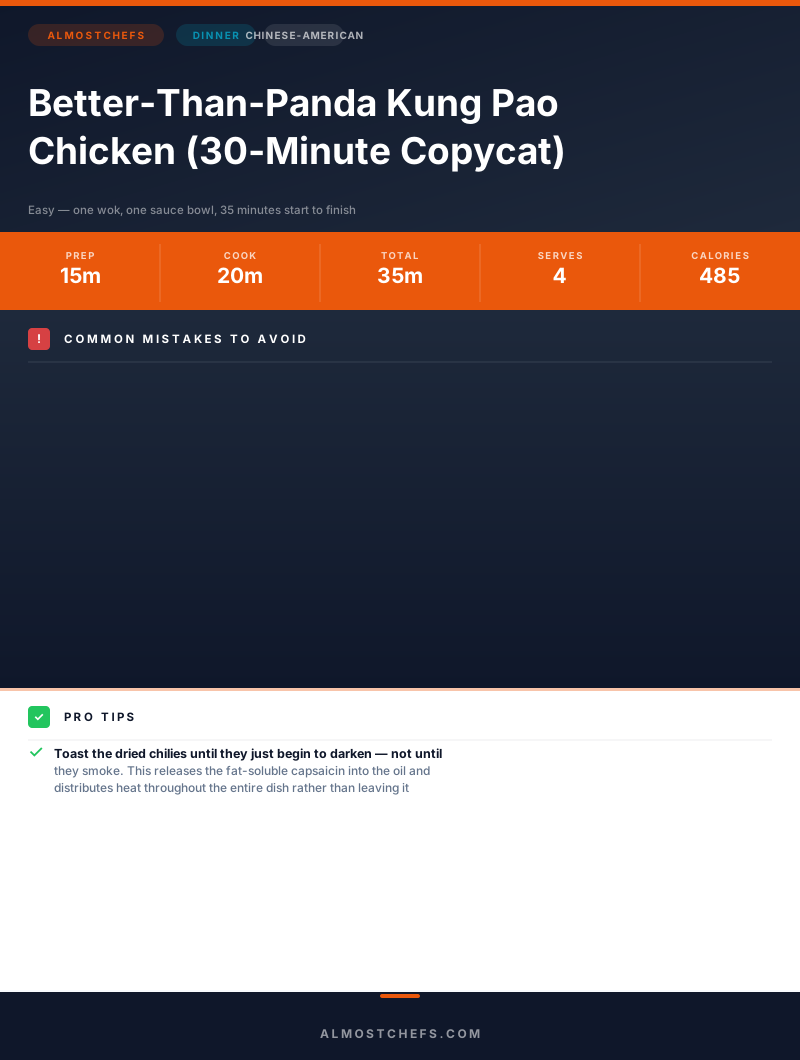
The Science of
Better-Than-Panda Kung Pao Chicken (30-Minute Copycat)
We turned everything on this page into a beautiful, flour-proof PDF cheat sheet. Print it out, stick it to your fridge, and never mess up your better-than-panda kung pao chicken (30-minute copycat) again.
*We'll email you the high-res PDF instantly. No spam, just perfectly cooked meals.
AlmostChefs Editorial Team
We translate the internet's most popular cooking videos into foolproof, beginner-friendly written recipes. We analyze multiple methods, test them in our kitchen, and engineer a single "Master Recipe" that gives you the best possible result with the least possible stress.