Better Than the Mall (Copycat Panda Express Fried Rice)
A homemade copycat of Panda Express fried rice made with brown rice, low-sodium soy sauce, and fresh aromatics. We reverse-engineered the restaurant's signature fluffy texture and savory-umami flavor — then made it worth eating on a weeknight.

“Panda Express fried rice is not a complex dish. It is a masterclass in one thing: dry rice hit with high heat. Most home versions fail not because of the sauce or the vegetables, but because the rice is too wet, the pan is too cold, and everything steams instead of fries. We fixed that. This version uses brown rice for more fiber and a lower glycemic load, cuts the sodium nearly in half, and still delivers the exact light, slightly buttery, savory bite that makes the original one of the most ordered side dishes in American fast food.”
Why This Recipe Works
Panda Express fried rice has no business being as good as it is. It's a fast food side dish served in a steam table under fluorescent lights. And yet people order it by the billion, recreate it obsessively at home, and consistently fail to match it. The reason isn't secret ingredients. It's physics.
The Cold Rice Principle
Fried rice is not a recipe for using leftover rice. It is a recipe that requires leftover rice. The distinction matters enormously. Freshly cooked rice, regardless of variety, carries residual moisture in and around each grain. When that warm, wet rice hits a hot wok, it doesn't fry — it steams. The grains press against each other, release their starches, and weld into one enormous sticky mass that no amount of spatula work will rescue.
Cold, dry rice behaves completely differently. The moisture has migrated out of the grains and evaporated during refrigeration. Each grain is independent, slightly firm, and ready to develop color and texture in high heat without clumping. Spread your cooked brown rice on a baking sheet and refrigerate it for at least two hours. Overnight is better. This single step is the difference between fried rice and rice stir-fry, and most home cooks skip it entirely.
The Heat Problem
Home stoves max out at around 12,000-15,000 BTUs. Commercial wok burners run at 150,000. This is not a gap you can close — it's a canyon. Restaurant fried rice develops wok hei, a slightly smoky, char-edged quality that comes from the intense heat searing the rice in milliseconds before it can absorb oil and turn greasy. At home, you can approximate but not replicate it.
The approximation: preheat your carbon steel wok or heaviest skillet on high heat for longer than feels reasonable. Let the oil reach shimmer-to-smoke before anything goes in. Cook in smaller batches than you think necessary so the pan's temperature doesn't crash when cold rice hits it. And resist tossing constantly — let the rice sit against the hot surface for 20-30 seconds at a time to build a little color before you move it. That contact char is where the flavor lives.
Why Brown Rice Works Here
Panda Express uses white rice. This recipe uses brown. The trade-off is intentional and better than you'd expect. Brown rice has a lower glycemic index, more fiber, and a slightly nuttier, more complex flavor that actually reads as more interesting in a fried rice application. The firmer texture also holds up better to aggressive stir-frying — white rice can turn mushy if overworked in a hot pan, while brown rice stays individual and bouncy.
The one adjustment: brown rice takes longer to cook and needs more water than the package suggests if you're going to refrigerate it overnight. Add an extra quarter cup of water during cooking to compensate for the moisture it will lose during chilling.
The Sauce Architecture
Three liquids do all the work here: low-sodium soy sauce for umami and salt, sesame oil for aroma, and a small amount of chicken broth to help the sauce distribute evenly across every grain without puddling at the bottom of the pan. They all go in together, at the end, after the rice has had time to develop texture and heat.
Sesame oil is the most misunderstood ingredient in this recipe. It is not a cooking oil. Its smoke point is too low — heat it and it turns bitter almost immediately. It goes in at the finish, along with the soy sauce and broth, where it coats the hot rice and releases its aroma without oxidizing. This timing is why restaurant fried rice smells like sesame and home versions often don't.
White pepper is not optional. It delivers a different heat signature than black pepper — more floral, less sharp — and it's fundamental to the Cantonese-American flavor profile that Panda Express built its menu on. Use it.
What This Version Gets Right
The original Panda Express fried rice is 720mg of sodium per serving. This version comes in at 480mg — a 33% reduction that you will not taste. The switch to low-sodium soy sauce and a reduction in oil shaves calories without touching flavor. The brown rice adds two grams of fiber per serving and keeps blood sugar more stable over the two hours after eating.
None of those adjustments are compromises. They're just better decisions made possible by cooking at home, where you control the variables and the steam table doesn't.
Where Beginners Mess This Up
Before we start, read this. These are the 4 reasons your better than the mall (copycat panda express fried rice) will fail:
- 1
Using freshly cooked rice: Hot, freshly cooked rice contains too much surface moisture. When it hits a hot wok, it steams instead of frying, clumping into sticky masses that never separate. The fix is non-negotiable: cook your rice at least 2 hours ahead, spread it on a baking sheet, and refrigerate it until the grains are completely cold and dry. Overnight is ideal.
- 2
A pan that isn't hot enough: Fried rice needs a wok or heavy skillet at full rip — oil shimmering and just starting to smoke. If the pan isn't hot enough, the rice absorbs oil and sits there. Too-cool rice frying is what produces that greasy, dense, cafeteria texture. Get the pan screaming hot before anything goes in.
- 3
Adding the sauce too early: If you pour the soy sauce and sesame oil in before the rice has had a chance to develop any color and heat-through, everything goes wet and the rice never crisps. The sauce goes in last, just before the eggs return. Thirty seconds of tossing is all it needs.
- 4
Overcrowding the pan: Too much rice in a home skillet traps steam and prevents any browning. Cook in batches if needed, or use the largest wok or skillet you own. Surface area is the variable you're trying to maximize.
The Video Reference Library
Want to see it in action? Here are the exact videos we analyzed and combined to build this foolproof recipe translation:
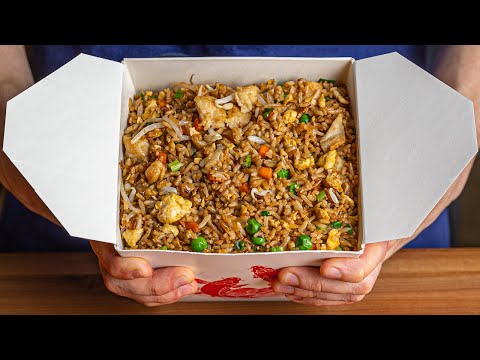
The primary reference video for this recipe. Covers the wok technique, rice preparation, and seasoning ratios that produce the restaurant's signature texture.
2. The Secret to Perfect Fried Rice at Home
Breakdown of why cold rice and high heat are the two non-negotiable variables in any fried rice recipe. Useful for understanding the technique before attempting the cook.
3. Wok Skills for BeginnersFundamentals of wok cooking — heat management, tossing technique, and why the pan temperature matters more than any ingredient in the dish.
🛠️ Core Equipment
- Large wok or 12-inch carbon steel skillet ↗The wide surface area and sloped walls let you toss rice aggressively without it flying out of the pan. A [carbon steel wok](/kitchen-gear/review/carbon-steel-wok) retains heat better than stainless and develops seasoning that prevents sticking over time.
- Baking sheet ↗For spreading and chilling cooked rice before use. The single most important piece of equipment in this recipe — it's what ensures dry, separated grains that fry instead of steam.
- Flat-edged wooden spatula or wok spatula ↗You need to scrape the bottom of the pan aggressively to prevent sticking and to break up rice clumps. A [wok spatula](/kitchen-gear/review/wok-spatula) with an angled edge follows the pan's curve and gives you full control.
- Small mixing bowls ↗Mise en place is mandatory here. This cook happens in under 15 minutes and there's no time to measure anything once the heat is on. Get everything portioned and ready before the wok touches the burner.
Better Than the Mall (Copycat Panda Express Fried Rice)
🛒 Ingredients
- ✦3 cups cooked brown rice, cooled and separated into grains
- ✦3 large eggs, beaten
- ✦2 tablespoons avocado oil or low-sodium vegetable oil
- ✦1 cup frozen peas and carrots blend
- ✦1/2 cup diced yellow onion
- ✦3 cloves garlic, minced
- ✦1 teaspoon fresh ginger, minced
- ✦2 tablespoons low-sodium soy sauce
- ✦1 tablespoon sesame oil
- ✦2 tablespoons low-sodium chicken broth
- ✦1 teaspoon white pepper
- ✦1/2 teaspoon salt, or to taste
- ✦1/4 teaspoon white sugar
- ✦2 green onions, chopped
- ✦1/4 cup diced ham or Chinese sausage, optional
👨🍳 Instructions
01Step 1
Cook brown rice according to package directions. Spread on a baking sheet and refrigerate for at least 2 hours or overnight until grains are completely dry and separated.
02Step 2
Heat 1 tablespoon of avocado oil in a large wok or skillet over medium-high heat until it shimmers and is just beginning to smoke.
03Step 3
Add the beaten eggs to the hot oil and scramble until fully cooked, breaking them into small pieces as they set. Transfer to a clean plate.
04Step 4
Add the remaining tablespoon of oil to the wok and heat for 30 seconds until shimmering.
05Step 5
Add diced onion and minced garlic. Stir-fry for 1-2 minutes until fragrant and onion begins to soften.
06Step 6
Stir in the minced ginger and cook for 30 seconds until very aromatic.
07Step 7
Add frozen peas and carrots and stir-fry for 2-3 minutes until heated through and slightly tender.
08Step 8
Add the cold cooked rice to the wok, breaking up any clumps with a flat spatula. Stir-fry for 2-3 minutes to distribute vegetables and allow the rice to heat through.
09Step 9
Pour the soy sauce, sesame oil, chicken broth, white pepper, salt, and sugar over the rice. Toss everything together for 1-2 minutes until liquid is absorbed and rice is heated through.
10Step 10
Return the scrambled eggs to the wok and fold them gently into the fried rice until evenly combined.
11Step 11
If using, add the diced ham or Chinese sausage and toss for another 30 seconds.
12Step 12
Remove from heat, garnish with chopped green onions, and serve immediately.
Nutrition Per Serving
Estimates based on standard preparation. Adjustments alter macros.
🔄 Substitutions
Instead of White rice...
Use Brown rice or 50/50 cauliflower rice blend
Brown rice lowers the glycemic index and adds fiber. A cauliflower blend reduces carbohydrate content by 30-40% while maintaining volume. Texture is slightly firmer and nuttier either way.
Instead of Regular soy sauce...
Use Low-sodium soy sauce or coconut aminos
Low-sodium soy sauce cuts sodium by 40% with no flavor trade-off. Coconut aminos are slightly sweeter and reduce sodium even further — worth trying if you're salt-sensitive.
Instead of Ham or Chinese sausage...
Use Grilled chicken breast or firm tofu
Chicken keeps it lean and protein-forward. Tofu makes it fully plant-based — press it well and cube it small so it takes on the soy-sesame flavors during the toss.
Instead of Frozen peas and carrots...
Use Fresh broccoli, snap peas, and mushrooms
Fresh vegetables add more textural variation and flavor complexity. They require 3-4 minutes of stir-fry time instead of 2-3. Cut everything small so it cooks evenly.
🧊 Storage & Reheating
In the Fridge
Store in an airtight container for up to 3 days. The flavors hold well but the texture softens — re-frying in a hot skillet for 2-3 minutes restores it.
In the Freezer
Freeze in individual portions for up to 2 months. Thaw overnight in the refrigerator before reheating.
Reheating Rules
Reheat in a hot skillet with a splash of water or broth, tossing constantly for 2-3 minutes. Microwave works but produces a steamed, clumpy result — avoid it if texture matters to you.
❓ Frequently Asked Questions
Why is my fried rice clumpy and wet?
The rice was too fresh or still warm when it hit the pan. Fried rice requires cold, dry, day-old rice. Hot rice steams in the wok rather than frying, turning into a sticky paste. Spread your rice on a baking sheet and refrigerate for at least 2 hours before cooking.
Can I use white rice instead of brown?
Yes, and it's closer to the original Panda Express version. White jasmine rice produces a softer, slightly stickier grain with a more neutral flavor. Brown rice has a lower glycemic index and more fiber, but the technique is identical.
Why does my fried rice taste flat?
Two likely causes: not enough salt, or no sesame oil. Sesame oil is the flavor that reads as 'Chinese restaurant' to most people — don't skip it or substitute it. Also make sure your soy sauce is going in with the broth, not just a drizzle at the end.
Do I need a wok or will a regular skillet work?
A large, heavy skillet works fine for home cooking. The key is surface area and heat retention, not pan shape. A 12-inch cast iron or carbon steel skillet will out-perform a thin wok on a standard home burner.
Can I make this vegetarian?
Yes. Skip the ham, use vegetable broth instead of chicken broth, and replace the eggs with firm tofu if you want it fully plant-based. The soy sauce and sesame oil carry enough umami that the dish doesn't suffer.
Why does restaurant fried rice taste smokier than mine?
Restaurants use commercial burners that generate 3-5x more BTUs than home stoves, producing a phenomenon called 'wok hei' — a slightly charred, smoky flavor from the intense heat. You can approximate it by cooking in small batches, preheating your pan longer than feels necessary, and letting the rice sit undisturbed for 30 seconds at a time to develop color on the bottom.
The Science of
Better Than the Mall (Copycat Panda Express Fried Rice)
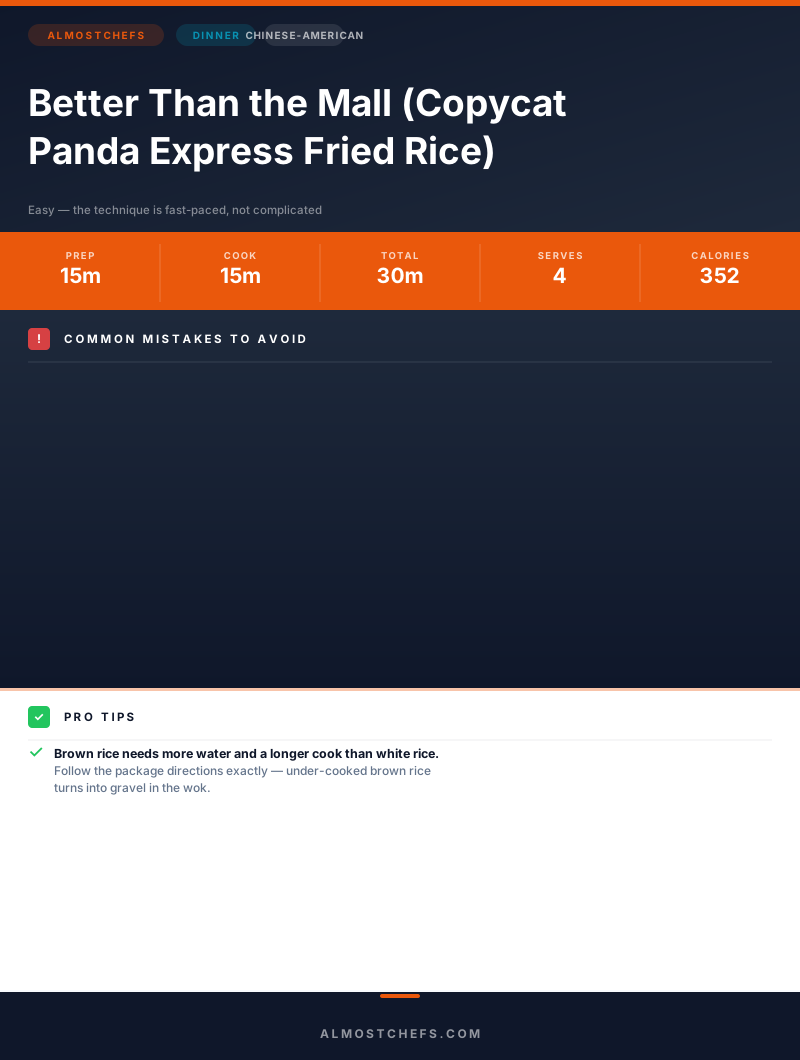
We turned everything on this page into a beautiful, flour-proof PDF cheat sheet. Print it out, stick it to your fridge, and never mess up your better than the mall (copycat panda express fried rice) again.
*We'll email you the high-res PDF instantly. No spam, just perfectly cooked meals.
AlmostChefs Editorial Team
We translate the internet's most popular cooking videos into foolproof, beginner-friendly written recipes. We analyze multiple methods, test them in our kitchen, and engineer a single "Master Recipe" that gives you the best possible result with the least possible stress.