Crispy Soju Pajeon (The Science-Backed Korean Pancake)
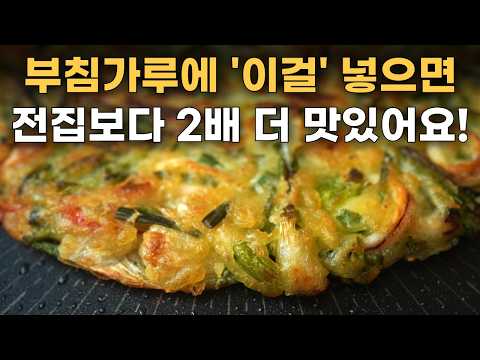
A savory Korean scallion pancake made crackling-crisp through three tested techniques: soju in the batter, minimal stirring, and ice-cold water. We reverse-engineered the most-watched Korean cooking videos to give you the method that actually works.

“Most homemade pajeon comes out soggy, gummy, or grease-logged. The fix isn't a better recipe — it's understanding the three variables that control crispiness: what you mix into the batter, how much you stir it, and how cold it is when it hits the pan. A Korean food scientist ran the controlled experiments so you don't have to. Here's what actually works.”
Why This Recipe Works
Pajeon is not complicated. It is misunderstood. Most home cooks treat it like a simple stir-and-fry operation — combine flour, water, vegetables, and cook. The result is technically a pancake. It is also usually chewy, greasy, and soft in all the wrong places. The gap between that result and a genuinely crispy pajeon is not a secret ingredient. It is three variables in the batter, each one addressable with a specific, deliberate choice.
The Gluten Problem
Korean pancake batter is made from flour and liquid. When water hydrates flour, the gluten proteins immediately begin bonding into elastic networks. More stirring, more networks. More networks, more chew. This is useful if you are making bread. It is the enemy of a crispy pancake.
The soju fix works at the molecular level. Alcohol actively disrupts gluten bonding — the ethanol molecules compete with water for the bonding sites on glutenin and gliadin proteins, weakening the network before it fully forms. A batter made with 25% soju is structurally looser and less elastic than a water-only batter, even at identical hydration levels. When this looser batter hits hot oil, it sets quickly into a porous, crackling crust rather than a dense, chewy one. The alcohol fully evaporates during cooking — there is no soju flavor in the finished pancake.
The minimal stirring rule reinforces this. Thirty seconds with chopsticks, lumps and all, then stop. Every additional stir builds the gluten network you just worked to suppress with the soju. Contradicting your own technique is how you end up with a gummy interior.
The Temperature Variable
Cold batter crisps better than room-temperature batter for the same reason that cold pie crust produces flakier layers than warm dough: temperature controls how fast structure forms in the presence of heat.
When room-temperature batter hits a hot cast iron skillet, it spreads and warms gradually, absorbing oil as it heats. Cold batter hits the pan and immediately shocks into a partial set — the outer layer solidifies before the oil can penetrate, creating a sealed crust. The difference in texture is significant and consistent. Chill the batter. This is not optional.
The Moisture Architecture
Every wet ingredient you add to pajeon is a potential saboteur. Squid, in particular, holds substantial surface moisture that releases rapidly under heat, generating steam that softens the base from below. A quick blanch — 20 to 30 seconds in boiling water — drives that moisture out before cooking. The squid remains tender and finishes cooking in the pan. The pancake base stays intact.
The same logic drives the kitchen towel setup. After cooking, hot fat that is not absorbed into a towel within the first 30 seconds gets reabsorbed into the pancake as it cools and depressurizes. This is not a minor quality difference — a pancake drained immediately is dramatically less greasy than one left to cool on a plate. Set up the towels before you pour the batter.
The Pan Mechanics
Pressing the batter down with a wide spatula immediately after spreading accomplishes two things: it ensures full contact between batter and pan surface (eliminating air pockets that produce pale, uncooked spots), and it slightly compresses the base, which produces a denser, more structurally sound crust. Press firmly. Hold for ten seconds. Do this on both sides.
The flip timing is equally non-negotiable. Pajeon releases from the pan when it is ready — not when you decide it is time. Shake the pan. If the pancake slides freely, flip it. If it resists, wait. Forcing the flip tears the crust and leaves half of it on the pan surface. Patience here is not a virtue; it is a technique.
Everything about this recipe is designed to produce one outcome: a pancake that crackles when you bite through it and stays crispy for the full duration of the meal. That result is available to any home cook who understands the three variables. The ingredients are secondary.
Where Beginners Mess This Up
Before we start, read this. These are the 4 reasons your crispy soju pajeon (the science-backed korean pancake) will fail:
- 1
Using plain water and nothing else: Water alone encourages gluten development in the batter, which creates a sticky, chewy pancake instead of a crispy one. Replacing 25% of the water with soju inhibits gluten formation — the alcohol molecules physically interfere with the protein bonding process. The result is a looser, more fluid batter that fries up dramatically crispier and less greasy.
- 2
Over-stirring the batter: Stirring for 2 minutes instead of 30 seconds doesn't just develop more gluten — it creates a batter with the texture of chewing gum on the inside. You want lumps. You want unmixed streaks. The vegetables and squid will redistribute the dry bits when you fold them in. Stir 30 seconds maximum, then stop.
- 3
Using room-temperature batter: Warm batter spreads faster and absorbs oil unevenly before the exterior has a chance to set. Ice-cold batter hits the hot pan and immediately forms a sealed crust, locking oil out and steam in. Always chill the batter completely in the refrigerator before cooking — this is what separates tender-crisp from greasy-chewy.
- 4
Skipping the squid blanch: Raw squid releases substantial moisture during pan-frying, which steams the pancake from the inside and destroys the crispy base. A quick blanch drives that moisture out before cooking. Same principle applies to any wet seafood you add — excess moisture is the enemy of crust.
The Video Reference Library
Want to see it in action? Here are the exact videos we analyzed and combined to build this foolproof recipe translation:
🛠️ Core Equipment
- Large flat-bottomed skillet or cast iron panEven heat distribution across the full surface is essential for a uniformly golden crust. Thin pans create hot spots that burn one edge while leaving the center undercooked.
- Wide spatula or pancake turnerYou need to press the batter down firmly after spreading and flip confidently in one motion. A narrow spatula leaves the center unsupported and the pancake folds on itself.
- Fine-mesh sieve or kettle for blanchingQuick-blanching the squid requires boiling water poured directly over the seafood and fast draining. Speed matters — prolonged heat toughens squid fast.
- Kitchen towels or paper towel-lined plateSet this up before the pancake hits the pan. Oil that isn't drained in the first 30 seconds after cooking gets reabsorbed as the pancake cools. This is the difference between a crispy pancake and a greasy one.
Crispy Soju Pajeon (The Science-Backed Korean Pancake)
🛒 Ingredients
- ✦1 cup buchimgaru (부침가루, Korean pancake mix)
- ✦3/4 cup ice-cold water
- ✦1/4 cup soju (소주)
- ✦1 handful scallions or thin green onions (쪽파나 실파)
- ✦desired amount squid (오징어), cleaned and cut into pieces
- ✦1 cheongyang gochu (청양고추, Korean green chili pepper)
- ✦1 hong gochu (홍고추, red chili pepper)
- ✦generous amount neutral cooking oil
- ✦1 tablespoon water (for dipping sauce)
- ✦1 tablespoon jin ganjang (진간장, dark soy sauce, for dipping sauce)
- ✦1 tablespoon hyeonmi sikcho (현미식초, brown rice vinegar, for dipping sauce)
- ✦1 tablespoon sugar (for dipping sauce)
- ✦desired amount onion, finely chopped (for dipping sauce)
- ✦desired amount chili pepper, sliced (for dipping sauce)
👨🍳 Instructions
01Step 1
Combine 1 cup buchimgaru with 3/4 cup ice-cold water in a mixing bowl.
02Step 2
Add 1/4 cup soju to the bowl. Using chopsticks, stir for no more than 30 seconds — just until the flour is barely combined with visible lumps remaining.
03Step 3
Cover the batter and refrigerate until fully chilled, at least 15 minutes.
04Step 4
While the batter chills, boil water and briefly blanch the squid for 20–30 seconds. Drain immediately and pat dry.
05Step 5
Prepare the scallions: cut white parts into larger chunks (about 1.5 inches), green parts into smaller pieces. Split any thick stalks in half lengthwise.
06Step 6
Slice the cheongyang gochu and hong gochu diagonally.
07Step 7
Make the dipping sauce: mix 1 tablespoon each of water, jin ganjang, hyeonmi sikcho, and sugar until sugar dissolves. Add chopped onion and sliced chili pepper to taste.
08Step 8
Set up a plate or cutting board lined with kitchen towels before you begin cooking. Have it within arm's reach of the stove.
09Step 9
Remove the chilled batter from the refrigerator. Add the scallions, blanched squid, and sliced peppers. Fold gently to distribute — do not stir vigorously.
10Step 10
Heat a generous amount of cooking oil in a [large flat-bottomed skillet](/kitchen-gear/review/cast-iron-skillet) over medium-high heat until just beginning to smoke.
11Step 11
Reduce heat to medium. Pour batter into the pan and spread thinly and evenly across the surface.
12Step 12
Press down firmly across the entire surface with a [wide spatula](/kitchen-gear/review/fish-spatula). Hold pressure for 10 seconds.
13Step 13
Cook until the bottom rotates freely when you shake the pan — about 3–4 minutes. Flip in one confident motion.
14Step 14
Cook the second side for 2–3 minutes until deeply golden. Transfer immediately to the kitchen towel-lined plate to drain.
15Step 15
Serve hot with the dipping sauce.
Nutrition Per Serving
Estimates based on standard preparation. Adjustments alter macros.
🔄 Substitutions
Instead of Squid...
Use Shrimp, oysters, or clams
All require the same blanching step to remove excess moisture. Shrimp is the most common substitute. Oysters add a briny depth that works beautifully with the scallions.
Instead of Buchimgaru (Korean pancake mix)...
Use All-purpose flour plus 1/2 teaspoon baking powder and 1/4 teaspoon salt per cup
Buchimgaru already contains salt, leavening, and seasonings — your substitute will be blander. Add a pinch of garlic powder to compensate.
Instead of Soju...
Use Vodka or dry sake
Any neutral, low-flavor spirit works. The mechanism is alcohol inhibiting gluten — not flavor contribution. Beer also works but adds slight bitterness and more residual sugar.
Instead of Cheongyang gochu...
Use Serrano or jalapeño
Cheongyang gochu is hotter than jalapeño. Use one serrano for similar heat, or skip the heat entirely with a mild green chili. The pepper is primarily textural and visual.
🧊 Storage & Reheating
In the Fridge
Store in an airtight container for up to 2 days. Cut into bite-sized pieces before storing so you can reheat portions without re-cutting a soggy pancake.
In the Freezer
Freeze in a single layer on a baking sheet, then transfer to a bag for up to 1 month. The texture recovers well in the air fryer.
Reheating Rules
Air fryer at 120°C (250°F) for 10 minutes. Do not microwave — microwaving pajeon turns it into a steam-softened disappointment. The air fryer restores genuine crispiness.
❓ Frequently Asked Questions
Why does soju make the pancake crispier?
Alcohol inhibits gluten formation. When water hydrates the flour proteins (glutenin and gliadin), they bond together and form gluten networks — the same networks that make bread chewy and pizza dough elastic. Alcohol disrupts this bonding process, resulting in a weaker, more open batter structure that fries up crispy rather than chewy. The soju also evaporates faster than water during cooking, leaving behind a lighter, more porous crust.
Can I make pajeon without seafood?
Yes — scallion-only pajeon (pa-jeon in its purest form) is traditional and excellent. Skip the blanching step entirely. You can also add kimchi (kimchi-jeon), zucchini, or mushrooms. Just pat any wet vegetables dry before folding into the batter.
Why does my pancake stick to the pan?
Two likely causes: not enough oil, or flipping too early. The pancake releases naturally when the bottom crust has fully set — usually when you can shake the pan and it slides freely. If it's sticking, wait another 30–60 seconds. Forcing the flip tears the crust and sticks it to the pan.
Do I need Korean pancake mix or can I use regular flour?
Buchimgaru is the correct ingredient — it's pre-seasoned with salt, garlic, and leavening agents tuned for Korean-style frying. All-purpose flour produces a functional but noticeably blander result. If you cook pajeon more than occasionally, buchimgaru is worth keeping in your pantry.
Why is my pajeon greasy?
The kitchen towel step was skipped or delayed. As the pancake cools, the internal pressure drops and the surface becomes porous — oil that was held in suspension gets pulled inward. Transferring to kitchen towels within 10 seconds of leaving the pan is the single most effective way to prevent a greasy result.
What's the difference between pajeon and haemul pajeon?
Pajeon is the broad category — any Korean savory pancake featuring scallions. Haemul pajeon (해물파전) specifically includes seafood (haemul means seafood). This recipe is technically a haemul pajeon. Plain pajeon uses scallions only. Both follow the same batter technique.
The Science of
Crispy Soju Pajeon (The Science-Backed Korean Pancake)
We turned everything on this page into a beautiful, flour-proof PDF cheat sheet. Print it out, stick it to your fridge, and never mess up your crispy soju pajeon (the science-backed korean pancake) again.
*We'll email you the high-res PDF instantly. No spam, just perfectly cooked meals.
AlmostChefs Editorial Team
We translate the internet's most popular cooking videos into foolproof, beginner-friendly written recipes. We analyze multiple methods, test them in our kitchen, and engineer a single "Master Recipe" that gives you the best possible result with the least possible stress.