Weeknight Paella (The One-Pan Spanish Classic You've Been Avoiding)
A vibrant Spanish rice dish with saffron-infused short-grain rice, golden chicken, and pink shrimp cooked in one wide pan. We analyzed the most common home cook failures to build a foolproof weeknight method that delivers the crispy bottom, even cook, and complex flavor paella is famous for.
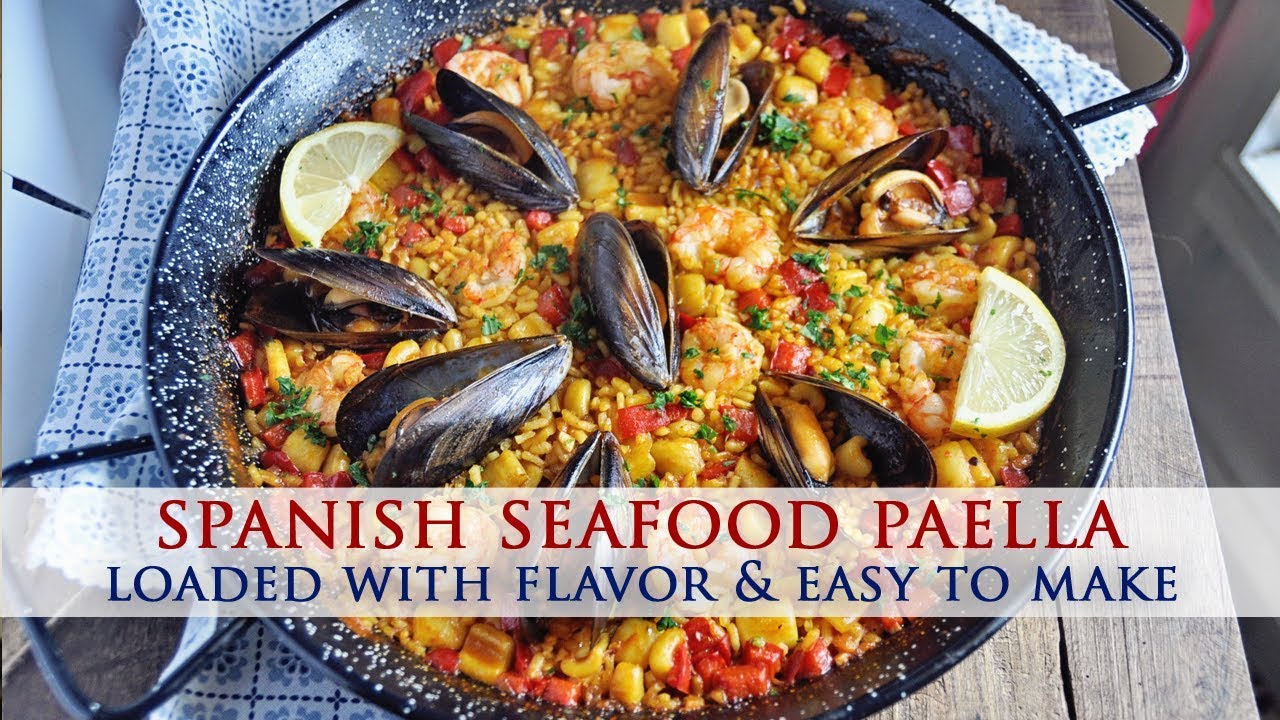
“Paella has a reputation problem. Home cooks either avoid it entirely or produce something resembling Spanish soup — waterlogged rice, rubbery shrimp, zero crust on the bottom. The dish that fills entire restaurant terraces with the smell of saffron and smoked paprika ends up tasting like a sad rice casserole. The reason is almost always the same: too much stirring, too much liquid, and shrimp added way too early. Fix those three things and paella becomes one of the most forgiving one-pan dinners you own.”
Why This Recipe Works
Paella is not complicated. It is, however, precise — and the gap between those two things is where most home cooks end up confused. The technique is built around a single organizing principle: control evaporation. Everything else — the wide pan, the no-stir rule, the shrimp timing, the final high-heat blast — exists to manage how and when liquid leaves the dish.
The Pan Is the Recipe
A paella pan is wide and shallow for exactly one reason: surface area drives evaporation. In a 14-inch pan, you have roughly four times the evaporating surface of a deep stock pot. That means the broth reduces at a controlled, predictable rate, leaving just enough moisture to cook the rice without drowning it, and creating the dry conditions at the bottom necessary for the socarrat to form.
A cast iron skillet makes an excellent substitute — the mass retains heat evenly across the base, eliminating the hot spots that create burnt patches in thin pans. Whatever vessel you use, wider is almost always better. The worst paella pan is still a better choice than the best stock pot.
The No-Stir Rule Has Physics Behind It
Short-grain rice — Bomba is the gold standard, but any short-grain variety works — contains a specific starch profile that behaves differently from long-grain rice under sustained heat. When you don't stir it, each grain cooks in isolation, absorbing broth through its outer surface while the interior stays distinct. When you stir, you shear the grain surfaces, release that starch into the surrounding liquid, and suddenly you're making risotto. Not a bad dish. Not paella.
The moment you pour the broth in, you're committing to the outcome. Distribute the chicken and vegetables, level the surface, and put the spoon down. The dish will look chaotic and uneven for the first ten minutes. That's correct. Trust the surface area.
Saffron: The Most Misused Spice in Home Cooking
Saffron threads dropped dry into a hot pan are essentially decorative. The volatile aromatic compounds — safranal, picrocrocin — need water and time to extract. Ten minutes in warm water pulls everything the spice has to offer. The resulting liquid should be deep amber-red, almost alarming in its intensity. That's correct.
If you're using saffron that's been sitting in the cabinet for two years in a flimsy plastic bag, replace it. Old saffron produces wan yellow water and a faint hay smell. Fresh saffron in a sealed jar smells floral, slightly metallic, and intensely complex. The price difference between old and fresh saffron is real. So is the flavor difference.
The Socarrat Is Not a Bonus
Most recipes treat the socarrat as a happy accident. It isn't. It's the goal. The crispy, caramelized bottom layer forms when the liquid is fully absorbed and the heat continues, triggering the Maillard reaction between the rice starch and the concentrated pan drippings. This is the same chemistry that makes seared meat taste different from boiled meat.
To form it deliberately: when you hear the crackling and the broth is gone, increase the heat to medium-high for exactly 60-90 seconds. Listen. A faint, steady crackling means socarrat. Smoke means you've gone too far. The window is narrow and unforgiving, which is why every person who nails it exactly once immediately wants to make paella every week.
Protein Sequencing
Chicken thighs go in first because they need 8-10 minutes of direct pan contact to develop a proper sear. Shrimp go in last — in the final 5 minutes, over the top of the rice, under a loose cover — because they are done in 3-5 minutes and turn rubber the moment you push past that. Every minute of overcooking shrimp costs you texture you cannot recover.
If you add them at the same time as the chicken, you will have perfectly cooked chicken and shrimp that could be used as pencil erasers. Sequence your proteins by cook time. This applies to every dish you will ever make.
Where Beginners Mess This Up
Before we start, read this. These are the 4 reasons your weeknight paella (the one-pan spanish classic you've been avoiding) will fail:
- 1
Stirring the rice after adding the broth: Paella rice must not be stirred once the liquid goes in. Stirring releases starch, turns the dish creamy, and destroys any chance of forming the socarrat — the prized crispy bottom layer that defines authentic paella. Add the broth, distribute the ingredients evenly once, then put the spoon down and leave it.
- 2
Adding the shrimp too early: Shrimp cook in 3-5 minutes. Adding them when the rice still has 20 minutes to go produces rubbery, grey, overcooked protein by the time everything else is ready. Scatter the shrimp over the top only in the final 5 minutes of cooking, then cover loosely and let the steam finish them.
- 3
Using too much liquid: Paella is not pilaf. The rice should absorb all the broth by the time it's done, leaving the bottom layer slightly dry and ready to toast. If you add extra liquid 'just in case,' you end up steaming the rice into mush and flooding out the socarrat. Measure precisely — 2 cups rice to 4 cups broth is the ratio.
- 4
Skipping the saffron bloom: Dry saffron dropped directly into the pan releases maybe 20% of its color and flavor. Steeping the threads in warm water for at least 10 minutes extracts the full potency. It takes 30 seconds of effort and produces a dramatically more vivid, aromatic result.
The Video Reference Library
Want to see it in action? Here are the exact videos we analyzed and combined to build this foolproof recipe translation:
The primary reference for this recipe. Covers the socarrat technique, proper liquid ratios, and how to know when the rice is done by sound alone — you should hear a faint crackling from the bottom of the pan.
🛠️ Core Equipment
- Wide, shallow skillet or paella pan (12-14 inches)Surface area is everything. A wide pan creates maximum crust-to-rice ratio, promotes even evaporation, and gives every grain contact with the bottom. Deep pots trap steam and prevent the socarrat from forming.
- Heavy-bottomed constructionEven heat distribution is the difference between a uniform golden crust and a burnt patch surrounded by undercooked rice. Thin stainless steel pans create hot spots. A [cast iron skillet](/kitchen-gear/review/cast-iron-skillet) or heavy carbon steel pan is ideal.
- Flat lid or aluminum foilFor the final shrimp-and-pea phase, you need to trap just enough steam to cook the toppings without adding more liquid to the rice. A loose-fitting lid or tented foil works. A tight seal traps too much moisture.
- Wooden spoon or silicone spatulaFor the early sauté stages only. Once the broth goes in, the spoon stays out. Having a dedicated tool that you consciously set aside reinforces the no-stirring rule.
Weeknight Paella (The One-Pan Spanish Classic You've Been Avoiding)
🛒 Ingredients
- ✦3 tablespoons extra virgin olive oil
- ✦1 pound boneless, skinless chicken thighs, cut into bite-sized pieces
- ✦12 ounces large shrimp, peeled and deveined
- ✦1 large yellow onion, finely diced
- ✦4 cloves garlic, minced
- ✦1 red bell pepper, diced into 1-inch pieces
- ✦1 cup diced zucchini
- ✦1 cup frozen peas
- ✦2 cups short-grain rice (white or brown)
- ✦4 cups low-sodium chicken broth
- ✦1 teaspoon saffron threads, steeped in 2 tablespoons warm water
- ✦1 teaspoon smoked paprika
- ✦1 teaspoon dried oregano
- ✦1/2 teaspoon sea salt
- ✦1/4 teaspoon black pepper
- ✦Pinch of cayenne pepper
- ✦1/4 cup fresh parsley, chopped
- ✦1 lemon, cut into wedges
👨🍳 Instructions
01Step 1
Steep the saffron threads in 2 tablespoons of warm water for at least 10 minutes before you start cooking anything else.
02Step 2
Heat olive oil in a wide, heavy skillet over medium-high heat until shimmering. Season chicken pieces with salt and pepper, then add to the pan in a single layer. Cook undisturbed for 3-4 minutes until the undersides are golden brown.
03Step 3
Flip the chicken and cook for another 3-4 minutes until mostly cooked through. Transfer to a plate.
04Step 4
Reduce heat to medium. Add the diced onion to the same pan and sauté for 4-5 minutes, stirring occasionally, until softened and translucent.
05Step 5
Add the minced garlic and smoked paprika. Cook for 1 minute, stirring constantly, until fragrant.
06Step 6
Add the diced bell pepper and zucchini. Sauté for 3-4 minutes until the vegetables begin to soften at the edges.
07Step 7
Add the uncooked rice to the pan. Stir constantly for 2-3 minutes, toasting the grains until they turn slightly golden and smell nutty.
08Step 8
Pour in the chicken broth, saffron water, oregano, cayenne, and remaining salt. Stir once to distribute everything evenly, then do not stir again.
09Step 9
Bring to a simmer over medium-high heat, then reduce to medium-low. Cook uncovered for 35-40 minutes for brown rice (18-20 minutes for white rice), until the liquid is almost fully absorbed.
10Step 10
When about 5 minutes remain, scatter the shrimp and frozen peas evenly over the surface. Cover loosely with a lid or tented foil.
11Step 11
Cook for 5 minutes until the shrimp are pink and opaque and the peas are heated through.
12Step 12
Remove from heat. To develop the socarrat, increase heat to medium-high for the final 60-90 seconds and listen for a faint crackling from the bottom of the pan. Remove immediately.
13Step 13
Rest for 2-3 minutes without stirring. Scatter fresh parsley over the top and serve directly from the pan with lemon wedges.
Nutrition Per Serving
Estimates based on standard preparation. Adjustments alter macros.
🔄 Substitutions
Instead of White short-grain rice...
Use Brown short-grain rice or wild rice blend
Requires 20 extra minutes of cooking and slightly more broth. Nuttier, chewier texture. The socarrat still forms but takes a little longer to develop.
Instead of Chicken thighs and shrimp...
Use White fish fillets and mussels, or chickpeas and artichoke hearts for a plant-based version
White fish breaks apart easily — add it in the final 8 minutes rather than 5. Mussels open in 3-4 minutes. Chickpeas go in with the rice. Each option changes the flavor profile but the technique stays identical.
Instead of Saffron threads...
Use 1/2 teaspoon turmeric powder or a pinch of annatto seeds steeped in warm water
Turmeric replicates the golden color and adds earthy bitterness. It does not replicate saffron's floral aroma — that's irreplaceable. Annatto provides color without any flavor change.
Instead of Low-sodium chicken broth...
Use Vegetable broth or homemade bone broth
Vegetable broth produces a lighter, cleaner taste. Bone broth deepens the umami base considerably. Both work — just adjust salt to taste at the end since commercial broths vary widely in sodium.
🧊 Storage & Reheating
In the Fridge
Store in an airtight container for up to 3 days. The socarrat softens overnight but the flavors deepen. Worth it.
In the Freezer
Freeze in portions for up to 2 months. The shrimp texture degrades slightly on reheating — acceptable in a mixed dish.
Reheating Rules
Add a tablespoon of water or broth to the pan, cover loosely, and reheat over medium-low heat for 8-10 minutes. Microwave works but steams out any remaining crust. For a stovetop reheat, crank the heat at the end to re-form a partial socarrat.
❓ Frequently Asked Questions
Why is my paella rice mushy?
Two likely causes: you stirred the rice after adding the broth, or you used too much liquid. Both release starch and prevent the rice from cooking in distinct, separate grains. Measure your liquid precisely — 2 cups rice to 4 cups broth — and do not touch it once the broth goes in.
What is socarrat and how do I get it?
Socarrat is the caramelized, slightly crispy layer of rice that forms on the bottom of the pan when the liquid has fully absorbed and the heat continues. To form it deliberately, increase to medium-high heat for the final 60-90 seconds and listen for a faint crackling. Pull the pan off the moment you hear it.
Can I make this in a regular pot instead of a wide pan?
Technically yes, but the result is different. A deep pot traps steam, prevents the socarrat from forming, and produces a wetter, softer rice texture. The wide, shallow pan is not traditional affectation — it's functional. Surface area drives evaporation, which drives the socarrat.
My saffron water isn't turning orange. Is it bad saffron?
Real saffron takes 10-15 minutes to fully bloom in warm (not boiling) water and turns a deep amber-red, not orange. If the water is barely tinted after 15 minutes, the saffron is old and depleted. Fresh saffron should dye the water dramatically. Store saffron in an airtight container away from light.
Can I add more vegetables than the recipe calls for?
You can, with a caveat: more vegetables release more moisture as they cook, which can throw off the rice-to-liquid ratio and delay the socarrat. If you add extra vegetables, reduce the broth by 1/4 cup to compensate, or plan for slightly longer cook time.
Do I really need to use short-grain rice?
Yes, if you want authentic paella texture. Short-grain varieties like Bomba absorb broth at a higher ratio than long-grain rice without turning mushy — a property called 'reverse absorption.' Long-grain rice hits a point where it can't take in any more liquid and stops cooking evenly. Short-grain rice keeps absorbing almost until the liquid is gone.
The Science of
Weeknight Paella (The One-Pan Spanish Classic You've Been Avoiding)
We turned everything on this page into a beautiful, flour-proof PDF cheat sheet. Print it out, stick it to your fridge, and never mess up your weeknight paella (the one-pan spanish classic you've been avoiding) again.
*We'll email you the high-res PDF instantly. No spam, just perfectly cooked meals.
AlmostChefs Editorial Team
We translate the internet's most popular cooking videos into foolproof, beginner-friendly written recipes. We analyze multiple methods, test them in our kitchen, and engineer a single "Master Recipe" that gives you the best possible result with the least possible stress.