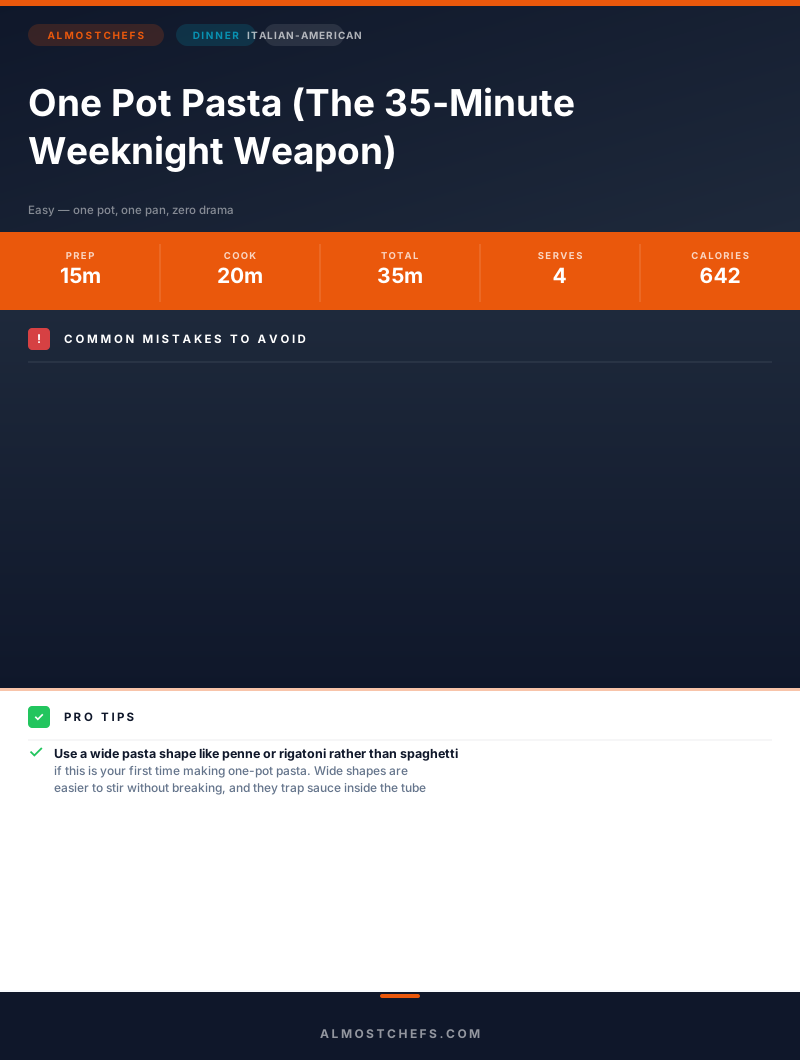
One Pot Pasta (The 35-Minute Weeknight Weapon)
Tender pasta cooked directly in a savory meat-and-tomato broth until the liquid reduces into a silky, clingy sauce — all in one pot. We broke down the technique behind toasting dry pasta in oil first, which is the step most recipes skip and the reason most one-pot pasta tastes flat.

“Most one-pot pasta recipes produce bloated, gummy noodles swimming in watery tomato broth that tastes like it came from a can — because it did, and nothing was done to make it better. The difference between that and a dish that actually tastes intentional is two minutes of toasting dry pasta in oil before the liquid ever touches it. That single step changes the starch structure, deepens the flavor, and gives you a sauce that clings instead of pools. Everything else follows from there.”
Why This Recipe Works
One-pot pasta should not work as well as it does. You're cooking starchy pasta in a finite amount of liquid, asking the sauce to build itself from the same water the noodles are absorbing, and relying on timing alone to ensure everything finishes at once. By all culinary logic, this is a recipe for catastrophe.
It works because pasta starch is the sauce. When you cook pasta in limited liquid, the starch that would normally disappear down the drain stays in the pot and transforms the broth into a thick, clingy emulsion that coats every noodle. This is the same principle behind properly sauced Italian restaurant pasta — chefs always finish pasta in the pan with a splash of pasta water, not just sauce from a jar. One-pot pasta simply skips the middleman.
The Toast Nobody Does
The single most important step in this recipe gets skipped in 90% of one-pot pasta videos: toasting the dry pasta in oil for two minutes before adding liquid. When dry pasta hits hot oil, the exterior starches begin a light Maillard reaction — the same chemistry that browns bread, sears steak, and deepens coffee. The pasta develops a faint nuttiness and, more importantly, the surface starches gelatinize into a protective layer that prevents the noodles from clumping together during the wet cook phase.
Pasta added directly to liquid without toasting has raw, exposed starch granules that swell unevenly, stick to each other, and produce that gummy, stuck-together texture that makes people think one-pot pasta is a lesser dish. Toast the pasta. Two minutes. It changes everything.
Stirring Is the Technique
In conventional pasta cooking, you drop noodles into a gallon of aggressively salted, rolling boiling water. The excess water carries starch away, constant motion prevents sticking, and the noodles have space to cook evenly. One-pot pasta has none of those advantages. The liquid is measured and finite. The starch stays in the pot. The noodles are close together.
This is why you stir every 2-3 minutes. Each stir redistributes the starch that's settling on the bottom before it bonds into a crust. Each stir also ensures that the noodles on the surface swap places with the noodles on the bottom, so everything cooks evenly. Skip a stir and you'll hear the faint scraping sound of pasta bonding to the pot — salvageable if you catch it immediately, lost if you don't.
Use a wide, heavy-bottomed pot rather than a tall stockpot. Width gives you more surface area for even heat distribution and makes stirring to the edges physically possible. A tall, narrow pot creates a hot core and cold perimeter — the opposite of what you need.
Building the Sauce Architecture
The flavors in this dish build in sequence, and the sequence is not arbitrary. Onions go in first because they need time — 3-4 minutes to soften and release their natural sugars. Garlic goes in after because it needs only 60 seconds before it crosses from fragrant to burnt. Meat goes in next, and it should be browned hard: leave it undisturbed for 90-second stretches to develop a proper sear. Seared meat releases different compounds than steamed meat — more complex, more savory, with depth that distributes into the broth during the simmer.
The tomatoes and broth go in together, and at this point you should taste the liquid aggressively. It will mellow as the pasta absorbs it. If it tastes right before the pasta cooks, it will taste underseasoned after. Push the seasoning now.
Finishing the dish properly means pulling the pot off heat before adding cream, then folding in freshly grated Parmesan from a fine Microplane grater — never pre-shredded, which contains anti-caking agents that prevent clean melting. The residual heat does the work. The result is a sauce that clings, emulsifies, and coats every centimeter of pasta surface.
That's what separates a one-pot pasta that surprises people from one that confirms their low expectations.
Where Beginners Mess This Up
Before we start, read this. These are the 4 reasons your one pot pasta (the 35-minute weeknight weapon) will fail:
- 1
Skipping the pasta toast: Adding dry pasta directly to liquid without toasting it first produces gummy, starchy noodles that clump together and a sauce that tastes one-dimensional. Two minutes of stirring pasta in hot oil before adding liquid creates a lightly roasted exterior that deepens flavor and dramatically reduces clumping during cooking.
- 2
Not stirring frequently enough: One-pot pasta has no excess water to carry away starch — all that starch stays in the pot and settles on the bottom within minutes. If you walk away, you get a scorched crust and unevenly cooked pasta. Stir every 2-3 minutes. This is not optional.
- 3
Adding the cream while the pot is still on heat: Heavy cream added to an actively simmering pot breaks immediately — the fat separates and you get greasy, split sauce. Pull the pot off heat completely, then stir in the cream. The residual heat is enough to incorporate it smoothly.
- 4
Underseasoning the broth: The pasta absorbs all of the liquid it cooks in. If your broth is flat, your pasta will taste flat — no amount of Parmesan on top saves it. Taste the broth before adding pasta and adjust salt aggressively. It should taste slightly over-seasoned before cooking begins.
The Video Reference Library
Want to see it in action? Here are the exact videos we analyzed and combined to build this foolproof recipe translation:
The source video for this recipe. Demonstrates the pasta-toasting step and the correct simmer rate to hit the sauce-to-pasta ratio without ending up with soup or dry noodles.
🛠️ Core Equipment
- 12-inch wide, heavy-bottomed potWidth matters as much as depth. A wider base means more pasta surface area in contact with heat, which prevents the overcrowded-pot problem where pasta clumps in the center. Heavy bottom prevents scorching during the frequent stirring phase.
- Wooden spoon or silicone spatulaYou need to scrape the bottom of the pot every 2-3 minutes to prevent sticking. A flat-edged spatula reaches the corners a wooden spoon misses. Metal utensils scratch the pot — use silicone on coated surfaces.
- Fine grater or MicroplanePre-shredded Parmesan contains anti-caking agents that prevent it from melting smoothly into the sauce. Freshly grated Parmesan from a block melts in seconds and integrates completely. The difference in final sauce texture is significant.
- Ladle or measuring cup for pasta waterIf you're using pasta water instead of cream, you need to reserve it before draining. Keep a measuring cup near the pot during the final simmer so you don't forget — once the pasta absorbs most of the liquid, the opportunity is gone.
One Pot Pasta (The 35-Minute Weeknight Weapon)
🛒 Ingredients
- ✦1 pound dried pasta (penne, rigatoni, or spaghetti)
- ✦1 pound ground beef or Italian sausage, crumbled
- ✦3 tablespoons extra-virgin olive oil
- ✦1 medium yellow onion, finely diced
- ✦4 cloves garlic, minced
- ✦1 can (28 ounces) crushed tomatoes
- ✦4 cups beef or chicken broth
- ✦1/2 teaspoon red pepper flakes
- ✦1 teaspoon dried oregano
- ✦3 cups fresh spinach or baby kale
- ✦1/2 cup heavy cream or reserved pasta water
- ✦3/4 cup grated Parmesan cheese, freshly grated
- ✦3 tablespoons fresh basil, chopped
- ✦Salt and black pepper to taste
👨🍳 Instructions
01Step 1
Heat the olive oil in a large, wide 12-inch pot over medium-high heat.
02Step 2
Add the diced onion and sauté for 3-4 minutes, stirring occasionally, until softened and translucent.
03Step 3
Stir in the minced garlic and cook for 1 minute more, until fragrant.
04Step 4
Add the ground meat to the pot and cook for 5-7 minutes, breaking it apart with a spoon, until browned throughout and no pink remains.
05Step 5
Pour in the dried pasta and stir constantly for 1-2 minutes to toast the pasta in the oil and rendered fat.
06Step 6
Pour in the crushed tomatoes and broth, stirring well to combine and ensure the pasta is evenly submerged.
07Step 7
Add the red pepper flakes and dried oregano, then bring the mixture to a rolling boil over medium-high heat.
08Step 8
Reduce the heat to medium and simmer for 12-15 minutes, stirring every 2-3 minutes to prevent the pasta from sticking to the bottom, until the pasta is tender and most of the liquid is absorbed.
09Step 9
Stir in the fresh spinach and cook for 2 minutes more until the greens are wilted.
10Step 10
Remove the pot from the heat completely, then immediately stir in the heavy cream or pasta water.
11Step 11
Add the grated Parmesan and fold gently until melted and fully incorporated.
12Step 12
Season with salt and black pepper to taste.
13Step 13
Garnish with fresh basil and serve immediately, with a drizzle of additional olive oil if desired.
Nutrition Per Serving
Estimates based on standard preparation. Adjustments alter macros.
🔄 Substitutions
Instead of Ground beef...
Use Ground turkey or chicken breast
Lighter texture and milder flavor. Brown it harder than you think — turkey has less fat and browns more slowly. Season more aggressively to compensate for the milder baseline flavor.
Instead of Heavy cream...
Use Reserved pasta water or low-fat Greek yogurt
Pasta water adds starch-driven creaminess with zero fat. Greek yogurt adds a subtle tang that brightens the tomato sauce. Both work — yogurt must be stirred in off heat or it will curdle.
Instead of Canned crushed tomatoes...
Use 6 medium fresh tomatoes, chopped, plus 2 tablespoons tomato paste
Brighter, fresher tomato flavor but a thinner consistency. Extend the simmer by 5 minutes to allow the fresh tomatoes to break down fully. The paste adds back the depth that canned tomatoes provide.
Instead of Full-fat Parmesan...
Use Nutritional yeast
Provides the same umami depth with no dairy. Use 3-4 tablespoons and add it with the same timing. It won't melt visually but integrates into the sauce seamlessly. Also adds B vitamins.
🧊 Storage & Reheating
In the Fridge
Store in an airtight container for up to 3 days. The pasta will absorb remaining sauce overnight — stir in a splash of broth or water when reheating.
In the Freezer
Freeze in portions for up to 1 month. The cream-based sauce can separate slightly on thawing — stir vigorously while reheating over low heat to re-emulsify.
Reheating Rules
Add 2-3 tablespoons of water or broth per serving, cover the pot, and reheat over low heat for 5-7 minutes, stirring occasionally. Microwave works but dries the pasta — use 50% power with a damp paper towel over the bowl.
❓ Frequently Asked Questions
Why is my one-pot pasta gummy?
The starch released by the pasta during cooking didn't have enough liquid to disperse properly. Either the heat was too high (rapid boiling concentrates starch before it can distribute), or you didn't stir frequently enough (starch settled on the bottom and clumped). Next time: maintain a moderate simmer, not a boil, and stir every 2-3 minutes.
Can I use any pasta shape?
Short shapes with ridges — penne, rigatoni, fusilli — work best. They trap sauce inside and on their surface, and they're easy to stir without breaking. Spaghetti works but breaks into shorter pieces during aggressive stirring. Angel hair and thin linguine cook too fast and turn mushy before the sauce reduces properly.
Do I have to use meat?
No. Skip the meat entirely and add a can of drained chickpeas or white beans with the tomatoes. You get protein and body without animal products. The toasting step is the same — toast the beans briefly in the oil with the onions and garlic before adding liquid.
My sauce is too thin at the end. What happened?
The pasta absorbed what it could and there was still excess liquid. Either the heat was too low (pasta cooked slowly, sauce didn't reduce), or you used more liquid than the recipe calls for. Fix it by increasing heat to medium-high for the final 3-4 minutes, uncovered, stirring constantly until the sauce thickens.
Can I make this dairy-free?
Yes. Replace the cream with pasta water and the Parmesan with nutritional yeast. The sauce will be slightly less rich but still cohesive and flavorful. A tablespoon of olive oil added at the end helps approximate the fat content that cream provides.
How do I know when the pasta is done?
Taste a piece. It should be tender with no chalky center — al dente means firm to the bite, not crunchy. The surrounding sauce should coat the back of a spoon and not pool at the bottom of the pot. If the pasta is done but the sauce is still thin, remove the pasta with a slotted spoon and reduce the sauce alone for 2 minutes before recombining.
The Science of
One Pot Pasta (The 35-Minute Weeknight Weapon)
We turned everything on this page into a beautiful, flour-proof PDF cheat sheet. Print it out, stick it to your fridge, and never mess up your one pot pasta (the 35-minute weeknight weapon) again.
*We'll email you the high-res PDF instantly. No spam, just perfectly cooked meals.
AlmostChefs Editorial Team
We translate the internet's most popular cooking videos into foolproof, beginner-friendly written recipes. We analyze multiple methods, test them in our kitchen, and engineer a single "Master Recipe" that gives you the best possible result with the least possible stress.