Easy One Pan Pasta (32-Minute Weeknight Lifesaver)
Uncooked pasta, San Marzano tomatoes, aromatics, and broth combine in a single skillet and cook together into a creamy, deeply flavored tomato sauce. We analyzed the technique to eliminate the sticking, watery, and underseasoned results that plague most one-pan pasta attempts.
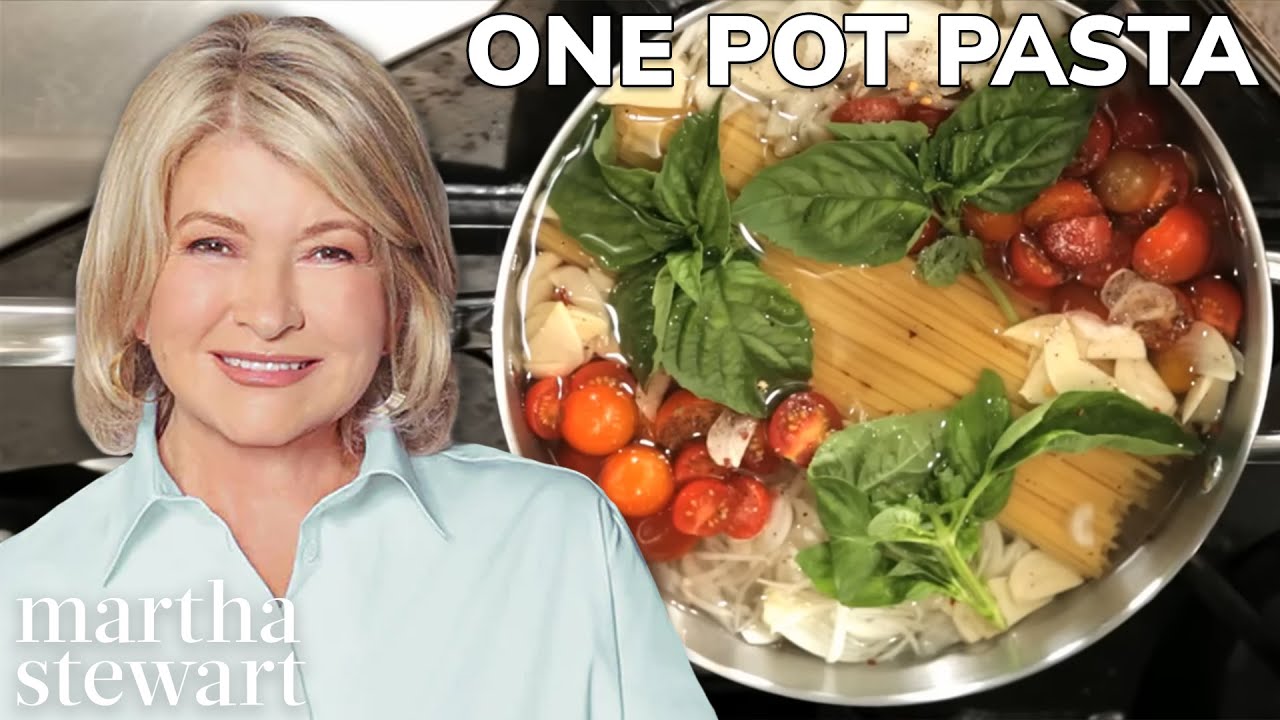
“The premise of one-pan pasta sounds almost too convenient to be real. Dump raw pasta, canned tomatoes, and broth in a skillet and walk away? The skepticism is warranted — done wrong, you get waterlogged noodles floating in thin tomato soup. Done right, you get pasta that has absorbed every bit of flavor from the liquid it cooked in, coated in a glossy, cohesive sauce that no separate-pot method can replicate. The difference is in the stir frequency, the liquid ratio, and when you add the dairy.”
Why This Recipe Works
One-pan pasta has a credibility problem. It sounds like a shortcut invented by someone who hates washing dishes, and in the wrong hands, it produces exactly the kind of dinner that confirms that suspicion — limp noodles in thin tomato water, underseasoned and texturally defeated. The method is real and it works, but it requires understanding why it works before you can execute it reliably.
Starch Is the Sauce
Traditional pasta technique removes pasta from its cooking water specifically to prevent it from absorbing too much liquid. One-pan pasta inverts this entirely. By cooking the pasta directly in a seasoned tomato-broth mixture, the starch the pasta releases as it cooks stays in the pan. That starch concentrates as the liquid reduces, and by the time the pasta is tender, the remaining liquid has thickened into a coating sauce that clings to every surface.
This is the mechanism. Every design decision in the recipe serves it. The wide skillet gives the starchy liquid maximum surface area to reduce. The frequent stirring keeps the starch in suspension instead of letting it settle and scorch. The precise liquid ratio ensures the sauce reaches the right consistency at exactly the moment the pasta finishes cooking.
If you use too much liquid, the pasta finishes before the sauce reduces and you're left draining a one-pan dish. If you use too little, the pasta scorches before it's tender. Four cups to one pound — measure it.
The Seasoning Problem
Pasta cooked in a separate pot is seasoned twice: once by the salted water it boils in, and again by the sauce it's tossed in. One-pan pasta has only one opportunity. The cooking liquid must be seasoned aggressively before the pasta goes in, because the pasta will absorb every milliliter of it. Bland broth produces bland pasta regardless of how much Parmesan you pile on top at the end.
Season the liquid until it tastes slightly too salty on its own. The pasta will absorb that salt evenly as it cooks, resulting in a finished dish that's properly seasoned all the way through — not just on the surface.
Aromatics Before Everything
The onion and garlic foundation isn't decorative. Sautéing aromatics in olive oil before adding any liquid serves a specific purpose: fat-soluble flavor compounds in onion and garlic — including the same sulfur compounds that caramelized onions produce — need fat to dissolve and distribute. Adding raw onion directly to the tomato-broth mixture would give you onion-flavored liquid. Sautéing it in oil gives you oil that carries onion flavor into every component of the dish.
One minute of garlic in hot oil sounds negligible. It isn't. The Maillard reaction begins almost immediately at high heat, converting the sharp raw garlic flavor into something mellow and complex. Watch it closely — garlic burns fast, and burnt garlic turns acrid in a way that permeates the entire dish.
The Off-Heat Finish
Dairy goes in last and off heat. This is not optional. Heavy cream is an emulsion that breaks above a certain temperature — the fat separates from the water and you get a greasy, split sauce instead of a cohesive one. Removing the pan from heat and waiting 15-20 seconds before adding the cream drops the surface temperature below that threshold.
The Parmesan follows immediately after. Freshly grated cheese — not the pre-grated variety loaded with anti-caking agents — melts cleanly into the warm sauce in under a minute. The result is a sauce that coats the pasta completely: glossy, slightly thickened by starch and cheese proteins, with enough residual heat to wilt the fresh basil and parsley without cooking off their volatile aromatics.
This is weeknight cooking executed with precision. Thirty-two minutes. One pan. No compromises on the result.
Where Beginners Mess This Up
Before we start, read this. These are the 4 reasons your easy one pan pasta (32-minute weeknight lifesaver) will fail:
- 1
Wrong liquid-to-pasta ratio: Too much broth and the pasta finishes cooking before the sauce reduces — you're left draining liquid from a one-pan dish, which defeats the entire point. Too little and the pasta scorches before it's tender. Four cups of broth to one pound of pasta is the ratio that works. Don't improvise it.
- 2
Not stirring frequently enough: Without stirring every 2-3 minutes, the pasta at the bottom of the pan sticks and scorches while the top layer stays underdone. The starch the pasta releases as it cooks is what thickens the sauce — but only if you keep it moving. Set a timer.
- 3
Adding cream while the pan is still on heat: Heavy cream added to a boiling pan breaks immediately — the fat separates and you get greasy liquid instead of a cohesive sauce. Remove the pan from heat first. The residual heat is all you need to incorporate the cream smoothly.
- 4
Under-seasoning the cooking liquid: The pasta absorbs the broth entirely. If the broth isn't seasoned generously before the pasta goes in, the finished dish will taste flat regardless of how much Parmesan you add at the end. Season the liquid like pasta water — more than feels comfortable.
The Video Reference Library
Want to see it in action? Here are the exact videos we analyzed and combined to build this foolproof recipe translation:
The source video demonstrating the full technique with clear guidance on liquid ratio, stir timing, and the off-heat cream incorporation that makes the sauce cohesive.
🛠️ Core Equipment
- Large skillet or shallow Dutch oven (12-inch minimum)Surface area matters. A narrow pot keeps the pasta piled high, causing uneven cooking. A wide skillet allows the pasta to spread into a shallow layer, cooking evenly and allowing the sauce to reduce properly.
- Wooden spoon or silicone spatulaYou'll be stirring frequently across a hot pan surface. Metal utensils scratch nonstick coatings and can damage enamel. A flat-edged spatula lets you scrape the bottom of the pan where sticking starts.
- Box graterPre-grated Parmesan contains anti-caking agents that prevent it from melting cleanly into the sauce. Freshly grated melts in seconds and incorporates without clumping. This is not a detail — it's the difference between a smooth finish and gritty cheese paste.
- Measuring cupThe liquid ratio is precise. Eyeballing four cups of broth is how you end up with soup or scorched pasta. Measure it once, get it right every time.
Easy One Pan Pasta (32-Minute Weeknight Lifesaver)
🛒 Ingredients
- ✦1 pound short pasta such as penne or rigatoni
- ✦3 tablespoons extra virgin olive oil
- ✦1 medium yellow onion, finely diced
- ✦4 cloves garlic, minced
- ✦1 can (28 ounces) crushed San Marzano tomatoes
- ✦4 cups vegetable broth or water
- ✦½ teaspoon red pepper flakes
- ✦Salt and freshly ground black pepper to taste
- ✦¾ cup freshly grated Parmesan cheese
- ✦½ cup heavy cream or reserved pasta cooking water
- ✦3 tablespoons fresh basil, chopped
- ✦2 tablespoons fresh parsley, minced
👨🍳 Instructions
01Step 1
Warm the olive oil in a large skillet or shallow Dutch oven over medium-high heat, about 1 minute.
02Step 2
Add the diced onion and sauté until softened and translucent, stirring occasionally, approximately 4 minutes.
03Step 3
Stir in the minced garlic and red pepper flakes, cooking until fragrant, about 1 minute.
04Step 4
Pour the crushed tomatoes directly into the pan and stir to combine with the aromatics.
05Step 5
Add the dry pasta and the vegetable broth to the skillet, stirring well to ensure the pasta is submerged in liquid. Season the liquid generously with salt.
06Step 6
Bring the mixture to a rolling boil, then reduce heat to medium and maintain a gentle simmer, stirring every 2-3 minutes to prevent sticking.
07Step 7
Simmer uncovered for 15 to 18 minutes, stirring frequently, until the pasta is tender and most of the liquid has been absorbed into a thick, glossy sauce.
08Step 8
Taste the sauce and adjust salt and black pepper as needed.
09Step 9
Remove the pan from heat. Pour in the heavy cream and stir gently until fully incorporated into the sauce.
10Step 10
Sprinkle the freshly grated Parmesan over the pasta and fold it in until fully melted and incorporated.
11Step 11
Garnish with fresh basil and parsley. Serve immediately in shallow bowls with extra Parmesan and cracked pepper.
Nutrition Per Serving
Estimates based on standard preparation. Adjustments alter macros.
🔄 Substitutions
Instead of Heavy cream...
Use Greek yogurt or unsweetened oat milk
Remove pan from heat and let it cool for 60 seconds before adding yogurt — it can curdle in contact with very high heat. Oat milk is more forgiving. Both reduce richness by 40-50%.
Instead of Vegetable broth...
Use Low-sodium vegetable broth or homemade stock
Reduces sodium by up to 60% and lets the natural tomato and herb flavors lead. If using water, add a Parmesan rind and a bay leaf to compensate for depth.
Instead of Canned crushed tomatoes...
Use 2 pounds fresh tomatoes, blended, or fire-roasted canned tomatoes
Fresh tomatoes add brightness and lower sodium. Fire-roasted adds smokiness. Both work well — adjust salt accordingly since fresh tomatoes have no added salt.
Instead of Parmesan cheese...
Use Nutritional yeast (¼ cup) mixed with ¼ cup grated Parmesan
Reduces saturated fat and sodium while adding B vitamins and a cheesy umami finish. Full nutritional yeast replacement results in a slightly flatter flavor — the blend is the better call.
🧊 Storage & Reheating
In the Fridge
Store in an airtight container for up to 3 days. The pasta will absorb residual sauce as it sits — add a splash of broth when reheating.
In the Freezer
Not recommended. The pasta texture degrades significantly after freezing and thawing — it turns mushy and separates from the sauce.
Reheating Rules
Add 2-3 tablespoons of broth or water to the pasta, cover, and reheat over low heat on the stovetop, stirring occasionally. Microwave reheating works but tends to dry the outer edges — cover with a damp paper towel.
❓ Frequently Asked Questions
Why is my one-pan pasta soupy instead of saucy?
The liquid ratio was off, or you didn't simmer long enough to reduce it. Four cups of broth to one pound of pasta is the correct ratio. If the pasta is fully cooked and liquid remains, remove the pasta with tongs, increase heat to high, and reduce the liquid until it coats a spoon, then recombine.
Can I use spaghetti or fettuccine instead of short pasta?
You can, but long pasta is harder to manage in a wide skillet — it sticks out over the edges and cooks unevenly. If you use spaghetti, break it in half before adding it so it submerges fully in the liquid.
My pasta is sticking to the bottom of the pan. What went wrong?
Heat is too high or you're not stirring frequently enough. Lower the heat to medium and stir every 2 minutes. One-pan pasta requires more active attention than boiling pasta in a separate pot — the starch concentration in the cooking liquid makes sticking inevitable if left unattended.
Can I add protein to this dish?
Yes. Italian sausage or ground beef should be browned and drained before the aromatics go in. Shrimp goes in during the last 3 minutes of simmering. Chicken should be cooked separately and added at the end — it dries out during the 18-minute simmer.
Do I need to use San Marzano tomatoes specifically?
No, but they produce noticeably better results. San Marzano tomatoes are lower in acidity and higher in natural sugar than most domestic canned tomatoes, which matters in a dish where tomato is the primary flavor. If using generic crushed tomatoes, add ½ teaspoon of sugar to compensate for the sharper acidity.
Why add cream off the heat?
Heavy cream is an emulsion of fat and water. At boiling temperatures (212°F), that emulsion breaks — the fat separates out and you get a greasy, curdled sauce instead of a cohesive one. Removing the pan from heat drops the temperature below the breaking point immediately, allowing the cream to incorporate smoothly.
The Science of
Easy One Pan Pasta (32-Minute Weeknight Lifesaver)
We turned everything on this page into a beautiful, flour-proof PDF cheat sheet. Print it out, stick it to your fridge, and never mess up your easy one pan pasta (32-minute weeknight lifesaver) again.
*We'll email you the high-res PDF instantly. No spam, just perfectly cooked meals.
AlmostChefs Editorial Team
We translate the internet's most popular cooking videos into foolproof, beginner-friendly written recipes. We analyze multiple methods, test them in our kitchen, and engineer a single "Master Recipe" that gives you the best possible result with the least possible stress.