One-Pan Chicken and Rice (42g Protein, Zero Fuss)
A high-protein spin on the classic one-pan chicken and rice — tender seared chicken breast, toasted long-grain rice, and a Greek yogurt and cottage cheese finish that quietly adds 10g of protein without changing the flavor. Ready in 40 minutes. One pan. No compromise.
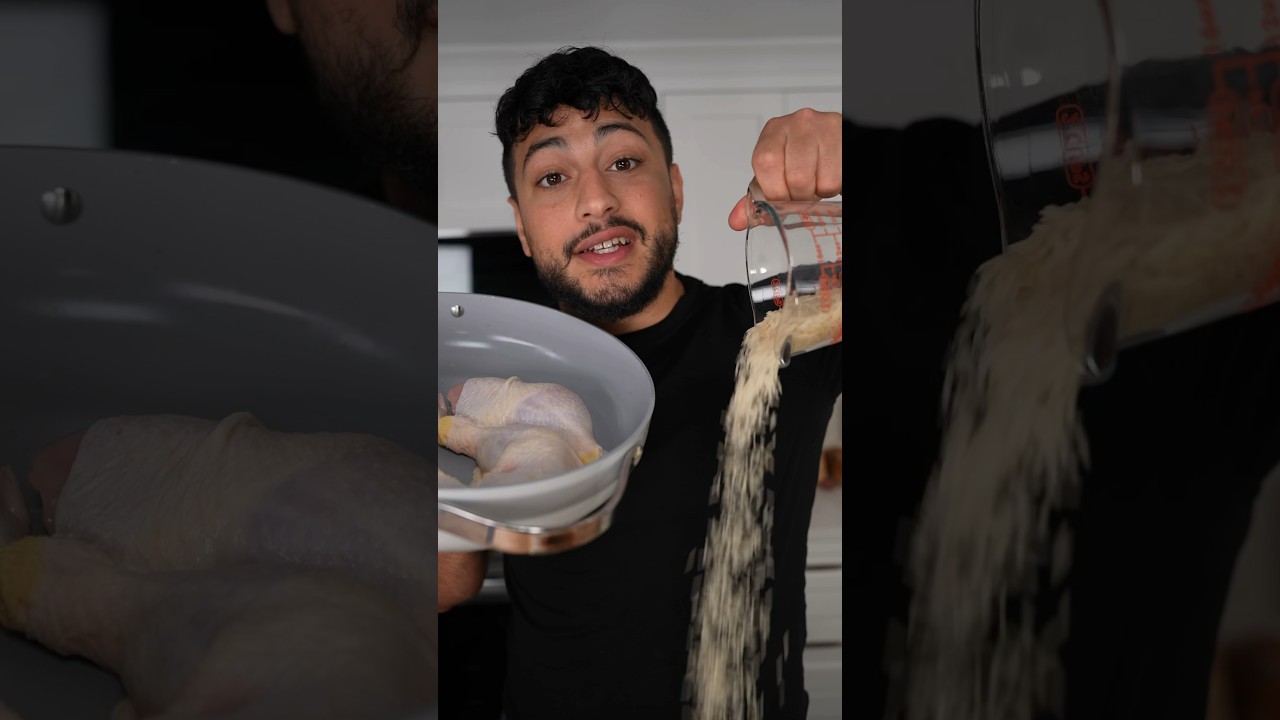
“Most one-pan chicken and rice recipes land at 30-35g of protein per serving and call it high-protein. This one hits 42g using two ingredients most recipes waste: Greek yogurt stirred into the broth and cottage cheese folded in at the end. Neither one tastes like health food. Both disappear into the dish completely. The result is creamy, savory rice with genuinely satisfying protein density — the kind that keeps you full past the 3pm slump.”
Why This Recipe Works
One-pan chicken and rice is the meal prep standard for a reason: it's forgiving, it scales, and it reheats without falling apart. The problem is that most versions max out around 30-35g of protein per serving and then label themselves "high-protein" on the strength of the chicken alone. This version actually earns the label — 42g per bowl — by using two ingredients that most cooks either ignore or cook wrong.
The Hidden Protein Architecture
Greek yogurt and cottage cheese do the same structural work as cream or butter in a classic rice pilaf — they add richness and bind the dish together — but they do it while contributing 10 additional grams of protein per serving. The trick is sequencing. Both dairy ingredients go in after the heat is off, using only residual warmth to incorporate. Apply direct heat to either one and you get curdled yogurt or grainy cottage cheese instead of a smooth, creamy finish.
The tempering step for the yogurt is not optional. Cold yogurt dropped into a hot pan seizes and separates on contact. Two tablespoons of warm broth whisked into the yogurt before it hits the rice brings the temperature up gradually and prevents the protein strands from tightening into clumps. This is the same logic behind tempering eggs into a hollandaise — the principle scales down to a Tuesday-night dinner without any additional skill required.
The Sear Is the Seasoning
Most one-pan recipes treat the chicken as an ingredient to be cooked rather than a flavor source. This is a mistake. Those 3-4 minutes of undisturbed contact between the chicken and the hot skillet generate hundreds of new flavor compounds through the Maillard reaction — the same browning chemistry that makes seared steak taste categorically different from poached steak. The fond (browned bits) left in the pan after the chicken is moved to the edges becomes the flavor base for everything that follows: the onions sauté in it, the rice toasts in it, the broth deglazes it.
Crowding the pan destroys this entirely. Chicken packed tightly drops the pan temperature below the threshold for browning and switches from searing to steaming. If your pan is under 12 inches, sear in two batches. The 4 extra minutes are not wasted — they're the difference between a dish that tastes like meal prep and one that tastes like dinner.
The Rice Equation
Toasting the rice in the pan drippings before adding broth serves two purposes. First, it adds a subtle nuttiness that you don't notice consciously but would miss if it were gone. Second, it coats each grain in a thin layer of oil that slows water absorption slightly and keeps the grains separate rather than sticky.
The broth-to-rice ratio here is 2:1 (3 cups broth to 1.5 cups rice), which is standard for long-grain white rice but slightly lower than what many recipes use. That's intentional — the moisture from the frozen vegetables and the dairy finish adds back some liquid, and starting with slightly less broth prevents the final dish from turning soupy. The lid does the rest. Leave it on for the full 15-18 minutes, come back when the timer goes off, and trust that the pan knows its job.
Why This Actually Holds Up for Meal Prep
Most meal-prepped rice dries out by day 2 because starch retrogradation — the process where cooked starch re-crystallizes in the fridge — pulls moisture out of the grains. The yogurt and cottage cheese slow this process significantly because dairy fat and protein interfere with starch crystal formation. The practical result: this dish on day 3 eats almost as well as day 1, which is the actual test of a reliable meal prep recipe.
The lemon juice at the end is the final calibration. Dairy-forward dishes flatten out without acid — not because you want the dish to taste sour, but because acid sharpens every other flavor and prevents the richness from reading as heavy. Add it. Taste it. Then decide if you want more.
Where Beginners Mess This Up
Before we start, read this. These are the 4 reasons your one-pan chicken and rice (42g protein, zero fuss) will fail:
- 1
Not searing the chicken before adding the rice: Dumping raw chicken into the broth with the rice skips the Maillard reaction entirely. You get pale, steamed chicken with no flavor contribution to the pan. Those 3-4 minutes of searing without stirring build the golden crust that seeds the entire dish with savory depth. Do not skip it.
- 2
Adding Greek yogurt straight from the fridge: Cold yogurt hits a hot pan and curdles instantly — you get lumpy white clumps instead of a creamy sauce. Always temper it first: whisk a tablespoon or two of the hot broth into the yogurt to bring it up to temperature before stirring it into the pan.
- 3
Lifting the lid while the rice cooks: The rice needs uninterrupted steam to cook evenly. Every time the lid comes off, temperature drops and the liquid evaporates unevenly — you get crispy rice around the edges and soupy rice in the center. Set the timer for 15 minutes. Leave it alone.
- 4
Overcooking the rice before adding dairy: Remove the pan from heat before stirring in the yogurt and cottage cheese. Residual heat is enough to warm them through. Active heat breaks down the proteins in cottage cheese and turns the yogurt grainy. The pan is hot enough off the burner — trust it.
The Video Reference Library
Want to see it in action? Here are the exact videos we analyzed and combined to build this foolproof recipe translation:
The source video for this recipe. Covers the Greek yogurt tempering technique and cottage cheese fold-in method that gets you to 42g protein without altering the texture of the final dish.
🛠️ Core Equipment
- Large skillet or Dutch oven (12-inch, lidded)You need surface area for the chicken to sear without crowding, plus depth to hold the rice and broth. A [Dutch oven](/kitchen-gear/review/dutch-oven) distributes heat evenly and eliminates hot spots that burn the bottom layer of rice.
- Small mixing bowlFor tempering the Greek yogurt before it goes into the pan. Non-negotiable if you want a smooth finish instead of curdled chunks.
- Tight-fitting lidThe rice needs a sealed environment to steam properly. A loose lid or a lid that doesn't match the pan will let too much steam escape, leaving you with undercooked grains and a dry finished dish.
- Instant-read thermometerChicken breast overcooks fast and dries out at 165°F+. Pulling it right at 160°F (it carries over) keeps it juicy. Visual doneness testing on cubed chicken is unreliable.
One-Pan Chicken and Rice (42g Protein, Zero Fuss)
🛒 Ingredients
- ✦2 tablespoons olive oil
- ✦1.5 pounds boneless, skinless chicken breast, cut into bite-sized chunks
- ✦1 medium yellow onion, finely diced
- ✦4 cloves garlic, minced
- ✦1.5 cups long-grain white rice
- ✦3 cups low-sodium chicken broth
- ✦3/4 cup plain nonfat Greek yogurt
- ✦1 cup frozen peas and carrots
- ✦1 teaspoon dried thyme
- ✦1/2 teaspoon paprika
- ✦1/4 teaspoon cayenne pepper
- ✦Salt and black pepper to taste
- ✦1/2 cup low-fat cottage cheese
- ✦2 green onions, thinly sliced
- ✦1 tablespoon fresh lemon juice
👨🍳 Instructions
01Step 1
Heat olive oil in a large skillet or Dutch oven over medium-high heat until shimmering, about 1 minute.
02Step 2
Add the chicken chunks in a single layer and cook without stirring for 3-4 minutes until the bottoms develop a golden crust. Stir and continue cooking until no longer pink on the outside, about 4-5 minutes total.
03Step 3
Push the chicken to the edges of the pan. Add the diced onion to the center and sauté until translucent and softened, about 3 minutes.
04Step 4
Stir in the minced garlic and cook until fragrant, about 30 seconds. Combine everything together in the pan.
05Step 5
Add the rice and stir continuously for 1-2 minutes to lightly toast the grains and coat them in oil.
06Step 6
Pour in the chicken broth and bring to a boil over medium-high heat, stirring occasionally.
07Step 7
Reduce heat to low, cover tightly, and simmer for 15-18 minutes until the rice is tender and most of the liquid is absorbed.
08Step 8
While the rice cooks, whisk the Greek yogurt together with 2 tablespoons of warm broth in a small bowl to temper it.
09Step 9
Remove the pan from heat. Stir in the tempered Greek yogurt mixture until fully incorporated.
10Step 10
Add the frozen peas and carrots, thyme, paprika, and cayenne pepper. Stir gently to distribute evenly.
11Step 11
Fold in the cottage cheese until just combined. The residual heat will warm it through.
12Step 12
Season with salt, black pepper, and lemon juice. Taste and adjust.
13Step 13
Divide among four bowls and garnish with sliced green onions. Serve immediately.
Nutrition Per Serving
Estimates based on standard preparation. Adjustments alter macros.
🔄 Substitutions
Instead of Boneless, skinless chicken breast...
Use 93% lean ground turkey
Cooks faster and integrates more thoroughly into the rice. Less chewy, equally satisfying. Brown it fully before adding the onion — no resting, no crowding.
Instead of Plain nonfat Greek yogurt...
Use Nonfat plain kefir or additional cottage cheese
Kefir is thinner — add it without tempering but go slowly. Cottage cheese only adds more creaminess and protein. Either works. Kefir adds tanginess; cottage cheese adds body.
Instead of Low-fat cottage cheese...
Use Silken tofu blended with 2 tablespoons nutritional yeast
Plant-based swap that holds the protein count at roughly 7g per serving. Slightly more neutral flavor. Blend it completely smooth before folding in or you get chunks.
Instead of Long-grain white rice...
Use Brown rice or farro
Add 15-20 extra minutes of cook time and an additional 1/2 cup broth. Nuttier flavor, more fiber, chewier texture. Both hold up well in this format.
🧊 Storage & Reheating
In the Fridge
Store in airtight containers for up to 4 days. The yogurt and cottage cheese continue to meld into the rice overnight — day 2 is actually better.
In the Freezer
Freeze in individual portions for up to 2 months. The cottage cheese texture changes slightly after freezing but remains acceptable. Thaw overnight in the fridge before reheating.
Reheating Rules
Add a splash of chicken broth or water to the container before reheating. Microwave covered on medium power for 2 minutes, stir, then 1 more minute. The extra liquid prevents the rice from drying out and the dairy from breaking.
❓ Frequently Asked Questions
Why does my yogurt curdle when I stir it in?
You're adding it too hot or skipping the tempering step. Whisk 2 tablespoons of warm (not boiling) broth into the yogurt before it hits the pan, and always remove the pan from heat first. Cold yogurt in a hot pan = instant curdling.
Can I use chicken thighs instead of breast?
Yes, and they're more forgiving. Thighs tolerate longer cook times without drying out, so if your timing is slightly off it won't ruin the dish. The fat content increases slightly but the protein stays comparable.
The rice is still wet when I lift the lid — what happened?
Either the heat was too high and the broth boiled off too fast without cooking the rice through, or the lid wasn't sealing properly. Replace the lid and let it sit off heat for 5-10 minutes. Residual steam usually finishes the job. If not, add 2 tablespoons broth and return to low heat for 5 minutes.
Can I skip the cottage cheese?
Yes, but you'll drop from 42g to roughly 32g of protein per serving. The texture will also be slightly less creamy. If you're hitting protein targets, keep it. If you just want a solid one-pan dinner, the dish works without it.
Is this actually good for meal prep?
It's one of the better meal prep dishes specifically because of the dairy. The yogurt and cottage cheese keep the rice from drying out in the fridge, which is the main reason most meal-prepped rice tastes terrible by day 3. This holds up through day 4.
How do I know the chicken is cooked through before the rice goes in?
The chicken doesn't need to be fully cooked before you add the broth — it finishes during the 15-18 minute simmer. What matters is that the exterior is no longer pink and you have a good sear. If you're anxious, an instant-read thermometer at the end of the simmer should read 165°F.
The Science of
One-Pan Chicken and Rice (42g Protein, Zero Fuss)
We turned everything on this page into a beautiful, flour-proof PDF cheat sheet. Print it out, stick it to your fridge, and never mess up your one-pan chicken and rice (42g protein, zero fuss) again.
*We'll email you the high-res PDF instantly. No spam, just perfectly cooked meals.
AlmostChefs Editorial Team
We translate the internet's most popular cooking videos into foolproof, beginner-friendly written recipes. We analyze multiple methods, test them in our kitchen, and engineer a single "Master Recipe" that gives you the best possible result with the least possible stress.