The Crunchiest Roasted Chickpea Snack Mix (Stays Fresh a Full Month)
A boldly spiced mix of roasted chickpeas, almonds, and seeds that delivers serious crunch, real protein, and a pantry shelf life of up to one month. We built the technique around maximum moisture removal and a low, slow roast so every piece stays crispy — not chewy — for weeks.
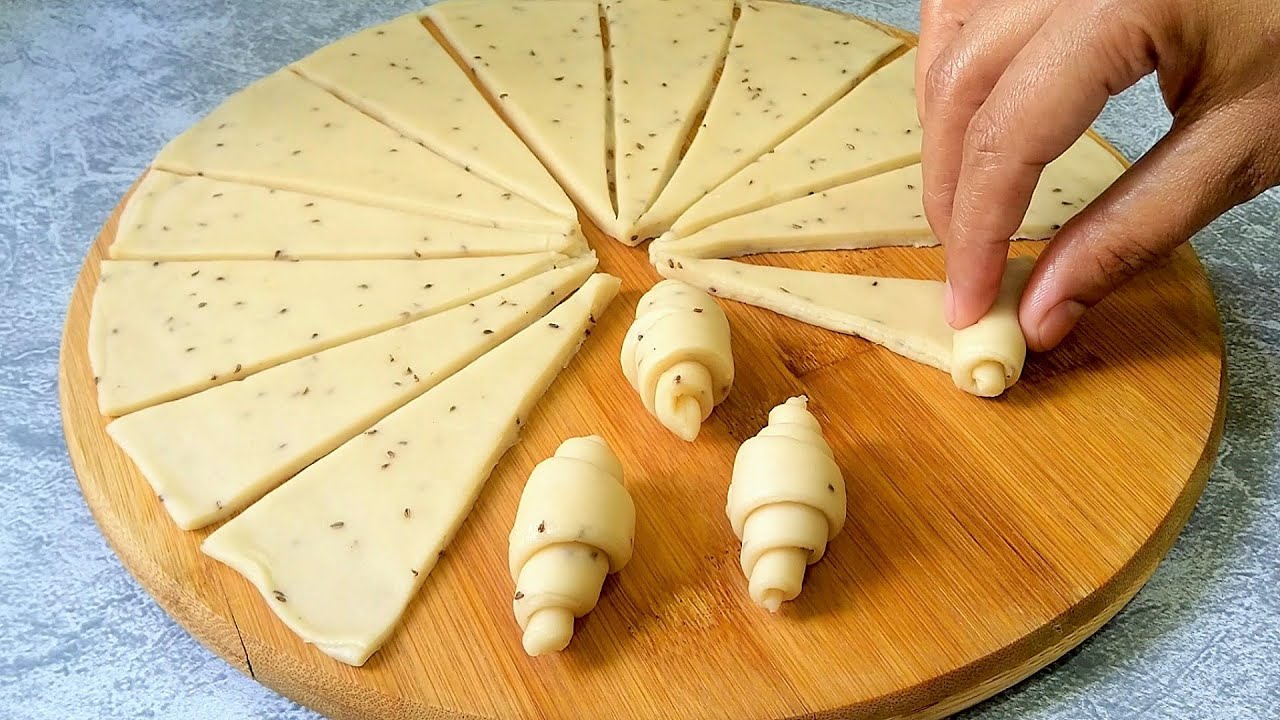
“Most roasted chickpea recipes go stale within 48 hours. You make a big batch, put it in a jar, and by Wednesday it's gone soft and you're back to buying chips. The fix isn't a different spice blend — it's water. Specifically, removing every possible trace of it before the chickpeas ever touch the oven. Pair that with a low roast temperature and proper airtight storage, and you have a snack mix that stays genuinely crispy for a month.”
Why This Recipe Works
Most roasted chickpea recipes are lying to you. Not about the ingredients — about the physics. They tell you to drain the chickpeas and toss them in oil and spices and call it done. They don't tell you that every can of chickpeas contains enough residual moisture to guarantee soft, stale snacks within 48 hours no matter what temperature you roast at. That's the conversation this recipe actually needs to have.
The Moisture Problem
A 15-ounce can of chickpeas arrives packed in aqueous liquid with a pH around 6.0 and a sodium content that's been slowly migrating into the legume for months. When you drain it, you remove the bulk of that liquid. When you pat it dry with a towel, you remove the surface moisture. But there's a third category nobody talks about: the water trapped inside the chickpea skin itself, absorbed during canning. That water doesn't respond to towels. It responds to heat — slow, sustained, low heat that draws it out over 25-30 minutes.
This is why 325°F is the number. At 375°F or above, you're browning the exterior faster than you're dehydrating the interior. The result looks done, feels done coming out of the oven, and then softens overnight as the residual steam trapped inside slowly migrates outward. At 325°F, you're running a dehydration operation with a browning side effect. The process is slower but the crunch it produces is structural, not superficial.
The Coating Architecture
The olive oil and maple syrup mixture isn't just flavor — it's the adhesion system that holds the spice layer to every surface. Oil alone would work, but it wouldn't create the slight lacquer finish that seals the spice coat against the humid air of your kitchen over the following weeks. The maple syrup caramelizes in the oven and sets into a thin, slightly brittle shell around each piece. That's the crunch you hear and feel, and it's also the barrier that slows moisture reabsorption during storage.
Two tablespoons of oil for the entire batch sounds minimal. It is. You're not frying these — you're coating them. Each piece needs a thin, even film, not a pool. This is why hand-tossing for 2-3 full minutes matters. Spoons miss pockets. Hands don't.
The spice blend here runs warm and savory with controlled heat: cumin and smoked paprika as the foundation, garlic powder for depth, cayenne for a back-of-the-throat finish, cinnamon for just enough sweetness to balance the salt, and rosemary because its volatile oils hold up under oven heat in ways that more delicate herbs don't. The nutritional yeast is the piece most people want to skip and shouldn't. It adds the umami layer that distinguishes a snack that tastes like effort from one that tastes like roasted beans.
Storage Is Half the Recipe
The shelf life claim — up to one month — depends entirely on what you do after the oven. The mix needs to cool fully on the baking sheets before it touches a container. This takes at least 15 minutes and often closer to 25 for a full double batch. The texture continues developing during this window as the residual heat finishes driving out surface moisture. Seal it early and you trap steam inside the jar, which reconstitutes everything you just worked to dry out.
Glass containers with rubber-sealed lids are genuinely not optional here. Plastic allows micro-exchange of air and humidity over time. Glass is inert and truly airtight. Store the containers away from light and any heat source — a cabinet near the stove is not the right place. A pantry shelf, a drawer, or a countertop away from the range extends crispness significantly.
Use a rimmed baking sheet for this. The rim is what allows you to stir vigorously every 8-10 minutes without scattering seeds across your oven floor, and it prevents the uneven edge-burning that turns the outer rows bitter while the center is still pale. Two sheets instead of one is non-negotiable — crowded chickpeas steam, they don't roast.
Make a double batch. You did the work. The incremental effort of doubling the recipe is almost zero, and portion-sealed jars mean each serving stays truly airtight until the moment you open it.
Where Beginners Mess This Up
Before we start, read this. These are the 4 reasons your the crunchiest roasted chickpea snack mix (stays fresh a full month) will fail:
- 1
Not drying the chickpeas thoroughly enough: Canned chickpeas arrive swimming in aqueous packing liquid. Draining alone removes maybe 60% of that moisture. The rest lives inside the chickpea skin and on its surface, and if it goes into the oven wet, it steams instead of roasts — producing soft, chewy chickpeas that go stale in a day. Pat them dry aggressively with a clean towel, then let them air-dry on the sheet for 10 minutes before mixing.
- 2
Roasting at too high a temperature: 375°F or above browns the outside of the chickpeas quickly while leaving the interior damp. When they cool, the residual steam softens the crust you just built. 325°F is slower but it dehydrates the chickpea all the way through, producing a crisp that holds for weeks instead of hours.
- 3
Not stirring on schedule: The edges of a baking sheet run 15-20°F hotter than the center. Without stirring every 8-10 minutes, the outer pieces burn before the inner ones are done. Burnt chickpeas turn bitter and the spice coating chars. Set a timer and stir on schedule.
- 4
Storing before fully cooled: The snack mix keeps crisping as it cools — up to 15 minutes after coming out of the oven. Sealing warm snacks traps residual steam in the container, undoing the entire roasting effort. Wait until everything is genuinely room temperature before sealing.
The Video Reference Library
Want to see it in action? Here are the exact videos we analyzed and combined to build this foolproof recipe translation:
The source video that inspired this recipe. Demonstrates the full technique including the drying step, spice coating, and storage method that makes the one-month shelf life possible.
🛠️ Core Equipment
- Two large rimmed baking sheetsCrowding everything onto one sheet traps steam and produces uneven browning. Two sheets give each piece enough space to roast rather than sweat. Rimmed sides prevent seeds from rolling off during stirring.
- Parchment paperPrevents sticking and makes cleanup instant. The maple syrup caramelizes onto direct sheet metal and is almost impossible to scrub off. Parchment also slightly insulates the bottom, reducing burn risk on the lower rack.
- Airtight glass containersPlastic containers allow micro-oxygen exchange over time, accelerating staleness. Glass with rubber-sealed lids creates a true airtight environment. Remove as much air as possible before sealing — a small silicone food saver helps.
- Clean kitchen towelPaper towels shred and leave debris on the chickpeas. A clean cotton towel absorbs moisture more efficiently and can be used to roll and press the chickpeas dry in bulk.
The Crunchiest Roasted Chickpea Snack Mix (Stays Fresh a Full Month)
🛒 Ingredients
- ✦2 cans (15 oz each) chickpeas, drained and patted dry
- ✦1 cup raw almonds, roughly chopped
- ✦3/4 cup raw pumpkin seeds (pepitas)
- ✦1/2 cup raw sunflower seeds
- ✦2 tablespoons extra virgin olive oil
- ✦1 tablespoon pure maple syrup
- ✦1 1/2 teaspoons ground cumin
- ✦1 teaspoon smoked paprika
- ✦3/4 teaspoon garlic powder
- ✦1/2 teaspoon cayenne pepper
- ✦1/2 teaspoon ground cinnamon
- ✦1 teaspoon sea salt
- ✦1/2 teaspoon freshly cracked black pepper
- ✦2 teaspoons fresh rosemary leaves, finely minced
- ✦1 tablespoon nutritional yeast (optional but recommended)
- ✦1/4 teaspoon ground ginger
👨🍳 Instructions
01Step 1
Preheat your oven to 325°F and line two large baking sheets with parchment paper.
02Step 2
Drain the chickpeas and transfer them to a clean kitchen towel. Pat vigorously to remove surface moisture, then spread on the parchment-lined sheets and let air-dry for 10 minutes.
03Step 3
Whisk together the olive oil and maple syrup in a small bowl until emulsified.
04Step 4
In a large mixing bowl, combine the dried chickpeas, chopped almonds, pumpkin seeds, and sunflower seeds.
05Step 5
Add the cumin, smoked paprika, garlic powder, cayenne, cinnamon, salt, black pepper, rosemary, nutritional yeast, and ginger. Toss to distribute the spices evenly across the mixture.
06Step 6
Drizzle the olive oil and maple syrup mixture over everything. Toss vigorously for 2-3 minutes until every piece is lightly and evenly coated.
07Step 7
Spread the mixture in a single layer across both prepared baking sheets. Do not stack or overlap pieces.
08Step 8
Roast at 325°F for 25-30 minutes, stirring every 8-10 minutes. The chickpeas are done when deeply golden and audibly crunchy when you tap them with a spoon. The almonds should smell fragrant and the seeds should be light golden brown.
09Step 9
Remove from the oven and immediately season with additional salt to taste if desired.
10Step 10
Let the mixture cool completely on the baking sheets for at least 15 minutes. Do not rush this step — the texture continues developing as it cools.
11Step 11
Once fully cooled, transfer to airtight glass containers, pressing out as much air as possible before sealing. Store at room temperature away from direct light and heat.
Nutrition Per Serving
Estimates based on standard preparation. Adjustments alter macros.
🔄 Substitutions
Instead of Extra virgin olive oil...
Use Avocado oil or walnut oil
Avocado oil has a higher smoke point and adds mild richness. Walnut oil brings earthiness and extra omega-3s but can go rancid faster — use within 3 weeks if substituting.
Instead of Pure maple syrup...
Use Raw honey or coconut nectar
Honey adds floral notes and has natural antimicrobial properties that may extend shelf life slightly. Coconut nectar has a lower glycemic index. Both bind the spice coating effectively.
Instead of Canned chickpeas...
Use Dried chickpeas soaked overnight and boiled until just tender
Slightly nuttier flavor and firmer texture with fewer preservatives. Requires planning ahead but produces a noticeably superior crunch. Dry them exactly as you would canned — the moisture removal process is identical.
Instead of Smoked paprika and cayenne...
Use Smoked paprika only, or swap cayenne for turmeric
Removing cayenne makes this kid-friendly and gentler on sensitive digestion. Turmeric adds anti-inflammatory curcumin and a golden color shift without heat.
🧊 Storage & Reheating
In the Fridge
Not recommended — refrigerator humidity will soften the mix within days.
In the Freezer
Not recommended for texture reasons. The freeze-thaw cycle introduces moisture and destroys the crunch.
Reheating Rules
If the mix has softened, spread on a baking sheet and bake at 300°F for 8-10 minutes. Cool completely before re-sealing.
❓ Frequently Asked Questions
Why did my roasted chickpeas go soft after a day or two?
The most common cause is insufficient drying before roasting. Canned chickpeas hold significant residual moisture even after draining. They need aggressive towel-drying plus 10 minutes of air-drying on the sheet before they go into the oven. The second most common cause is sealing the container while the mix was still warm.
Can I use dried chickpeas instead of canned?
Yes, and they produce a superior result. Soak overnight, boil until just tender (not soft), then dry them exactly as you would canned. The extra prep is worth it for the texture and flavor.
What does nutritional yeast do here?
It adds savory, umami depth — the flavor you'd get from a seasoned snack mix versus plain roasted nuts. It also adds B vitamins. If you skip it, the mix still works, but it tastes noticeably less complex.
Can I make this nut-free?
Yes. Replace the almonds with an equal volume of additional pumpkin seeds, sunflower seeds, or add hemp seeds. The texture will be less varied but the flavor profile holds.
Why 325°F instead of a higher temperature?
Higher temperatures crisp the outside of the chickpeas quickly but leave the interior damp. When they cool, residual internal moisture softens the crust from the inside. 325°F dehydrates the chickpea all the way through, which is what makes the crunch last for weeks rather than hours.
How do I know when they're done?
Pull one chickpea at the 25-minute mark and let it cool for 60 seconds. Taste it — it should snap cleanly and feel dry, not dense or chewy. The almonds should smell toasty and fragrant. If in doubt, give it another 5 minutes. Underroasted is a bigger problem than slightly overroasted here.
The Science of
The Crunchiest Roasted Chickpea Snack Mix (Stays Fresh a Full Month)
We turned everything on this page into a beautiful, flour-proof PDF cheat sheet. Print it out, stick it to your fridge, and never mess up your the crunchiest roasted chickpea snack mix (stays fresh a full month) again.
*We'll email you the high-res PDF instantly. No spam, just perfectly cooked meals.
AlmostChefs Editorial Team
We translate the internet's most popular cooking videos into foolproof, beginner-friendly written recipes. We analyze multiple methods, test them in our kitchen, and engineer a single "Master Recipe" that gives you the best possible result with the least possible stress.