The Perfect Omelette (Stop Ruining Your Eggs)
A French-inspired vegetable and herb omelette with whisked eggs cooked in butter until tender and custardy. We broke down the most common failure points — rubbery texture, watery filling, broken folds — and built one foolproof technique that delivers a creamy, golden omelette in under 15 minutes.
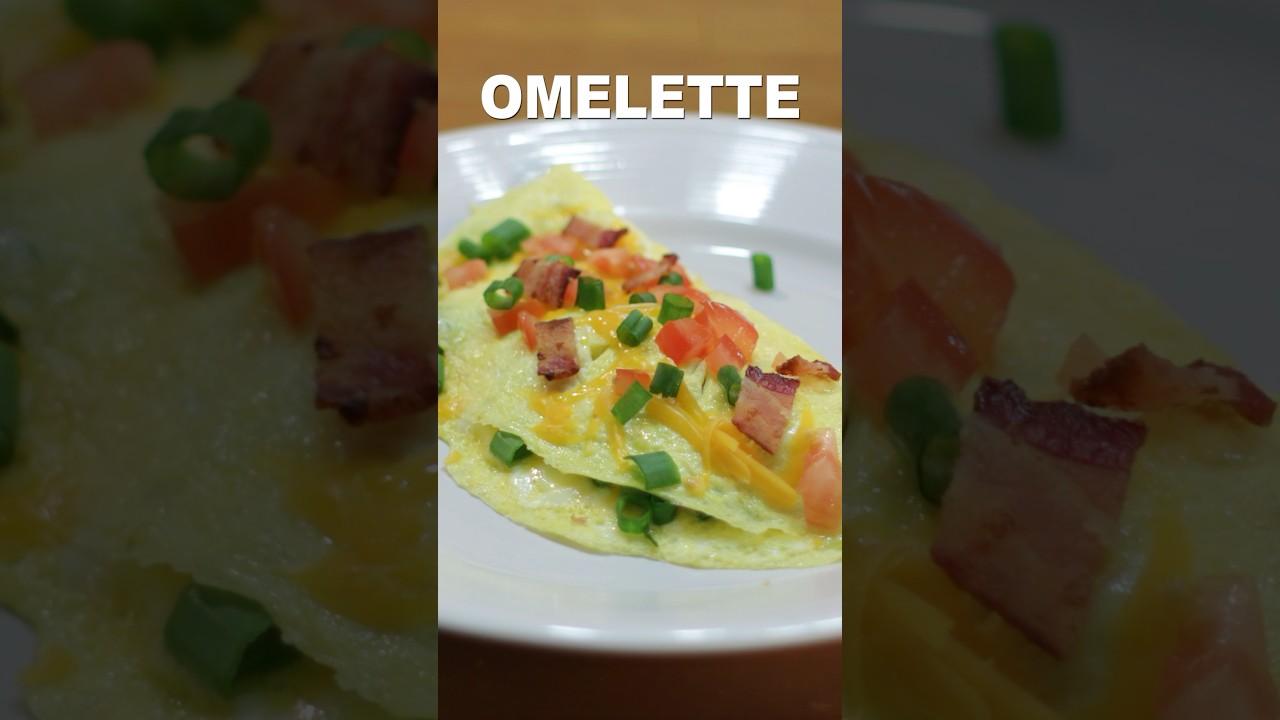
“The omelette is the chef's audition piece for a reason. A three-ingredient dish with a 90-second cook window separates the people who understand heat from the people who just apply it. Most home omelettes are scrambled eggs that got folded — rubbery, dry, overstuffed, and apologetic. The difference between that and a proper omelette is almost entirely about when you pull it off the heat.”
Why This Recipe Works
The omelette is not a forgiving dish. It doesn't hide mistakes under sauce or mask failure with long cooking times. It is three eggs, two tablespoons of butter, and approximately four minutes of complete attention. Every technique choice in this recipe exists to solve a specific physics problem — and when you understand the physics, the technique stops feeling arbitrary.
The Temperature Equation
Egg proteins begin to denature at around 140°F and become fully set — meaning rubbery and firm — at 160°F. The difference between creamy and rubbery is literally 20 degrees. This is why pan temperature and timing matter more than any other variable. A 10-inch non-stick skillet preheated for one full minute reaches the right surface temperature to set the bottom of the egg immediately on contact, while the top layer has time to catch up through conduction. Add eggs to a cold pan and they heat slowly, bonding to the surface and cooking through completely before you've had any chance to move them.
The butter serves as your temperature indicator. Foaming butter means the water content is evaporating — the pan is at the right temperature for eggs. Brown butter means you've crossed into the danger zone where the eggs will cook too fast on the bottom. The 30-second window between foaming and browning is your entry point.
The Egg Prep No One Takes Seriously
Room-temperature eggs are not a suggestion. A cold egg in a hot pan has a temperature differential of 80+ degrees between the surface and the center. The bottom sets before the top has moved, and you lose the ability to fold without tearing. A room-temperature egg has a differential of about 20 degrees — it heats uniformly, sets uniformly, and gives you an intact egg layer you can actually work with.
The whisk technique matters too. Fifteen seconds of whisking creates the light aeration that gives a French omelette its slightly fluffy interior. Underwhisk and you get streaky eggs with inconsistent texture. Overwhisk and you incorporate too much air, creating a foam that collapses into a tight, dense layer when cooked. Fifteen seconds. Stop when it's combined.
The Filling Problem
Every wet ingredient you put inside a raw omelette is a structural threat. Mushrooms are 90% water. Bell peppers release liquid under heat. If you add these raw, they steam from the inside out — softening the egg, flooding the fold line, and creating a wet, broken mess. The solution is pre-cooking every filling to drive out moisture before it ever enters the omelette.
A rubber spatula is the only acceptable tool for moving egg in the pan. The push-and-tilt technique — gently pushing set egg toward the center while tilting the pan so raw egg flows to the edges — is how you cook the entire surface without ever flipping. Each push moves a wave of raw egg into contact with the hot pan. The goal is to have the entire egg surface set except for a thin, glossy film on top — that's your fold signal.
The Fold
The fold is not a dramatic event. It's a gentle crescent, spatula under one edge, lifted and guided to meet the other side. What destroys the fold is too much filling and too much hesitation. Thin filling layer, decisive motion, done. If the egg tears, it cooked too long. If the filling falls out, you used too much.
Slide it onto a warm plate immediately. The residual heat from the egg and the pan will finish the interior in the 30 seconds it takes to walk from stove to table. The cheese melts. The spinach wilts. The inside stays soft. That's the point — an omelette continues cooking after it leaves the heat, and every good omelette recipe builds that into the timing.
Mastering this dish means mastering heat. Everything else is just mise en place.
Where Beginners Mess This Up
Before we start, read this. These are the 4 reasons your the perfect omelette (stop ruining your eggs) will fail:
- 1
Overcooking the eggs: An omelette should come off the heat while the top surface still looks slightly wet. The residual heat from the pan finishes it. If you wait until the top looks fully set, the interior is already rubbery. The window between 'not ready' and 'overdone' is about 20 seconds. Watch the edges, not the center.
- 2
Wet vegetables flooding the omelette: Mushrooms are 90% water. Bell peppers release liquid when heated. If you add raw or improperly sautéed vegetables directly to your egg mixture, they steam from the inside and you get a wet, broken omelette. Pre-cook every filling ingredient. Pat mushrooms dry before they ever touch the pan.
- 3
Overstuffing the fold: An omelette is not a burrito. The filling should be a thin, even layer across half the surface — not piled high. Too much filling tears the egg when you fold, and the center never gets hot enough to melt the cheese. Less is always more here.
- 4
Cold eggs straight from the fridge: Cold eggs hit a hot pan unevenly — the bottom sets before the top has any chance to move. Room-temperature eggs cook uniformly from edge to center, giving you the slow creep of set egg you need to fold properly. Ten minutes on the counter makes a measurable difference.
The Video Reference Library
Want to see it in action? Here are the exact videos we analyzed and combined to build this foolproof recipe translation:
The source video for this recipe. Demonstrates the exact 70% set technique and how to judge when the omelette is ready to fold before the surface looks fully cooked.
🛠️ Core Equipment
- 10-inch non-stick skilletThe specific diameter matters. A 10-inch pan spreads a 3-egg omelette to the right thickness — thin enough to cook through quickly without browning. A smaller pan gives you a thick, slow omelette; a larger pan gives you a paper-thin crepe you can't fold.
- Rubber spatulaSilicone or rubber only — never metal on a non-stick surface. The spatula is your primary control mechanism for pushing set egg toward the center and guiding the fold. A stiff plastic spatula lacks the flexibility to get under the egg cleanly.
- Small bowl and whiskWhisking the eggs separately before they hit the pan — not in the pan — is what creates a uniform, slightly frothy mixture. Fork-beaten eggs lack the aeration. Over-beaten eggs become tight and rubbery. Fifteen seconds of whisking is the target.
The Perfect Omelette (Stop Ruining Your Eggs)
🛒 Ingredients
- ✦3 large eggs, room temperature
- ✦2 tablespoons unsalted butter
- ✦2 tablespoons whole milk or light cream
- ✦1/4 teaspoon sea salt
- ✦1 pinch freshly ground black pepper
- ✦1/2 cup fresh spinach, loosely packed
- ✦1/4 cup diced red bell pepper
- ✦1/4 cup diced yellow onion
- ✦3 tablespoons mushrooms, finely diced
- ✦1/3 cup aged cheddar cheese, shredded
- ✦1 tablespoon fresh chives, thinly sliced
- ✦1 teaspoon fresh flat-leaf parsley, minced
- ✦1 tablespoon diced ham or bacon (optional)
- ✦Pinch of garlic powder
👨🍳 Instructions
01Step 1
Remove eggs from the refrigerator 10 minutes before cooking and let them come to room temperature.
02Step 2
Dice the bell pepper, onion, and mushrooms into small, uniform pieces. Pat the mushrooms dry with paper towels.
03Step 3
Heat a 10-inch non-stick skillet over medium-high heat for 1 minute until evenly warmed. Add 1 tablespoon of butter and swirl until foaming but not browning, about 30 seconds.
04Step 4
Sauté the diced onion and bell pepper until the onion turns translucent and the edges soften, about 2 minutes. Transfer to a small plate.
05Step 5
Return the pan to medium-high heat and add the remaining tablespoon of butter, allowing it to foam again.
06Step 6
While the butter heats, whisk the eggs with milk, salt, pepper, and garlic powder until just combined and slightly frothy — about 15 seconds. Don't overbeat.
07Step 7
Pour the egg mixture into the foaming butter and let it sit undisturbed for 15 seconds to begin setting on the bottom.
08Step 8
Use a rubber spatula to gently push the set egg edges toward the center, simultaneously tilting the pan so uncooked egg flows to the edges. Repeat around the perimeter.
09Step 9
Once the eggs are mostly set but the top surface still appears slightly wet and glossy, scatter the sautéed vegetables, raw spinach, mushrooms, cheese, ham if using, and fresh herbs across one half of the omelette.
10Step 10
Fold the omelette in half over the fillings using the spatula. Keep the filling layer thin and contained — don't overstuff.
11Step 11
Cook for an additional 30 seconds to melt the cheese and wilt the spinach.
12Step 12
Slide the finished omelette onto a warm plate and serve immediately while the interior is still slightly creamy.
Nutrition Per Serving
Estimates based on standard preparation. Adjustments alter macros.
🔄 Substitutions
Instead of Unsalted butter...
Use Extra virgin olive oil or ghee
Olive oil creates a lighter, more Mediterranean profile. Ghee maintains the richness of butter with a slightly nuttier finish and higher smoke point — less likely to brown before you're ready.
Instead of Whole milk...
Use Unsweetened almond milk or oat milk
Slightly lighter texture with minimal flavor change. Works well if avoiding dairy. The milk's primary function is adding a touch of creaminess — a small amount of any liquid does the job.
Instead of Aged cheddar...
Use Feta or Swiss cheese
Feta is sharp, crumbly, and salty — use less of it. Swiss melts more smoothly than feta and has a milder flavor. Both work. Feta doesn't melt, it softens — factor that into your fold timing.
Instead of Ham or bacon...
Use Smoked salmon or diced turkey breast
Salmon adds richness and subtle smokiness — a natural pairing with chives and cream cheese if you want to go that direction. Turkey is leaner and milder, effectively invisible in the flavor profile.
🧊 Storage & Reheating
In the Fridge
Store cooled omelette in an airtight container for up to 1 day. Quality degrades significantly — the texture turns rubbery and the filling releases moisture.
In the Freezer
Not recommended. Eggs become watery and spongy after freezing and thawing. Make fresh.
Reheating Rules
If reheating is unavoidable, use a covered skillet over very low heat with a splash of water to generate gentle steam. Microwave turns eggs into rubber — avoid entirely.
❓ Frequently Asked Questions
Why is my omelette rubbery?
You cooked it too long. An omelette should come off the heat while the top surface is still slightly wet — residual heat finishes it on the plate. Once the surface looks fully set, the interior proteins have already tightened into rubber. The cook window is narrow, and experience is the only teacher.
Why does my omelette stick even in a non-stick pan?
Either the pan wasn't hot enough before you added the butter, or the butter wasn't foaming when you added the eggs. Cold pan plus cold butter equals eggs that bond to the surface before they can move. Preheat the pan for a full minute, let the butter foam actively, then pour.
Can I make this dairy-free?
Yes. Substitute olive oil or a neutral oil for the butter, skip the milk or use oat milk, and use a dairy-free cheese or omit the cheese entirely. The technique stays identical — only the fat changes.
How do I keep the filling from making the omelette soggy?
Pre-cook everything. Sauté the onion and pepper until softened. Pat mushrooms dry before cooking them. Wilt spinach in advance if you have time. The only ingredient that should go in raw is fresh herbs — everything else needs to have its moisture cooked out first.
What's the difference between a French omelette and an American omelette?
A French omelette has no color on the outside — pale yellow, rolled or folded, barely set, almost custardy inside. An American diner omelette is cooked until golden brown on the bottom, fully set, and stuffed. Different goals, different techniques. This recipe targets the French style.
Can I add more eggs for a bigger serving?
Add a fourth egg maximum in a 10-inch pan. Beyond that, the egg layer is too thick to cook evenly in the time window, and you can't fold it cleanly. For a larger serving, make two omelettes back to back — it's faster than fighting one oversized pan.
The Science of
The Perfect Omelette (Stop Ruining Your Eggs)
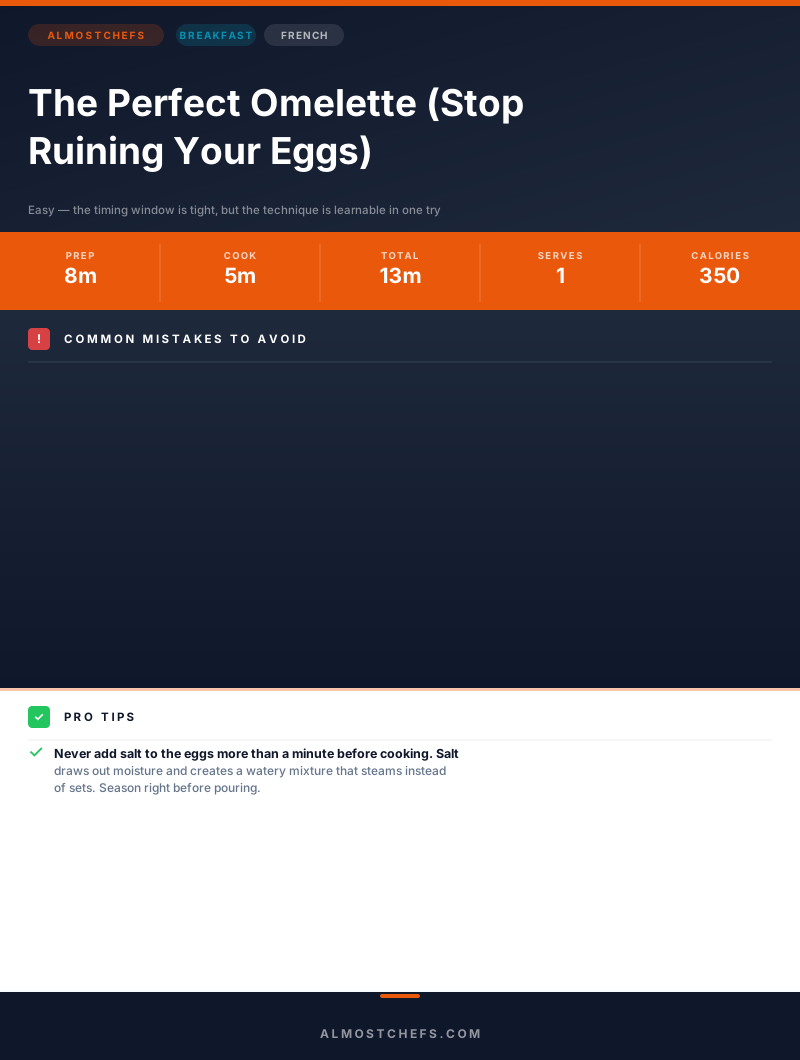
We turned everything on this page into a beautiful, flour-proof PDF cheat sheet. Print it out, stick it to your fridge, and never mess up your the perfect omelette (stop ruining your eggs) again.
*We'll email you the high-res PDF instantly. No spam, just perfectly cooked meals.
AlmostChefs Editorial Team
We translate the internet's most popular cooking videos into foolproof, beginner-friendly written recipes. We analyze multiple methods, test them in our kitchen, and engineer a single "Master Recipe" that gives you the best possible result with the least possible stress.