Better Than Olive Garden Minestrone Soup (Restaurant Secret Unlocked)
A hearty Italian vegetable soup loaded with two kinds of beans, al dente pasta, and a rich San Marzano tomato broth — built to match Olive Garden's beloved original at home, for a fraction of the cost and half the sodium.

“Olive Garden's Minestrone is the rare restaurant soup that actually delivers. It's vegetable-forward, bean-heavy, and arrives in a broth that tastes like it's been simmering all day. The problem is you're paying restaurant prices for something that costs about $4 to make at home — and their version is loaded with sodium. This recipe closes the gap: same depth, same comfort, substantially less salt, and ready in under an hour.”
Why This Recipe Works
Minestrone is the Italian grandmother test. Every Italian household has a version, every version is correct, and anyone who tells you otherwise is wrong. What Olive Garden understood when they put this on the menu in 1982 is that Americans, regardless of whether they knew anything about Italian cooking, would respond to a bowl of warm vegetable soup with beans and pasta in a tomato broth. They were right. It became the most-ordered item on their starter menu and has stayed there for over four decades.
The problem is not the restaurant's version. Their problem is yours: you can't replicate it at home without knowing what you're actually building.
The Soffritto Is the Soup
Minestrone is not a vegetable soup that has a broth. It is a broth that begins as vegetables. The soffritto — onion, carrot, celery, garlic cooked low and slow in olive oil until soft — is not a preliminary step you get through before the real cooking starts. It is the structural foundation of every flavor that follows. Under-cook it and you have a soup that tastes like hot vegetable water. Cook it properly and the resulting base has sweetness, depth, and a subtle complexity that no amount of seasoning can manufacture after the fact.
Twelve minutes minimum. The onion should be translucent and slightly sweet. The carrots should have lost their raw edge. The celery should smell like the soup it's about to become.
Tomato Paste Is Not Tomato
Two tablespoons of tomato paste, cooked directly in the olive oil for ninety seconds before any liquid touches it, is one of the highest-leverage moves in this entire recipe. What you're doing is triggering the Maillard reaction in a highly concentrated tomato solid — converting its raw, metallic acidity into something caramelized, round, and deeply savory. It's the same principle that makes roasted tomatoes taste nothing like raw ones. Skip this step and the broth will taste thin regardless of how long you simmer it.
San Marzano tomatoes operate on the same principle. These are a specific variety grown in the volcanic soil near Mount Vesuvius, and they have lower water content, higher natural sugar, and a lower seed ratio than field-grown American tomatoes. The flavor difference in a soup like this — where the tomato is one of the three or four dominant flavor elements — is not subtle. The DOP certification on the can means it actually came from the right region. Cheaper "San Marzano style" tomatoes are not the same.
Beans Are Structure, Not Filler
Two cans of beans is not an accident. Cannellini beans are creamy and mild — they absorb the broth and become almost silky by day two. Kidney beans are firmer and earthier — they hold their shape and provide textural contrast. Together they make the soup feel substantial without adding any animal protein.
Add them late. Beans that simmer in acidic tomato broth for more than 10-15 minutes begin to break down at the exterior and cloud the liquid. Five minutes after the main simmer is enough to warm them through and let them pick up seasoning. Everything else they need has already been built into the broth.
The Pasta Problem
Every home cook makes the same mistake: they add the pasta directly to the pot and let it cook in the soup. Then they put the leftovers away. The next day they open the container to find a thick, starchy paste with pasta that has absorbed half the remaining liquid and turned soft enough to cut with a spoon.
Cook the pasta separately, always. Store it separately. Add it to individual bowls at serving time. This is not a recommendation. It is the difference between soup and accidental porridge.
A large heavy-bottomed pot matters more than most people realize here. The tomato base scorches in a thin pot — you'll get a burnt bottom note running through the entire soup within minutes of adding the crushed tomatoes. Cast iron or heavy stainless steel distributes the heat evenly and gives you a clean, bright broth without any bitterness from the bottom.
Why This Version Is Better
The restaurant version runs high on sodium because they rely on heavily salted broth as a flavor shortcut. This recipe uses low-sodium broth and compensates with layered technique — the caramelized tomato paste, the proper soffritto, the Parmesan finish. The result is a soup that tastes as deep and complex as the original, with substantially less salt and more fiber from the dual-bean approach.
That's the real copycat move: not copying the recipe, but copying the result.
Where Beginners Mess This Up
Before we start, read this. These are the 4 reasons your better than olive garden minestrone soup (restaurant secret unlocked) will fail:
- 1
Cooking the pasta directly in the soup: Pasta cooked inside the broth absorbs it aggressively as the soup sits, turning your leftovers into a thick stew and leaving the pasta bloated and soft. Cook it separately, add it per bowl at serving time, and store it apart. This is non-negotiable if you plan on eating the soup over multiple days.
- 2
Skipping the tomato paste caramelization: Tomato paste added raw to liquid is just acidic red water. Cook it in the olive oil for 1-2 minutes before adding any liquid — the Maillard reaction converts its raw, tinny flavor into something deeper and rounder. This 90-second step is responsible for a disproportionate amount of the soup's depth.
- 3
Under-simmering after combining: Twenty minutes of gentle simmering is not optional. The Italian seasoning, bay leaf, and vegetable liquid need time to marry. Rushing this phase produces a broth that tastes like the sum of its parts instead of a unified whole. Low and slow is the entire principle behind Italian soup.
- 4
Using watery canned tomatoes: Generic crushed tomatoes are thin and acidic. San Marzano tomatoes have lower water content, higher natural sweetness, and less seed-to-flesh ratio. They are the correct tomato for this application. The flavor difference is immediate and significant.
The Video Reference Library
Want to see it in action? Here are the exact videos we analyzed and combined to build this foolproof recipe translation:
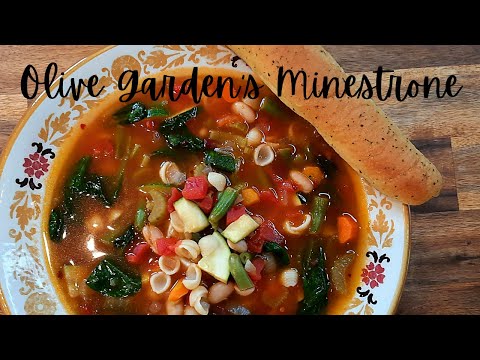
The source video that informed this recipe's broth ratio and seasoning layering. Pay attention to the tomato paste technique and how long the vegetables are allowed to soften before liquid goes in.
2. Classic Italian Minestrone Technique
A walkthrough of the Italian soup-building method — soffritto foundation, tomato base, and the correct simmer time for depth. Useful context for understanding what this recipe is drawing from.
3. Bean Soup FoundationsCovers the science of bean-based soups: why you rinse canned beans, how beans interact with acidic broth, and how to build texture across a long simmer without turning everything to mush.
🛠️ Core Equipment
- Large heavy-bottomed pot ↗You need enough volume for 6 cups of broth plus all the vegetables without overflow. A [Dutch oven](/kitchen-gear/review/dutch-oven) or heavy stockpot prevents hot spots that scorch the tomato base.
- Fine-mesh strainer or colander ↗For draining the beans and rinsing off the starchy canning liquid, which would cloud and thicken the broth in ways you don't want.
- Separate medium saucepan ↗Essential for cooking the pasta independently. This is how you keep the broth clean and the pasta from absorbing everything overnight.
- Ladle ↗Minestrone is thick with vegetables and beans — a ladle lets you serve in controlled portions without destroying the pasta structure or mashing the beans.
Better Than Olive Garden Minestrone Soup (Restaurant Secret Unlocked)
🛒 Ingredients
- ✦2 tablespoons olive oil
- ✦1 medium yellow onion, diced
- ✦3 cloves garlic, minced
- ✦2 medium carrots, diced
- ✦2 medium celery stalks, diced
- ✦1 medium zucchini, diced
- ✦1 cup green beans, cut into 1-inch pieces
- ✦2 tablespoons tomato paste
- ✦1 can (28 oz) San Marzano crushed tomatoes
- ✦6 cups low-sodium vegetable broth
- ✦1 can (15 oz) cannellini beans, drained and rinsed
- ✦1 can (15 oz) kidney beans, drained and rinsed
- ✦1 cup small pasta shells or ditalini
- ✦2 teaspoons Italian seasoning
- ✦1 teaspoon dried basil
- ✦1/2 teaspoon dried oregano
- ✦1/4 teaspoon red pepper flakes
- ✦1 bay leaf
- ✦1/2 teaspoon sea salt
- ✦1/4 teaspoon black pepper
- ✦1/4 cup fresh parsley, chopped
- ✦Parmesan cheese for serving
👨🍳 Instructions
01Step 1
Heat olive oil in a large pot over medium heat. Add the diced onion and cook for 3-4 minutes until softened and translucent.
02Step 2
Add the minced garlic and stir constantly for 30 seconds until fragrant.
03Step 3
Add the carrots, celery, zucchini, and green beans. Stir well to coat with the oil and cook for 5-6 minutes, stirring occasionally, until vegetables begin to soften.
04Step 4
Push the vegetables to the edges of the pot. Add the tomato paste to the center and cook it directly in the oil for 1-2 minutes, stirring, until it darkens slightly and smells caramelized.
05Step 5
Pour in the crushed tomatoes and vegetable broth. Stir to combine everything and scrape up any fond from the bottom of the pot.
06Step 6
Add the Italian seasoning, basil, oregano, red pepper flakes, and bay leaf. Stir well to distribute.
07Step 7
Bring to a gentle boil, then reduce heat to low and simmer uncovered for 15-20 minutes until vegetables are tender and the broth has deepened in color and flavor.
08Step 8
Add the drained cannellini and kidney beans. Stir gently and simmer for an additional 5 minutes.
09Step 9
Meanwhile, cook the pasta in a separate pot of salted water according to package directions until al dente. Drain and set aside.
10Step 10
Remove the bay leaf. Season the soup with salt and black pepper to taste.
11Step 11
Ladle into bowls, add a portion of pasta directly to each bowl, and garnish with fresh parsley and grated Parmesan.
Nutrition Per Serving
Estimates based on standard preparation. Adjustments alter macros.
🔄 Substitutions
Instead of Vegetable broth...
Use Homemade bone broth or low-sodium chicken broth
Adds collagen and a richer savory depth. Not vegetarian but noticeably more complex. Use low-sodium to maintain control over the final salt level.
Instead of Pasta shells...
Use Whole wheat pasta or chickpea pasta
Increases fiber by 2-3g per serving and stabilizes blood sugar response. Slightly nuttier flavor. Chickpea pasta holds its shape particularly well in soup.
Instead of White beans only...
Use Mix of cannellini, kidney, and cooked lentils
Adding 1/2 cup cooked lentils deepens the earthiness and adds 3-4g fiber per serving. Green or brown lentils work best — they hold shape without going mushy.
Instead of Olive oil...
Use Avocado oil or reduced quantity of olive oil (1 tablespoon)
Saves 90-120 calories per serving. Avocado oil has a higher smoke point — useful if you're cooking the soffritto at higher heat. Flavor difference is minimal at this quantity.
🧊 Storage & Reheating
In the Fridge
Store the soup base (without pasta) in an airtight container for up to 4 days. Store cooked pasta separately. The flavor improves significantly by day two.
In the Freezer
Freeze the soup base in portions for up to 3 months. Do not freeze with pasta — cook fresh pasta when reheating. Thaw overnight in the refrigerator.
Reheating Rules
Reheat gently on the stovetop over medium-low heat with a splash of broth or water to loosen the consistency. Add fresh pasta to each bowl at serving. Microwave is acceptable but stir halfway through to heat evenly.
❓ Frequently Asked Questions
Why does my minestrone taste flat compared to the restaurant version?
Two likely culprits: you didn't caramelize the tomato paste before adding liquid, and you under-simmered the finished soup. The tomato paste step builds the brown, savory base note. The 20-minute simmer is where the dried herbs bloom and the vegetable liquid sweetens the broth. Both steps are load-bearing.
Can I make this in a slow cooker?
Yes, with adjustments. Sauté the soffritto (onion, garlic, carrots, celery) and caramelize the tomato paste on the stovetop first — this step doesn't translate to a slow cooker. Then combine everything except beans and pasta in the slow cooker on low for 6-8 hours. Add beans in the last 30 minutes. Cook pasta separately and add at serving.
Is this actually close to the Olive Garden version?
Very close on flavor, noticeably better on nutrition. Olive Garden's version runs 220mg sodium per 8oz serving. A full bowl clocks in significantly higher. This recipe uses low-sodium broth and reduced salt, cutting sodium by roughly 40% while maintaining depth through Italian seasoning and San Marzano tomatoes.
Why is my soup too thick after storing overnight?
The pasta absorbed the remaining broth. This is why the recipe instructs you to store pasta separately and add it per bowl at serving. If you already combined them, thin with additional vegetable broth when reheating — add a quarter cup at a time until you reach your preferred consistency.
Can I add meat to this soup?
Italian sausage is the natural addition — brown 1/2 pound of mild or spicy Italian sausage (casings removed) before the onion step, break it into small pieces, and leave it in the pot. It adds fat, protein, and a savory pork flavor that works well against the acidic tomato base.
Do I need to use both types of beans?
No. One 15oz can of either cannellini or kidney beans is sufficient if you want to simplify. Cannellini are creamier and absorb the broth flavor more readily. Kidney beans hold their shape longer and add a meatier texture. Together they provide contrast — but either alone makes a complete soup.
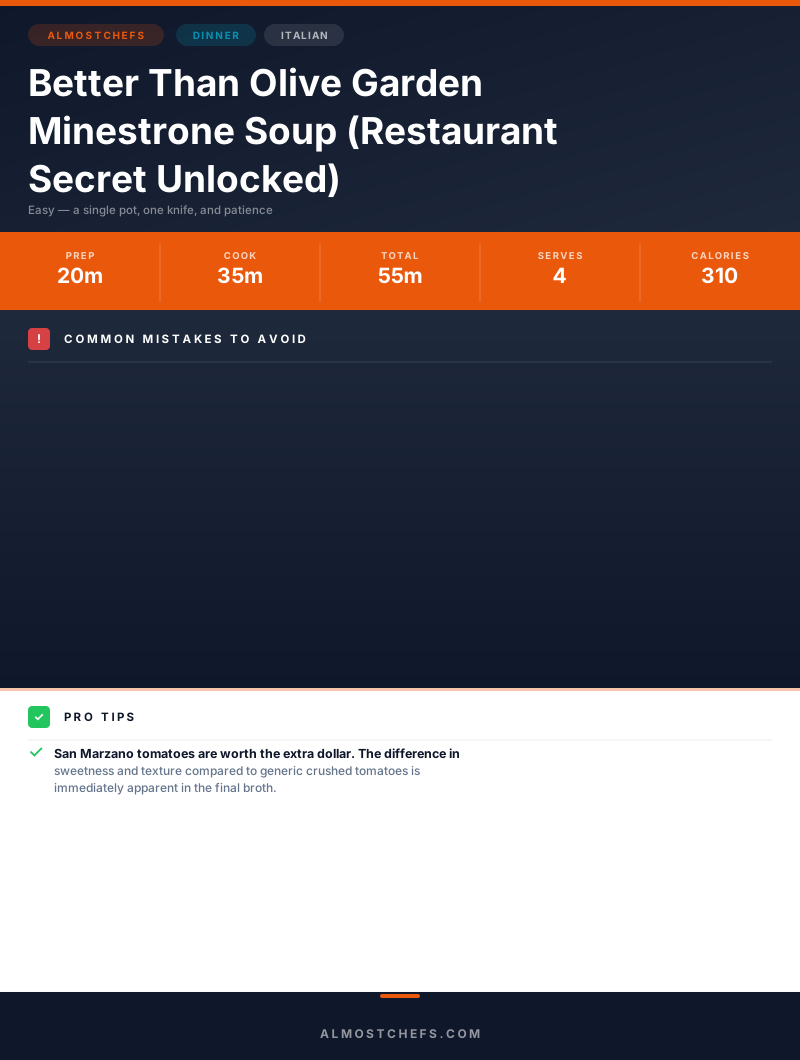
The Science of
Better Than Olive Garden Minestrone Soup (Restaurant Secret Unlocked)
We turned everything on this page into a beautiful, flour-proof PDF cheat sheet. Print it out, stick it to your fridge, and never mess up your better than olive garden minestrone soup (restaurant secret unlocked) again.
*We'll email you the high-res PDF instantly. No spam, just perfectly cooked meals.
AlmostChefs Editorial Team
We translate the internet's most popular cooking videos into foolproof, beginner-friendly written recipes. We analyze multiple methods, test them in our kitchen, and engineer a single "Master Recipe" that gives you the best possible result with the least possible stress.