Copycat Olive Garden Alfredo (Restaurant Secret, Unlocked)
A silky, indulgent fettuccine Alfredo that reverse-engineers Olive Garden's legendary sauce — butter, cream, Parmesan, and a tempering trick that keeps the sauce smooth instead of greasy. We analyzed the technique and built a foolproof home version that tastes like the real thing and costs a fraction of the price.
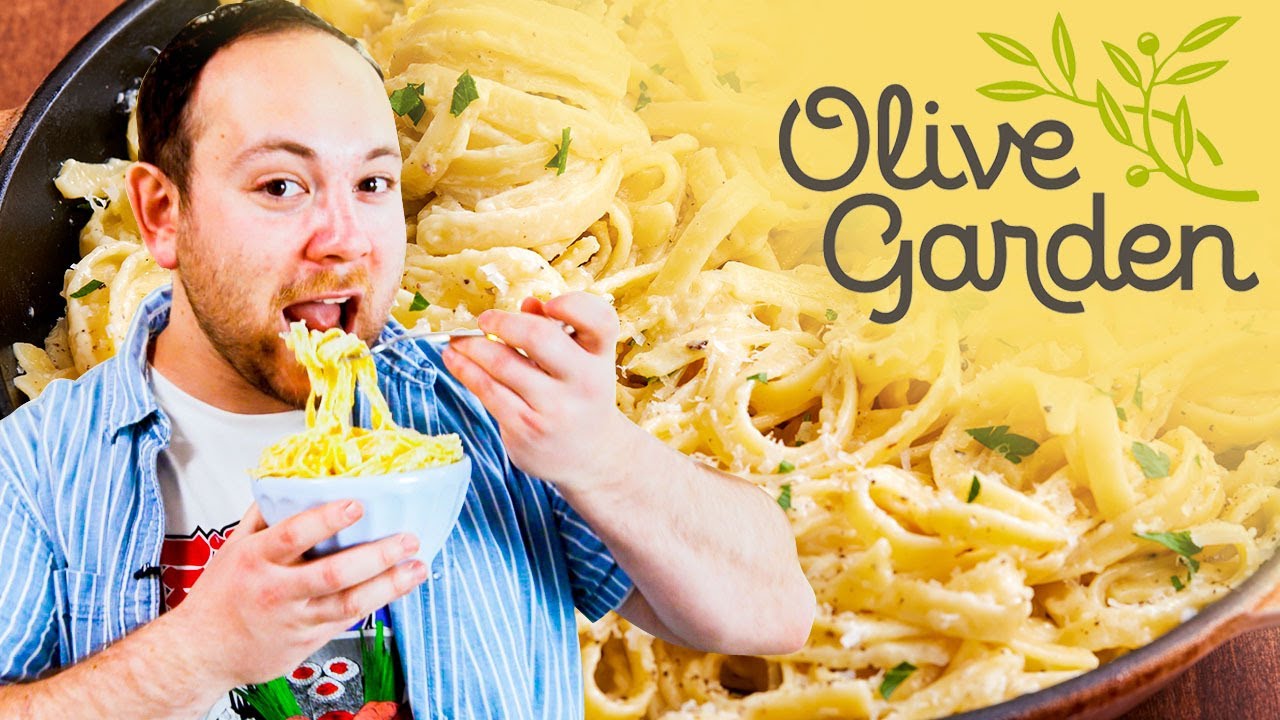
“Olive Garden Alfredo has a cult following for a reason — it's obscenely creamy, deeply savory, and coating every strand of pasta in a sauce that somehow manages to feel both rich and clean. The problem with most copycat versions is that they either break into a greasy puddle or taste flat. The fix is two things: temper the egg yolks before they hit the pan, and add Parmesan in handfuls with the heat off. Both steps take thirty seconds. Both make the difference between a sauce and an embarrassment.”
Why This Recipe Works
Alfredo sauce has exactly four ingredients in its original Roman form: butter, Parmesan, pasta water, and time. What Olive Garden built on top of that — cream, garlic, egg yolks, a whisper of nutmeg — is not authentic Italian, and it doesn't need to be. It's American comfort food engineered to be maximally satisfying, and it works. The job here is not to debate the anthropology. The job is to understand the physics so you can replicate it reliably.
The Emulsion Problem
Cream sauces break. This is their nature and their danger. An Alfredo sauce is an emulsion — fat droplets suspended in water-based liquid, held together by proteins and heat management. When the temperature goes wrong in either direction, the emulsion collapses. Too hot and the fat separates out into grease. Too cold and the sauce seizes into a stiff paste. The window where Alfredo behaves correctly is narrower than most recipes acknowledge.
The egg yolks exist to widen that window. Yolk contains lecithin, one of the most effective natural emulsifiers available, and it binds the fat and water phases of the cream sauce more aggressively than either one can manage alone. This is why properly made Alfredo stays creamy as it cools slightly, rather than immediately breaking on a cold plate. But this only works if the yolks are tempered — introduced to the hot sauce gradually rather than all at once. Skip the tempering and you get scrambled eggs floating in cream. Do it correctly and the sauce gains both stability and a richer mouthfeel.
The Parmesan Architecture
The cheese is where most home versions fail. Pre-shredded Parmesan is coated with cellulose or potato starch to prevent clumping in the bag — which means it also resists melting into a sauce. You end up with gritty, un-melted cheese particles suspended in cream rather than a unified, glossy sauce. Buy a block of Parmigiano-Reggiano and run it across a Microplane. The fresh-grated version melts completely in seconds because nothing is coating the proteins and interfering with their integration.
The addition sequence matters equally. One cup of cheese hitting a hot pan simultaneously creates a heat shock that causes the proteins to seize before they can emulsify. Three gradual additions — each one stirred fully before the next — give the sauce time to absorb each addition smoothly. Pull the pan off the heat before you add the cheese. The residual warmth is sufficient for melting; the direct flame is not.
Why the Pasta Water Is Irreplaceable
The starchy water left behind after cooking pasta is a sauce extender with unique properties. The dissolved starch acts as a secondary emulsifier — it helps bind the fat and water phases of the Alfredo together. Plain water does not do this. Adding plain water to thin a sauce simply dilutes it. Adding pasta water maintains the sauce's body and glossiness while adjusting the viscosity. Keep at least a cup of it. You'll likely use only a few tablespoons, but having it is the difference between a sauce you control and one that controls you.
The pasta itself needs to come out of the water al dente — genuinely firm, not soft with a firm core. Use a heavy-bottomed skillet for the sauce, and finish the pasta directly in the sauce for the last minute of cooking. This final stage, called mantecatura in Italian technique, is where the pasta starch and the sauce bond into a cohesive coating rather than a pasta-with-sauce-poured-on-top situation. The difference is tactile: the sauce should cling to every strand rather than pool at the bottom of the bowl.
The Lemon Finish
This is the most counterintuitive step in the recipe, and also the most important. A tablespoon of lemon juice added at the end of cooking does not make the sauce taste like lemon. What it does is interrupt the relentless richness of butter, cream, and cheese with a flash of brightness that resets your palate for the next bite. Without it, Alfredo becomes cloying around bite four. With it, you keep eating until the bowl is empty — which is, presumably, the goal.
Where Beginners Mess This Up
Before we start, read this. These are the 4 reasons your copycat olive garden alfredo (restaurant secret, unlocked) will fail:
- 1
Adding egg yolks directly to hot cream: Pouring cold egg yolks straight into a hot skillet scrambles them instantly. You get yellow flecks floating in cream rather than a unified sauce. Tempering — whisking a splash of hot cream into the yolks first to raise their temperature gradually — is the only way to add yolks safely. This is standard custard technique and it applies here.
- 2
Adding all the Parmesan at once: Dumping a full cup of grated cheese into a hot pan simultaneously creates a clumped, stringy mess. Add it in three or four small handfuls, stirring each addition fully before the next. The gradual introduction keeps the cheese emulsified into the sauce rather than balling up at the bottom.
- 3
Overcooking the pasta before saucing: Al dente is not a suggestion. Pasta continues cooking in the hot Alfredo sauce for another minute or two after you add it. If you drain fully cooked pasta into the sauce, you end up with soft, bloated noodles by the time you plate. Pull the pasta one minute before the package says done.
- 4
Skipping the pasta water: The starchy pasta cooking water is the sauce's safety valve. If the Alfredo thickens too fast or looks tight as it cools, one tablespoon of pasta water loosens it back to the right consistency instantly. Without it, you're stuck adding plain water that dilutes the flavor.
The Video Reference Library
Want to see it in action? Here are the exact videos we analyzed and combined to build this foolproof recipe translation:
The source video that walks through the sauce construction in real time. Pay close attention to the tempering sequence and the moment the cheese goes in — both are demonstrated clearly.
🛠️ Core Equipment
- Large heavy-bottomed skilletEven heat distribution prevents the cream from scorching on one side while the center barely simmers. A thin pan creates hot spots that curdle the dairy and break the sauce.
- Microplane or fine graterPre-shredded Parmesan contains anti-caking agents that prevent smooth melting. Freshly grated cheese from the block melts cleanly into the sauce. A Microplane produces the finest, most even shred.
- Large pasta potFettuccine needs room. Crowded pasta cooks unevenly and sticks together. Use at least a 6-quart pot with heavily salted water — the pasta is the only seasoning opportunity before the sauce.
- Small mixing bowl and whiskFor tempering the egg yolks. This step requires a separate vessel — you cannot temper directly in the skillet without scrambling the eggs.
Copycat Olive Garden Alfredo (Restaurant Secret, Unlocked)
🛒 Ingredients
- ✦1 pound fettuccine pasta
- ✦6 tablespoons unsalted butter
- ✦4 cloves garlic, minced
- ✦1.5 cups heavy cream
- ✦0.5 cup whole milk
- ✦1 cup freshly grated Parmesan cheese
- ✦0.25 teaspoon white pepper
- ✦0.25 teaspoon salt
- ✦0.125 teaspoon nutmeg
- ✦2 tablespoons fresh parsley, chopped
- ✦1 tablespoon lemon juice
- ✦2 egg yolks
- ✦0.5 teaspoon garlic powder
👨🍳 Instructions
01Step 1
Bring a large pot of heavily salted water to a rolling boil. Cook the fettuccine until one minute shy of al dente according to package directions. Reserve 1 cup of pasta water before draining.
02Step 2
While the pasta cooks, melt butter in a large heavy-bottomed skillet over medium heat. Do not let it brown.
03Step 3
Add minced garlic to the butter and sauté for 1-2 minutes, stirring constantly, until fragrant but not colored.
04Step 4
Reduce heat to medium-low. Slowly pour in the heavy cream and whole milk, stirring continuously to combine into a smooth base. Let it gently simmer for 2-3 minutes.
05Step 5
In a small bowl, whisk the egg yolks together. Add a large spoonful of the warm cream mixture to the yolks and whisk quickly. Repeat once more, then slowly pour the tempered yolk mixture back into the skillet while stirring constantly.
06Step 6
Remove the skillet from heat. Add the grated Parmesan in three additions, stirring each handful fully into the sauce before adding the next.
07Step 7
Season with white pepper, salt, nutmeg, and garlic powder. Taste and adjust.
08Step 8
Add the drained pasta directly to the skillet and toss gently over low heat to coat every strand. If the sauce is too thick, add pasta water one tablespoon at a time until it reaches a flowing, coating consistency.
09Step 9
Squeeze fresh lemon juice over the pasta and stir to incorporate. The acid brightens the heavy dairy and keeps the dish from feeling one-dimensional.
10Step 10
Divide into warmed bowls. Garnish with chopped parsley and additional Parmesan. Serve immediately.
Nutrition Per Serving
Estimates based on standard preparation. Adjustments alter macros.
🔄 Substitutions
Instead of Heavy cream...
Use 1 cup heavy cream + 0.5 cup plain Greek yogurt
The yogurt adds a slight tang that actually adds complexity to the flavor. Texture stays creamy. Reduces fat and adds protein without sacrificing the sauce's coating ability.
Instead of Fettuccine...
Use 50/50 regular and whole wheat fettuccine
Adds a nuttier, earthier baseline flavor and meaningfully more fiber. Cooks the same way. The texture difference is noticeable but not disruptive.
Instead of Egg yolks...
Use 2 tablespoons cornstarch whisked with 3 tablespoons cold water
Add the slurry to the cream base in step 4 and stir until thickened. Same silky mouthfeel, no food safety concerns, slightly longer shelf life for leftovers.
Instead of Butter...
Use 4 tablespoons unsalted butter + 2 tablespoons extra virgin olive oil
The olive oil contributes a subtle fruity note that works with the garlic. Reduces saturated fat while maintaining richness. Do not use strongly flavored olive oils — they'll compete with the Parmesan.
🧊 Storage & Reheating
In the Fridge
Store in an airtight container for up to 3 days. The sauce will thicken significantly — this is normal.
In the Freezer
Not recommended. Cream-based sauces break when frozen, separating into a grainy, watery mess upon thawing.
Reheating Rules
Reheat on the stovetop over low heat with a splash of heavy cream or whole milk, stirring constantly. Do not microwave — the uneven heat causes the sauce to seize and the pasta to turn gummy.
❓ Frequently Asked Questions
Why did my sauce turn grainy?
Either the Parmesan was added to a pan that was too hot, or it went in all at once. The proteins in the cheese seize when they hit excessive heat and form clumps rather than emulsifying. Pull the pan off the heat before adding cheese, and go one small handful at a time.
Can I use milk instead of heavy cream?
You can, but the sauce will be noticeably thinner and less stable. Milk contains significantly less fat, which means less emulsification capacity. If you substitute milk, add the cornstarch slurry from the egg yolk substitution to give the sauce body.
Why does my Alfredo taste flat compared to the restaurant version?
Two likely causes: pre-shredded Parmesan (which doesn't melt cleanly and has muted flavor) and under-salted pasta water. Both are easy fixes. Buy a block and grate it fresh. Salt your pasta water until it tastes like the sea.
Can I add protein to this dish?
Grilled chicken breast is the classic addition — slice it thin and lay it over the plated pasta rather than tossing it in the sauce, which keeps the chicken from making the sauce watery. Shrimp sautéed in garlic butter for 2 minutes per side is the other standard option.
Is this actually how Olive Garden makes their Alfredo?
Close enough to matter. The actual Olive Garden recipe is a trade secret, but the flavor profile — butter, cream, Parmesan, garlic, white pepper, nutmeg — is consistent across every credible analysis. The technique here produces a result that passes a blind taste test with regulars.
Why does the sauce get tight so fast after plating?
As the sauce cools, the fats begin to solidify and the starches in the pasta continue absorbing liquid. This is the nature of any cream and cheese sauce. Serve immediately in warm bowls, and keep a small amount of hot pasta water nearby to loosen any portions that sit too long before eating.
The Science of
Copycat Olive Garden Alfredo (Restaurant Secret, Unlocked)
We turned everything on this page into a beautiful, flour-proof PDF cheat sheet. Print it out, stick it to your fridge, and never mess up your copycat olive garden alfredo (restaurant secret, unlocked) again.
*We'll email you the high-res PDF instantly. No spam, just perfectly cooked meals.
AlmostChefs Editorial Team
We translate the internet's most popular cooking videos into foolproof, beginner-friendly written recipes. We analyze multiple methods, test them in our kitchen, and engineer a single "Master Recipe" that gives you the best possible result with the least possible stress.