Thick Oats Smoothie (The Breakfast You'll Actually Make Every Day)
A creamy, fiber-rich blended breakfast that combines rolled oats, banana, and your choice of milk into a genuinely filling morning meal. We broke down the most-watched YouTube methods to find the ratio and technique that delivers the thickest, smoothest result without a trace of grit.
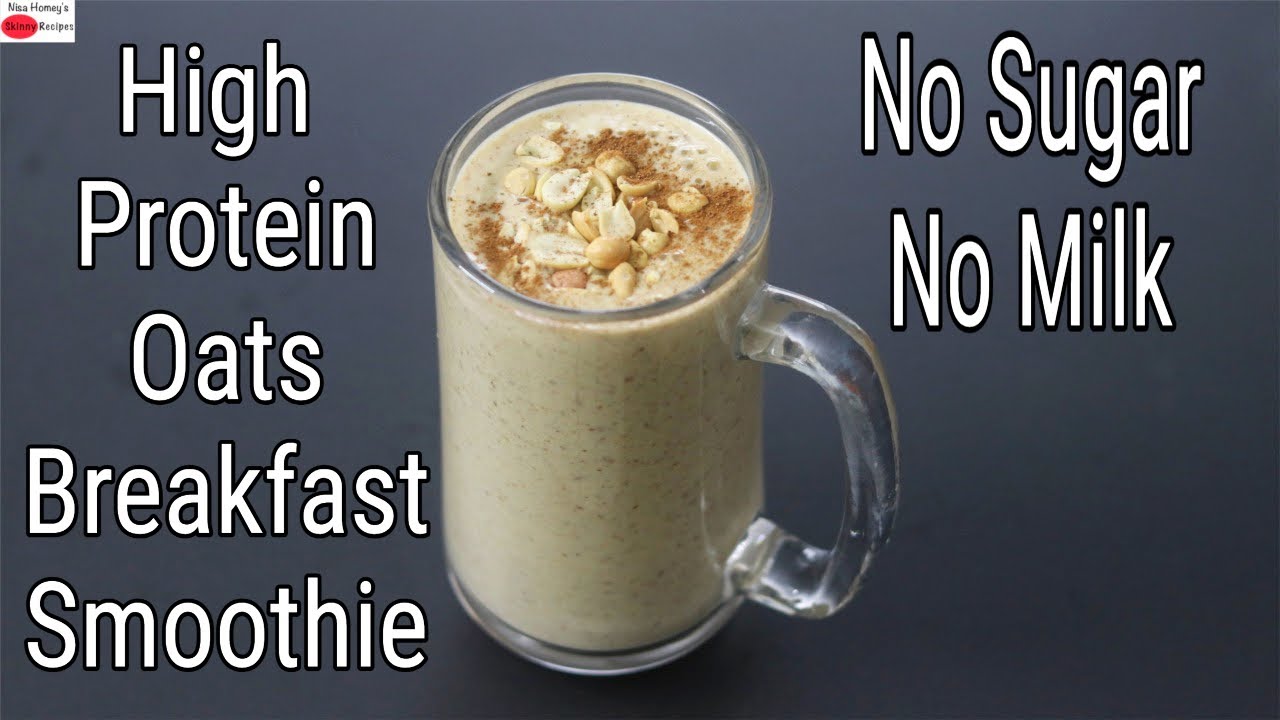
“Most oat smoothies fail in one of two directions: grainy and thick like wallpaper paste, or thin and flavorless like oat water. The difference between those failures and a genuinely great blended breakfast comes down to how you handle the oats before they touch the blender. We watched every major method on YouTube and found the one that produces a smooth, creamy result every single time — no soaking required if you do it right.”
Why This Recipe Works
The oat smoothie has a reputation problem. It sits in the middle of the breakfast spectrum — not as fast as a banana grabbed off the counter, not as satisfying as a real bowl of oatmeal — and most versions deliver on neither end. They're grainy, they're thin, or they're both. The recipes that actually work are the ones that treat the oats as an engineering problem rather than just another ingredient to dump in a blender.
The Pre-Grind Principle
Raw rolled oats have a dense, fibrous structure that a standard blender cannot fully break down in the 60 seconds most people give it. The result is a smoothie with a distinct gritty finish that coats your throat on every sip. The solution is counterintuitively simple: blend the dry oats alone before adding anything else. Thirty seconds of dry blending breaks the oat flakes into a rough flour that then hydrates and disperses uniformly when liquids are added. The texture shift is immediate and dramatic.
This is the technique used in every high-viewed YouTube tutorial on oat smoothies, and it's the one step that separates a genuinely good result from a merely acceptable one. A high-powered blender makes this easier — motors above 800 watts pulverize the oat flour so completely that the final smoothie is indistinguishable from one made with oat flour purchased from a store.
Frozen Banana Is the Architecture
The frozen banana is not just a sweetener. It is the structural component that holds the entire drink together. Fresh banana blends into thin liquid almost immediately, contributing sugar and flavor but no body. Frozen banana acts simultaneously as ice, thickener, and aerator — the partially frozen cells trap tiny air bubbles as they break down, creating that thick, soft-serve texture that makes a smoothie feel like a complete meal rather than a glorified juice.
Overripe bananas are particularly valuable here. As bananas ripen, their starch converts to simple sugars, making them dramatically sweeter without requiring added honey. The brown-spotted bananas that nobody wants to eat fresh are exactly the ones you should be freezing for smoothies. Peel them, slice into coins, and freeze on a baking sheet before consolidating into a freezer bag — a small habit that pays dividends every morning.
The Fat Equation
The reason most oat smoothies fail as a breakfast is not a flavor problem — it is a satiety problem. A smoothie made from oats, banana, and low-fat milk is predominantly carbohydrates. Carbohydrates digest quickly, spike blood sugar, and leave the body looking for more fuel within two hours. Adding a meaningful fat source — almond butter, full-fat Greek yogurt, flaxseed, or chia seeds — changes the biochemistry of the meal entirely.
Fat slows gastric emptying, meaning the entire contents of the smoothie leave your stomach more slowly and maintain stable blood sugar for longer. A tablespoon of almond butter adds 98 calories, 9g of fat, and 3g of protein — and transforms the smoothie from a snack into a meal that carries most people comfortably to lunch. The flavor contribution is secondary to the functional one, though the nuttiness it adds to a cinnamon-banana base is genuinely excellent.
Building the Right Liquid Ratio
Oat smoothies have a narrow tolerance for liquid ratio. Too little and you end up with something the blender motor struggles to turn — a paste that barely flows. Too much and the oats are diluted to the point where the smoothie loses all its creaminess and filling properties. The baseline ratio is 1/2 cup rolled oats to 1 cup of milk per serving, adjusted based on banana size and yogurt thickness.
The technique of adding liquid in two stages — half before blending, half streamed in while blending — gives the motor traction on the solids before the mixture thins. It also allows you to dial in the exact consistency you want in real time, stopping the stream when the smoothie reaches your preferred thickness. Starting with too much liquid and trying to correct by adding oats mid-blend never achieves the same result.
Cinnamon, Salt, and the Flavor Multipliers
Cinnamon and vanilla are not decorative additions. Cinnamon has a documented effect on blood sugar regulation, mildly slowing the absorption of the carbohydrates that make up the majority of this smoothie. More practically: it adds a warm, spiced complexity that makes the banana-oat combination taste intentional rather than incidental.
The pinch of sea salt is the step most people skip and most need to include. Salt in sweet applications does not make food taste salty — it suppresses bitterness, amplifies sweetness, and adds the kind of depth that makes you wonder why a smoothie tastes better than it has any right to. Every pastry chef knows this. It applies equally here.
Where Beginners Mess This Up
Before we start, read this. These are the 4 reasons your thick oats smoothie (the breakfast you'll actually make every day) will fail:
- 1
Using whole rolled oats without pre-processing: Standard rolled oats blended raw leave behind a gritty, fibrous texture that clings to the back of your throat. The fix is either soaking overnight or — faster — blending the dry oats alone for 30 seconds into a rough flour before adding any liquids. This step takes half a minute and eliminates 90% of the texture complaints.
- 2
Adding liquid all at once: Dumping all your milk in before the solids are broken down creates a watery vortex that prevents proper blending. Start with half the liquid, blend until smooth, then stream in the rest. This gives the blades traction on the oats and fruit before the mixture thins out.
- 3
Using a warm or room-temperature banana: Frozen banana is the entire structural foundation of a thick oat smoothie. A fresh banana blends into liquid almost immediately, giving you a thin, sweet drink. A frozen banana acts as both the ice and the creamer — it creates that soft-serve texture that makes the smoothie feel like a meal rather than a beverage.
- 4
Skipping the fat component: Oats are high in soluble fiber, but without a fat source — nut butter, seeds, full-fat yogurt — the smoothie leaves you hungry within an hour. Fat slows gastric emptying and makes the whole meal significantly more satiating. A single tablespoon of almond butter adds 98 calories and keeps you full until lunch.
The Video Reference Library
Want to see it in action? Here are the exact videos we analyzed and combined to build this foolproof recipe translation:
The source video for this recipe. Clear technique walkthrough showing the pre-blend dry oat method and the frozen banana ratio that produces the thickest result.
Covers protein add-ins and how to build a more complete macronutrient profile into a blended oat breakfast without sacrificing texture or flavor.
Broad breakfast smoothie context including how oat-based versions compare to pure fruit smoothies in satiety and blood sugar response.
🛠️ Core Equipment
- High-powered blenderA standard 300-watt blender struggles with frozen banana and raw oats, leaving chunks and grit. A blender with at least 600 watts — ideally 1000 or more — processes oats completely smooth in under 60 seconds. The difference in texture is not subtle.
- Measuring cupsThe oat-to-liquid ratio is the core variable in this recipe. Too many oats and it won't pour. Too little and it won't fill you up. Measuring consistently lets you dial in your preferred thickness and replicate it every morning without thinking.
- Airtight jar or bottleOat smoothies thicken significantly as the oats continue hydrating. If you blend the night before and refrigerate in a sealed jar, you get a thicker, more integrated result in the morning. Just shake or stir before drinking.
Thick Oats Smoothie (The Breakfast You'll Actually Make Every Day)
🛒 Ingredients
- ✦1 cup rolled oats (not instant)
- ✦1 large banana, frozen and sliced
- ✦1.5 cups unsweetened almond milk (or whole milk)
- ✦1/2 cup plain Greek yogurt
- ✦1 tablespoon almond butter or peanut butter
- ✦1 tablespoon honey or maple syrup
- ✦1/2 teaspoon ground cinnamon
- ✦1/4 teaspoon pure vanilla extract
- ✦1/2 cup ice cubes (optional, if banana is not frozen)
- ✦Pinch of sea salt
👨🍳 Instructions
01Step 1
Add the dry rolled oats to the blender and pulse 8-10 times until they form a coarse, flour-like consistency.
02Step 2
Add the frozen banana slices, Greek yogurt, almond butter, honey, cinnamon, vanilla, and sea salt directly on top of the ground oats.
03Step 3
Pour in half the milk (about 3/4 cup). Blend on high for 30-45 seconds until the oats and banana are fully broken down.
04Step 4
With the blender running, stream in the remaining milk through the lid opening. Blend for another 20-30 seconds until completely smooth and creamy.
05Step 5
Taste and adjust: add more honey for sweetness, more milk to thin, or a handful of ice for extra chill and thickness.
06Step 6
Pour immediately into glasses and drink within 10 minutes for the thinnest consistency, or refrigerate in a sealed jar for up to 12 hours for a thicker, overnight-oats-style drink.
Nutrition Per Serving
Estimates based on standard preparation. Adjustments alter macros.
🔄 Substitutions
Instead of Almond milk...
Use Oat milk, coconut milk, or whole cow's milk
Oat milk amplifies the oat flavor significantly and creates the creamiest result. Coconut milk adds richness but also tropical sweetness. Whole milk adds the most protein and fat for satiety.
Instead of Greek yogurt...
Use Coconut yogurt or silken tofu
Coconut yogurt works well for a dairy-free version — use the full-fat variety for comparable creaminess. Silken tofu adds protein and a neutral creaminess but needs an extra teaspoon of honey to compensate for the missing yogurt tang.
Instead of Almond butter...
Use Sunflower seed butter or tahini
Sunflower seed butter is the closest in flavor and nutrition — nearly identical in fat content and slightly more neutral in taste. Tahini adds a nutty bitterness that pairs unexpectedly well with banana and cinnamon.
Instead of Rolled oats...
Use Quick oats
Quick oats pre-blend more smoothly and require no pre-grinding step. The tradeoff is a slightly lower fiber content and a less robust texture. Acceptable substitution, not an upgrade.
🧊 Storage & Reheating
In the Fridge
Store in a sealed jar for up to 24 hours. The smoothie thickens as the oats hydrate — this is a feature, not a flaw. Add a splash of milk and stir before drinking.
In the Freezer
Freeze in ice cube trays, then transfer to a bag. Blend 8-10 frozen cubes with a splash of milk for an instant smoothie that requires almost no morning effort.
Reheating Rules
This is a cold drink — no reheating needed. If you prefer a warm version, blend as directed and gently warm on the stovetop over low heat, stirring constantly. Do not microwave or the texture turns gluey.
❓ Frequently Asked Questions
Will oats make the smoothie gritty?
Only if you skip the pre-grind. Blend the dry oats alone for 30 seconds before adding any other ingredients. This breaks them down to a rough flour that blends completely smooth with liquid. Skipping this step is the single most common oat smoothie mistake.
Can I use instant oats instead of rolled oats?
Yes, and they will blend more smoothly without pre-grinding. The tradeoff is that instant oats have a slightly lower fiber content and a softer texture that some people find less satisfying. Rolled or old-fashioned oats produce a more substantial, filling smoothie.
How do I make it higher in protein?
Add one scoop of unflavored or vanilla protein powder on top of the dry oats before pre-grinding. The powder blends completely into the oat base. Greek yogurt already contributes about 8-10g of protein per half cup — combined with protein powder you can push the total above 30g per serving.
Why is my smoothie too thick to drink?
You either used too many oats or let it sit too long after blending. Both causes have the same fix: add cold milk a splash at a time and blend or stir until it reaches your preferred consistency. The ratio to memorize is 1/2 cup oats per 1 cup liquid for a drinkable texture.
Is this actually a filling breakfast or will I be hungry by 10am?
It depends on whether you included the fat source. Without almond butter or yogurt, oat smoothies digest quickly and leave you hungry early. With both, the combination of soluble fiber from the oats, protein from the yogurt, and fat from the nut butter genuinely sustains most people for 3-4 hours.
Can I make this the night before?
Yes, and many people prefer it that way. Blend the night before, pour into a sealed jar, and refrigerate. The oats hydrate overnight and the texture becomes denser and more integrated — similar to overnight oats but blended smooth. Add a splash of milk and stir in the morning.

The Science of
Thick Oats Smoothie (The Breakfast You'll Actually Make Every Day)
We turned everything on this page into a beautiful, flour-proof PDF cheat sheet. Print it out, stick it to your fridge, and never mess up your thick oats smoothie (the breakfast you'll actually make every day) again.
*We'll email you the high-res PDF instantly. No spam, just perfectly cooked meals.
AlmostChefs Editorial Team
We translate the internet's most popular cooking videos into foolproof, beginner-friendly written recipes. We analyze multiple methods, test them in our kitchen, and engineer a single "Master Recipe" that gives you the best possible result with the least possible stress.