No-Bake Chocolate Desserts That Actually Set (The Science-Backed Method)
A foolproof collection of no-bake chocolate desserts built around one core technique: understanding how fat, sugar, and temperature interact to create the perfect set without an oven. We analyzed dozens of failed recipes so you don't have to.
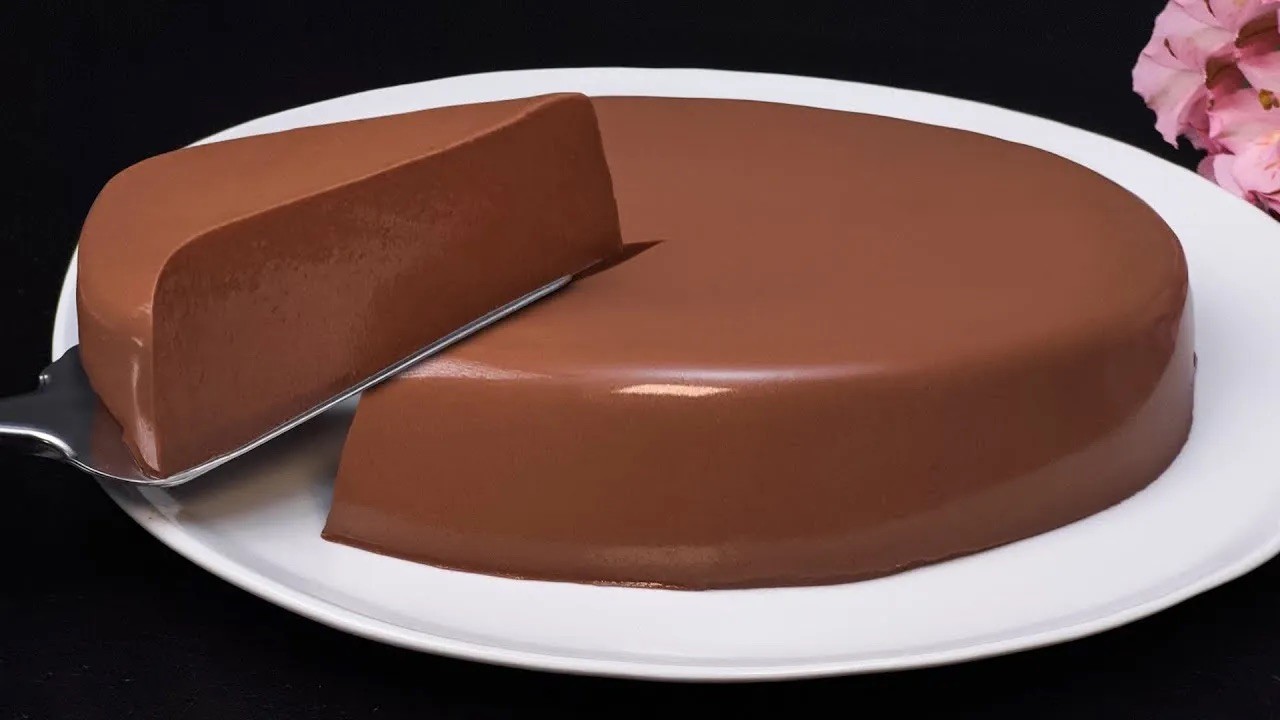
“No-bake chocolate desserts have a reputation for being either disappointingly soft or weirdly waxy. The reason is almost always the same: cooks don't understand that chocolate is a temperature-sensitive emulsion, not just a flavoring. Get the fat-to-liquid ratio right, give the fridge the time it needs, and you end up with a dessert that slices cleanly, tastes deeply chocolatey, and impresses everyone who didn't watch you make it in 25 minutes.”
Why This Recipe Works
No-bake chocolate desserts occupy a strange place in the home cook's mental hierarchy — too simple to impress, too technical to do casually. That tension is entirely self-created. These desserts fail not because they're technically demanding, but because most recipes skip the explanation. They tell you what to do without telling you why, which means the first time something goes wrong, you have no idea where to intervene.
The Ganache Is a Suspension, Not a Sauce
The word "ganache" sounds French and intimidating and deliberately mystifying. It is, at its core, an emulsion: fat molecules from heavy cream and cocoa butter suspended in a water-based liquid, held together by the lecithin naturally present in chocolate. When this emulsion works, you get a smooth, glossy filling that sets into a firm, sliceable texture after chilling. When it breaks, you get a greasy, grainy mess that no amount of refrigeration will fix.
The key variable is ratio. A 1:1 ratio by weight of cream to chocolate produces a soft ganache that holds its shape but yields easily — ideal for tarts meant to be eaten cold. A 2:1 ratio of chocolate to cream produces a firmer truffle-style filling. This recipe uses approximately a 1.2:1 chocolate-to-cream ratio, landing at the precise texture point where the tart slices cleanly at refrigerator temperature but softens to a luxurious melt on the palate.
The addition of room-temperature butter — stirred in after the initial emulsion forms — is the step most recipes omit. Butter's fat molecules fill the microscopic gaps between the cocoa butter crystals, creating a smoother, more cohesive structure and giving the finished ganache that distinctly silky quality that distinguishes a professional-tasting dessert from a home-kitchen one.
The Crust Is Architecture
A no-bake crust is three things: cookie crumbs, butter, and compression. Get any one of them wrong and the whole structure fails. Too little butter and the crumbs have no binder — they slide apart the moment a knife touches them. Too much butter and the crust becomes greasy and dense, with a texture closer to wet sand than to a proper pastry base.
The ratio here — 5 tablespoons of melted butter per 200 grams of Oreos — is calibrated to produce a crust that presses flat, holds its shape after chilling, and snaps cleanly under a sharp knife. The Oreo filling stays in because it contributes additional binding power and adds sweetness that offsets the bitterness of the dark chocolate ganache above it.
Using a 9-inch tart pan with a removable bottom is not an aesthetic preference — it's a structural requirement. There is no graceful way to serve this tart from a fixed-bottom pan. The removable base lets you push the tart free with one smooth motion, preserving the crust edges and the clean ganache surface.
Why Temperature Controls Everything
Chocolate is one of the few foods that undergoes genuine polymorphic crystallization — the same cocoa butter molecules can arrange themselves into six different crystal forms depending on how they're heated and cooled. Only Form V crystals produce the glossy surface, firm snap, and smooth melt that define good chocolate texture. The way you heat and cool the ganache determines which crystal form develops.
Hot cream melts the chocolate and breaks all crystal structures down to zero. As the ganache cools in the refrigerator, Form V crystals nucleate and grow into a stable lattice. This takes time — around 2-3 hours minimum — and it's why cutting early produces a ganache that looks set on the surface but collapses under the knife. The interior crystals haven't fully formed yet.
The digital kitchen scale is the least glamorous item on the equipment list and the most important. A 10% deviation in the cream-to-chocolate ratio produces a meaningfully different texture — slightly too much cream and the tart never fully firms; slightly too little and it sets rubbery. Volume measurements for chopped chocolate are essentially meaningless because the pieces pack at wildly different densities depending on chop size. Weight is the only reliable unit of measurement in chocolate work.
The Role of the Finishing Salt
Flaky sea salt on top of a chocolate dessert is not a trend. It is a flavor mechanism. Salt suppresses bitterness receptors on the palate, allowing the fruit and floral notes in dark chocolate to emerge without competition. A 70% cacao chocolate contains detectable notes of cherry, coffee, and dried fruit that most people never perceive because the bitterness drowns them out. Salt pulls those notes forward. The result is chocolate that tastes more like itself — more complex, more layered, and less overwhelmingly bitter.
Apply the salt immediately after pouring the ganache, while the surface is still fluid enough to grip the flakes. Once the ganache begins to set, salt added on top sits loosely and falls off when sliced. The window is small. Don't miss it.
Where Beginners Mess This Up
Before we start, read this. These are the 4 reasons your no-bake chocolate desserts that actually set (the science-backed method) will fail:
- 1
Using chocolate chips instead of bar chocolate: Chocolate chips contain stabilizers — specifically polyglycerol polyricinoleate — that prevent them from melting smoothly. They hold their shape on purpose. This is great for cookies and catastrophic for ganache-based no-bake desserts. The result is a grainy, broken emulsion that never sets correctly. Always use chopped bar chocolate at 60% cacao or higher.
- 2
Adding cold cream to hot chocolate: Temperature shock causes the cocoa butter in chocolate to seize into hard, clumpy particles that no amount of stirring will fix. Your cream must be hot — just below a simmer — and your chocolate must be finely chopped so it melts evenly when the cream hits it. A broken ganache cannot be repaired by chilling harder.
- 3
Cutting the dessert before it fully sets: No-bake chocolate desserts need a minimum of 3 hours in the refrigerator, and overnight is better. The ganache continues to crystallize and firm during this time. Cutting at the 90-minute mark produces clean slices for roughly 45 seconds before the filling collapses. Wait the full time.
- 4
Using low-fat or reduced-fat cream: Heavy cream's fat content — at least 36% — is what allows ganache to emulsify and set into a stable, sliceable texture. Low-fat cream lacks the lipid concentration to suspend the cocoa butter properly. The result is a loose, sauce-like filling that stays soft regardless of chill time.
The Video Reference Library
Want to see it in action? Here are the exact videos we analyzed and combined to build this foolproof recipe translation:
Covers the ganache ratio technique and crust construction in detail. Pay close attention to the texture demonstration at the 4-minute mark — that glossy, ribbon-like pour is exactly what you're aiming for before the chill phase.
Deep dive into the science behind ganache consistency — why the cream-to-chocolate ratio determines whether you get a glaze, a truffle filling, or a sliceable tart. Essential background for understanding why the recipe works.
Covers Oreo, graham cracker, and digestive biscuit crust techniques with the exact butter ratio needed for a crust that holds its shape when sliced without crumbling on the plate.
🛠️ Core Equipment
- Digital kitchen scaleChocolate ratios are precise. A 10% deviation in cream-to-chocolate ratio produces a noticeably different texture — either too soft or too firm. Volume measurements for chocolate are unreliable because chopped pieces pack inconsistently. Weight is the only accurate method.
- Heatproof mixing bowlFor the ganache, you need a bowl that can sit over simmering water without cracking or conducting heat unevenly. Glass or stainless steel. Never plastic — it can leach chemicals under sustained heat and retains water droplets that will seize the chocolate.
- Offset spatulaSpreading ganache into a tart shell or pan requires a flat, angled tool. A regular spatula creates drag marks and uneven surfaces. The offset angle keeps your knuckles out of the filling while giving you full control over the spread.
- 9-inch tart pan with removable bottomThe removable bottom means you can release the tart without destroying the crust or the filling. Trying to serve directly from a fixed-bottom pan almost always results in broken edges and a dessert that looks like a crime scene.
No-Bake Chocolate Desserts That Actually Set (The Science-Backed Method)
🛒 Ingredients
- ✦200g Oreo cookies (about 20 cookies), filling included
- ✦5 tablespoons unsalted butter, melted
- ✦1/4 teaspoon fine sea salt
- ✦300g dark chocolate bar (60-70% cacao), finely chopped
- ✦1 1/4 cups heavy cream (36% fat or higher)
- ✦2 tablespoons unsalted butter, room temperature, cut into cubes
- ✦1 tablespoon light corn syrup or glucose syrup
- ✦1 teaspoon pure vanilla extract
- ✦1/4 teaspoon espresso powder
- ✦Flaky sea salt, for finishing
- ✦2 tablespoons Dutch-process cocoa powder, for dusting
- ✦Optional: fresh raspberries or shaved chocolate for garnish
👨🍳 Instructions
01Step 1
Pulse the Oreo cookies in a food processor until you have fine, even crumbs — no visible chunks. Add melted butter and sea salt, then pulse again until the mixture resembles wet sand and holds its shape when squeezed.
02Step 2
Press the crust mixture firmly and evenly into the bottom and up the sides of a 9-inch tart pan with a removable bottom. Use the flat bottom of a measuring cup to pack it tightly — especially along the edges where it tends to thin out.
03Step 3
Refrigerate the crust for at least 20 minutes to firm up while you prepare the ganache.
04Step 4
Finely chop the dark chocolate bar and place it in a large heatproof bowl. The finer the chop, the faster and more evenly it melts.
05Step 5
Heat the heavy cream in a small saucepan over medium heat until it just begins to steam and small bubbles form around the edges — do not let it boil. Remove from heat immediately.
06Step 6
Pour the hot cream over the chopped chocolate and let it sit, undisturbed, for exactly 2 minutes. This allows the heat to distribute evenly without shocking the chocolate.
07Step 7
Add the corn syrup, vanilla extract, and espresso powder. Starting from the center and working outward in small circles, stir gently with a rubber spatula until the ganache is completely smooth and glossy.
08Step 8
Add the room-temperature butter cubes one at a time, stirring until each piece is fully incorporated before adding the next. This step creates the silky, slightly fluid texture that firms into a smooth set in the fridge.
09Step 9
Remove the chilled crust from the refrigerator. Pour the ganache into the crust through a fine-mesh sieve to catch any un-melted chocolate bits, then smooth the top with an offset spatula.
10Step 10
Sprinkle with flaky sea salt immediately — it will not adhere once the ganache begins to firm. Transfer to the refrigerator and chill for a minimum of 3 hours, or overnight.
11Step 11
To serve, remove the tart from the pan by placing it on a wide glass or can and pressing the sides down gently. Dust with cocoa powder just before slicing. Use a sharp knife wiped clean between each cut.
Nutrition Per Serving
Estimates based on standard preparation. Adjustments alter macros.
🔄 Substitutions
Instead of Oreo cookies...
Use Graham crackers or digestive biscuits
Produces a lighter, less sweet crust that pairs well with milk chocolate ganache. Reduce butter by 1 tablespoon since graham crackers absorb fat differently than Oreos.
Instead of Heavy cream...
Use Full-fat coconut cream
Dairy-free option that works well with dark chocolate. Use the solid portion from a refrigerated can, not the liquid. Adds subtle coconut flavor — pair with a pinch of cardamom to complement it.
Instead of Dark chocolate (60-70%)...
Use Milk chocolate
Produces a sweeter, creamier ganache that sets softer. Reduce cream to 1 cup (from 1 1/4 cups) to compensate for the higher sugar content and ensure the tart holds its shape when sliced.
Instead of Corn syrup...
Use Honey or agave
Both add gloss and prevent sugar crystallization, same as corn syrup. Honey adds a faint floral note that works well with 70% dark chocolate. Use the same volume.
🧊 Storage & Reheating
In the Fridge
Store covered with plastic wrap pressed directly against the surface for up to 4 days. The direct contact prevents a skin from forming on the ganache.
In the Freezer
Freeze the whole tart or individual slices for up to 6 weeks. Wrap tightly in two layers of plastic, then foil. Thaw overnight in the fridge — never at room temperature, which causes condensation that ruins the surface.
Reheating Rules
No-bake chocolate desserts are served cold or at cool room temperature. Remove from the fridge 10-15 minutes before serving to take the edge off the chill, which opens up the aroma. Never microwave.
❓ Frequently Asked Questions
Why is my ganache grainy instead of smooth?
Almost always caused by moisture contamination or temperature shock. A single drop of water in the chocolate causes the cocoa solids to seize into clumps. Make sure your bowl, spatula, and every surface that touches the chocolate is bone dry. If the ganache seizes, add warm cream a tablespoon at a time and stir vigorously — you can often rescue it.
Can I use cocoa powder instead of bar chocolate?
No. Cocoa powder is defatted chocolate — the cocoa butter has been pressed out. Ganache depends on cocoa butter to emulsify and set. Cocoa powder won't create the same structure regardless of how much cream you adjust. For a cocoa-based no-bake dessert, you need a completely different recipe built around butter and sugar, not cream.
How do I know when the ganache has set properly?
The surface should be completely matte (not glossy), firm to a light touch, and not leave a fingerprint when pressed gently. The center should feel solid, not springy. If the center still gives, it needs more time. At 3 hours, most ganaches are set but benefit significantly from overnight refrigeration for a cleaner slice.
Can I make this dessert ahead for a dinner party?
Yes — this is one of the best make-ahead desserts in the category. Make it up to 2 days in advance and refrigerate covered. Add the cocoa powder dusting and any fresh garnishes within an hour of serving to keep them looking sharp.
Why does my crust crumble when I slice the tart?
The crust needs more butter or more compression. The butter-to-cookie ratio should be approximately 5 tablespoons per 200g of cookies. If you skimped on butter, the crumbs have no binder. If you didn't press firmly enough, the crust hasn't bonded into a cohesive layer. The fix for next time: press harder, with the flat bottom of a measuring cup, and work the edges especially well.
Is this recipe gluten-free?
As written, no — Oreos contain wheat flour. Substitute certified gluten-free chocolate sandwich cookies or a mix of GF graham crackers at a 1:1 weight ratio and the rest of the recipe is naturally gluten-free. All other ingredients are inherently gluten-free.

The Science of
No-Bake Chocolate Desserts That Actually Set (The Science-Backed Method)
We turned everything on this page into a beautiful, flour-proof PDF cheat sheet. Print it out, stick it to your fridge, and never mess up your no-bake chocolate desserts that actually set (the science-backed method) again.
*We'll email you the high-res PDF instantly. No spam, just perfectly cooked meals.
AlmostChefs Editorial Team
We translate the internet's most popular cooking videos into foolproof, beginner-friendly written recipes. We analyze multiple methods, test them in our kitchen, and engineer a single "Master Recipe" that gives you the best possible result with the least possible stress.