Classic Niçoise Salad (The French Method You've Been Skipping)
A composed French Mediterranean salad with tender potatoes, crisp-blanched green beans, hard-boiled eggs, tuna, and Kalamata olives unified by a sharp Dijon vinaigrette. We broke down the most-watched YouTube methods to find the technique that gets every component right without treating it like a bowl of leftovers.
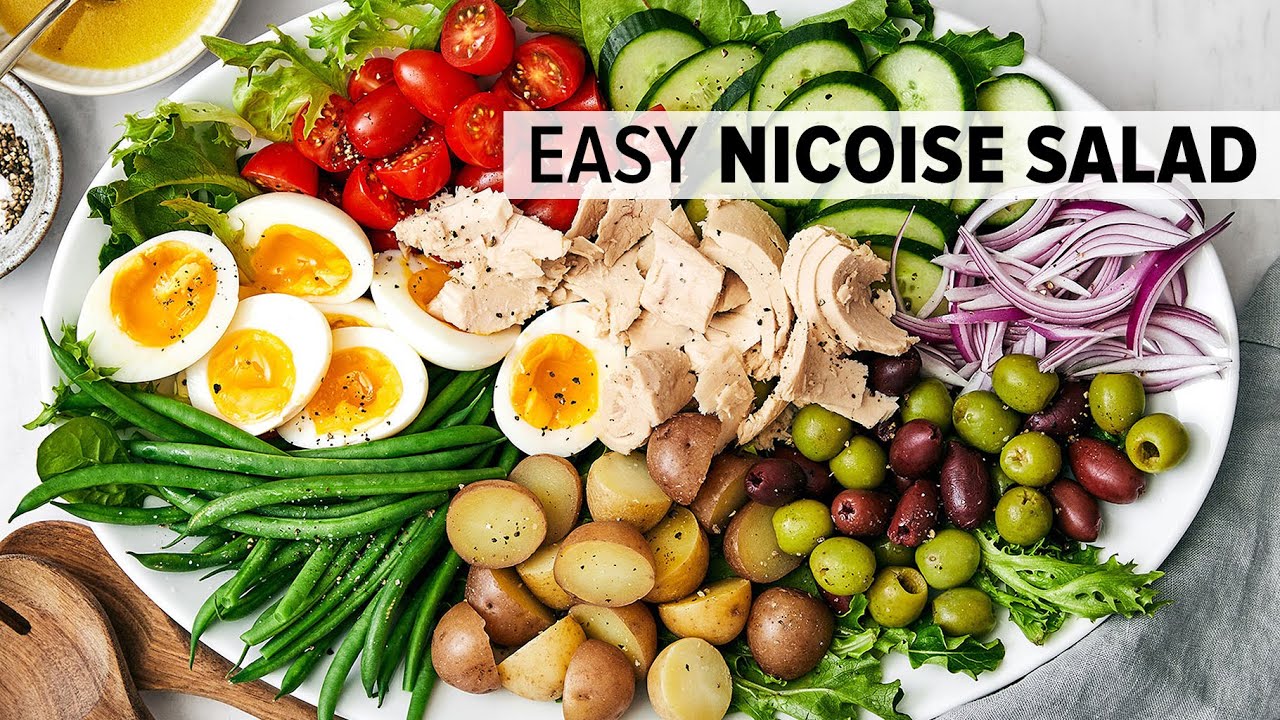
“Most people make Niçoise salad the same wrong way: they cook everything too early, let it sit, and serve a warm, soggy pile on sad greens with underdressed vegetables. The French don't do it that way. This is a composed salad — every element placed with intention, every component at the right temperature, every bite hitting briny, acidic, and savory at the same time. The vinaigrette is the engine. The blanch is the secret. Here's how it actually works.”
Why This Recipe Works
Niçoise is not a salad you throw together. It is a composed dish — every element placed with deliberate intent, every component cooked to a specific texture, and the whole thing unified by a vinaigrette that has been emulsified properly rather than shaken in a jar and hoped for the best. The French made this famous for a reason. Most home versions miss the point by treating it like a refrigerator cleanout on greens.
The Blanch Is Non-Negotiable
Green beans are the structural element of this salad. They're supposed to snap. They're supposed to be that specific shade of vivid green that signals something was cooked carefully and stopped at the right moment. This requires a proper blanch — four to five minutes in heavily salted boiling water, then an immediate transfer into ice water that arrests cooking on contact.
What you're working against is residual heat. A green bean pulled from boiling water at exactly 4 minutes will continue cooking for another 30-60 seconds from internal temperature alone. The ice bath kills that residual heat within seconds. Skip it and you get beans that were 4 minutes in the pot but cooked for 5. The difference is visible: bright green versus drab, snap versus bend. At scale, this mistake ruins the dish.
The Eggs: Off-Heat Method Only
Hard-boiling eggs by keeping them at a rolling boil produces the grey ring around the yolk — a sulfur compound that forms when eggs are overcooked. The off-heat method solves this: bring to a boil, remove from heat, cover, and rest for exactly 10 minutes. The carryover heat sets the whites fully while keeping the yolk a rich, deep yellow with no grey, no sulfur, and noticeably better flavor.
The ice bath here matters too. Eggs that cool slowly in the pot continue cooking. Eggs that go straight into ice water stop cooking and also develop a small air gap between the white and the shell, making them significantly easier to peel cleanly.
The Vinaigrette Architecture
The dressing for Niçoise is a Dijon-emulsified vinaigrette, and Dijon is doing real chemical work. Mustard contains lecithin-like compounds that bond oil molecules to water molecules, creating a stable emulsion that clings to every component rather than pooling at the bottom of the platter. A thin, broken dressing — oil and vinegar that have separated — means the first few bites are overdressed and the last ones are dry.
The technique is sequence-dependent: mustard first, then vinegar, then oil in a slow drizzle while whisking constantly. The anchovy fillets go in at the start. They dissolve completely during whisking and contribute deep savory complexity that reads as richness rather than fish. Guests who claim to hate anchovies routinely can't identify them when they're built into a properly made vinaigrette.
Composition Is Not Optional
Niçoise is served arranged — not tossed. Each component sits in its own row or section on a wide platter. This is not aesthetics for aesthetics' sake. It lets each person control their ratio of potato to egg to tuna to olive. It prevents wet components like tomatoes from softening the greens before service. And it maintains the visual integrity that makes the dish identifiable as Niçoise rather than a random Mediterranean grain bowl situation.
Dress it at the table, or at most two minutes before serving. Everything before that moment is mise en place. The vinaigrette lands last, drizzled with intention, covering each row rather than drowning one section while leaving another dry.
The large platter is not a luxury here — it's the tool that makes the dish possible. A bowl forces you to toss. A platter lets you compose.
Where Beginners Mess This Up
Before we start, read this. These are the 4 reasons your classic niçoise salad (the french method you've been skipping) will fail:
- 1
Overcooking the green beans: Green beans need exactly 4-5 minutes in boiling salted water, then an immediate ice bath. Beyond 5 minutes they turn khaki-colored and limp — you lose the snap that makes Niçoise texturally interesting. The ice bath stops residual cooking on contact. Skip it and you're serving army-green mush.
- 2
Building the salad too early: Niçoise is a composed platter, not a tossed salad. If you dress it 20 minutes before serving, the greens wilt, the potatoes absorb all the vinaigrette, and the eggs get rubbery. Dress it at the table, or at most two minutes before. Everything else can be prepped ahead — just keep it undressed.
- 3
Using low-quality tinned tuna: Tuna is the protein centerpiece of this dish, and it does not hide its quality. Water-packed albacore in a mediocre tin tastes like wet cardboard. Oil-packed tuna from a quality brand (or flaked poached fresh tuna) tastes like something the Côte d'Azur actually serves. This is not a place to economize.
- 4
Under-emulsifying the vinaigrette: The Dijon mustard is the emulsifier — it keeps the oil and vinegar from separating and gives the dressing body that clings to every element. Whisk it properly until it's thick and glossy. A thin, broken dressing pools at the bottom of the bowl and leaves half the salad undressed.
The Video Reference Library
Want to see it in action? Here are the exact videos we analyzed and combined to build this foolproof recipe translation:
The source video covering the full traditional preparation, blanching technique, and vinaigrette assembly. Demonstrates the composed plating style that separates Niçoise from every other salad.
🛠️ Core Equipment
- Large wide platterNiçoise is a composed salad meant to be displayed in rows, not tossed in a bowl. A platter gives you the horizontal surface to arrange each component distinctly and lets every element be visible before serving.
- Large pot for blanchingYou'll cook potatoes, green beans, and eggs in sequence — a large pot means you can reuse the same water for efficiency and keep cooking time tight. Volume also ensures the water returns to boil quickly after adding vegetables.
- Bowl of ice waterThe green beans go straight from boiling water into ice water to stop cooking and preserve their bright green color. Without this step, residual heat continues cooking the beans for another 2-3 minutes after draining.
- Small whisk and jarFor the vinaigrette. The mustard needs vigorous whisking to emulsify with the oil — a fork won't cut it. A jar with a lid works equally well and doubles as storage if you make extra.
Classic Niçoise Salad (The French Method You've Been Skipping)
🛒 Ingredients
- ✦1 pound small red potatoes, halved
- ✦8 ounces fresh green beans, trimmed
- ✦6 cups mixed salad greens or romaine lettuce, torn
- ✦1 can (5 ounces) albacore tuna in water, drained
- ✦4 large eggs
- ✦12 Kalamata olives, pitted
- ✦1 medium red bell pepper, sliced into strips
- ✦1 cup cherry tomatoes, halved
- ✦3 tablespoons extra-virgin olive oil
- ✦2 tablespoons red wine vinegar
- ✦1 tablespoon Dijon mustard
- ✦2 cloves garlic, minced
- ✦1 teaspoon dried oregano
- ✦6 anchovy fillets, finely chopped (optional)
- ✦1/4 cup fresh parsley, roughly chopped
- ✦Sea salt to taste
- ✦Fresh cracked black pepper to taste
- ✦1/2 teaspoon honey
👨🍳 Instructions
01Step 1
Place eggs in a pot of cold water and bring to a boil over high heat. Remove from heat, cover, and let sit for exactly 10 minutes.
02Step 2
Transfer eggs to ice water to cool. Boil red potatoes in the same salted water until fork-tender, about 12-15 minutes. Drain and set aside to cool slightly.
03Step 3
Blanch green beans in the same boiling water for 4-5 minutes until bright green and just crisp-tender. Transfer immediately to ice water for 2 minutes, then drain.
04Step 4
Whisk together olive oil, red wine vinegar, Dijon mustard, minced garlic, oregano, honey, and anchovy fillets (if using) in a small bowl until fully emulsified and glossy.
05Step 5
Season the vinaigrette with sea salt and fresh cracked pepper to taste. It should taste sharp and punchy — it will be diluted once it hits the vegetables.
06Step 6
Arrange torn salad greens across a large platter as the base layer.
07Step 7
Peel the cooled eggs and cut them into quarters. Scatter them evenly over the greens.
08Step 8
Arrange potatoes, green beans, bell pepper strips, and cherry tomato halves in distinct rows across the platter.
09Step 9
Add drained tuna in small mounds across the salad, breaking into chunks with a fork. Scatter Kalamata olives and anchovy fillets throughout.
10Step 10
Scatter fresh parsley over the entire platter.
11Step 11
Drizzle the vinaigrette generously over the entire salad just before serving. Do not toss — spoon or drizzle so each row gets coverage.
Nutrition Per Serving
Estimates based on standard preparation. Adjustments alter macros.
🔄 Substitutions
Instead of Albacore tuna...
Use Wild-caught salmon fillet, cooked and flaked
Richer, butterier flavor. Higher omega-3 content and lower mercury risk. Cook a skin-on fillet in a cast iron pan and flake it while still slightly warm.
Instead of Red wine vinegar...
Use Apple cider vinegar with the mother
Slightly sweeter and more complex. The acidity level is similar so no ratio adjustment needed. Works particularly well if you're using a milder green like butter lettuce.
Instead of Kalamata olives...
Use Green Castelvetrano olives
Buttery and mild instead of briny and assertive. Lower sodium. If anyone at your table thinks they don't like olives, start with Castelvetranos.
Instead of Anchovy fillets...
Use 1 teaspoon white miso paste
Dissolves into the vinaigrette and provides similar umami depth without any fish flavor. Add to the dressing before whisking. Not traditional, but functionally effective.
🧊 Storage & Reheating
In the Fridge
Store each component separately in airtight containers for up to 3 days. Dressed salad does not keep — the greens wilt within 2 hours.
In the Freezer
Not suitable for freezing. The greens, eggs, and potatoes all degrade in texture when frozen and thawed.
Reheating Rules
Niçoise is a cold salad and should not be reheated. Bring refrigerated components to room temperature before assembling and serving.
❓ Frequently Asked Questions
Do I have to use anchovies?
Technically no, but you're making a different dish. Anchovies in Niçoise aren't a garnish — they're a flavor foundation. Whisked into the vinaigrette, they melt completely and contribute savory depth you can't taste as 'fishy.' Try it once in the dressing before deciding. If you genuinely cannot use them, miso paste is the best swap.
Can I use canned tuna instead of fresh?
Yes, and most traditional Niçoise uses tinned tuna. The key is quality — oil-packed albacore from a reputable brand is far superior to standard water-packed tins. Drain it well and break it into chunks rather than flaking it into mush.
What's the difference between Niçoise and a regular composed salad?
Niçoise is a specific dish from Nice, France, with required components: potatoes, green beans, hard-boiled eggs, olives, and tuna or anchovies in a vinaigrette. It's composed rather than tossed — each element arranged separately rather than mixed. Improvising the components freely gives you a composed salad, not a Niçoise.
My vinaigrette keeps separating. What's wrong?
You need more Dijon or you added the oil too fast. The mustard is the emulsifier. Add it first, then whisk in the vinegar, then add the olive oil in a thin, slow drizzle while whisking continuously. If it breaks, start again with fresh mustard and slowly whisk the broken dressing into it as if it were the oil.
Can I make this ahead for a party?
Yes — this is ideal for entertaining. Cook and prep all components up to 24 hours ahead, store separately in the fridge, and assemble on the platter just before guests arrive. Bring the vinaigrette to room temperature and whisk again before drizzling. Do not dress the salad until service.
Is Niçoise salad actually filling enough as a main?
At this portion size, yes — 32 grams of protein, 28 grams of complex carbs from the potatoes, and 7 grams of fiber makes this a substantial meal. If you're feeding large appetites, increase the tuna to two cans and add two more eggs. The greens and vegetables scale without changing the character of the dish.
The Science of
Classic Niçoise Salad (The French Method You've Been Skipping)
We turned everything on this page into a beautiful, flour-proof PDF cheat sheet. Print it out, stick it to your fridge, and never mess up your classic niçoise salad (the french method you've been skipping) again.
*We'll email you the high-res PDF instantly. No spam, just perfectly cooked meals.
AlmostChefs Editorial Team
We translate the internet's most popular cooking videos into foolproof, beginner-friendly written recipes. We analyze multiple methods, test them in our kitchen, and engineer a single "Master Recipe" that gives you the best possible result with the least possible stress.