Fiery Nakji Bokkeum (The Spicy Octopus Stir-Fry That Actually Stays Tender)
A blazing Korean stir-fry of small octopus in gochujang-gochugaru sauce with scallions, onion, and sesame. We broke down the exact heat timing and cleaning technique that keeps nakji tender instead of rubbery — the two things every recipe skips over.

“Nakji bokkeum is one of those dishes where the margin between perfect and ruined is about 90 seconds. Small octopus cooked right is tender, almost buttery, with enough chew to feel substantial. Cooked wrong — even 2 minutes too long — it turns into rubber bands soaked in chili paste. Every Korean street stall cook knows the secret is high heat, fast hands, and knowing when to stop. This recipe builds that instinct from scratch.”
Why This Recipe Works
Nakji bokkeum is a dish built around a single biological fact: small octopus has almost no connective tissue. Large octopus — the kind you braise for an hour in Portugal or grill over charcoal in Greece — is held together by dense collagen that requires sustained heat to dissolve into gelatin. Nakji has none of that. It is lean, tender protein that cooks in under two minutes and becomes irreversibly tough at three. Everything in this recipe exists to respect that window.
The Cleaning Imperative
Octopus carries a coating of mucus and ink residue that tastes faintly of ammonia and sea floor when cooked. Most Western recipes ignore this step entirely. Korean cooking does not. The salt-kneading process is mechanical exfoliation — you are literally scrubbing the surface of the animal against itself, breaking down the coating with coarse crystals, then rinsing away what you loosened. Two rounds is the minimum. Three is the standard in Korean home kitchens.
The difference in the finished dish is not subtle. Properly cleaned nakji produces a clean, oceanic sweetness that amplifies the gochujang. Improperly cleaned nakji produces a murky bitterness that no sauce can mask. This is the step where most home cook failures originate — not the sauce, not the timing.
The Sauce Architecture
Gochujang and gochugaru are not interchangeable, and nakji bokkeum uses both deliberately. Gochujang — fermented red pepper paste — provides depth, body, and the fermented umami backbone that makes Korean sauces taste like they've been cooking for days. Gochugaru — dried red pepper flakes — provides the raw, fruity heat and the vivid red coating that clings to every tentacle. Together they create a sauce that is simultaneously complex and immediate.
The rice syrup is the unsung ingredient. It does three things: it balances the sharp heat of the gochugaru, it creates the glossy lacquer finish you see in every pojangmacha (Korean street stall), and it promotes caramelization on the octopus surface during the brief high-heat cook. Omit it and the sauce tastes flat and one-dimensional. Replace it with too much honey and the dish tips sweet. The ratio matters.
Soy sauce contributes saltiness and additional fermentation depth, while ginger cuts the richness with subtle sharpness. Sesame oil goes in last and off heat — it is a finishing fat, not a cooking fat. Heat destroys its aromatic compounds within sixty seconds.
The Wok Principle
Korean stir-fry technique operates on a principle called "wok hei" — the smoky, slightly charred flavor produced when protein and vegetables hit an extremely hot metal surface. You cannot achieve this on medium heat. You cannot achieve it in a nonstick pan. You need a carbon steel wok or heavy cast iron skillet heated to the point where a drop of water vaporizes on contact.
The sequencing of vegetables is not arbitrary. Onion and carrot go in first because they are dense and require 2 minutes to soften. Bell pepper and scallion go in second because they are delicate and should retain some crunch. Octopus goes in last because it requires nothing more than residual heat and 90 seconds of contact. This sequence ensures every component finishes at exactly the same moment.
The Timing Window
Nakji protein fibers contract rapidly above 140°F. At 90 seconds over high heat, the tentacles curl, the flesh turns opaque, and the texture sits precisely at the intersection of tender and substantial. At 3 minutes, the same proteins have contracted enough to expel most of their moisture, leaving you with a chewy, dry product no amount of sauce can rehabilitate.
Watch the tentacles. When they coil tightly and the flesh whitens completely, you are done. Plate immediately. The carryover heat in the pan will add another 15-20 seconds of cooking even after you cut the flame — factor that in, not as an afterthought.
Nakji bokkeum rewards decisive cooking. Know your exit, move without hesitation, and serve it fast.
Where Beginners Mess This Up
Before we start, read this. These are the 4 reasons your fiery nakji bokkeum (the spicy octopus stir-fry that actually stays tender) will fail:
- 1
Not cleaning the octopus properly: Nakji contains a sticky ink residue and mucus coating that turns bitter and acrid when cooked. You must knead the octopus thoroughly with coarse salt and rinse several times until the water runs clear. Skipping this step poisons the entire sauce with an off-flavor no amount of gochujang can cover.
- 2
Cooking on medium heat: Nakji bokkeum demands a screaming hot wok or skillet. Medium heat causes the octopus to steam in its own liquid instead of sear — you get a watery, gray, overcooked mess. The high heat cooks the octopus in under 2 minutes while caramelizing the sauce simultaneously.
- 3
Overcooking the octopus: Small octopus (nakji) becomes rubbery at the 3-minute mark. Unlike large octopus, which tenderizes again after long braising, nakji has no second window — it just gets worse. Add it last, cook for 90 seconds to 2 minutes maximum, and plate immediately.
- 4
Using cold octopus straight from the fridge: Cold seafood dropped into a hot wok instantly drops the pan temperature, causing steaming rather than searing. Let the cleaned octopus come to room temperature for 10 minutes before cooking.
🛠️ Core Equipment
- Carbon steel wok or cast iron skilletYou need a pan that holds and radiates intense, even heat. A thin nonstick skillet drops temperature the moment the octopus hits it. A well-seasoned [carbon steel wok](/kitchen-gear/review/carbon-steel-wok) is the professional choice.
- Large mixing bowlFor the salt-kneading cleaning step. You need room to work the octopus vigorously against itself without spilling.
- Sharp chef's knifeNakji tentacles are slippery and gelatinous. A sharp [chef's knife](/kitchen-gear/review/chefs-knife) cuts cleanly through the body without tearing, which matters for even cooking and presentation.
Fiery Nakji Bokkeum (The Spicy Octopus Stir-Fry That Actually Stays Tender)
🛒 Ingredients
- ✦1.1 pounds small octopus (nakji), cleaned
- ✦3 tablespoons coarse sea salt (for cleaning)
- ✦2 tablespoons gochujang (Korean red pepper paste)
- ✦1.5 tablespoons gochugaru (Korean red pepper flakes)
- ✦1.5 tablespoons soy sauce
- ✦1 tablespoon sesame oil
- ✦1 tablespoon rice syrup or honey
- ✦1 tablespoon neutral oil (avocado or grapeseed)
- ✦5 cloves garlic, minced
- ✦1 teaspoon fresh ginger, grated
- ✦1 medium yellow onion, cut into wedges
- ✦4 scallions, cut into 2-inch pieces
- ✦1 medium carrot, julienned
- ✦1/2 green bell pepper, sliced
- ✦1 teaspoon toasted sesame seeds
- ✦Steamed short-grain white rice, to serve
👨🍳 Instructions
01Step 1
Place the octopus in a large bowl with coarse salt. Knead vigorously for 3-4 minutes until the coating turns slimy and dark. Rinse under cold running water, then repeat once more with fresh salt. Rinse until water runs completely clear.
02Step 2
Cut each octopus into bite-sized pieces — tentacles in 2-inch segments, body in rough quarters. Pat dry with paper towels.
03Step 3
Let the cut octopus sit at room temperature for 10 minutes while you prep the sauce and vegetables.
04Step 4
Whisk together gochujang, gochugaru, soy sauce, sesame oil, and rice syrup in a small bowl until smooth. Set aside.
05Step 5
Heat neutral oil in a wok or cast iron skillet over the highest heat your stove allows. When the oil just begins to smoke, add the garlic and ginger and stir for 20 seconds.
06Step 6
Add onion wedges and carrot. Stir-fry for 2 minutes until the onion edges start to char slightly.
07Step 7
Add green bell pepper and scallions. Toss for 30 seconds.
08Step 8
Add the octopus pieces to the wok. Immediately pour the sauce over everything. Toss constantly for 90 seconds to 2 minutes — no longer.
09Step 9
Remove from heat. Drizzle with additional sesame oil if desired. Plate over steamed rice and scatter sesame seeds over the top.
Nutrition Per Serving
Estimates based on standard preparation. Adjustments alter macros.
🔄 Substitutions
Instead of Small octopus (nakji)...
Use Squid (ojingeo) or cuttlefish
Squid is the closest structural substitute and is far easier to source. Use the same cleaning method. Cook time is identical — 90 seconds max. The flavor is slightly milder.
Instead of Rice syrup...
Use Honey or dark corn syrup
Honey works well but adds a floral note. Dark corn syrup provides the same gloss and sweetness without flavor interference. Avoid maple syrup — it clashes with the gochujang.
Instead of Gochugaru...
Use 1 tablespoon gochujang + 1 teaspoon cayenne
Not ideal — gochugaru has a fruity, mildly smoky heat that cayenne alone can't replicate. This substitution is for emergencies, not preference.
Instead of Sesame oil...
Use Perilla oil
Perilla oil is a traditional Korean alternative with a nuttier, slightly anise-forward flavor. Excellent substitute if you can find it.
🧊 Storage & Reheating
In the Fridge
Store leftovers in an airtight container for up to 2 days. The octopus will continue to firm slightly as it chills — this is normal.
In the Freezer
Not recommended. Cooked octopus freezes poorly and turns mealy upon thawing.
Reheating Rules
Reheat briefly in a hot skillet for 60-90 seconds with a splash of water to loosen the sauce. Do not microwave — it continues to cook the octopus and guarantees rubbery texture.
❓ Frequently Asked Questions
Where do I buy nakji in the US?
Korean grocery chains like H Mart and Zion Market carry both live and frozen nakji. Frozen is widely available and works well for this dish. Some Japanese fish markets also carry small octopus labeled 'baby octopus' that is functionally identical.
Why is my octopus releasing so much liquid in the pan?
Two causes: the octopus wasn't patted dry before cooking, or the pan wasn't hot enough when you added it. Excess moisture steams the octopus instead of searing it, making the sauce watery and the texture soft. Start with a properly dried protein and a smoking-hot pan.
How spicy is nakji bokkeum?
Traditionally, it's very spicy — this is street food designed for gochugaru tolerance built over years. This recipe is bold but approachable. Reduce gochugaru to 1 tablespoon for moderate heat, or increase to 2 tablespoons if you want it closer to the Seoul pojangmacha standard.
Can I make the sauce ahead of time?
Yes. The sauce keeps refrigerated for up to a week. Having it premixed means the only thing standing between you and dinner is a 4-minute wok session.
Is nakji bokkeum actually anti-inflammatory?
Octopus is high in taurine and selenium, both associated with reduced inflammatory markers in research. Gochugaru contains capsaicin, which inhibits substance P, a neuropeptide linked to inflammation. The combination has legitimate nutritional backing — though eating it once won't fix your joints.
What does nakji taste like compared to large octopus?
Nakji is more delicate and slightly sweeter than large octopus. It lacks the briny intensity of tako (Japanese octopus) and has a thinner texture that absorbs sauce better. Think of it as the squid of the octopus world — light, quick-cooking, and adaptable.
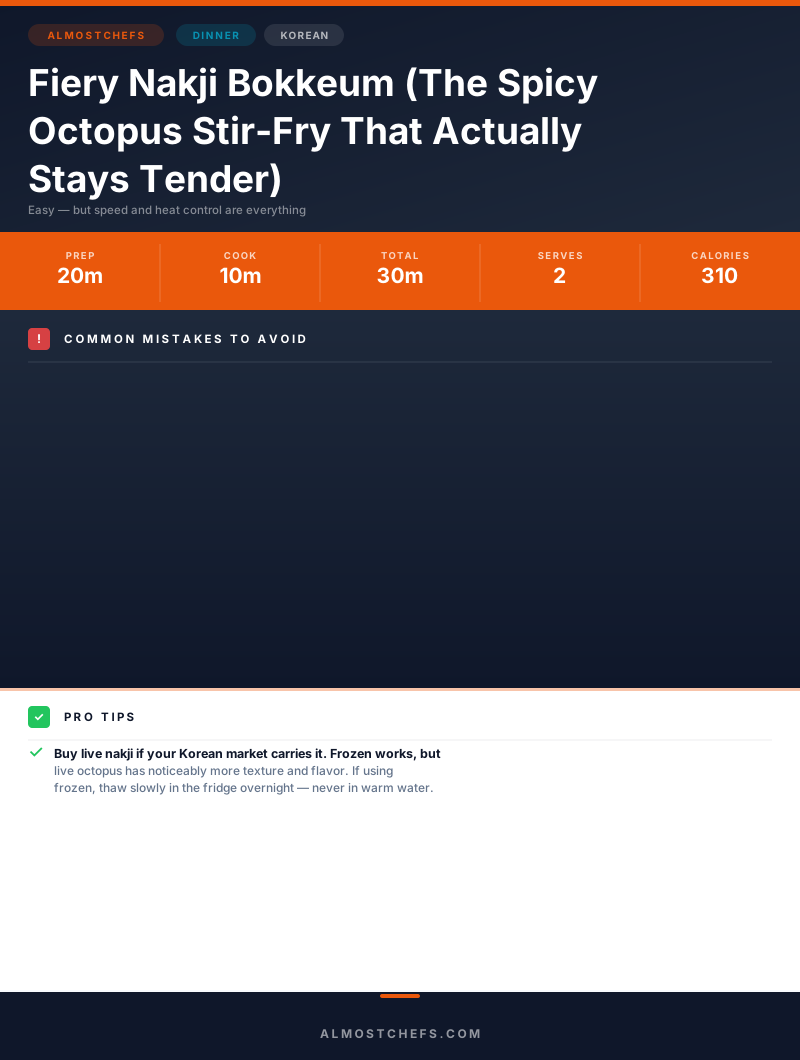
The Science of
Fiery Nakji Bokkeum (The Spicy Octopus Stir-Fry That Actually Stays Tender)
We turned everything on this page into a beautiful, flour-proof PDF cheat sheet. Print it out, stick it to your fridge, and never mess up your fiery nakji bokkeum (the spicy octopus stir-fry that actually stays tender) again.
*We'll email you the high-res PDF instantly. No spam, just perfectly cooked meals.
AlmostChefs Editorial Team
We translate the internet's most popular cooking videos into foolproof, beginner-friendly written recipes. We analyze multiple methods, test them in our kitchen, and engineer a single "Master Recipe" that gives you the best possible result with the least possible stress.