Foolproof Homemade Naan (Pillowy, Blistered, Restaurant-Quality)
Soft, pillowy Indian flatbread made with yogurt and instant yeast, cooked in a screaming-hot cast iron skillet until blistered and golden, then finished with garlic butter and nigella seeds. We broke down the fermentation and heat variables so you get restaurant results on your first attempt.
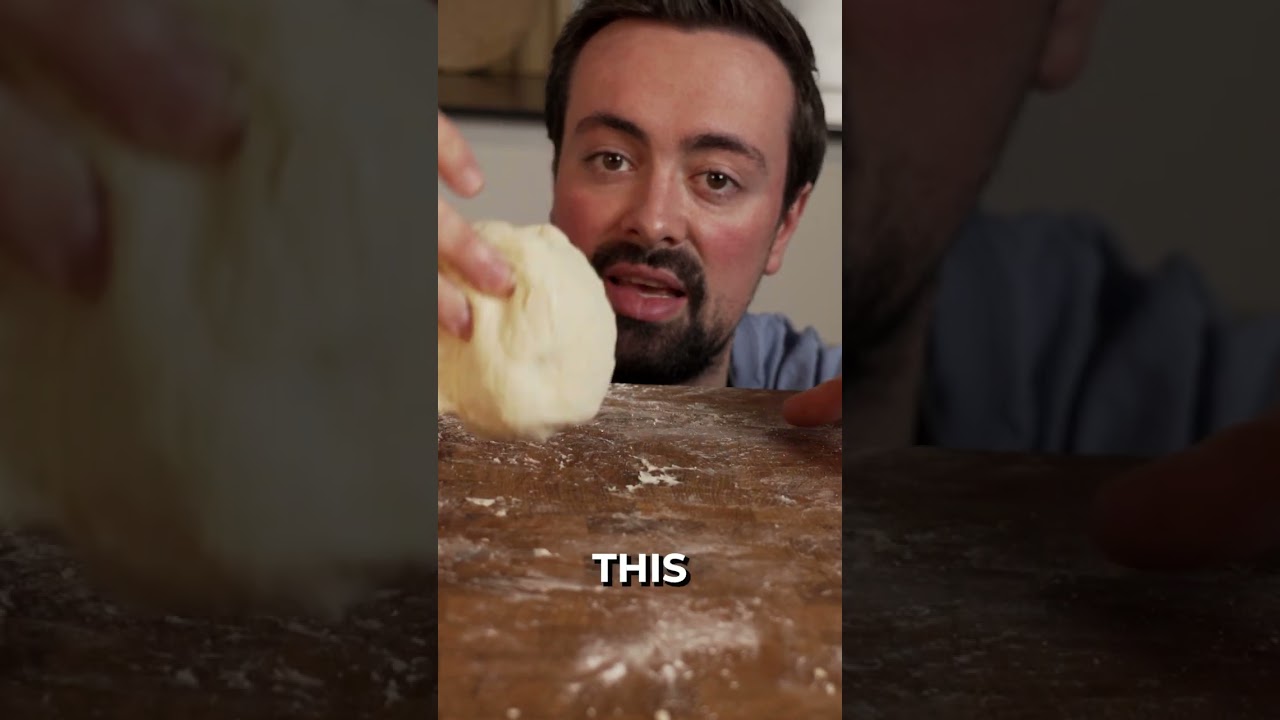
“Most homemade naan recipes produce dense, doughy discs that taste like flour tortillas with an identity crisis. The difference between that and the blistered, pillowy flatbread you get at a good Indian restaurant comes down to two things: proper fermentation time and a cast iron skillet that's actually hot enough. Both are easy. Neither is optional.”
Why This Recipe Works
Naan is not complicated bread. It is, however, bread that punishes impatience at two specific moments: the fermentation and the sear. Every restaurant naan you've ever eaten that made you tear off another piece before you meant to was the product of a cook who understood those two moments and respected them. This recipe is built around both.
Fermentation Is Flavor
Instant yeast gets the dough risen, but the yogurt does the flavor work. Full-fat yogurt contains live lactic acid bacteria — the same organisms responsible for the tang in sourdough and the bite in cultured butter. Given time, those bacteria produce lactic and acetic acids that transform a plain flour dough into something complex and slightly sour in the best possible way.
The same-day rise (2-4 hours at room temperature) produces perfectly fine naan. But the overnight cold ferment in the fridge is where the flavor gap between homemade and restaurant naan closes. Cold temperatures slow the yeast's rise but extend the bacterial fermentation window, giving the acids more time to develop without the bread over-proofing. The result is a subtly tangy, deeply flavored dough that tastes like it came from a tandoor oven even when it came from your stovetop.
If you're planning naan, start the dough the night before. This is the single most impactful thing you can do to improve the result.
The Cast Iron Imperative
A cast iron skillet is not a preference for this recipe — it's the mechanism. Naan's characteristic blisters form when pockets of steam inside the dough expand rapidly against an extremely hot surface, causing the bread to puff and char in small, irregular spots. This requires direct contact with a surface holding 450-500°F of dry heat.
Non-stick pans cannot reach these temperatures safely. Stainless steel pans work but lose heat too quickly when the cold dough hits the surface. Cast iron holds its temperature through the thermal shock of each piece of dough, which means piece eight cooks exactly the same as piece one. Preheat it for a full 3-5 minutes on medium-high before you start — the single most commonly skipped step in every failed batch of naan.
The Gluten Architecture
This dough has a specific hydration designed to produce a soft, pillowy crumb without being so wet it's unworkable. The yogurt contributes both moisture and fat. The fat from full-fat yogurt physically interrupts gluten strand formation, keeping the interior tender. Low-fat yogurt replaces that fat with water, which strengthens the gluten network and produces chewier, denser bread. It's a small swap with disproportionate consequences.
Kneading to the windowpane stage is not optional. Under-developed gluten tears when you roll the dough thin and doesn't trap gas efficiently during cooking. The result is flat, dense naan instead of layered and airy. Five minutes in a stand mixer with a dough hook gets you there reliably. If kneading by hand, go a full 8-10 minutes and don't shortcut it.
The Garlic Butter Finish
The garlic butter isn't garnish. Applied to hot naan the moment it comes off the skillet, it soaks into the bread's open pores while the residual heat blooms the raw garlic without burning it. Wait until the naan cools and the surface closes — the butter sits on top instead of absorbing in. You end up with greasy naan instead of garlicky naan.
This is the window: 30 seconds off the skillet, brush immediately. The nigella seeds and cilantro go on while the butter is still liquid so they stick. Everything about the finish is timed to the heat. Work fast.
Where Beginners Mess This Up
Before we start, read this. These are the 4 reasons your foolproof homemade naan (pillowy, blistered, restaurant-quality) will fail:
- 1
Skipping the rest before rolling: After dividing the dough into balls, they need 30-45 minutes to relax at room temperature. If you roll immediately, the gluten is too tight — the dough springs back, fights you, and cooks up dense and chewy instead of airy. The rest period lets the gluten unwind so the dough rolls thin effortlessly.
- 2
A skillet that isn't hot enough: Naan requires intense, dry, direct heat to blister properly. If your cast iron isn't preheated for a full 3-5 minutes on medium-high, the dough steams instead of sears. You get pale, limp bread with no char. The char is not a mistake — it's the flavor.
- 3
Over-flouring the dough: This dough is meant to be slightly tacky. Adding extra flour to prevent sticking dries out the crumb and kills the soft, pillowy interior. If dough sticks to your hands, oil them lightly — do not reach for more flour.
- 4
Brushing butter before the flip: Garlic butter goes on immediately after the naan comes off the skillet, not before or during cooking. Butter hitting a screaming-hot pan burns in seconds. You want fragrant garlic butter, not bitter smoke.
The Video Reference Library
Want to see it in action? Here are the exact videos we analyzed and combined to build this foolproof recipe translation:
The primary reference video for this recipe. Covers the dough hydration, fermentation window, and cast iron technique with clear visuals of the blistering stage you're aiming for.
🛠️ Core Equipment
- Cast iron skilletHolds and distributes heat evenly at the extreme temperatures naan needs. Non-stick pans lose their coating above 500°F and cannot get hot enough for proper blistering. A [cast iron skillet](/kitchen-gear/review/cast-iron-skillet) is the only correct tool here.
- Stand mixer with dough hookKneading by hand works, but a stand mixer develops gluten uniformly in 5-6 minutes with no effort. Unevenly developed gluten means inconsistent texture across the batch.
- Kitchen scaleDividing dough into 8 equal portions by eye produces wildly different-sized naan that cook at different rates. A [kitchen scale](/kitchen-gear/review/kitchen-scale) removes the guesswork entirely.
Foolproof Homemade Naan (Pillowy, Blistered, Restaurant-Quality)
🛒 Ingredients
- ✦3.5 cups all-purpose flour
- ✦1 cup plain full-fat yogurt
- ✦0.5 cup room temperature water
- ✦1.5 teaspoons instant yeast
- ✦1.25 teaspoons kosher salt
- ✦2 tablespoons olive oil
- ✦1.5 teaspoons honey
- ✦3 tablespoons unsalted butter, melted
- ✦3 cloves garlic, minced
- ✦1.5 teaspoons nigella seeds (kalonji)
- ✦0.25 cup fresh cilantro, chopped
- ✦1 teaspoon garlic powder
👨🍳 Instructions
01Step 1
Combine flour, instant yeast, and salt in a large bowl and whisk together to distribute the yeast evenly before adding any liquids.
02Step 2
Add the yogurt, room temperature water, olive oil, and honey to the flour mixture.
03Step 3
Mix until a shaggy dough forms, approximately 2-3 minutes by hand or on low speed in a stand mixer.
04Step 4
Knead by hand for 8-10 minutes or with a stand mixer dough hook on medium for 5-6 minutes, until the dough is smooth, slightly sticky, and passes the windowpane test.
05Step 5
Cover the bowl with a damp kitchen towel and let the dough rise at room temperature for 2-4 hours until doubled, or refrigerate overnight (8-12 hours) for deeper flavor.
06Step 6
Divide the dough into 8 equal portions and roll each into a tight, smooth ball. Place on parchment paper with space between each ball.
07Step 7
Cover the dough balls loosely with a towel and rest for 30-45 minutes at room temperature until they puff slightly and feel airy when pressed.
08Step 8
Heat a cast iron skillet over medium-high heat for 3-5 full minutes until very hot — a drop of water should evaporate instantly on contact.
09Step 9
Flatten one dough ball into an oval approximately 0.25 inches thick. Work from the center outward and avoid the edges, leaving them slightly thicker for better puffing.
10Step 10
Place the flattened naan directly onto the dry, ungreased skillet. Cook for 2-3 minutes until golden brown blisters and light char marks appear on the bottom.
11Step 11
Flip carefully and cook the second side for 1-2 minutes until lightly golden and fully cooked through.
12Step 12
Remove from the skillet and immediately brush generously with the melted butter mixed with minced garlic and garlic powder.
13Step 13
Sprinkle with nigella seeds and chopped fresh cilantro while the butter is still liquid so they adhere.
14Step 14
Stack finished naan on a plate and cover with a clean kitchen towel to keep warm and pliable while you cook the remaining portions.
15Step 15
Serve warm alongside curry, dips, or as a standalone bread course.
Nutrition Per Serving
Estimates based on standard preparation. Adjustments alter macros.
🔄 Substitutions
Instead of All-purpose flour...
Use Whole wheat flour blend (2.5 cups all-purpose + 1 cup whole wheat)
Denser, nuttier texture with more fiber. May require an additional 2-3 tablespoons of water since whole wheat absorbs more liquid. Excellent flavor trade-off.
Instead of Plain yogurt...
Use Greek yogurt (0.75 cup, increase water to 0.75 cup)
Tangier flavor and slightly denser crumb due to higher protein content. Adjust water to compensate for Greek yogurt's lower moisture. Works extremely well.
Instead of Honey...
Use Omit entirely, or 0.5 teaspoon monk fruit sweetener
The honey's primary job is activating the yeast and adding a very subtle sweetness. Instant yeast doesn't strictly require sugar to activate, so omitting it is a clean option.
Instead of Butter and oil combined...
Use Extra virgin olive oil only (4 tablespoons total)
Lighter, more Mediterranean flavor on the finished bread. Loses the dairy richness of butter but gains a grassy, fruity note. Keeps the recipe fully dairy-free if you also swap the yogurt.
🧊 Storage & Reheating
In the Fridge
Store in a zip-lock bag or airtight container for up to 3 days. The naan will soften as it absorbs moisture — reheat to restore texture.
In the Freezer
Freeze individual pieces separated by parchment paper for up to 2 months. Thaw at room temperature for 20-30 minutes before reheating.
Reheating Rules
Wrap in foil and heat in a 350°F oven for 5-8 minutes, or reheat directly in a dry skillet over medium heat for 60 seconds per side. Avoid the microwave — it turns the bread gummy.
❓ Frequently Asked Questions
Can I make naan without yeast?
Yes. Replace the yeast with 1 teaspoon baking powder and 0.5 teaspoon baking soda and skip the rise entirely. The result is still good flatbread, but it won't have the same airy, layered interior that yeast fermentation creates. It's a different product — faster, but simpler.
Why isn't my naan blistering?
The pan isn't hot enough. Cast iron needs 3-5 full minutes of preheating on medium-high before the first naan goes in. If you put the dough in too early, it steams instead of sears and you get pale, dense bread with no color or char.
Can I cook naan in the oven instead of a skillet?
Yes — preheat your oven to 500°F with a baking stone or inverted baking sheet inside for at least 30 minutes. Place the naan directly on the stone and bake for 4-6 minutes. You get good results, but the direct contact of a cast iron skillet produces better char and texture.
How do I know when the dough has risen enough?
It should roughly double in volume and feel airy and slightly tacky when you poke it with a floured finger. The indentation should spring back slowly but not completely. If it springs back immediately, it needs more time. If it collapses, it's slightly over-proofed — it will still bake fine, just with slightly less lift.
What are nigella seeds and can I skip them?
Nigella seeds (also called kalonji or black seed) are small black seeds with a flavor profile somewhere between onion, black pepper, and oregano. They are not the same as black sesame seeds. You can skip them entirely — the naan will still be excellent. Or substitute black sesame for a different but pleasant flavor.
Can I make the dough ahead of time?
Absolutely, and you should. The overnight cold ferment in the fridge (8-12 hours) produces dramatically better flavor than the same-day rise. Make the dough the night before, refrigerate it, and cook the next day. Remove from the fridge 30 minutes before dividing and shaping.
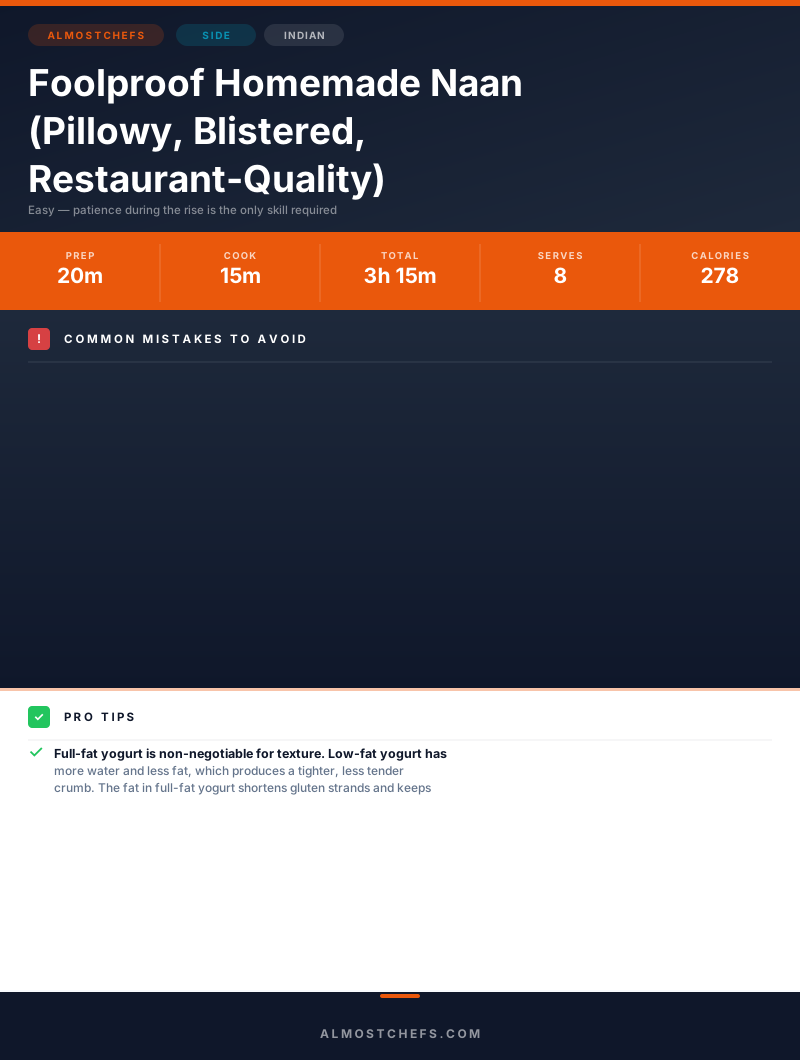
The Science of
Foolproof Homemade Naan (Pillowy, Blistered, Restaurant-Quality)
We turned everything on this page into a beautiful, flour-proof PDF cheat sheet. Print it out, stick it to your fridge, and never mess up your foolproof homemade naan (pillowy, blistered, restaurant-quality) again.
*We'll email you the high-res PDF instantly. No spam, just perfectly cooked meals.
AlmostChefs Editorial Team
We translate the internet's most popular cooking videos into foolproof, beginner-friendly written recipes. We analyze multiple methods, test them in our kitchen, and engineer a single "Master Recipe" that gives you the best possible result with the least possible stress.