Silky Mushroom, Leek and Tarragon Pasta (Stop Crowding the Pan)
A cream-sauced pasta built on properly browned mixed mushrooms, slow-softened leeks, and fresh tarragon added at the last possible second. We broke down the four technique failures that make most versions taste flat and built a method that delivers restaurant-quality depth in under 40 minutes.
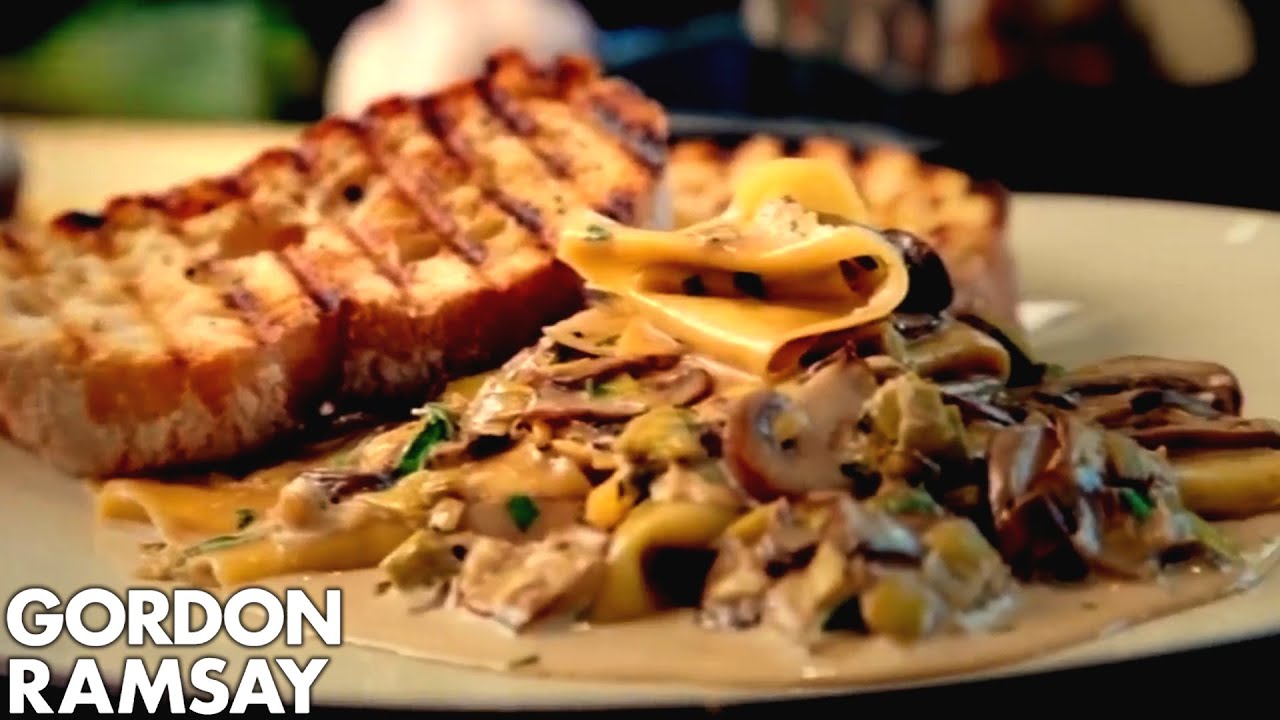
“Most mushroom pasta recipes produce a gray, steamed mess floating in watery cream sauce. The mushrooms never brown. The leeks dissolve into nothing. The tarragon disappears entirely. These are three separate technique failures, and they all come from the same root cause: impatience. This recipe fixes all three.”
Why This Recipe Works
Mushroom pasta exists on a spectrum from transcendent to deeply disappointing, and most home versions land closer to the latter. Not because the ingredients are wrong — mushrooms, leeks, cream, and tarragon are a legitimate and time-tested flavor combination with centuries of French and northern Italian tradition behind them — but because the technique fails at almost every step. The mushrooms don't brown. The leeks don't soften properly. The cream sauce breaks or turns watery. The tarragon vanishes. This recipe addresses each failure point directly, because the dish only functions when all four components do their jobs simultaneously.
The Mushroom Problem
Mushrooms are 90% water by weight, and that water is the enemy of browning. When you add them to a pan — especially one that isn't screaming hot, especially if you add them all at once — they release that moisture faster than it can evaporate. The pan floods. The temperature drops. The mushrooms steam in their own liquid and turn gray and rubbery, with none of the deep, nutty, umami-rich browning that makes this dish worth making in the first place.
The fix is mechanical and non-negotiable: a wide stainless steel skillet at high heat, mushrooms in a strict single layer, hands off for a full 3-4 minutes per side. You're giving the released moisture nowhere to go but up and out as steam, while the pan surface works on the dry face that's in contact with the metal. Tear the mushrooms rather than slicing them — ragged, irregular edges create more surface area that browns faster and develops better textural contrast. Cook in two batches minimum. Season after browning, not before, because salt draws out moisture and will flood the pan before the Maillard reaction has a chance to start.
The Leek Architecture
Leeks look mild but behave like onions — and like onions, they need low, patient heat to surrender their sharpness and convert their natural sugars into something sweet and complex. The difference is that leeks have a layered structure and higher water content than most alliums, which means they cook unevenly if rushed. High heat chars the outer leaves before the inner layers have softened, leaving you with bitter edges and a tough center that texturally undermines every other component in the bowl.
Eight to ten minutes over medium-low heat, stirring often, is what it actually takes. What you're watching for is a complete transformation — from pale, firm, and slightly sharp to translucent and almost glassy, with gentle golden edges and a texture so soft they practically melt when pressed against the pan. At that point, the sulfur compounds have mellowed, the sugars have converted, and the leeks are ready to provide the sweet aromatic backbone that holds the whole sauce together.
Cream Sauce Physics
A cream sauce breaks when butterfat separates from the liquid, and it breaks for two reasons: too much heat or insufficient emulsification. The solution to the first is simple — reduce heat before adding cream and never let it boil. A bare simmer, small bubbles at the edges only, is all the heat this sauce ever needs. The solution to the second is pasta water, one of the most consistently underused tools in home cooking. Starchy pasta water — reserve a full cup before draining — acts as a natural emulsifier that binds the butterfat in cream to the cooking liquid and to the pasta surface itself. Always transfer pasta from the pot using tongs or a spider strainer rather than a colander, because the water clinging to the noodles carries starch that would otherwise go straight down the drain.
The final technique is mounting — stirring in a cold tablespoon of butter off the heat as the last step. The cold butter forms a temporary emulsion with the hot sauce as it melts, rounding out the acidity of the white wine and lemon juice and delivering the glossy, restaurant-finish silkiness that extra cream alone can never replicate.
The Tarragon Rule
Fresh tarragon is one of the more fragile herbs in the kitchen. Its primary flavor compounds — estragole and related volatile phenylpropanoids — have a low boiling point and begin evaporating within minutes of sustained heat exposure. Added at the start with the leeks, tarragon is essentially flavorless by the time the pasta reaches the bowl. Added at the very end, off the heat, it blooms into the warm sauce and perfumes the entire dish with a clean, bright, anise-adjacent aroma that redefines the character of the whole plate.
This is a rule, not a preference. Remove the pan from the burner entirely, then stir in the tarragon alongside the cold butter and lemon juice. The residual heat of the sauce is sufficient to gently open the herb without destroying it. The difference between "this is pleasant" and "what is that herb, I need to know immediately" is measured in thirty seconds and one burner position. Get it right and everything else in the bowl suddenly tastes more intentional.
Where Beginners Mess This Up
Before we start, read this. These are the 4 reasons your silky mushroom, leek and tarragon pasta (stop crowding the pan) will fail:
- 1
Crowding the mushrooms: Mushrooms are 90% water by weight. When you pile them into a pan, they release all that moisture at once and steam instead of sear. The result is gray, rubbery mushrooms with none of the deep umami browning that makes this dish worth eating. Cook in a single layer in batches, high heat, and do not touch them for at least 3 minutes per side.
- 2
Cooking the leeks on high heat: Leeks need low, slow heat to melt into sweetness. High heat chars the outer layers while leaving the interior tough and grassy. Medium-low for 8-10 minutes, stirring often, is the only way to get that silky, jammy texture that anchors the sauce.
- 3
Adding cream too early or on high heat: Heavy cream breaks when it hits a pan that's too hot or when it's been cooking too long. You get greasy, separated sauce instead of a silky emulsion. Reduce heat before adding cream, and never let it boil — a gentle simmer with small bubbles around the edges is all it needs.
- 4
Adding tarragon too early: Fresh tarragon contains volatile anise-like compounds that evaporate within minutes of heat exposure. Added at the start, it tastes like nothing by the time the pasta is plated. Stir it in at the very last moment, off the heat, so the flavor lands clean and bright.
The Video Reference Library
Want to see it in action? Here are the exact videos we analyzed and combined to build this foolproof recipe translation:
The source video that inspired this breakdown. Clear demonstration of the batched mushroom browning method and the final tarragon finish that separates a flat dish from a fragrant one.
A foundational walkthrough of cream sauce chemistry — temperature control, emulsification, and how starchy pasta water rescues a sauce on the verge of splitting.
Deep dive into the Maillard reaction as it applies to high-moisture vegetables. Covers pan choice, heat management, and the single-layer rule that permanently changes how you cook mushrooms.
🛠️ Core Equipment
- Wide stainless or carbon steel skilletSurface area is everything for browning mushrooms. A 12-inch skillet gives you room to work in batches without crowding. Non-stick pans can't handle the high heat needed for proper searing — stainless or carbon steel only.
- Large pasta potPasta needs room to move. A cramped pot causes uneven cooking and sticky noodles. Use at least 4 quarts of water per pound of pasta, heavily salted — the water should taste like the sea.
- Spider strainer or tongsTransfer pasta directly from boiling water to the sauce pan rather than through a colander. You carry starchy pasta water with you — it's the emulsifier that binds sauce to noodle and prevents splitting.
- Microplane or box graterPre-grated Parmesan from a bag is coated in cellulose that prevents it from melting smoothly. Grate fresh from a block directly over the pan for a sauce that integrates rather than clumps.
Silky Mushroom, Leek and Tarragon Pasta (Stop Crowding the Pan)
🛒 Ingredients
- ✦12 oz (340g) pappardelle or tagliatelle
- ✦1 lb (450g) mixed mushrooms (cremini, shiitake, or oyster), torn into irregular pieces
- ✦2 large leeks, white and light green parts only, halved lengthwise and thinly sliced
- ✦4 garlic cloves, thinly sliced
- ✦3 tablespoons unsalted butter, divided
- ✦2 tablespoons olive oil, divided
- ✦1/2 cup dry white wine
- ✦3/4 cup heavy cream
- ✦1/2 cup reserved pasta water, plus more as needed
- ✦2 oz (55g) Parmesan, freshly grated, plus more to finish
- ✦3 tablespoons fresh tarragon leaves, roughly torn
- ✦1 tablespoon fresh lemon juice
- ✦1 teaspoon lemon zest
- ✦Sea salt and freshly cracked black pepper to taste
- ✦Flaky salt, to finish
👨🍳 Instructions
01Step 1
Bring a large pot of water to a rolling boil. Season aggressively with salt — it should taste like mild seawater. This is the only opportunity to season the pasta itself, not just the sauce.
02Step 2
Heat 1 tablespoon olive oil in a wide skillet over high heat until shimmering and just starting to smoke. Add half the mushrooms in a single layer. Do not stir. Cook undisturbed for 3-4 minutes until deeply golden on the bottom.
03Step 3
Flip the mushrooms and cook 2-3 minutes more until golden on the second side. Transfer to a plate, season with salt, and repeat with remaining mushrooms and the second tablespoon of olive oil.
04Step 4
Reduce heat to medium-low. Add 2 tablespoons butter to the same skillet. Once melted and foaming, add the sliced leeks and a pinch of salt. Cook, stirring often, for 8-10 minutes until completely softened, silky, and lightly golden at the edges.
05Step 5
Add the garlic and cook 1-2 minutes until fragrant. Pour in the white wine, scraping up any browned bits from the bottom of the pan. Cook until the wine is almost entirely reduced, about 2 minutes.
06Step 6
Reduce heat to low. Add the heavy cream and lemon zest. Stir gently and bring to a bare simmer — tiny bubbles around the edges only. Cook for 3-4 minutes until the cream has thickened slightly and coats the back of a spoon.
07Step 7
Cook the pasta according to package directions until 1 minute shy of al dente. Before draining, reserve at least 1 cup of pasta water.
08Step 8
Using tongs or a spider strainer, transfer the pasta directly into the cream sauce, bringing some starchy water with it. Add the browned mushrooms back in. Toss everything together over low heat, adding pasta water a few tablespoons at a time until the sauce clings to each strand and looks glossy.
09Step 9
Remove the pan from heat entirely. Add the remaining tablespoon of cold butter, freshly grated Parmesan, lemon juice, and fresh tarragon. Toss vigorously for 30-45 seconds until the butter melts into the sauce and everything is glossy and evenly coated.
10Step 10
Taste and adjust with salt, cracked pepper, and more lemon juice as needed. Divide among warmed bowls. Finish with extra Parmesan, cracked black pepper, and a pinch of flaky salt.
Nutrition Per Serving
Estimates based on standard preparation. Adjustments alter macros.
🔄 Substitutions
Instead of Heavy cream...
Use Full-fat coconut cream
Dairy-free and works well. Use the solid cream from the top of the can, not coconut milk. Adds a subtle sweetness that complements the tarragon. The sauce will be slightly thinner — compensate with an extra splash of pasta water.
Instead of Pappardelle...
Use Rigatoni or penne
Shorter tubular pasta works if that's what's on hand. Mushrooms and leeks lodge inside the tubes for a different but equally satisfying filling-to-pasta ratio. Add an extra 30 seconds to the tossing step so the sauce coats the interior.
Instead of White wine...
Use Dry vermouth or low-sodium vegetable broth with a squeeze of lemon
Vermouth is actually superior to most cheap white wines for cooking — it's already fortified with botanicals that add complexity. Broth with lemon works for alcohol-free versions but lacks the same acidity and depth.
Instead of Fresh tarragon...
Use Fresh chervil or fresh fennel fronds
Both carry similar anise-adjacent flavor profiles. Chervil is more delicate and subtle; fennel fronds are more assertive. Start with half the quantity and adjust to taste. Dried tarragon is not an acceptable substitute — its volatile compounds are largely destroyed during drying.
🧊 Storage & Reheating
In the Fridge
Store in an airtight container for up to 3 days. The sauce will thicken considerably as the pasta absorbs it — this is normal.
In the Freezer
Not recommended. Cream sauces break when frozen and thawed, and pasta texture degrades significantly.
Reheating Rules
Add 2-3 tablespoons of water or cream to the portion, cover, and warm over low heat on the stovetop, stirring gently until the sauce loosens. Add a pinch of fresh tarragon when serving to bring the aroma back.
❓ Frequently Asked Questions
Why do my mushrooms always release so much water?
Mushrooms are 90% water by weight. When they hit a pan, they release that moisture as steam. The only solution is high heat and space — cook in batches in a single layer so the water evaporates immediately rather than pooling. If you crowd the pan, the mushrooms steam in their own liquid and the temperature drops too fast for browning to occur.
Can I use dried tarragon instead of fresh?
Technically yes, but the result is significantly inferior. Dried tarragon has lost most of its volatile anise compounds during processing. If you use it, add it earlier with the leeks rather than at the end, and use one third of the quantity. Fresh chervil or fresh fennel fronds are better substitutes than dried tarragon.
My cream sauce is too thick. How do I fix it?
Add reserved pasta water a tablespoon at a time while tossing over low heat. The starch in the water thins the sauce while maintaining its body and glossiness. Plain water works in a pinch but the starch is what keeps it from turning watery rather than silky.
Can I make this without alcohol?
Yes. Replace the white wine with low-sodium vegetable broth plus 1 teaspoon of lemon juice. You lose some of the acidity and complexity the wine provides, but the technique stays the same — deglaze the pan and reduce until nearly evaporated before adding the cream.
What mushrooms work best?
A mix works better than a single variety. Cremini provide bulk and a meaty chew. Shiitake contribute deep umami and a slightly silky bite. Oyster mushrooms add a delicate, tender texture. If you can only use one variety, cremini are the most forgiving and widely available. Avoid button mushrooms — they have less flavor and higher water content than cremini.
Is this dish vegetarian?
Yes, as written — provided you use vegetarian Parmesan. Traditional Parmigiano-Reggiano contains animal rennet. Look for a label that specifies vegetarian rennet, or substitute Grana Padano from a vegetarian producer, or use a good aged pecorino.

The Science of
Silky Mushroom, Leek and Tarragon Pasta (Stop Crowding the Pan)
We turned everything on this page into a beautiful, flour-proof PDF cheat sheet. Print it out, stick it to your fridge, and never mess up your silky mushroom, leek and tarragon pasta (stop crowding the pan) again.
*We'll email you the high-res PDF instantly. No spam, just perfectly cooked meals.
AlmostChefs Editorial Team
We translate the internet's most popular cooking videos into foolproof, beginner-friendly written recipes. We analyze multiple methods, test them in our kitchen, and engineer a single "Master Recipe" that gives you the best possible result with the least possible stress.