Muradabadi Chicken Biryani (The UP Style You've Never Made Right)
A lighter, more aromatic cousin of Hyderabadi biryani, Muradabadi chicken biryani layers parboiled basmati with a delicately spiced chicken gravy — no food coloring, no heavy masala, just clean whole-spice fragrance and perfectly separated grains every time.
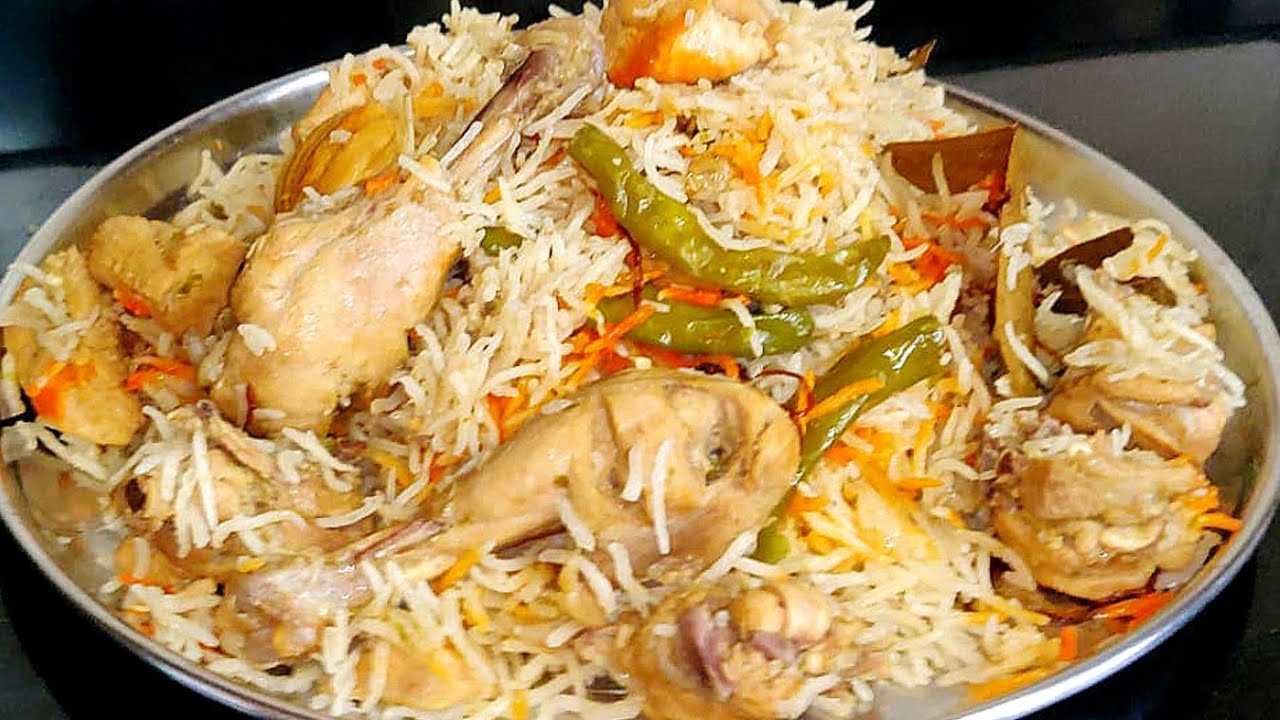
“Muradabadi biryani doesn't compete with Hyderabadi. It doesn't need to. Where Hyderabadi is bold, layered with fried onions and heavy masala, Muradabadi is architectural restraint — cleaner aromatics, a lighter hand with spice, and rice so perfectly separated that each grain stands alone. Most people outside UP have never tasted it done correctly. Most people inside UP will tell you yours is still wrong. This recipe fixes both problems.”
Why This Recipe Works
Muradabadi biryani exists in the shadow of its more famous cousins — Hyderabadi, Lucknowi, Kolkata — and that obscurity is entirely undeserved. It comes from Muradabad, a city in Uttar Pradesh historically known for its brass metalwork and, to those who know, for some of the most restrained and precisely constructed rice cooking in the Indian subcontinent. Where Hyderabadi biryani announces itself with deep-caramelized onions and aggressive masala, Muradabadi whispers. The spice work is architectural rather than volumetric. The goal is fragrance and separation, not richness and weight. It is a harder dish to make well, because restraint is always harder to calibrate than excess.
The Lighter Gravy Principle
The defining characteristic of the Muradabadi method is the consistency of the chicken base before layering. Most biryani styles cook the chicken to near-dryness before the dum phase — the gravy reduces almost entirely, and the steam that finishes the rice comes almost entirely from the rice's own moisture. Muradabadi leaves the gravy looser. The chicken sits in a clingy but still fluid sauce that generates steam throughout the entire dum phase, basting the rice from below and keeping the grains individually coated in spiced fat. This produces a result that looks drier than it is — each grain appears separate and distinct, but carries a subtle, deep flavor from direct contact with that rising aromatic steam.
Getting this gravy consistency right requires attention. Cook the chicken and yogurt sauce until it thickens to coat the back of a spoon, then stop. If you reduce it further, the dum phase has no moisture to work with and the bottom layer scorches before the rice finishes. If you leave it too loose, the rice sits in pooled liquid and steams unevenly, producing gummy clumps in the center. The visual target is the consistency of a thin bechamel — fluid when you tilt the pot, but thick enough not to run freely.
Why Bone-In Matters More Here
In most biryani styles, bone-in chicken is preferred but workable alternatives exist. In Muradabadi, it is functionally required. The extended dum phase — 30-35 minutes of sealed steam cooking — extracts collagen and marrow from the bones, which migrate upward into the rice layer through the rising steam and dispersed gravy. This is the flavor compound that gives properly made Muradabadi rice its distinctive savory depth that even heavy-spiced versions lack. Boneless chicken thighs, no matter how well marinated, produce a cleaner but thinner flavor profile. The bones are doing invisible work throughout the dum, and removing them removes that contribution entirely.
The Whole-Spice Architecture
Ground spices release volatile oils immediately upon contact with heat, which means they peak and fade. Whole spices — the cardamom pods, cinnamon stick, cloves, and black peppercorns in this recipe — release their aromatic compounds slowly over 35+ minutes of sustained heat. During the dum phase, every minute that passes extracts slightly more of their character into the circulating steam. By the time you open the pot, the rice has been gently perfumed by 40-plus minutes of slow spice volatilization. This is why you do not grind these spices. This is also why you do not double them. More whole spice does not mean more flavor — it means an astringent, medicinal result that makes the dish taste like a pharmacy rather than a kitchen.
The heavy-bottomed pot plays a crucial supporting role in this spice work. When whole spices are toasted in ghee in a thin pan, they can scorch on contact points before the fat has time to extract their aromatics evenly. A thick-based vessel maintains an even temperature across its entire surface, allowing the ghee to do its extraction work without the spices moving from toasting to burned in seconds.
The Parboil Is Your Insurance Policy
Seventy percent cooked means a grain that snaps cleanly between your fingernails, revealing a distinct chalky white core surrounded by a fully translucent outer layer. This snap test is your quality check, and nothing replaces it. Rice that bends rather than snaps has crossed 80% and will turn mushy during the dum. Rice that crumbles under pressure is over 90% and should be discarded — it cannot recover. The fine-mesh sieve is your ally in stopping the cooking at exactly the right moment. Drain instantly, spread the rice if you can, and move to layering without delay. Every second the rice sits undrained, it climbs closer to that mushy threshold you're working to avoid.
Muradabadi biryani is not a dish you improvise. It rewards the cook who follows the sequence and trusts the technique — who salts the water aggressively, stops the onions at golden, leaves the gravy fluid, and never lifts the lid. The result is a rice dish that tastes like it was made by someone who has been making it for decades. That's the point.
Where Beginners Mess This Up
Before we start, read this. These are the 4 reasons your muradabadi chicken biryani (the up style you've never made right) will fail:
- 1
Overcrowding the pot before the dum: Muradabadi biryani is leaner than its counterparts — the chicken gravy is intentionally loose. If you layer too much chicken with too much sauce into a narrow pot, steam can't circulate evenly and you get a wet, collapsed rice layer at the center. Use a wide, heavy-bottomed vessel so the layers spread thin and even.
- 2
Using too much whole spice: This style is defined by restraint. The spice profile should be fragrant and floral, not aggressive. Doubling the cardamom or cloves because you 'like it spicy' destroys the delicate architecture that separates Muradabadi from every other biryani. Measure precisely.
- 3
Parboiling the rice without enough salt: The parboiling water should taste like the sea — genuinely salty. Rice absorbs salt during this phase; it doesn't absorb it during the dum. Under-salted parboiling water produces flat, one-dimensional rice no matter how good your spices are. One full tablespoon of salt per 4 cups of water is the baseline.
- 4
Skipping the resting phase: Five minutes of resting after the heat goes off is not optional. During this time, residual steam finishes the top layer of rice and the chicken reabsorbs its juices. Open the pot early and you get dry top grains and a pool of liquid at the bottom. The seal stays on until you're ready to serve.
The Video Reference Library
Want to see it in action? Here are the exact videos we analyzed and combined to build this foolproof recipe translation:
The source video for this recipe. Demonstrates the characteristic loose gravy consistency, correct spice ratios for the lighter Muradabadi profile, and the exact layering sequence that separates this style from Hyderabadi.
A deep dive into Uttar Pradesh biryani traditions, covering the regional spice differences, why Muradabadi uses less oil than Lucknowi preparations, and how to judge correct rice doneness at the 70% mark.
Comprehensive walkthrough of the dum sealing technique, heat management across different stove types, and how to rescue a biryani that's been opened too early. Especially useful for first-timers.
🛠️ Core Equipment
- Wide heavy-bottomed pot with tight-fitting lidA wide base (at least 10 inches) is critical for even layering in Muradabadi style. A narrow pot stacks the layers too thick, creating uneven dum. Heavy construction prevents scorching — thin pots burn the bottom before the top layer cooks.
- Fine-mesh sieve or colanderFast draining of the parboiled rice is non-negotiable. Every second the rice sits in hot water, it continues cooking past your target percentage. A wide sieve that lets you spread the rice out stops the cooking instantly.
- Aluminum foilCreates the airtight seal between pot rim and lid that makes dum cooking work. Without it, aromatic steam escapes and the top layer dries out. No foil, no dum.
- Heavy skillet or cast iron panUsed as a diffuser under the pot during the dum phase. Placing the biryani pot on a cast iron pan set over low heat distributes heat indirectly and eliminates any chance of scorching the bottom rice layer.
Muradabadi Chicken Biryani (The UP Style You've Never Made Right)
🛒 Ingredients
- ✦2 cups aged basmati rice, soaked 30 minutes and drained
- ✦1.5 pounds bone-in chicken pieces (mix of legs and thighs)
- ✦3/4 cup plain whole-milk yogurt
- ✦2 medium yellow onions, thinly sliced
- ✦3 tablespoons neutral oil (mustard oil preferred)
- ✦1 tablespoon ghee
- ✦1.5 tablespoons ginger-garlic paste
- ✦2 green Thai chilies, slit lengthwise
- ✦1/2 teaspoon cumin seeds
- ✦4 green cardamom pods, lightly crushed
- ✦1 black cardamom pod
- ✦1 cinnamon stick (2-inch piece)
- ✦4 whole cloves
- ✦1 bay leaf
- ✦1/2 teaspoon black peppercorns
- ✦1 teaspoon coriander powder
- ✦1/2 teaspoon cumin powder
- ✦1/4 teaspoon turmeric powder
- ✦1/2 teaspoon Kashmiri red chili powder
- ✦1/4 cup fresh mint leaves, loosely packed
- ✦1/4 cup fresh cilantro leaves, chopped
- ✦1/4 teaspoon saffron strands steeped in 3 tablespoons warm milk
- ✦1 tablespoon fresh lemon juice
- ✦1 tablespoon sea salt for parboiling water, plus more to taste
- ✦4 cups water for parboiling
👨🍳 Instructions
01Step 1
Soak the basmati rice in cold water for 30 minutes. Drain completely and set aside.
02Step 2
Steep the saffron strands in 3 tablespoons of warm milk for 15 minutes. Gently crush the saffron between your fingers as you add it to release maximum color.
03Step 3
Heat the oil in a wide heavy-bottomed pot over medium-high heat. Add the sliced onions and cook for 10-12 minutes, stirring frequently, until golden brown. Remove half the onions and set aside for layering.
04Step 4
Add the ghee to the pot with the remaining onions. Add cumin seeds, both cardamoms, cinnamon, cloves, bay leaf, and peppercorns. Toast for 90 seconds until fragrant.
05Step 5
Add ginger-garlic paste and green chilies. Stir and cook for 2 minutes until the raw smell disappears.
06Step 6
Add the chicken pieces and sear for 3-4 minutes per side over medium-high heat until the exterior turns opaque and slightly golden.
07Step 7
Reduce heat to medium. Add coriander powder, cumin powder, turmeric, and Kashmiri chili powder. Stir to coat the chicken evenly, cooking the spices for 1-2 minutes.
08Step 8
Add the yogurt in two additions, stirring well after each. Cook uncovered for 18-20 minutes until the chicken is 80% cooked through and the gravy has reduced to a thick, clingy consistency.
09Step 9
Add lemon juice, half the mint, and half the cilantro to the chicken. Stir and remove from heat.
10Step 10
Bring 4 cups of water to a rolling boil in a separate pot. Add 1 tablespoon salt. Add the drained rice and cook uncovered for 6-7 minutes until exactly 70% done — grains should be firm with a visible white core when snapped.
11Step 11
Drain the rice immediately through a fine-mesh sieve. Shake once to remove excess water.
12Step 12
Layer the biryani: spread all the chicken and gravy in the base of the same heavy-bottomed pot. Layer all the rice on top in an even mound. Scatter the reserved caramelized onions, remaining mint, and cilantro over the rice. Drizzle the saffron milk over the top.
13Step 13
Cover the pot tightly with a sheet of aluminum foil, pressing it down against the rim, then place the lid on top.
14Step 14
Place the sealed pot over medium-high heat for 2-3 minutes to build steam. Then place a cast iron skillet on the burner, set it to the lowest heat possible, and transfer the biryani pot onto the skillet. Cook for 30-35 minutes without opening the lid.
15Step 15
Turn off heat. Let rest, still sealed, for 5 minutes.
16Step 16
Remove lid and foil. Gently fluff from the edges inward with a wide fork, folding the layers loosely together. Serve immediately.
Nutrition Per Serving
Estimates based on standard preparation. Adjustments alter macros.
🔄 Substitutions
Instead of Mustard oil...
Use Ghee or avocado oil
Ghee is the richer option and adds a dairy depth. Avocado oil is neutral and competent but adds nothing. Avoid olive oil — the flavor is entirely wrong for this cuisine.
Instead of Bone-in chicken...
Use Bone-in lamb shoulder, cut into 2-inch pieces
Increase dum time to 55-60 minutes. Lamb fat renders into the rice during the extended steam and produces something extraordinary, but it is a different dish in everything except technique.
Instead of Saffron...
Use 1/4 teaspoon turmeric dissolved in 3 tablespoons warm milk
Gives color but none of the floral aroma. Use it when you must, not when you could get saffron. The visual result is similar; the aromatic result is not.
Instead of Whole-milk yogurt...
Use Coconut cream (full-fat)
Dairy-free and surprisingly effective. The higher fat content clings to the chicken similarly to yogurt. The flavor reads as slightly sweeter and tropical — acceptable if you inform your guests.
🧊 Storage & Reheating
In the Fridge
Store in an airtight container for up to 3 days. The spice flavor deepens significantly by day two.
In the Freezer
Freeze in individual portions for up to 2 months. Separate the rice and chicken if possible before freezing to prevent the rice from absorbing excess moisture during thawing.
Reheating Rules
Add 2 tablespoons of water to the container, cover tightly with foil, and reheat in a 300°F oven for 20 minutes. Microwave is a last resort — use 50% power with a damp paper towel over the top.
❓ Frequently Asked Questions
What makes Muradabadi biryani different from Hyderabadi?
Three main differences: Muradabadi uses less oil, relies on a lighter hand with ground spices, and stops the caramelized onions at golden rather than deep brown. The result is a cleaner, more aromatic profile where individual whole spices are identifiable. Hyderabadi is bolder and richer. Neither is superior — they solve different flavor objectives.
Why is my rice sticking together in clumps?
Two likely causes: you didn't soak the rice long enough (the starch on the exterior needs time to wash off), or you used fresh basmati instead of aged. Aged basmati has lower moisture content and higher amylose starch, which keeps grains separate during cooking. Extend your soak to 45 minutes and source aged basmati.
Can I skip the cast iron diffuser and just use low heat directly?
You can, but it's risky depending on your stove. Gas stoves on their lowest setting often still concentrate heat in a single spot under the pot, which scorches the bottom rice layer. The cast iron diffuser spreads that heat evenly. If your stove has a simmer burner, use it — that's functionally equivalent.
My chicken is still undercooked after the dum phase. What happened?
The chicken needs to be 80% cooked before layering — not raw, not fully cooked. If you skipped the pre-cooking step or pulled the chicken off too early, it won't finish during dum. The dum phase adds only about 10-15% of additional cook. It's not designed to cook raw meat.
Can I make this without saffron?
Yes, and many traditional Muradabadi preparations skip it entirely. The recipe stands on its whole-spice foundation. If you want color without saffron, add a pinch of turmeric to the parboiling water rather than the milk — it colors all the grains uniformly rather than just the top.
How do I know the dum is working without lifting the lid?
After 10-12 minutes, you should see faint wisps of fragrant steam escaping around the foil edges. The smell in your kitchen will shift from raw spice to something deeply cooked and aromatic. If you hear active sizzling, the heat is too high — reduce it immediately. Silence plus steam is the target.

The Science of
Muradabadi Chicken Biryani (The UP Style You've Never Made Right)
We turned everything on this page into a beautiful, flour-proof PDF cheat sheet. Print it out, stick it to your fridge, and never mess up your muradabadi chicken biryani (the up style you've never made right) again.
*We'll email you the high-res PDF instantly. No spam, just perfectly cooked meals.
AlmostChefs Editorial Team
We translate the internet's most popular cooking videos into foolproof, beginner-friendly written recipes. We analyze multiple methods, test them in our kitchen, and engineer a single "Master Recipe" that gives you the best possible result with the least possible stress.