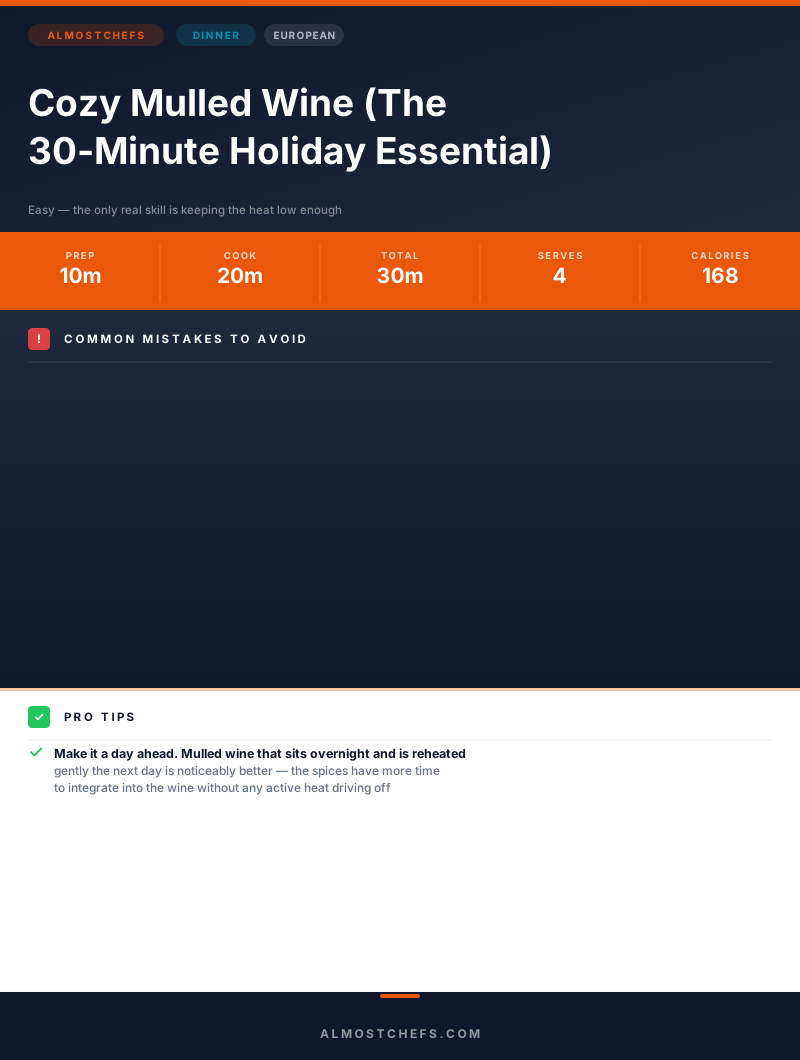
Cozy Mulled Wine (The 30-Minute Holiday Essential)
A warming, spiced red wine simmered low and slow with cinnamon, cloves, star anise, and fresh citrus. We broke down the most common mulled wine mistakes to build one foolproof method that fills your kitchen with the smell of the holidays and never turns bitter or harsh.

“Most mulled wine recipes tell you to simmer the wine. What they don't tell you is that simmering red wine too hard drives off the alcohol, kills the fruit, and leaves you with something that tastes like hot grape juice with an attitude problem. The difference between mulled wine that makes a room go quiet and mulled wine that people politely sip once comes down to temperature control, whole spices, and knowing exactly when to stop cooking.”
Why This Recipe Works
Mulled wine is one of the oldest drinks in continuous production. The Romans spiked their wine with spices and honey to preserve it during winter campaigns. Medieval Europeans drank it because it was safer than water and warmer than regret. The modern version has shed the preservation rationale but kept everything that matters: heat, spice, citrus, and a wine base that acts as the canvas for all of it.
The reason most homemade mulled wine is forgettable is not the recipe. It's the heat.
Temperature Is Everything
Red wine is a chemically complex liquid. It contains volatile aromatic compounds — esters, aldehydes, terpenes — that evaporate rapidly at high temperatures. These are the compounds responsible for the fruit notes, the floral character, the thing that makes a glass of Merlot smell like dark cherry and plum rather than fermented grape water. When you boil red wine, those compounds leave the pot as steam. What remains is water, tannins, residual sugar, and acid. That combination, when hot, tastes like punishment.
The target temperature is 160–170°F. At that range, the wine stays hot enough to infuse the spices, dissolve the honey, and extract the essential oils from the citrus peel — but cool enough that the aromatic compounds stay in the liquid where they belong. A kitchen thermometer is useful here, but the visual cue is reliable: steady wisps of steam rising from a still surface. No bubbles. Not a simmer. Steam.
Whole Spices Are Not Optional
The cinnamon sticks, whole cloves, and star anise in this recipe are doing something fundamentally different from what ground versions do. Whole spices release their essential oils slowly through osmosis and diffusion — a gradual, controlled process that produces clean, layered flavor. Ground spices dump everything immediately, saturate the liquid with volatile oils all at once, and then turn harsh and flat.
This is why commercial mulled wine mixes made from ground spices always taste vaguely medicinal. The spice hits hard in the first sip and disappears by the third. Whole spices peak around the 15-minute mark and hold their character for hours on low heat.
The Apple Cider Is Doing Work
The apple cider in this recipe is not filler. It contributes two things that wine alone cannot: natural acidity that brightens the fruit notes, and natural sugar that buffers the tartness of the lemon. The combination of wine, cider, and fresh citrus rings creates a three-way acid balance that makes the drink taste alive rather than flat. Replace the cider with water and the result is thinner and one-dimensional. Replace it with juice and it becomes too sweet. The dry cider — unsweetened or lightly sweetened — is the correct call.
Honey Over Sugar
Raw honey dissolves cleanly into warm wine and adds a subtle floral note that refined sugar cannot replicate. More importantly, it adds sweetness without the sharpness that granulated sugar can introduce when it hasn't fully dissolved. Stir it in while the wine is warm — not cold, not boiling — and it integrates in about two minutes of gentle stirring. The result is a sweetness that reads as background warmth rather than foreground candy.
This is a drink designed for cold rooms, long nights, and the specific comfort that only something warm and spiced and slightly alcoholic can provide. Respect the temperature. Trust the whole spices. Don't rush the infusion. That's the entire recipe.
Where Beginners Mess This Up
Before we start, read this. These are the 4 reasons your cozy mulled wine (the 30-minute holiday essential) will fail:
- 1
Boiling the wine: Boiling destroys everything that makes red wine worth drinking. The alcohol evaporates rapidly, the fruit notes blow off with it, and the tannins concentrate into bitterness. You want steam rising from the surface, not a rolling boil. If you see bubbles breaking, your heat is too high.
- 2
Using ground spices instead of whole: Ground cinnamon and cloves disperse into the liquid and make it gritty, cloudy, and aggressively spiced in the worst way. Whole spices release their flavor slowly and can be strained out cleanly. Ground spices turn mulled wine into a mouthful of warm potpourri.
- 3
Starting with cheap wine: Mulled wine does not rescue bad wine. Heat amplifies whatever is already there — including harsh tannins, vinegar notes, and chemical aftertaste. You don't need a bottle you'd cellar, but you need a bottle you'd actually drink cold. A mid-range Cabernet Sauvignon or Merlot is the floor.
- 4
Skipping the resting time: Ten minutes of gentle heat is not enough for the spices to infuse properly. Fifteen minutes on low is the minimum. The difference between 10 and 20 minutes is the difference between wine that smells like spices and wine that tastes like them.
The Video Reference Library
Want to see it in action? Here are the exact videos we analyzed and combined to build this foolproof recipe translation:
The source recipe video. Clear technique on temperature control and spice timing — watch for the visual cue on when the wine is steaming but not boiling.
🛠️ Core Equipment
- Heavy-bottomed pot or Dutch ovenEven, gentle heat distribution is the entire game with mulled wine. A thin pot creates hot spots that scorch the citrus and spike the temperature unevenly. A [Dutch oven](/kitchen-gear/review/dutch-oven) holds a steady, low temperature that the spices need to bloom properly.
- Fine-mesh sieve or strainerFor straining out whole spices, citrus seeds, and spent aromatics before serving. You want the flavor in the cup, not the debris.
- LadleMulled wine should be served directly from the pot into heat-safe glasses. A ladle lets you include a piece or two of the spiced citrus in each cup without fishing around with a spoon.
- Heat-safe mugs or glassesStandard wine glasses crack under sustained heat. Use tempered glass mugs, ceramic mugs, or dedicated [heat-safe glasses](/kitchen-gear/review/heat-safe-mugs) designed for hot beverages.
Cozy Mulled Wine (The 30-Minute Holiday Essential)
🛒 Ingredients
- ✦1 bottle (750ml) dry red wine, such as Cabernet Sauvignon or Merlot
- ✦2 cups apple cider or apple juice
- ✦3 tablespoons raw honey
- ✦3 cinnamon sticks, about 3 inches long
- ✦6 whole cloves
- ✦2 whole star anise pods
- ✦1 teaspoon fresh ginger, thinly sliced
- ✦2 medium oranges, cut into thin rings with peel
- ✦1 lemon, cut into thin rings with peel
- ✦1 tablespoon vanilla extract
- ✦1 pinch freshly grated nutmeg
- ✦4 cups water
- ✦2 fresh rosemary sprigs, optional for garnish
👨🍳 Instructions
01Step 1
Pour the red wine and apple cider into a large heavy-bottomed pot or Dutch oven.
02Step 2
Add the water to the pot and stir gently to combine the liquids.
03Step 3
Heat the mixture over medium heat until it begins to steam, about 5 minutes. Do not let it boil.
04Step 4
Add the cinnamon sticks, whole cloves, star anise pods, and fresh ginger slices to the warm wine mixture.
05Step 5
Stir in the raw honey until it fully dissolves into the liquid, about 2 minutes of gentle stirring.
06Step 6
Arrange the orange and lemon rings on the surface and gently press them down to submerge slightly.
07Step 7
Reduce the heat to low and simmer gently for 15 minutes, allowing the spices to infuse and flavors to meld.
08Step 8
Pour in the vanilla extract and sprinkle the freshly grated nutmeg over the surface. Stir to distribute.
09Step 9
Taste and adjust sweetness with additional honey if desired, stirring until fully incorporated.
10Step 10
Ladle the mulled wine into heat-safe glasses or mugs, including a piece or two of the spiced citrus in each serving.
11Step 11
Garnish each cup with a fresh rosemary sprig if desired. Serve immediately while still steaming.
Nutrition Per Serving
Estimates based on standard preparation. Adjustments alter macros.
🔄 Substitutions
Instead of Raw honey...
Use Coconut sugar or monk fruit sweetener
Slightly less floral sweetness but maintains warmth. Monk fruit adds no aftertaste if used sparingly. Both have a lower glycemic impact than white sugar.
Instead of Dry red wine...
Use 50/50 dry red wine and alcohol-free red wine blend
Lighter body and slightly less intense flavor but still maintains the wine character and polyphenol antioxidants. Good option for mixed-crowd entertaining.
Instead of Apple cider...
Use Unsweetened pomegranate juice or cranberry juice
Deeper, more tart berry flavor with additional tartness and reduced residual sweetness. Adds anti-inflammatory polyphenols.
Instead of Fresh ginger slices...
Use 1/2 teaspoon ground ginger or 1 teaspoon fresh turmeric
More earthy, warm spice profile with less sharp ginger bite. Turmeric adds a golden hue and curcumin — a potent anti-inflammatory compound.
🧊 Storage & Reheating
In the Fridge
Store in an airtight container or sealed pot for up to 3 days. The spice flavor deepens on day two.
In the Freezer
Freeze in portions for up to 1 month. The citrus may break down in texture but the flavor holds well. Thaw in the fridge overnight.
Reheating Rules
Reheat gently over low heat until steaming. Do not boil. Add a fresh strip of orange peel when reheating to restore brightness.
❓ Frequently Asked Questions
Why does my mulled wine taste bitter?
You boiled it. Boiling drives off the alcohol and fruit aromatics while concentrating the tannins, which turns bitter under sustained heat. Keep the temperature below a boil — steam rising off the surface is perfect. If your wine is already bitter cold, heat will not fix it.
Can I make mulled wine in a slow cooker?
Yes, and it's arguably better. Combine everything in a slow cooker on low for 2–3 hours. The gentle, consistent heat is ideal for spice infusion without any risk of boiling. Switch to the warm setting when serving.
What wine works best for mulled wine?
Dry, fruity reds with low tannins work best — Cabernet Sauvignon, Merlot, Grenache, or Zinfandel. Avoid very tannic wines like Barolo or Nebbiolo, which turn harshly bitter with heat. Avoid sweet wines, which combined with the honey and cider will be cloying.
Can I make this ahead of time for a party?
Yes — this is actually the recommended approach. Make the mulled wine the night before, let it cool completely with the spices still in it, refrigerate, then reheat gently the next day before guests arrive. The overnight infusion produces a noticeably more complex, integrated flavor.
How do I keep it warm during a party?
Keep the pot on the lowest burner setting on your stove. A slow cooker on the warm setting works perfectly for extended serving. Avoid leaving it unattended on a flame — the temperature can creep up and start to boil if you're not watching.
Is mulled wine supposed to be alcoholic?
Traditional mulled wine retains most of its alcohol when kept below a boil. If you want to reduce the alcohol content, you can let it simmer uncovered at a slightly higher temperature for longer — but this also degrades the flavor. A better approach is to use the alcohol-free wine substitution listed above.
The Science of
Cozy Mulled Wine (The 30-Minute Holiday Essential)
We turned everything on this page into a beautiful, flour-proof PDF cheat sheet. Print it out, stick it to your fridge, and never mess up your cozy mulled wine (the 30-minute holiday essential) again.
*We'll email you the high-res PDF instantly. No spam, just perfectly cooked meals.
AlmostChefs Editorial Team
We translate the internet's most popular cooking videos into foolproof, beginner-friendly written recipes. We analyze multiple methods, test them in our kitchen, and engineer a single "Master Recipe" that gives you the best possible result with the least possible stress.