Better-Than-Takeout Mongolian Beef (30-Minute Weeknight Weapon)
Tender flank steak coated in cornstarch, seared until caramelized, and tossed in a glossy savory-sweet sauce with garlic, ginger, and green onions. We broke down the most popular methods to build one foolproof technique that nails the sauce consistency and beef texture every time — in under 30 minutes.
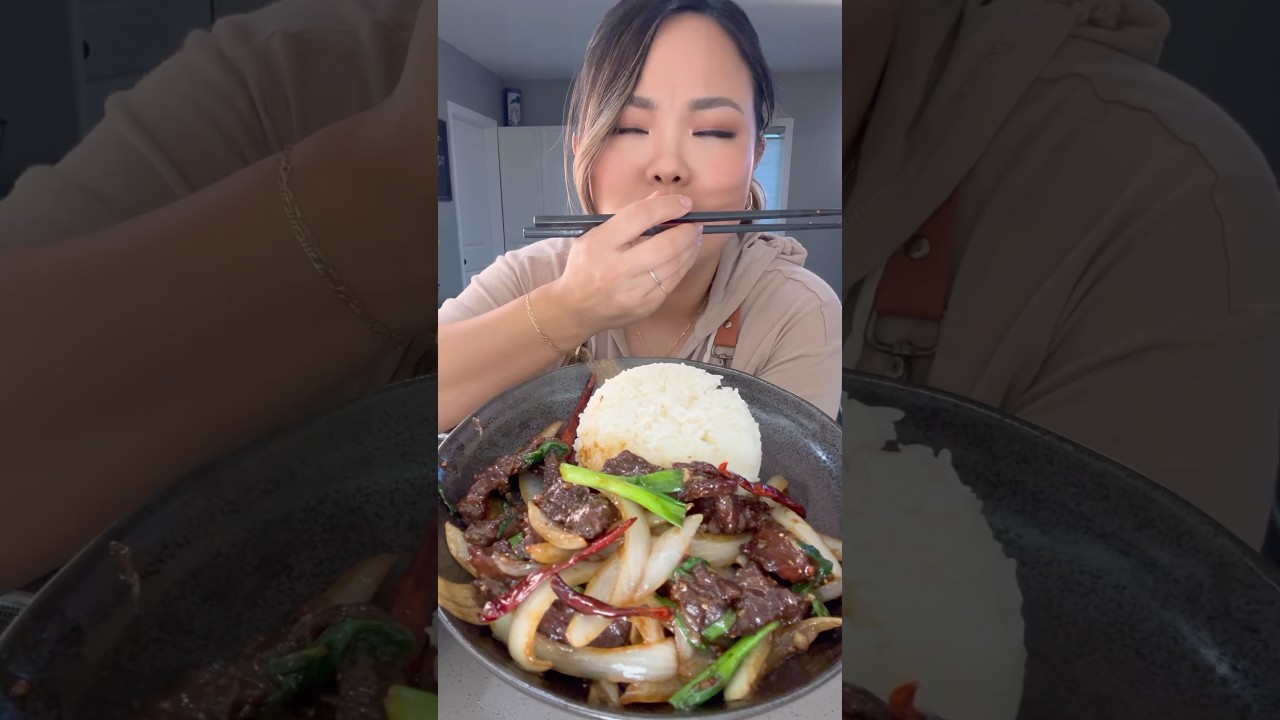
“Most Mongolian beef fails for the same two reasons: soggy beef that never caramelizes, and a watery sauce that pools on the plate instead of coating the meat. The fix for both is absurdly simple — batch-cook the beef, never crowd the pan, and let the sauce reduce before adding the meat back in. That's the entire gap between your takeout order and what you make at home.”
Why This Recipe Works
Mongolian beef is the rare takeout dish where the home version can actually beat the restaurant. Not because the restaurant is doing something you can't replicate — but because restaurants are optimizing for volume and cost, not your plate specifically. They use cheaper cuts, more sodium, and industrial fryers. You have a hot pan, fresh ginger, and the ability to taste as you go.
The Cornstarch Equation
The cornstarch coating is doing more work than most people realize. On the surface, it creates a thin, dry shell around each beef strip that caramelizes on contact with a hot pan — this is the texture difference between Mongolian beef and a sad beef stir fry. Underneath that, the cornstarch that makes contact with the sauce acts as a distributed thickener, contributing body to the glaze as the beef returns to the pan. Skip it and you get two problems simultaneously: soft beef and thin sauce.
The coating needs to be dry to work. Wet beef means the cornstarch forms a paste instead of a shell, and the beef steams on contact with the pan rather than searing. Pat every strip dry with paper towels before the bowl even comes out.
Searing Is a Contact Sport
The entire success of this dish lives in the searing step, and the most common mistake is treating it like a passive process. High heat is not optional. Carbon steel wok or a 12-inch stainless skillet, preheated until the oil shimmers and a water droplet evaporates on contact — that's the threshold. Anything below that and you're boiling the beef in its own juices.
Batch cooking is non-negotiable. Four strips of beef in a 12-inch pan? Excellent. A pound and a half dumped in at once? The pan temperature crashes, the beef releases moisture, and within 30 seconds you have grey protein sitting in a pool of liquid. Two batches. Four extra minutes. The difference is not subtle.
Once the beef hits the pan, leave it alone. The Maillard reaction — the same chemistry behind seared steaks and browned bread — requires sustained contact with a hot surface. Moving the beef interrupts the process. Two minutes undisturbed, flip once, two minutes more. That's it.
Sauce Architecture
The sauce is simple but the order of operations matters. Garlic and ginger go in after the onions soften because they burn fast at high heat and turn bitter in under a minute. Once they're fragrant, the sauce mixture goes in immediately — it drops the pan temperature and rescues the aromatics.
The sauce must reduce before the beef is added. This is the step most people skip because they're impatient and want to finish the dish. A properly reduced sauce coats the back of a spoon and holds a line. An unreduced sauce pools on the plate and makes the cornstarch coating go soggy. The two minutes of reduction time is what separates glossy, restaurant-finish Mongolian beef from the home version that looks and tastes like an afterthought.
Sesame oil goes in off heat. At high temperatures, sesame oil's aromatic compounds — the ones responsible for that distinctive toasted, nutty note — burn off within seconds. Off heat, drizzled over the finished dish, they stay intact and perfume every bite.
The Green Onion Role
Green onions aren't garnish. They're a textural and flavor component that the dish depends on — the sharp, grassy brightness cuts through the rich, sweet-savory sauce and gives your palate somewhere to reset between bites. Fold them in at the very end, off heat. They should retain some snap. If they're fully cooked down and limp, you've lost the contrast the dish needs to stay interesting past the third bite.
Where Beginners Mess This Up
Before we start, read this. These are the 4 reasons your better-than-takeout mongolian beef (30-minute weeknight weapon) will fail:
- 1
Overcrowding the pan: When you pile all the beef into the skillet at once, the surface temperature drops and the meat steams instead of searing. You get grey, chewy strips instead of the deeply caramelized crust that makes the dish. Cook in two batches every single time — it takes 4 extra minutes and changes everything.
- 2
Skipping the cornstarch coat: The cornstarch does two jobs: it creates a lightly crispy shell on the beef that holds up in the sauce, and it acts as a thickener when the meat hits the liquid. Without it, your beef is soft and your sauce is thin. There is no substitute for this step.
- 3
Adding beef to a thin sauce: The sauce needs to reduce on its own for 2-3 minutes before the beef goes back in. If you add the meat to a watery sauce, it never properly coats and you end up with soup. The sauce should be glossy and thick enough to coat the back of a spoon before the beef touches it.
- 4
Slicing with the grain: Flank steak has long, visible muscle fibers. Slice against them — perpendicular to the grain — and each strip is tender and short-fibered. Slice with the grain and you're chewing through long muscle ropes that no amount of sauce can fix.
The Video Reference Library
Want to see it in action? Here are the exact videos we analyzed and combined to build this foolproof recipe translation:
The source video for this recipe. Clear technique for the cornstarch coat, batch searing, and sauce reduction. Watch the color of the beef when it comes out of the pan — that's the target.
🛠️ Core Equipment
- Large skillet or wokSurface area is everything here. A 12-inch skillet or [carbon steel wok](/kitchen-gear/review/carbon-steel-wok) gives you room to batch-cook without overcrowding. A small pan forces you to steam the beef instead of sear it.
- Sharp chef's knifeSlicing flank steak thin and against the grain requires a [sharp knife](/kitchen-gear/review/chefs-knife). A dull blade drags and tears instead of slicing cleanly, making it impossible to get uniform strips that cook evenly.
- Small mixing bowl or measuring cupPre-mixing the sauce before it hits the pan means you can pour it in one confident motion at the right moment. Measuring and mixing while the garlic is browning gets you burned garlic every time.
Better-Than-Takeout Mongolian Beef (30-Minute Weeknight Weapon)
🛒 Ingredients
- ✦1.5 pounds flank steak, sliced thin against the grain
- ✦3 tablespoons cornstarch
- ✦1 teaspoon sea salt
- ✦1/2 teaspoon black pepper
- ✦2 tablespoons avocado oil or sesame oil
- ✦1 medium yellow onion, thinly sliced
- ✦6 cloves garlic, minced
- ✦1 tablespoon fresh ginger, grated
- ✦1/2 cup low-sodium soy sauce
- ✦3 tablespoons honey or coconut sugar
- ✦2 tablespoons rice vinegar
- ✦1 tablespoon sriracha or chili paste
- ✦1/2 cup beef broth
- ✦1 teaspoon sesame oil, for finishing
- ✦6 green onions, sliced on the bias into 1-inch pieces
- ✦2 teaspoons sesame seeds
👨🍳 Instructions
01Step 1
Toss the sliced beef with cornstarch, sea salt, and black pepper in a large bowl until every strip is evenly coated.
02Step 2
Heat avocado oil in a large skillet or wok over medium-high heat until it shimmers, about 2 minutes.
03Step 3
Working in two batches to avoid overcrowding, cook the beef strips for 2-3 minutes per side until deeply browned and caramelized. Transfer to a clean plate.
04Step 4
Add the sliced yellow onion to the same skillet and sauté over medium-high heat for 3-4 minutes until softened and beginning to caramelize.
05Step 5
Stir in the minced garlic and grated ginger and cook for about 1 minute until fragrant and golden.
06Step 6
Whisk together the soy sauce, honey, rice vinegar, sriracha, and beef broth in a small bowl until combined.
07Step 7
Pour the sauce mixture into the skillet and bring to a gentle simmer over medium heat, stirring occasionally for 2-3 minutes until slightly thickened and glossy.
08Step 8
Return the cooked beef to the skillet along with any accumulated juices and toss to coat.
09Step 9
Simmer for another 2-3 minutes, stirring gently, until the sauce tightens and clings to the beef.
10Step 10
Remove from heat and drizzle with sesame oil.
11Step 11
Fold in most of the sliced green onions, reserving some for garnish.
12Step 12
Transfer to a serving dish, top with remaining green onions and sesame seeds, and serve immediately over rice or cauliflower rice.
Nutrition Per Serving
Estimates based on standard preparation. Adjustments alter macros.
🔄 Substitutions
Instead of Cornstarch...
Use Arrowroot powder
Creates an equally crispy coating with a slightly lighter texture. Use the same amount. Note that arrowroot sauces can turn slimy if reheated too aggressively — lower the heat when warming leftovers.
Instead of Honey...
Use Monk fruit sweetener or allulose
Maintains the sweet-savory balance while dramatically reducing blood sugar impact. Both dissolve cleanly in the sauce. Allulose browns slightly faster, so watch the reduction closely.
Instead of Soy sauce...
Use Tamari or coconut aminos
Tamari is nearly identical in flavor with lower sodium and is gluten-free. Coconut aminos is milder and slightly sweeter — reduce or eliminate the honey slightly if using it.
Instead of Flank steak...
Use Skirt steak or sirloin
Skirt steak has more marbling and a slightly chewier texture — slice it thinner. Sirloin is leaner and more tender but produces a less beefy flavor. Both work with the same technique.
🧊 Storage & Reheating
In the Fridge
Store in an airtight container for up to 3 days. The sauce thickens further as it chills — this is normal and not a problem.
In the Freezer
Freeze flat in a zip-lock bag for up to 2 months. The texture holds surprisingly well. Thaw overnight in the fridge before reheating.
Reheating Rules
Add 1-2 tablespoons of water or beef broth to the beef in a covered skillet over medium-low heat for 4-5 minutes. Stir once or twice. Microwaving works in a pinch but toughens the beef and breaks the sauce emulsion.
❓ Frequently Asked Questions
Why is my Mongolian beef chewy and tough?
Two likely causes: you sliced with the grain instead of against it, or you overcooked the beef on the first sear. Flank steak needs to be sliced perpendicular to the visible muscle fibers, and the sear should be 2-3 minutes per side — no more. It finishes cooking when it goes back into the sauce.
Can I use a different cut of beef?
Flank or skirt steak are ideal because their grain structure produces tender strips when sliced correctly. Sirloin works but is blander. Avoid ribeye — the fat content causes the cornstarch coating to slide off and the beef releases too much oil into the sauce.
How do I keep the beef crispy in the sauce?
You can't keep it fully crispy once it's coated in sauce — and that's by design. The goal is a tender, glossy exterior, not fried beef. What you can control is adding the beef to a properly reduced sauce and not simmering too long after it goes in. Two to three minutes maximum.
Is this actually Mongolian food?
No. Mongolian beef is a Chinese-American invention that emerged from Taiwanese-American restaurants in the 1970s. Mongolia doesn't have a tradition of stir-frying beef in soy sauce. The name likely came from the theatrical Mongolian grill cooking style. None of that makes it less delicious.
Can I make this gluten-free?
Yes. Swap regular soy sauce for tamari (most tamari is gluten-free, but check the label) or coconut aminos, and confirm your sriracha is gluten-free — most brands are. Every other ingredient in this recipe is naturally gluten-free.
Why does my sauce never thicken?
Either the heat is too low or the sauce isn't reducing before the beef is added back. Bring the sauce to a genuine simmer — you should see small bubbles across the surface — and let it reduce for a full 2-3 minutes on its own. The cornstarch from the beef also contributes thickening once the meat is added, but only if the sauce started at the right consistency.
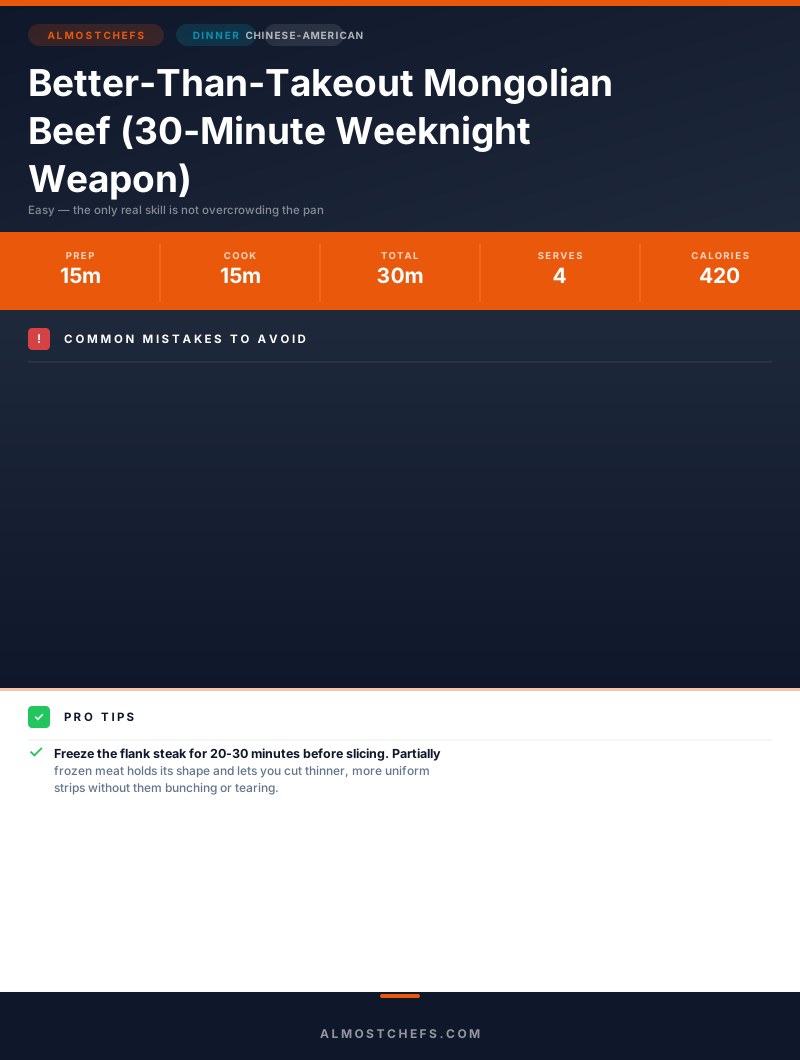
The Science of
Better-Than-Takeout Mongolian Beef (30-Minute Weeknight Weapon)
We turned everything on this page into a beautiful, flour-proof PDF cheat sheet. Print it out, stick it to your fridge, and never mess up your better-than-takeout mongolian beef (30-minute weeknight weapon) again.
*We'll email you the high-res PDF instantly. No spam, just perfectly cooked meals.
AlmostChefs Editorial Team
We translate the internet's most popular cooking videos into foolproof, beginner-friendly written recipes. We analyze multiple methods, test them in our kitchen, and engineer a single "Master Recipe" that gives you the best possible result with the least possible stress.