The Only Mixed Veg Tehri You Need (One-Pot Indian Comfort Food)
A fragrant, one-pot Indian rice dish where basmati grains absorb the full depth of whole spices, caramelized onions, and colorful vegetables in a single vessel. We broke down the most popular tehri methods to give you one technique that nails the spice balance and rice texture every time.
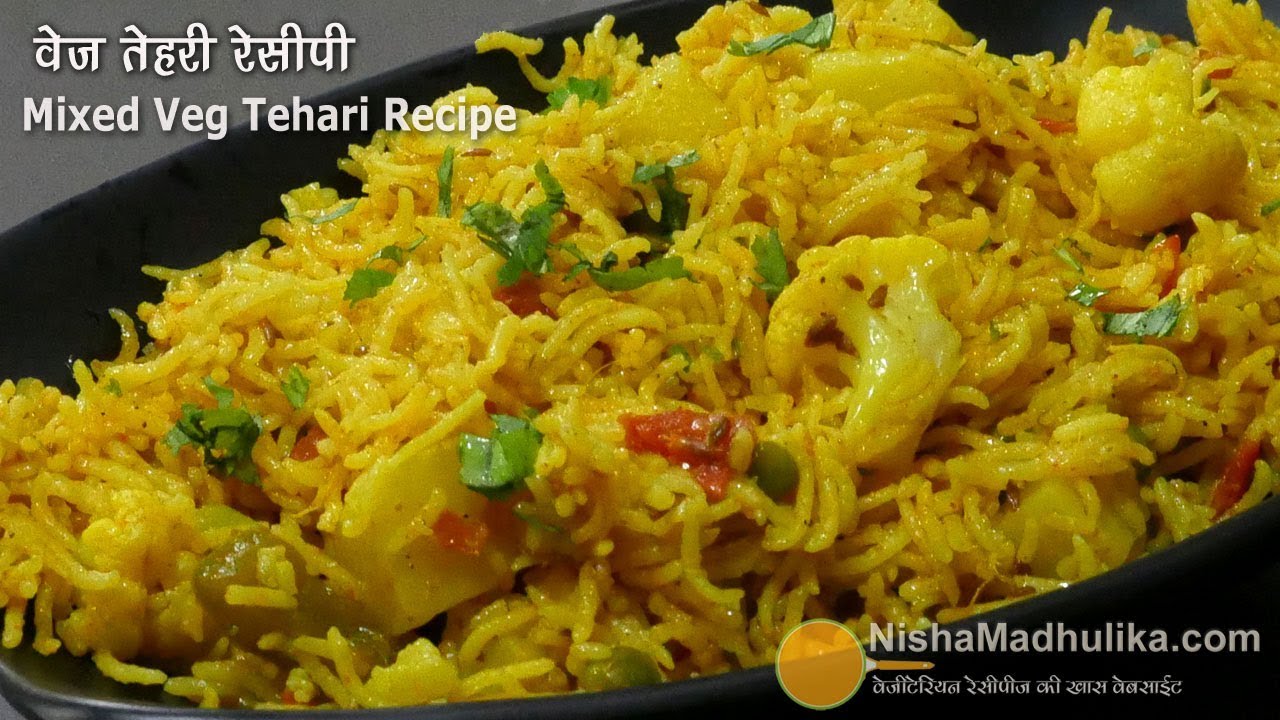
“Tehri gets dismissed as the boring cousin of biryani. That reputation is entirely the fault of people who skip two steps: toasting the whole spices until fragrant and caramelizing the onions past golden. Do those two things properly and a pot of rice and vegetables becomes something you'll make on a Tuesday night and still think about on Friday. This is the method that gets both right.”
Why This Recipe Works
Tehri does not have a branding problem — it has a technique problem. The dish gets written off as plain rice-and-vegetables because most versions that reach the table are exactly that: plain rice, boiled vegetables, and spices that never got the heat they needed to open up. Fix the technique and you fix the reputation.
The Spice Architecture
Whole spices are not decoration. Cumin seeds, black cardamom, cloves, cinnamon, and bay leaves dropped into hot ghee and stirred for 30-45 seconds undergo a transformation that ground spices can't replicate. The volatile aromatic oils embedded in each seed and pod are fat-soluble — they only release into a medium they can bond with, and hot ghee is the ideal carrier. Once those oils are in the fat, every other ingredient that hits the pot gets coated in them.
Skip this step or rush it and those spices spend the next 30 minutes bobbing in liquid, slowly leaching a fraction of their potential into a broth that mostly evaporates. The difference between properly bloomed whole spices and improperly bloomed ones is the difference between a dish that smells like a good Indian kitchen and a dish that smells like rice.
The Onion Foundation
Eight to ten minutes at medium heat. Not five, not six. The onions are done when they are deep mahogany at the edges, fully translucent at the center, and sweet-smelling rather than sharp. This is the Maillard reaction working on the onion's natural sugars — roughly 5g per medium onion — and it cannot be forced with higher heat without sacrificing the result. High-heat onions brown on the outside while staying acrid and raw in the center. Medium heat caramelizes all the way through.
This is the flavor base. Everything else — the rice, the vegetables, the lemon — sits on top of what these onions contribute. There is no spice blend that compensates for pale, undercooked onions.
The Rice Soak and Water Ratio
Basmati soaked for 20-30 minutes in cold water absorbs enough moisture to hydrate the grain's starchy core. When it hits the cooking liquid, it only needs to absorb the remaining fraction to finish — which means faster, more even cooking. Unsoaked basmati requires more aggressive boiling to cook through, which hammers the outer layer of each grain into mush before the center is done.
The 1:2 ratio (one cup rice to two cups water) is calibrated for soaked grains. If you skip the soak and use this ratio, you will have undercooked rice. If you soak and increase the water, you'll have soggy rice. The soak and the ratio are a matched pair.
Vegetable Sequencing
Dense vegetables — potatoes and carrots — go in early for a brief sauté in the spiced oil. This serves two purposes: it coats them in flavor compounds before the liquid dilutes everything, and it starts the Maillard reaction on their surfaces, giving them structural integrity for the long steam ahead. Soft vegetables — green beans and peas — go in at the transition to low heat. They need only 15-18 minutes of gentle steam, not the full sauté phase, or they disintegrate entirely.
The heavy-bottomed pot is not optional here. Thin pots create hot spots at the base that scorch the bottom layer of rice while leaving the top underdone. A heavy base distributes heat evenly, and the slightly caramelized crust that forms against the pot bottom — scraped up and served — has more concentrated flavor than any other bite in the dish.
The Rest Phase
Five minutes off heat, lid on. The residual steam in the pot continues cooking the top layer of rice without any additional input from the burner. It also allows the volatile aromatic compounds from the spices and cilantro to redistribute through the dish rather than escaping in a single burst when you open the lid. The rice separates more cleanly after this rest. The flavors consolidate.
Tehri is not complicated. It is specific. The steps are not difficult — but they are not optional either, and they happen in a particular order for particular reasons. Follow the sequence and you get something that earns its place at the table without apology.
Where Beginners Mess This Up
Before we start, read this. These are the 4 reasons your the only mixed veg tehri you need (one-pot indian comfort food) will fail:
- 1
Skipping the rice soak: Basmati needs 20-30 minutes in cold water before it ever sees a pot. Unsoaked grains absorb water unevenly during cooking — some turn mushy while others stay chalky. The soak lets each grain pre-hydrate so they all finish at exactly the same moment under the lid.
- 2
Pulling the onions too early: Golden onions taste sweet but thin. Deep mahogany onions — 8-10 full minutes over medium heat — taste caramelized, complex, and savory. This is the flavor base for the entire dish. Rush the onions and you rush every bite that follows.
- 3
Not toasting the whole spices: Dropping cumin seeds, bay leaves, and black cardamom into cold oil does almost nothing. They need 30-45 seconds in hot ghee, stirring constantly, until they become intensely fragrant. That brief window is where most of the dish's aroma gets built.
- 4
Lifting the lid during the steam phase: Once the lid goes on at low heat, the rice finishes by steam absorption. Every peek releases that steam and drops the internal temperature, leaving you with unevenly cooked rice — dry on top, wet at the bottom. Set 15 minutes on a timer and walk away.
The Video Reference Library
Want to see it in action? Here are the exact videos we analyzed and combined to build this foolproof recipe translation:
The source video for this recipe. Clear demonstration of spice-toasting timing and the correct onion color to aim for before adding the ginger-garlic paste.
🛠️ Core Equipment
- Heavy-bottomed pot with tight-fitting lidEven heat distribution prevents the bottom layer from scorching while the top steams. A thin pot creates hot spots that burn the rice against the base. A [Dutch oven](/kitchen-gear/review/dutch-oven) or thick stainless steel pot is ideal.
- Fine-mesh sieve or colanderFor draining the soaked rice cleanly. You want the grains well-drained before they hit the hot ghee — excess water causes the spices to steam instead of toast and delays browning.
- Wide wooden spoon or silicone spatulaFor stirring the spices and onions without scratching a heavy pot. You need to stir frequently during the onion caramelization stage — a wide head covers more surface area and prevents sticking at the edges.
The Only Mixed Veg Tehri You Need (One-Pot Indian Comfort Food)
🛒 Ingredients
- ✦2 cups basmati rice
- ✦4 cups water
- ✦3 tablespoons ghee or vegetable oil
- ✦2 medium yellow onions, thinly sliced
- ✦1 tablespoon ginger-garlic paste
- ✦2-3 green chilies, minced
- ✦1 teaspoon cumin seeds
- ✦2-3 bay leaves
- ✦1-inch cinnamon stick
- ✦4-5 whole cloves
- ✦2 black cardamom pods
- ✦2.5 cups mixed vegetables (diced potatoes, carrots, green beans, and peas)
- ✦1/2 teaspoon turmeric powder
- ✦1/2 teaspoon red chili powder
- ✦1/2 teaspoon garam masala
- ✦Salt to taste
- ✦1 tablespoon fresh lemon juice
- ✦2 tablespoons fresh cilantro, finely chopped
👨🍳 Instructions
01Step 1
Rinse the basmati rice under cold running water until the water runs clear, then soak in fresh cold water for 20-30 minutes.
02Step 2
Heat ghee in a heavy-bottomed pot over medium-high heat until it shimmers, about 1 minute.
03Step 3
Add cumin seeds, bay leaves, cinnamon stick, cloves, and black cardamom pods to the hot ghee. Stir constantly for 30-45 seconds until intensely fragrant.
04Step 4
Add sliced onions and cook over medium heat, stirring occasionally, for 8-10 minutes until deep golden brown with caramelized edges.
05Step 5
Stir in ginger-garlic paste and minced green chilies. Cook for 1-2 minutes until the raw smell disappears and the mixture becomes aromatic.
06Step 6
Add diced potatoes and carrots. Sauté for 2-3 minutes to coat them in the spiced oil and lightly toast their surfaces.
07Step 7
Drain the soaked rice and add it to the pot. Stir gently for 1-2 minutes to toast the grains lightly in the ghee and spices.
08Step 8
Sprinkle turmeric, red chili powder, and garam masala over the rice. Stir to distribute evenly throughout.
09Step 9
Pour 4 cups of water into the pot, add salt to taste, and stir once to combine.
10Step 10
Bring to a boil over medium-high heat, then reduce to low heat and add green beans and peas.
11Step 11
Cover with a tight-fitting lid and cook undisturbed for 15-18 minutes until the rice is tender and all water is absorbed.
12Step 12
Remove from heat and let rest, still covered, for 5 minutes.
13Step 13
Gently fluff the rice with a fork, drizzle with fresh lemon juice, and stir to combine.
14Step 14
Garnish with fresh cilantro and serve immediately.
Nutrition Per Serving
Estimates based on standard preparation. Adjustments alter macros.
🔄 Substitutions
Instead of Basmati rice...
Use Brown basmati rice or wild rice blend
Nuttier flavor and firmer texture. Increase water to 5 cups and cooking time by 5-7 minutes. Expect less elongation in the grain.
Instead of Ghee...
Use Coconut oil or cold-pressed mustard oil
Coconut oil adds mild sweetness; mustard oil adds a sharp, herbaceous edge. Both reduce saturated fat significantly. Flavor profile shifts noticeably — not a neutral swap.
Instead of Mixed vegetables (standard)...
Use Add spinach or kale in the final 2 minutes before covering
Dramatically increases iron, fiber, and antioxidants without changing the one-pot method. Leafy greens wilt fast — add too early and they disappear entirely.
Instead of Red chili powder (1/2 teaspoon)...
Use Kashmiri red chili powder or cayenne reduced to 1/4 teaspoon
Kashmiri chili gives vivid color with gentler heat. Reduces overall spice intensity while adding visual appeal — useful when cooking for mixed heat tolerances.
🧊 Storage & Reheating
In the Fridge
Store in an airtight container for up to 3 days. The spices deepen overnight and the second-day version is genuinely better.
In the Freezer
Freeze in individual portions for up to 2 months. Portion before freezing — reheating the whole batch at once produces uneven results.
Reheating Rules
Add 2-3 tablespoons of water, cover tightly, and reheat on low heat for 8-10 minutes. Microwave works in a pinch but dries the grains — if you must, cover with a damp paper towel and use 50% power.
❓ Frequently Asked Questions
Why is my tehri rice sticky or clumped?
Two likely causes: you didn't rinse the rice thoroughly enough (surface starch causes clumping) or you used too much water. Rinse until the water runs clear and measure the water precisely — the 1:2 ratio of rice to water is calibrated for soaked basmati specifically.
Can I use frozen vegetables?
Yes, with one adjustment: add them frozen directly to the pot with the water rather than sautéing them first. Frozen vegetables release extra moisture as they thaw — adding them at the water stage accounts for this. Do not sauté frozen vegetables or they'll become waterlogged.
Why does my tehri taste flat even though I used all the spices?
Almost always the whole spices weren't toasted long enough in the hot ghee. Those 30-45 seconds of high-heat blooming are where the aromatic oils get extracted into the fat and distributed through the dish. Spices dropped into the pot with the onions instead of hot ghee first will taste dull.
Do I really need to soak the rice first?
For basmati, yes. The soak reduces cooking time and allows even hydration across every grain. Unsoaked basmati in a one-pot method produces inconsistent results — some grains cook through while others stay firm. Twenty minutes is the minimum; thirty is better.
What's the difference between tehri and biryani?
Biryani parboils the rice separately and layers it over pre-cooked meat before a long dum steam. Tehri cooks everything together from the start in one pot with raw rice. Biryani is a precision project. Tehri is an honest weeknight dinner — simpler method, equally satisfying result.
Can I make this in an Instant Pot?
Yes. Use the sauté function for all steps through the rice toasting, then pressure cook on high for 5 minutes with a 10-minute natural release. Reduce water to 3 cups since the sealed environment loses no steam. Add delicate vegetables like peas after pressure cooking, during the rest phase.

The Science of
The Only Mixed Veg Tehri You Need (One-Pot Indian Comfort Food)
We turned everything on this page into a beautiful, flour-proof PDF cheat sheet. Print it out, stick it to your fridge, and never mess up your the only mixed veg tehri you need (one-pot indian comfort food) again.
*We'll email you the high-res PDF instantly. No spam, just perfectly cooked meals.
AlmostChefs Editorial Team
We translate the internet's most popular cooking videos into foolproof, beginner-friendly written recipes. We analyze multiple methods, test them in our kitchen, and engineer a single "Master Recipe" that gives you the best possible result with the least possible stress.