Crispy Migas (The Tex-Mex Breakfast You've Been Sleeping On)
A hearty Tex-Mex skillet of crispy tortilla strips folded into creamy scrambled eggs with peppers, onions, jalapeño, and melted cheese. We analyzed the most popular methods to deliver maximum crunch without greasy results — ready in under 30 minutes.
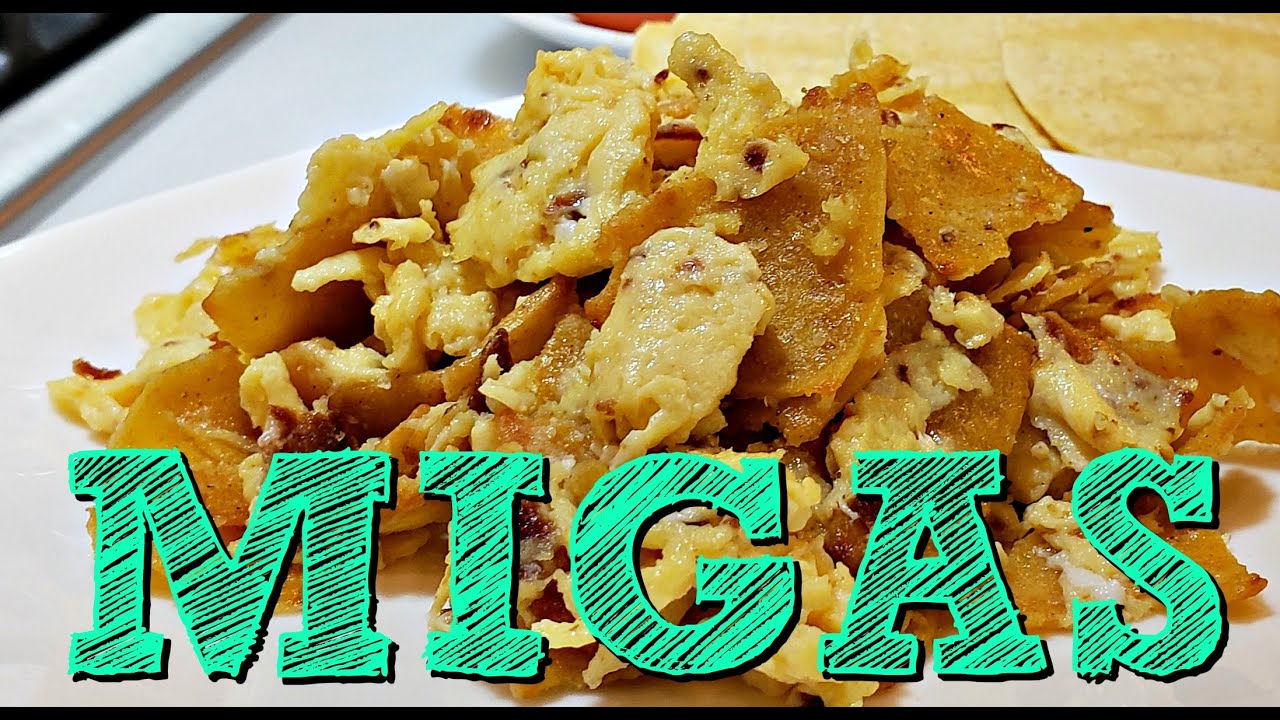
“Migas is what happens when someone too smart to waste leftover tortillas invents a breakfast dish that outperforms everything else in the Tex-Mex morning canon. The genius is in the texture: crispy fried tortilla strips folded into soft, creamy eggs at the exact moment neither one is fully done. Get the timing wrong and you have either rubbery egg croutons or soggy corn chips. Get it right and you have the best breakfast you've made all year.”
Why This Recipe Works
Migas is a garbage-reducing genius dish wearing a breakfast costume. It was invented specifically to solve the problem of stale tortillas — the rough translation is "crumbs" or "scraps" — and in solving that problem, it accidentally produced one of the most texturally compelling breakfasts in the entire Tex-Mex canon. The contrast between crispy, golden tortilla strips and soft, creamy scrambled eggs is not incidental. It is the entire point of the dish.
The Tortilla Frying Window
Every great migas starts with properly fried tortilla strips, and every mediocre migas starts with tortilla strips that were fried incorrectly. The failure mode is always the same: either the oil wasn't hot enough when the strips went in, the skillet was overcrowded, or the cook walked away. Oil temperature matters because tortillas fried in insufficiently hot oil absorb the fat before forming a crust. You get greasy, limp strips instead of crispy ones, and no amount of paper towel drainage rescues them.
The crowding problem is physics. Each strip releases steam as it heats. Pack too many in the pan and that steam has nowhere to go — it circulates between the strips and effectively boils them from the outside in. You need every strip in contact with hot oil and open air simultaneously. Fry in batches if your cast-iron skillet isn't large enough.
The window between golden brown and burnt is approximately 45 seconds. Do not check your phone.
The Egg Timing Problem
The difference between great migas and a sad tortilla-egg casserole is a matter of 60 seconds. The strips go in when the eggs are nearly set — shiny on top, no longer liquid, but not yet fully cooked through. At that moment, the eggs have enough structure to support the strips without sealing moisture around them. The strips stay crispy for the additional 30 seconds of cooking and hold their texture through service.
Add the strips to wet, liquid eggs and you've just introduced crunchy objects into a liquid environment. They absorb egg moisture and steam from the inside. By the time they reach the plate, they're soft.
The solution is also the oldest egg cooking advice in existence: pull the pan before you think you're done. Cast iron retains heat aggressively. The eggs will carry-cook for another minute after the burner goes off. Every professional egg cook knows this. Most home cooks learn it the hard way once, then never forget it.
The Vegetable Foundation
The sauté sequence — onion first, then garlic and jalapeño, then bell pepper — is not casual. Onions need three minutes of sustained heat to soften and develop their base sweetness. Garlic burns in 45 seconds if added with the onions. Bell pepper goes last because it only needs two minutes to soften while retaining its color and fresh bite. Randomize the order and the flavor foundation collapses.
The green onion division — whites cooked in, greens applied fresh on top — is the kind of small move that separates methodical cooking from casual cooking. The white parts are pungent and benefit from heat. The light green parts are delicate and bright and exist to provide freshness contrast on the finished plate. They do completely different jobs.
The Cheese Principle
Off-heat cheese is not a preference. It is a technique. When you add cheese to eggs still on a hot burner, the milk solids separate from the fat at sustained heat — you get a greasy, curdled mess that coats your eggs in an unpleasant film. Remove the skillet first, then add the cheese, then let the residual heat of the cast iron melt it through in about 90 seconds. The result is cheese that integrates smoothly into the egg curds without breaking.
Monterey Jack is the traditional choice because its high moisture content and moderate fat make it one of the most cooperative melting cheeses in the American dairy canon. If you substitute queso fresco, understand you're making a different dish — better in some ways, different in all ways. The crumbles don't melt; they stay distinct. The flavor is sharper. It's excellent. But it isn't the same dish.
The Lime Is Not Optional
This needs to be said plainly: the lime wedge is a structural ingredient, not a garnish. Cumin, smoked paprika, and melted cheese are heavy, fat-forward flavors. The acid from half a lime squeezed over the plate is what cuts through all of that and makes the dish taste clean and bright rather than heavy and monotone. Every Tex-Mex breakfast cook knows this. The lime goes on. That's final.
Where Beginners Mess This Up
Before we start, read this. These are the 4 reasons your crispy migas (the tex-mex breakfast you've been sleeping on) will fail:
- 1
Adding the tortilla strips too early: Tortilla strips folded into eggs before the eggs are nearly set will steam instead of stay crispy. The moisture in the half-cooked eggs turns your carefully fried strips into mush within 60 seconds. Wait until the eggs are 80% set — shiny on top but no longer liquid — before folding the strips in.
- 2
Crowding the skillet when frying tortillas: Tortilla strips need direct contact with hot oil to fry properly. Pile them in and they steam each other into limp, greasy ribbons instead of crisping. Fry in a single layer, stir constantly, and pull them out the moment they hit golden brown. They continue crisping on the paper towel.
- 3
Overcooking the eggs: Migas eggs should be soft, creamy, and just barely set when you pull the skillet from heat. The residual heat and cheese finish them perfectly off the burner. If they look done in the pan, they're overdone on the plate. Remove at 80% set, every time.
- 4
Skipping the lime: The lime wedge is not a garnish. The acid cuts through the fat of the cheese and eggs, brightens the cumin, and makes the whole dish taste more alive. Squeeze it on. This is non-negotiable in any Tex-Mex kitchen worth its salt.
The Video Reference Library
Want to see it in action? Here are the exact videos we analyzed and combined to build this foolproof recipe translation:
The foundational technique video that nails the tortilla frying sequence and egg folding timing. Watch specifically for how the strips are added at the exact moment the eggs transition from wet to nearly set.
🛠️ Core Equipment
- Large cast-iron skilletEven heat retention ensures the tortilla strips fry uniformly without hot spots. Cast iron also holds temperature when you add the cold egg mixture, preventing the pan from stalling mid-cook. A [cast-iron skillet](/kitchen-gear/review/cast-iron-skillet) is the correct tool for this job.
- Medium mixing bowl and whiskWhisking the eggs and egg whites together until fully combined and slightly aerated gives you the creamy, soft curd texture migas requires. A fork leaves too many unmixed whites streaking through the finished dish.
- Paper towel-lined plateThe tortilla strips keep crisping after leaving the oil. Paper towels absorb excess surface oil immediately and prevent the strips from sitting in their own grease while you cook the vegetables.
- Sharp chef's knifeClean cuts matter here. Rough-torn tortilla strips fry unevenly. Uniform thin strips — about a quarter inch wide — fry in the same amount of time and fold into the eggs without puncturing the soft curds.
Crispy Migas (The Tex-Mex Breakfast You've Been Sleeping On)
🛒 Ingredients
- ✦6 large eggs
- ✦3 egg whites
- ✦4 corn or whole wheat tortillas, cut into thin strips
- ✦2 tablespoons extra virgin olive oil
- ✦1 medium red bell pepper, finely diced
- ✦1 medium yellow onion, finely diced
- ✦3 green onions, sliced thin, white and light green parts separated
- ✦1 jalapeño pepper, seeded and minced
- ✦3/4 cup shredded Monterey Jack cheese
- ✦1/4 cup fresh cilantro, chopped
- ✦1/2 teaspoon ground cumin
- ✦1/4 teaspoon smoked paprika
- ✦1/2 teaspoon kosher salt
- ✦1/4 teaspoon freshly cracked black pepper
- ✦2 cloves garlic, minced
- ✦1/4 cup diced Roma tomato
- ✦2 tablespoons diced fresh avocado, for serving
- ✦1 lime, cut into wedges
👨🍳 Instructions
01Step 1
Whisk together the eggs and egg whites in a medium bowl, seasoning lightly with salt and pepper. Set aside.
02Step 2
Heat the olive oil in a large cast-iron skillet over medium-high heat until shimmering, about 1 minute.
03Step 3
Add the tortilla strips to the hot oil in a single layer and stir constantly until golden brown and crispy, about 4-5 minutes. Transfer to a paper towel-lined plate.
04Step 4
Return the same skillet to medium-high heat. Add the diced yellow onion and sauté until translucent and softened, about 3 minutes.
05Step 5
Stir in the minced garlic and jalapeño, cooking for 30 seconds until fragrant. Add the diced red bell pepper and cook for another 2 minutes.
06Step 6
Pour the whisked egg mixture into the skillet. Let it sit undisturbed for 20 seconds, then gently push the partially cooked eggs from the edges toward the center. Repeat every 20 seconds.
07Step 7
When the eggs are nearly set but still slightly wet and shiny on top, about 3-4 minutes total, fold in the reserved crispy tortilla strips and the white parts of the green onions.
08Step 8
Sprinkle the cumin and smoked paprika over the mixture and gently fold to combine. Cook for another 30 seconds.
09Step 9
Remove the skillet from heat immediately. Stir in the shredded cheese and let the residual heat melt it through the eggs.
10Step 10
Taste and adjust seasoning with additional salt and pepper if needed.
11Step 11
Transfer to serving plates and top with diced tomato, the light green parts of the green onions, and fresh cilantro.
12Step 12
Serve immediately with avocado and lime wedges alongside. Squeeze the lime over everything before eating.
Nutrition Per Serving
Estimates based on standard preparation. Adjustments alter macros.
🔄 Substitutions
Instead of Monterey Jack cheese...
Use Crumbled queso fresco or feta
Doesn't melt into the eggs — stays in distinct crumbles. Sharper, saltier, more authentically Mexican in flavor profile. Adjust added salt accordingly since both are saltier than Jack.
Instead of Corn tortillas...
Use Whole wheat or sprouted grain tortillas
Nuttier, earthier flavor. Slightly more forgiving on the fry — less likely to go from golden to burnt in seconds. Adds fiber and a chewier bite to the final texture.
Instead of 6 large eggs...
Use 4 large eggs plus 4 egg whites
Noticeably lighter texture, slightly less rich. The yolks in the 4 whole eggs still provide creamy curd structure. Cuts cholesterol substantially without ruining the dish.
Instead of Frying tortillas in oil...
Use Bake strips at 375°F for 8-10 minutes
Gets you 85% of the crunch with 40% less oil. The strips are drier and slightly more brittle than pan-fried, which means they do soften faster once folded into eggs. Add them at the very last moment if baking.
🧊 Storage & Reheating
In the Fridge
Store in an airtight container for up to 2 days. The tortilla strips will soften overnight — this is unavoidable. Reheat in a hot skillet for 2 minutes to revive some texture.
In the Freezer
Not recommended. Eggs turn watery and grainy after freezing and thawing. Migas is a dish you make fresh.
Reheating Rules
Cast-iron skillet over medium heat with a small knob of butter, 2-3 minutes, stirring gently. Microwave reheating makes the eggs rubbery and the tortilla strips disappear entirely.
❓ Frequently Asked Questions
What are migas exactly?
Migas are a Tex-Mex breakfast dish built on crispy fried tortilla strips folded into scrambled eggs with peppers, onions, and cheese. The word means 'crumbs' in Spanish — the dish originated as a way to use up stale tortillas. The Spanish version uses stale bread instead of tortillas and has an entirely different character.
Why do my tortilla strips get soggy in the eggs?
Two reasons: you added them too early, or you cut them too thick. Strips need to go in when the eggs are nearly set, not wet. Thick strips also have more interior moisture that steams out once they hit the eggs. Cut thin, add late.
Can I use flour tortillas instead of corn?
You can, but they fry differently. Corn tortillas crisp into firm, crunchy pieces. Flour tortillas fry into softer, chewier pieces — they never get fully crispy. The dish still tastes good, but the defining textural contrast is weaker. Corn is the correct call.
Is there a version without cheese?
Yes, and it's actually closer to the original Tex-Mex roadside version which used whatever was around. Skip the cheese and add an extra pinch of cumin and a second jalapeño. The eggs need the fat somewhere — finish with a drizzle of good olive oil instead.
How do I keep the eggs from overcooking while I fold everything in?
Pull the skillet off the heat before you think the eggs are done. The cast iron retains enough heat to carry-cook for 60-90 more seconds. If the eggs look perfectly done in the pan, they are overdone by the time they hit the plate.
What do I serve with migas?
In Texas: refried beans on the side, flour tortillas for wrapping, and hot sauce on the table. A simple dressed avocado works. The lime wedge on the plate is not optional — the acid is a structural part of the flavor, not a garnish.

The Science of
Crispy Migas (The Tex-Mex Breakfast You've Been Sleeping On)
We turned everything on this page into a beautiful, flour-proof PDF cheat sheet. Print it out, stick it to your fridge, and never mess up your crispy migas (the tex-mex breakfast you've been sleeping on) again.
*We'll email you the high-res PDF instantly. No spam, just perfectly cooked meals.
AlmostChefs Editorial Team
We translate the internet's most popular cooking videos into foolproof, beginner-friendly written recipes. We analyze multiple methods, test them in our kitchen, and engineer a single "Master Recipe" that gives you the best possible result with the least possible stress.