The Only Mexican Rice and Beans (One-Pan, Actually Flavored)
A deeply savory, one-pan Mexican staple built on toasted rice, smoky tomato broth, and properly seasoned pinto beans. We analyzed the most-watched YouTube techniques to isolate exactly why most home versions taste bland — and how to fix every single point of failure.
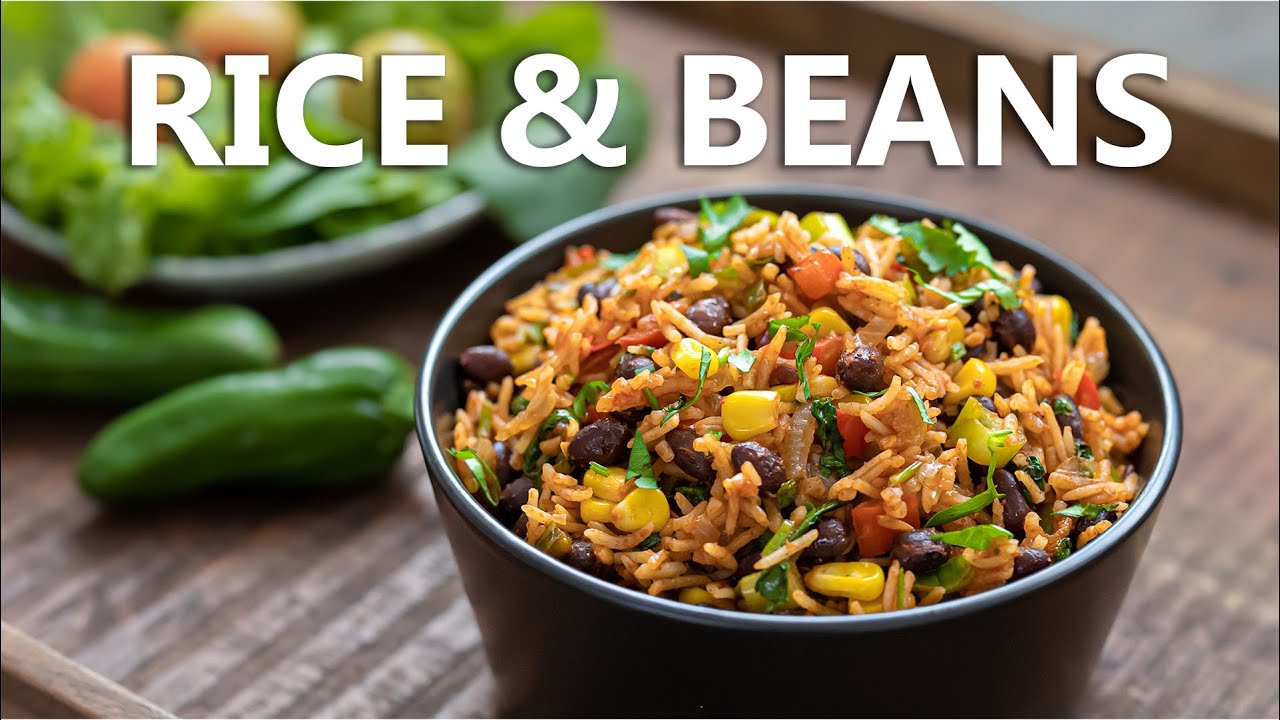
“Mexican rice and beans is one of those dishes that tastes transcendent at a taqueria and bland at home. You use the same ingredients, follow the same steps, and somehow end up with watery, flavorless rice sitting next to underseasoned beans. The gap is not the recipe — it's three technique failures that compound on each other: under-toasted rice, under-seasoned liquid, and beans added too early. Fix those and this dish becomes a weeknight anchor, not an afterthought.”
Why This Recipe Works
Mexican rice and beans is a dish that restaurants make look effortless and home cooks consistently underestimate. It's not complicated — but it has a narrow margin for error, and most recipes either skip the technique explanation entirely or bury it under vague instructions like "sauté until fragrant" and "season to taste." The result is a generation of home cooks who have made this dish twenty times and still can't figure out why theirs doesn't taste like the version at their favorite taqueria.
The answer is almost always the same three things: the rice wasn't toasted long enough, the liquid wasn't seasoned aggressively enough, and the beans went in too early. These aren't subjective cooking preferences. They're technique failures with measurable consequences.
The Toasting Foundation
The single most important step in this entire recipe takes four minutes and requires nothing but a hot pan and a wooden spoon. When you add dry rice to hot oil and stir it constantly, the heat triggers the Maillard reaction — the same browning chemistry that makes seared meat taste different from boiled meat, or toasted bread taste different from fresh bread. The grains develop hundreds of new flavor compounds, a mild nutty aroma, and a thin starch shell that prevents them from absorbing liquid too quickly and turning to mush.
Most home recipes call for toasting until "lightly golden," which most people interpret as "a few grains have changed color." What you actually want is uniform, confident golden color across the entire batch — the color of raw honey, not pale straw. If you're not sure, go slightly further than you think you should. The line between golden and burnt has a comfortable margin. Under-toasted rice is far more common and far more damaging to the final result.
One critical prep note: the rice must be dry before it hits the oil. A fine-mesh sieve is the right tool for rinsing, but you need to spread the rice thin and pat it aggressively with paper towels before it goes into the pan. Wet rice steams instead of toasting, and the steam causes the grains to clump immediately — undoing the entire point of the exercise.
Building the Broth Base
The liquid you cook rice in becomes the rice. This sounds obvious, but it explains why so many home versions taste flat: cooks use plain broth without seasoning it first, or use water entirely, and then wonder why the finished dish needs so much salt at the table. By the time the rice is plated, the window to season it properly has long passed.
The goal is to build a deeply savory tomato-spice broth that the rice absorbs grain by grain. Tomato paste — cooked in the pan until it darkens and caramelizes — provides concentrated umami and removes the raw acidic edge that raw paste carries. Fire-roasted canned tomatoes add smokiness that standard diced tomatoes don't have. Low-sodium broth gives you the control to season properly without overshooting. Together they create a liquid that tastes like something before the rice goes in, which means the rice will taste like something when it comes out.
The spice blend (cumin, chili powder, smoked paprika, garlic powder) should go into the liquid before it boils, not sprinkled on top at the end. This allows the fat-soluble flavor compounds to disperse evenly through the broth and ensures every grain gets seasoned from the inside, not just coated on the outside.
The Bean Integration Problem
Canned pinto beans are already fully cooked under pressure at the cannery. They're done. They do not benefit from 25 minutes of additional simmering — they suffer from it, breaking down into a mealy, indistinct paste that muddies the final texture and bleeds their starchy interior into the rice. They need exactly as much time as it takes to heat through and pick up some pan flavor: five minutes.
Adding them in the final five minutes of covered cooking accomplishes this cleanly. The beans warm through in the trapped steam, absorb the aromatic broth from the top surface of the rice, and hold their shape intact. When you fluff and fold the dish together at the end, they integrate without disintegrating — distinct, creamy pockets distributed throughout the rice rather than a uniform mush.
The wide sauté pan matters here too. The large surface area means a thin layer of rice rather than a deep column, which ensures even steam distribution from top to bottom. In a deep saucepan, the middle of the rice column gets neither the direct bottom heat nor the trapped top steam — it just sits there and steams unevenly until the outside is overcooked and the center is still underdone.
This dish, done correctly, is one of the most reliable and versatile things in a home cook's rotation. It's cheap, it scales effortlessly, it reheats better than almost any other grain dish, and it pairs with everything. The only thing standing between you and that result is four minutes of attentive toasting and the discipline to leave the lid alone.
Where Beginners Mess This Up
Before we start, read this. These are the 4 reasons your the only mexican rice and beans (one-pan, actually flavored) will fail:
- 1
Skipping the rice toast: Raw rice dropped directly into liquid never develops the nutty, slightly roasted backbone that makes restaurant Mexican rice taste different from plain steamed rice. You need to toast the dry grains in hot oil for 3-4 minutes until they turn a light golden color. The grains will smell faintly like popcorn — that's the Maillard reaction doing its job. This step is not optional.
- 2
Using plain water instead of seasoned broth: Mexican rice cooked in plain water tastes like exactly that — plain rice with tomato paste stirred in. Every tablespoon of liquid that gets absorbed by the grain needs to carry flavor. Use low-sodium chicken or vegetable broth, season it aggressively before adding, and add a full tablespoon of tomato paste dissolved directly into the broth before it goes into the pan.
- 3
Adding beans too early: Canned beans are already fully cooked. If you add them to the pan when you add the rice and liquid, they simmer for 25-30 minutes and turn to mush. They should go in during the last 5 minutes of cooking — long enough to heat through and absorb some pan flavor, not long enough to fall apart.
- 4
Lifting the lid and stirring: Rice cooks by absorbing steam trapped in the pot. Every time you lift the lid to stir, you release steam, drop the temperature, and force the rice to cook unevenly. Once the liquid comes to a boil and you reduce the heat, the lid stays on until the timer says otherwise.
The Video Reference Library
Want to see it in action? Here are the exact videos we analyzed and combined to build this foolproof recipe translation:
The clearest walkthrough of the toasting technique and the tomato broth base. Watch specifically for how golden the rice gets before the liquid goes in — most home cooks pull it way too early.
Deep dive into the liquid ratio and why broth beats water every time. Covers the technique for building a tomato-based flavor base without making the rice taste like pasta sauce.
Focuses on bean integration timing and how to season in layers rather than dumping everything in at once. Useful for understanding why beans added early always turn to mush.
🛠️ Core Equipment
- 12-inch straight-sided skillet or wide sauté pan with tight-fitting lidThe wide surface area lets the rice toast evenly without piling up in the center. A deep saucepan forces the rice into a thick column where the bottom toasts and the top stays raw.
- Fine-mesh sieveFor rinsing the rice before toasting. Rinsing removes excess surface starch that causes clumping — but you must dry the rice thoroughly before it hits the hot oil or it will steam instead of toast.
- Wooden spoon or heat-safe silicone spatulaFor stirring the rice constantly during the toasting phase. You need frequent contact to prevent any grain from sitting in one spot too long and burning.
- Measuring cupsThe liquid-to-rice ratio is the most sensitive variable in this dish. A 1.75:1 ratio (liquid to rice by volume) is the target. Eyeballing it leads to undercooked crunchy rice or a soupy mess every single time.
The Only Mexican Rice and Beans (One-Pan, Actually Flavored)
🛒 Ingredients
- ✦1.5 cups long-grain white rice, rinsed and thoroughly dried
- ✦2 tablespoons neutral oil (avocado or vegetable)
- ✦1 small white onion, finely diced
- ✦4 garlic cloves, minced
- ✦1 jalapeño, seeded and finely diced
- ✦1 tablespoon tomato paste
- ✦1 can (14.5 oz) fire-roasted diced tomatoes, drained
- ✦2.5 cups low-sodium chicken or vegetable broth
- ✦1 can (15 oz) pinto beans, drained and rinsed
- ✦1 teaspoon ground cumin
- ✦1 teaspoon chili powder
- ✦1/2 teaspoon smoked paprika
- ✦1/2 teaspoon garlic powder
- ✦1 teaspoon kosher salt, plus more to taste
- ✦1/4 teaspoon freshly ground black pepper
- ✦Juice of 1 lime
- ✦1/4 cup fresh cilantro, roughly chopped
- ✦2 green onions, thinly sliced (for serving)
👨🍳 Instructions
01Step 1
Rinse the rice under cold water until the water runs mostly clear, then spread it on a clean kitchen towel or paper towels and pat completely dry. Any surface moisture will cause violent splattering when it hits the hot oil and will prevent proper toasting.
02Step 2
Heat 2 tablespoons of oil in a 12-inch straight-sided skillet over medium-high heat until shimmering. Add the dried rice and stir constantly for 3-4 minutes until the grains turn light golden and smell nutty.
03Step 3
Push the toasted rice to the edges of the pan. Add the diced onion and jalapeño to the center and sauté for 3 minutes until softened. Add the minced garlic and cook for 1 minute more until fragrant.
04Step 4
Add the tomato paste to the pan and stir it into the onion mixture for 1-2 minutes until it darkens slightly from bright red to a deeper brick color. This caramelizes the paste and removes the raw, acidic edge.
05Step 5
Add the drained fire-roasted tomatoes and stir everything together. Let the tomato liquid cook down for 1 minute.
06Step 6
Pour in the broth. Add the cumin, chili powder, smoked paprika, garlic powder, salt, and black pepper. Stir to combine and bring to a full boil over high heat.
07Step 7
Once boiling, reduce heat to the lowest setting, cover with a tight-fitting lid, and cook for 18-20 minutes. Do not lift the lid.
08Step 8
After 18 minutes, add the drained pinto beans by gently lifting the lid, scattering them evenly over the top of the rice, and immediately replacing the lid. Cook for 5 more minutes.
09Step 9
Remove from heat and let the pan rest, still covered, for 5 minutes. The residual steam finishes any remaining moisture absorption and ensures every grain is fully cooked.
10Step 10
Uncover, squeeze the lime juice over everything, and fluff gently with a fork, folding the beans and rice together without smashing.
11Step 11
Taste and adjust salt. Garnish with fresh cilantro and sliced green onions. Serve directly from the pan.
Nutrition Per Serving
Estimates based on standard preparation. Adjustments alter macros.
🔄 Substitutions
Instead of Long-grain white rice...
Use Jasmine rice
Similar length-to-width ratio and toasting behavior. Slightly more floral aroma. Avoid short-grain or medium-grain — they clump and don't elongate properly.
Instead of Pinto beans...
Use Black beans or kidney beans
Black beans hold their shape better and have an earthier flavor. Kidney beans are firmer and need the full 5-minute integration. Both work — pinto is traditional.
Instead of Chicken broth...
Use Vegetable broth
Makes the dish fully vegetarian with zero compromise on flavor. Use a high-quality vegetable broth — the thin, pale kind adds almost nothing.
Instead of Jalapeño...
Use Serrano chile or canned green chiles
Serrano brings more heat with similar flavor. Canned green chiles are milder and sweeter — good for a crowd-friendly version.
🧊 Storage & Reheating
In the Fridge
Store in an airtight container for up to 4 days. The beans continue to absorb moisture, so the dish thickens slightly by day two — which most people prefer.
In the Freezer
Freeze in individual portions for up to 3 months. The rice texture degrades slightly but remains entirely acceptable. Thaw overnight in the fridge.
Reheating Rules
Add 2 tablespoons of water or broth per serving, cover tightly, and reheat over low heat for 8-10 minutes. Alternatively, microwave covered on 70% power to prevent the rice from drying out and the beans from splitting.
❓ Frequently Asked Questions
Why is my Mexican rice mushy?
Either you used too much liquid or you lifted the lid and stirred during cooking, releasing the steam and causing uneven heat distribution. Measure your liquid precisely at 1.75:1 ratio (liquid to rice) and leave the lid alone once it's on.
Do I have to toast the rice?
If you want restaurant-quality results, yes. Toasting creates a protective starch shell around each grain that prevents clumping and adds a nutty depth that you simply cannot achieve any other way. It adds four minutes. Do not skip it.
Can I use brown rice instead of white?
You can, but brown rice requires significantly more liquid (closer to 2.25:1) and 40-45 minutes of covered cooking instead of 18-20. The beans should still go in during the last 5 minutes. The final texture will be chewier and the flavor nuttier.
My rice is cooked but there's still liquid in the pan — what happened?
You either used too much liquid or your heat was too high, cooking the rice through without allowing the liquid to fully absorb. Next time, reduce the broth by 2 tablespoons and make sure the heat is at its absolute lowest after you bring it to a boil.
Can I add chicken or other protein directly to this dish?
Yes. Sauté diced chicken thighs (not breast — they dry out) in the pan before toasting the rice, remove them, then add them back on top of the rice along with the beans for the final 5 minutes. They'll stay juicy and absorb the pan flavor.
Why fire-roasted tomatoes specifically?
The dry-heat roasting process before canning caramelizes the tomato's natural sugars and adds a smokiness that standard canned tomatoes don't have. In a dish where tomato is a primary flavor driver, this distinction is audible in the final result. It's a meaningful ingredient, not food-blogger branding.

The Science of
The Only Mexican Rice and Beans (One-Pan, Actually Flavored)
We turned everything on this page into a beautiful, flour-proof PDF cheat sheet. Print it out, stick it to your fridge, and never mess up your the only mexican rice and beans (one-pan, actually flavored) again.
*We'll email you the high-res PDF instantly. No spam, just perfectly cooked meals.
AlmostChefs Editorial Team
We translate the internet's most popular cooking videos into foolproof, beginner-friendly written recipes. We analyze multiple methods, test them in our kitchen, and engineer a single "Master Recipe" that gives you the best possible result with the least possible stress.