One-Pot Mexican Rice and Black Beans (The Weeknight Vegan Staple You've Been Missing)
A vibrant, plant-powered one-pot meal built on fire-roasted tomatoes, bloomed spices, and hearty black beans folded into brown rice. We analyzed the most popular YouTube methods to lock down the technique that nails texture and depth without turning dinner into a project.
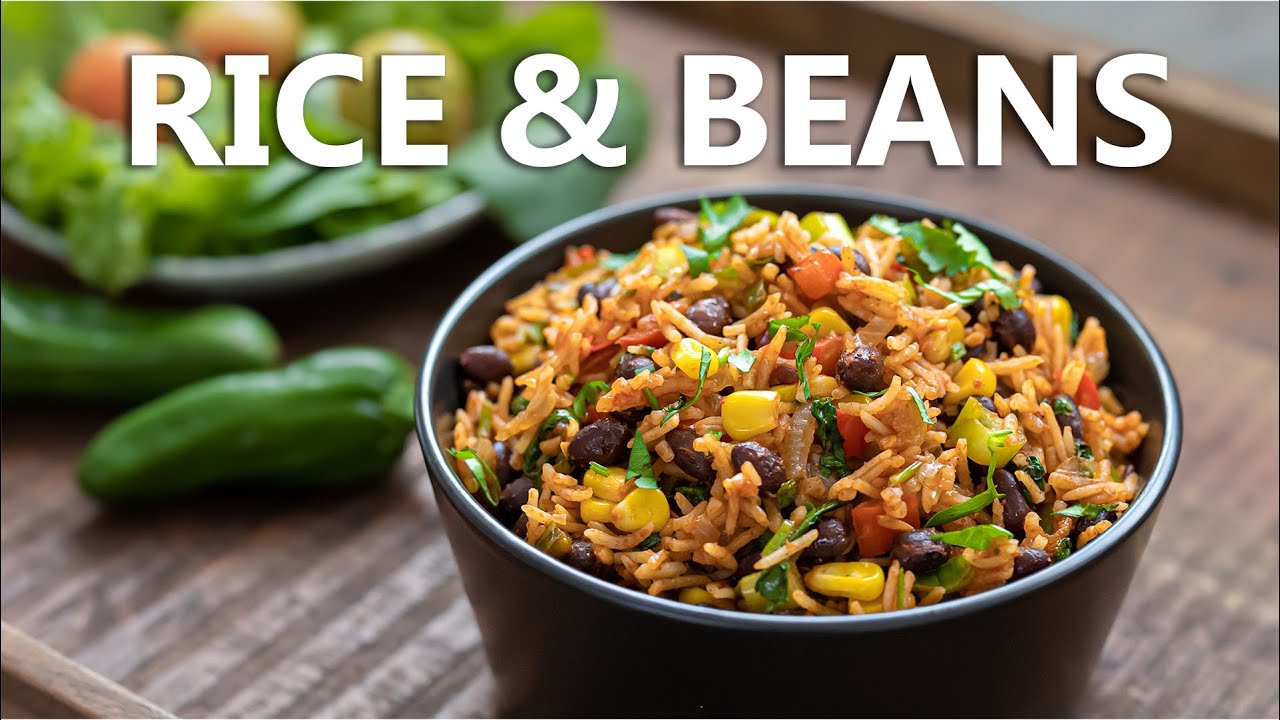
“Most one-pot rice dishes fail in the same two places: underseasoned water and impatient stirring. Both kill the texture before the food even hits the table. This recipe fixes that by blooming whole spices in hot oil before a drop of liquid touches the pan, then leaving everything alone while the rice does its job. The result is a dish that tastes like it took two hours and costs under four dollars a serving.”
Why This Recipe Works
One-pot rice dishes have a reputation problem. They're associated with sad office lunches and dorm room desperation — beige, underseasoned, texturally ambiguous. The reason is almost never the concept. It's almost always the technique, specifically two decisions that most cooks make wrong before they've added a single bean.
The Bloom Is Not Optional
Ground spices are fat-soluble. Their flavor compounds — the terpenes in cumin, the capsaicinoids in chili powder, the carotenoids in paprika — activate in hot fat, not in water. When you dump spices directly into broth or tomatoes, you're dissolving them into a medium that can't extract their full flavor. You get a muted, one-dimensional result that tastes like the label on the jar rather than the spice itself.
Thirty seconds in hot oil changes the chemistry. The fat extracts the volatile aromatic compounds and carries them throughout every component in the pot. The vegetables absorb them. The rice toasts in them. The broth disperses them. By the time the lid goes on, the flavor base is already built — the remaining cook time just deepens it.
The visual cue is unmistakable: the spices darken slightly and the kitchen smells like a proper kitchen rather than a jar of powder. Pull out of the bloom phase at that moment. Another 30 seconds past it and you're moving toward bitter.
Brown Rice Behaves Differently — Work With It
Brown rice retains its bran layer, which means it's protected from rapid water absorption by a physical barrier. It takes longer to cook, requires more liquid, and produces a chewier, more substantial grain than white rice. These are features, not bugs, but they require calibration.
The 2¾ cups of broth in this recipe is not arbitrary. It accounts for the tomato liquid, the moisture already in the vegetables, and the absorption rate of long-grain brown rice over a 25-30 minute simmer. Change the rice variety and you change the math. White rice needs less liquid and less time — if you make that substitution without adjusting both variables, the pot will either run dry before the rice is done or turn to soup because the rice finished cooking with a cup of liquid still left.
Brown rice also benefits from the toasting step more than white rice does. Two to three minutes of dry toasting in the spiced oil creates a light Maillard crust on the bran layer that adds a subtle nuttiness and — critically — helps each grain maintain structural integrity through the simmer. Un-toasted brown rice tends toward mushiness in one-pot applications. Toasted brown rice holds its shape.
The Sealed Simmer Is the Entire Point
Once the lid goes on and the heat drops to low, your job is finished. The technique is pressure management: you want a consistent, gentle simmer that generates enough steam to cook the rice from the top down while the broth works from the bottom up. Too high and the bottom scorches before the top is done. Too low and the steam never builds and you get crunchy grains.
Every lid lift releases accumulated steam and drops the internal temperature by 15-20 degrees. The pot has to recover that heat and rebuild that steam before cooking resumes. In a dish with a 25-minute cook window, two lid lifts can add 10 minutes to your actual cook time while creating an uneven result — dry on top, waterlogged on the bottom.
A heavy-bottomed pot matters here for the same reason it matters in biryani: even heat distribution. Thin pans concentrate heat at the center and around the edges simultaneously, creating hot spots that scorch the bottom layer while leaving the inner portions undercooked. Cast iron or thick stainless distributes heat uniformly and retains it through the rest period, which is where the last 10% of the rice cooking actually happens.
The Acid Finish
Fresh lime juice added after the heat is off is not garnish. It is a structural element. The citric acid in fresh lime brightens every other flavor in the dish — it makes the cumin taste more like cumin, the beans taste cleaner, the cilantro taste more alive. Cooking destroys citric acid rapidly. Add lime juice while the pot is still hot and you're adding water with a faint sourness. Add it off-heat and you're adding brightness.
This is the difference between a bowl that tastes complete and one that tastes like it needs something you can't identify. It needs acid. It always needed acid. Add the lime off the heat, every time.
Where Beginners Mess This Up
Before we start, read this. These are the 4 reasons your one-pot mexican rice and black beans (the weeknight vegan staple you've been missing) will fail:
- 1
Skipping the spice bloom: Dumping cumin, chili powder, and paprika into liquid dilutes their impact immediately. Fat-soluble flavor compounds in dried spices only activate in hot oil. Thirty seconds of toasting in the pan before adding broth doubles the flavor extraction and is the entire reason restaurant rice tastes different from home rice.
- 2
Using white rice and expecting the same result: Brown rice absorbs liquid differently and takes longer. If you substitute white rice without adjusting the liquid ratio and cook time, you'll either get crunchy grains or soup. This recipe is calibrated for brown rice. If you use white, reduce broth by half a cup and cut cook time to 18 minutes.
- 3
Stirring during the simmer: Rice releases starch when agitated. Stirring a covered pot of rice mid-cook breaks down the starch coating on each grain and turns the whole dish into a gummy paste. Lid on, heat low, hands off. That's the entire technique.
- 4
Skipping the rest period: Pulling the lid immediately after the timer goes off releases steam before the rice has finished absorbing residual moisture. Five minutes of covered rest lets the grains firm up and separate cleanly. Without it, you're scooping clumps instead of fluffy rice.
The Video Reference Library
Want to see it in action? Here are the exact videos we analyzed and combined to build this foolproof recipe translation:
The source video that inspired this recipe. Clean technique, clear spice bloom demonstration, and a realistic timeline that doesn't skip the resting step.
🛠️ Core Equipment
- Large heavy-bottomed pot or deep skillet with tight-fitting lidEven heat distribution across the base prevents the bottom layer from scorching while the top stays underdone. Thin pans create hot spots. A [Dutch oven](/kitchen-gear/review/dutch-oven) or heavy stainless stockpot is ideal here.
- Wooden spoonFor deglazing the browned spice and vegetable bits off the pot bottom after adding liquid. These fond deposits are concentrated flavor — scrape every bit up or you're leaving the best part behind.
- Fine-mesh sieveFor draining and rinsing the canned black beans. Rinsed beans have up to 40% less sodium than beans used straight from the can, and removing the starchy liquid keeps the final texture clean rather than heavy.
- Microplane or citrus juicerFresh lime juice at the end is what separates this dish from beige cafeteria rice. A microplane lets you hit the zest too for double the citrus punch. Bottled lime juice is a different product — avoid it.
One-Pot Mexican Rice and Black Beans (The Weeknight Vegan Staple You've Been Missing)
🛒 Ingredients
- ✦2 tablespoons extra-virgin olive oil
- ✦1 medium yellow onion, finely diced
- ✦1 red bell pepper, diced into ½-inch pieces
- ✦1 yellow bell pepper, diced into ½-inch pieces
- ✦4 cloves garlic, minced
- ✦1 jalapeño pepper, seeded and finely diced (optional)
- ✦1 cup long-grain brown rice
- ✦2 teaspoons ground cumin
- ✦1½ teaspoons chili powder
- ✦1 teaspoon smoked paprika
- ✦½ teaspoon dried Mexican oregano
- ✦2¾ cups low-sodium vegetable broth
- ✦1 can (14.5 ounces) diced fire-roasted tomatoes, with juice
- ✦2 cans (15 ounces each) black beans, drained and rinsed
- ✦¾ cup fresh or frozen corn kernels
- ✦1 teaspoon sea salt, plus more to taste
- ✦¼ teaspoon freshly ground black pepper
- ✦3 tablespoons fresh lime juice
- ✦¼ cup fresh cilantro, finely chopped
- ✦Lime wedges and additional cilantro for garnish
👨🍳 Instructions
01Step 1
Heat the olive oil in a large, heavy-bottomed pot over medium-high heat for 1 minute until shimmering.
02Step 2
Add the diced onion and bell peppers. Sauté for 4-5 minutes, stirring occasionally, until softened and the onion turns translucent.
03Step 3
Stir in the minced garlic and jalapeño. Cook for 1-2 minutes until fragrant and no raw garlic smell remains.
04Step 4
Sprinkle the cumin, chili powder, paprika, and oregano directly over the vegetables. Stir constantly for 45 seconds to toast the spices and release their essential oils.
05Step 5
Add the brown rice and stir to coat every grain with the spiced oil. Toast for 2-3 minutes, stirring frequently, until the grains turn slightly golden.
06Step 6
Pour in the vegetable broth and diced tomatoes with their juice. Use a wooden spoon to scrape up any browned bits from the pot bottom.
07Step 7
Add the drained black beans, corn kernels, sea salt, and black pepper. Stir to combine everything evenly.
08Step 8
Bring to a rolling boil over medium-high heat, then immediately reduce heat to low and cover with a tight-fitting lid.
09Step 9
Simmer undisturbed for 25-30 minutes until the rice is completely tender and has absorbed most of the liquid. Do not lift the lid or stir.
10Step 10
Remove from heat. Keep the lid on and rest for 5 minutes.
11Step 11
Remove the lid and fluff the rice gently with a fork, breaking up any clumps.
12Step 12
Drizzle the fresh lime juice over the top and fold in the chopped cilantro. Taste and adjust salt and pepper.
13Step 13
Serve immediately, garnished with fresh cilantro, lime wedges, and any preferred toppings — avocado slices, diced red onion, or vegan crema.
Nutrition Per Serving
Estimates based on standard preparation. Adjustments alter macros.
🔄 Substitutions
Instead of Long-grain brown rice...
Use White long-grain rice
Reduce broth to 2¼ cups and cook time to 18 minutes. Brown rice calibration does not translate directly to white — adjust both or you'll get mush.
Instead of Black beans...
Use Pinto beans or kidney beans
Pinto beans are the more traditional pairing in northern Mexican cooking. Kidney beans hold their shape better and add a slightly meatier texture. Both work well here.
Instead of Low-sodium vegetable broth...
Use Water plus 1 teaspoon sea salt and a bay leaf
Works fine. The broth adds depth but the spice base is strong enough to carry the dish. Remove the bay leaf before serving.
Instead of Fresh cilantro...
Use Flat-leaf parsley plus a squeeze of extra lime
For cilantro-averse cooks. Parsley doesn't replicate the flavor but provides the fresh herb finish. The extra lime compensates for the lost brightness.
🧊 Storage & Reheating
In the Fridge
Store in an airtight container for up to 4 days. The rice continues absorbing moisture in the fridge — add a tablespoon of water before reheating.
In the Freezer
Freeze in individual portions for up to 3 months. Thaw overnight in the refrigerator for best texture.
Reheating Rules
Add 1-2 tablespoons of water per serving, cover, and reheat on low on the stovetop for 5-7 minutes. Microwave works in a pinch — cover with a damp paper towel to retain moisture.
❓ Frequently Asked Questions
Can I use canned beans without rinsing them?
You can, but you'll add significant sodium and the starchy canning liquid will make the dish heavier and mushier. Rinsing removes up to 40% of the sodium and keeps the bean texture clean. It takes 30 seconds — rinse the beans.
My rice is still crunchy after 30 minutes. What happened?
Either your heat was too low and not enough steam built up, or you lifted the lid during cooking and lost the steam. Add 2-3 tablespoons of water, seal the lid tightly, and cook for another 8-10 minutes on low. Brown rice is unforgiving about heat — low heat must still produce a visible simmer.
Is this actually filling enough as a main dish?
Yes. Between the brown rice, two cans of black beans, and the corn, each serving delivers 17g of protein and 14g of fiber. The fiber in particular drives satiety — most people find themselves full before the bowl is empty. Add avocado on top for extra staying power.
Can I make this in a rice cooker?
You can complete steps 1-7 in a skillet to build the spiced base, then transfer everything to the rice cooker and run a standard cycle. The bloom step cannot happen in a rice cooker — the base must be built on the stovetop first or you lose the entire flavor foundation.
How do I keep the rice from sticking to the bottom?
A heavy-bottomed pot and genuinely low heat are the only reliable answers. If you're using a thin pan, reduce heat further and add an extra 2 tablespoons of broth at the beginning. Some sticking on a heavy pot is fine — that's a crust, not a burn. If you smell scorching, the heat is too high.
What toppings actually improve this dish rather than just decorating it?
Sliced avocado adds fat that rounds out the spice. Pickled red onion adds acid that cuts through the starchiness. A spoonful of vegan crema or full-fat coconut yogurt adds richness. Hot sauce goes without saying. Skip the shredded vegan cheese — it adds nothing to this particular dish.
The Science of
One-Pot Mexican Rice and Black Beans (The Weeknight Vegan Staple You've Been Missing)
We turned everything on this page into a beautiful, flour-proof PDF cheat sheet. Print it out, stick it to your fridge, and never mess up your one-pot mexican rice and black beans (the weeknight vegan staple you've been missing) again.
*We'll email you the high-res PDF instantly. No spam, just perfectly cooked meals.
AlmostChefs Editorial Team
We translate the internet's most popular cooking videos into foolproof, beginner-friendly written recipes. We analyze multiple methods, test them in our kitchen, and engineer a single "Master Recipe" that gives you the best possible result with the least possible stress.