Classic Herb-Infused Meatballs (The Tender, Never-Dense Method)
Homemade meatballs built on a beef-and-pork blend, milk-soaked breadcrumbs, and a sear-then-bake technique that locks in moisture and develops a golden crust. We broke down the most common density failures and built one foolproof method around the panade — the simple wet-bread trick most recipes skip.
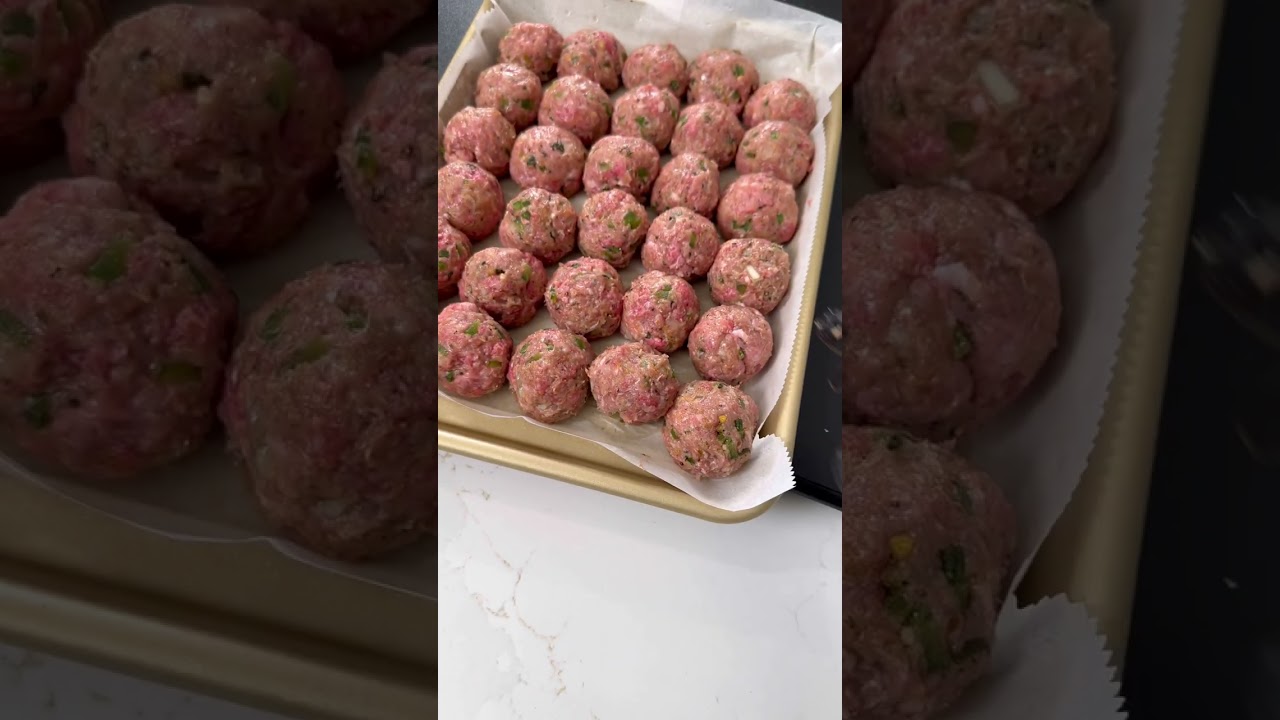
“Most homemade meatballs are either hockey pucks or grease bombs. The gap between dense, bouncy meatballs and the tender, restaurant-quality kind comes down to two things: the panade ratio and how much you work the meat. Over-mixed, under-rested, and skipping the sear — these are the three reasons your meatballs disappoint. This recipe fixes all three.”
Why This Recipe Works
A meatball is structurally a small, round meatloaf — which means it fails for exactly the same reasons meatloaf fails. Too dense. Too dry. Flavor is present but flat. The difference between a forgettable meatball and one that makes people reach for a third is almost entirely about protein network management and moisture engineering, and neither of those requires technique beyond restraint.
The Panade Problem
Ninety percent of dense meatball failures trace back to one omission: skipping the panade or treating it as optional. The panade is the paste you make by soaking panko in whole milk for five full minutes before the breadcrumbs touch the meat. What's happening at the molecular level: starch granules in the breadcrumbs absorb the milk and swell into a gel. When that gel is incorporated into the meat mixture, it physically disrupts the muscle protein fibers that want to bind together and contract during cooking.
Dry breadcrumbs don't do this. They absorb moisture during cooking instead of before, pulling liquid out of the meat and producing a drier result. A pre-saturated panade is self-contained — it holds its moisture internally and donates it back slowly as the meatball cooks. This is why Italian grandmothers who never heard the word "panade" were still soaking their bread in milk. The physics were understood long before the vocabulary.
The Mixing Limit
Ground meat is loaded with myosin, a protein that behaves like structural glue. When you mix or knead it, myosin strands extend and bond with each other across the meat mixture. Applied to a sausage, this binding is what you want — it creates a snappy, cohesive texture. Applied to a meatball, it creates a rubber ball.
The rule: one minute, folding motion, stop at just-incorporated. Cold hands help because they prevent the fat from smearing — warm fat distributes differently and affects how the meat sets during cooking. Run your hands under cold water before you start. The panade needs to be visible as streaks through the mixture, not homogenized into it. Uneven is fine. Overworked is not fixable.
The Sear-Then-Bake Architecture
Cooking meatballs entirely in a pan gives you inconsistent results — the exterior overcooks while the center chases 160°F, and you lose too much fat to the pan. Baking without searing gives you tender meatballs with zero crust development and flavor that tastes like well-seasoned gray protein. Neither is acceptable.
The sear-then-bake method uses a heavy-bottomed skillet to build crust through the Maillard reaction — the same chemistry behind browned butter, seared steak, and toasted bread. Three to four minutes of high-heat contact per batch creates a shell of concentrated flavor compounds on the exterior. The oven then finishes the interior at 400°F with gentler, more even heat that doesn't force out the remaining moisture.
An instant-read thermometer is not optional here. A meatball at 155°F looks identical to one at 165°F from the outside. Pull at exactly 160°F — carryover heat adds 3-5 degrees while resting, which brings you to safe and still juicy rather than safe and dry.
The Beef-Pork Ratio
85/15 ground beef is the floor, not a preference. Below that fat percentage, the meat proteins contract too aggressively during cooking and force out moisture regardless of how well you've built the panade. The 0.5 pounds of 93/7 pork adds a different fat profile — pork fat has a lower melting point than beef fat and renders more gently, contributing to the tenderness you notice in restaurant meatballs that seem impossible to replicate at home.
The Parmigiano-Reggiano is not garnish. It adds salt, fat, glutamate, and a slight crystalline texture to the interior. Pre-shredded "Parmesan" contains cellulose anti-caking agents and has a lower moisture content — it doesn't melt into the mixture the same way, and the flavor difference is genuine. Buy a block and grate it yourself. It takes ninety seconds.
These are not complicated techniques. They are small decisions made before the meat ever touches the pan that determine every bite after.
Where Beginners Mess This Up
Before we start, read this. These are the 4 reasons your classic herb-infused meatballs (the tender, never-dense method) will fail:
- 1
Overworking the meat mixture: The more you mix ground meat, the more the proteins cross-link into a dense, rubbery matrix. One minute of gentle combining — not vigorous stirring — is all it takes. The moment the ingredients look just incorporated, stop. A few uneven pockets are better than a compact, tough meatball.
- 2
Skipping the panade soak: The panade is the milk-soaked breadcrumb paste, and it is the entire structural secret of a tender meatball. The starch granules in the breadcrumbs swell with milk and physically interrupt the meat protein network during mixing, keeping the interior moist and loose. Dry breadcrumbs sprinkled straight in do almost nothing — you need the soak.
- 3
Skipping the refrigeration step: Chilling the formed mixture for 30 minutes before rolling firms the fat slightly, making portions easier to handle. More importantly, it lets the salt begin drawing out a small amount of moisture that reabsorbs and distributes flavor evenly. Rushing from bowl to pan produces crumbly, uneven meatballs that fall apart during browning.
- 4
Cooking through entirely in the pan: Pan-searing all the way to 160°F drives out too much moisture and produces a thick, dry crust. The sear-then-bake method gives you a golden crust via the Maillard reaction, then finishes the interior gently in the oven — lower direct heat, more even cooking, juicier center.
The Video Reference Library
Want to see it in action? Here are the exact videos we analyzed and combined to build this foolproof recipe translation:
The source video for this recipe's sear-then-bake approach. Clear demonstration of the panade technique and what properly combined (not over-mixed) meat looks like before forming.
🛠️ Core Equipment
- Large heavy-bottomed skilletEven heat distribution for consistent browning across all meatballs in a batch. A thin pan creates hot spots that scorch one side while leaving another pale.
- Rimmed baking sheet with parchmentAllows the meatballs to finish in the oven without sitting in pooled fat. Parchment prevents sticking without adding extra oil.
- Instant-read meat thermometerThe only reliable way to know when the interior hits 160°F. Visual cues lie — a meatball can look done and still be 145°F inside. Don't guess protein temperatures.
- Cookie scoop or ice cream scoop (1.5 tablespoon)Uniform portion size means uniform cook time. Uneven meatballs mean some are done and some are still raw when the timer goes off.
Classic Herb-Infused Meatballs (The Tender, Never-Dense Method)
🛒 Ingredients
- ✦1.5 pounds ground beef (85/15 lean)
- ✦0.5 pounds ground pork (93/7 lean)
- ✦3/4 cup panko breadcrumbs
- ✦1/4 cup whole milk
- ✦2 large eggs
- ✦1/2 cup fresh yellow onion, finely minced
- ✦4 garlic cloves, minced
- ✦1/2 cup grated Parmigiano-Reggiano cheese
- ✦3 tablespoons fresh flat-leaf parsley, finely chopped
- ✦2 teaspoons Italian seasoning (or 1 tsp dried oregano + 1 tsp dried basil)
- ✦3/4 teaspoon fine sea salt
- ✦1/2 teaspoon freshly cracked black pepper
- ✦1/2 teaspoon Worcestershire sauce
- ✦2 tablespoons extra virgin olive oil (for browning)
👨🍳 Instructions
01Step 1
Combine the panko breadcrumbs with the milk in a small bowl and let the mixture sit for 5 minutes until the breadcrumbs absorb the liquid and become a soft, paste-like panade.
02Step 2
Mix the minced onion and garlic together in a separate small bowl and set aside.
03Step 3
Place the ground beef and ground pork in a large mixing bowl. Add the soaked breadcrumb mixture, eggs, Parmigiano-Reggiano, parsley, Italian seasoning, salt, pepper, Worcestershire sauce, and the onion-garlic mixture.
04Step 4
Using your hands, gently combine all ingredients with a light folding motion for about 1 minute. Stop as soon as no dry streaks remain. Do not squeeze, press, or knead the mixture.
05Step 5
Cover the bowl with plastic wrap and refrigerate the mixture for 30 minutes.
06Step 6
Preheat the oven to 400°F and line a large rimmed baking sheet with parchment paper.
07Step 7
Using a 1.5-tablespoon cookie scoop, divide the chilled mixture into approximately 24 equal portions. Roll each portion gently between your palms into a smooth ball and place on the prepared baking sheet.
08Step 8
Heat the olive oil in a large heavy-bottomed skillet over medium-high heat until shimmering, about 1 minute.
09Step 9
Working in batches of 8-10, brown the meatballs on all sides for 3-4 minutes total, turning gently every minute. You are building crust only — do not cook through.
10Step 10
Transfer the browned meatballs back to the parchment-lined baking sheet. Repeat with remaining batches.
11Step 11
Bake for 12-15 minutes until an instant-read thermometer inserted into the largest meatball reads 160°F.
12Step 12
Remove from the oven and rest for 5 minutes before serving. The resting period allows the juices to redistribute — cutting in immediately loses them to the plate.
Nutrition Per Serving
Estimates based on standard preparation. Adjustments alter macros.
🔄 Substitutions
Instead of Panko breadcrumbs...
Use Grated zucchini (1/2 cup, squeezed very dry) + 1/4 cup almond flour
Slightly more tender texture with a lower carbohydrate profile. The zucchini must be squeezed aggressively — excess moisture collapses the structure and produces flat, wet meatballs.
Instead of Whole milk...
Use Unsalted bone broth or vegetable broth
Equally effective at saturating the panade and adds a layer of savory depth. Slightly less richness than milk but a noticeably more complex base flavor.
Instead of Ground beef + ground pork...
Use Ground turkey (93/7) + 1/4 pound ground lamb
Leaner profile. Turkey alone tends toward dry — the lamb adds back fat and a slight gamey richness that prevents the meatballs from tasting flat. Reduce bake time by 2-3 minutes.
Instead of Parmigiano-Reggiano...
Use 3 tablespoons nutritional yeast + 2 tablespoons finely grated Pecorino Romano
Adds B vitamins and a slightly sharper, more assertive umami note. The Pecorino's salt level is higher than Parmigiano — reduce the added sea salt by 1/4 teaspoon.
🧊 Storage & Reheating
In the Fridge
Store in an airtight container for up to 4 days. Reheat gently in marinara sauce over low heat — the sauce rehydrates the surface and prevents them from drying out.
In the Freezer
Freeze on a parchment-lined baking sheet until solid, then transfer to freezer bags for up to 3 months. Freeze after baking, not after searing, for best texture on reheat.
Reheating Rules
Simmer from frozen in marinara sauce over low heat for 20-25 minutes. If reheating without sauce, add 2 tablespoons of water or broth to the pan and cover tightly. Microwave dries them out significantly — avoid for anything beyond a quick single serving.
❓ Frequently Asked Questions
Why are my meatballs tough and dense?
Overworking. The moment you over-mix ground meat, the myosin proteins cross-link aggressively and create a dense, rubbery texture that no amount of sauce can fix. Mix for one minute, stop when just combined, refrigerate before rolling. That is the entire fix.
Can I skip the sear and just bake?
Technically yes, but the flavor loss is significant. The Maillard reaction that happens during searing creates hundreds of new flavor compounds that don't form in a 400°F oven. Bake-only meatballs taste flat and pale. The extra 10 minutes of pan work is worth it every time.
Do I have to use both beef and pork?
No, but the combination is deliberate. Beef provides the primary flavor and fat structure. Pork (even lean 93/7) adds a subtle sweetness and tenderness that all-beef meatballs lack. If you only use beef, go with 85/15 fat ratio and don't reduce it.
How do I keep meatballs from falling apart in the pan?
Three things: refrigerate the mixture before rolling, make sure the panade is fully saturated, and don't move the meatballs until a crust has formed. They will stick to the pan initially — after 60-90 seconds, they release naturally when properly seared. If you're forcing them, they're not ready.
What size should the meatballs be?
1.5 tablespoons (about 1.25-inch diameter) for this recipe. Smaller than golf balls, larger than marbles. This size gives you the right sear-to-interior ratio and ensures the bake time lands the internal temperature at 160°F without drying the center. Larger meatballs need more bake time; smaller need less.
Can I make these ahead for a party?
Yes — and they're actually better the next day. Bake fully, cool completely, and refrigerate in sauce overnight. The meatballs absorb the sauce and the flavors merge into something noticeably richer than same-day serving. Reheat low and slow on the stovetop.
The Science of
Classic Herb-Infused Meatballs (The Tender, Never-Dense Method)
We turned everything on this page into a beautiful, flour-proof PDF cheat sheet. Print it out, stick it to your fridge, and never mess up your classic herb-infused meatballs (the tender, never-dense method) again.
*We'll email you the high-res PDF instantly. No spam, just perfectly cooked meals.
AlmostChefs Editorial Team
We translate the internet's most popular cooking videos into foolproof, beginner-friendly written recipes. We analyze multiple methods, test them in our kitchen, and engineer a single "Master Recipe" that gives you the best possible result with the least possible stress.