Spicy Honey Garlic Chicken Bowls (The Only Meal Prep You Need)
Juicy honey garlic chicken thighs over seasoned rice with roasted vegetables and a punchy sauce — built to be prepped once and eaten all week. We broke down the most-watched lunch meal prep methods on YouTube to engineer one system that actually holds up in the fridge.
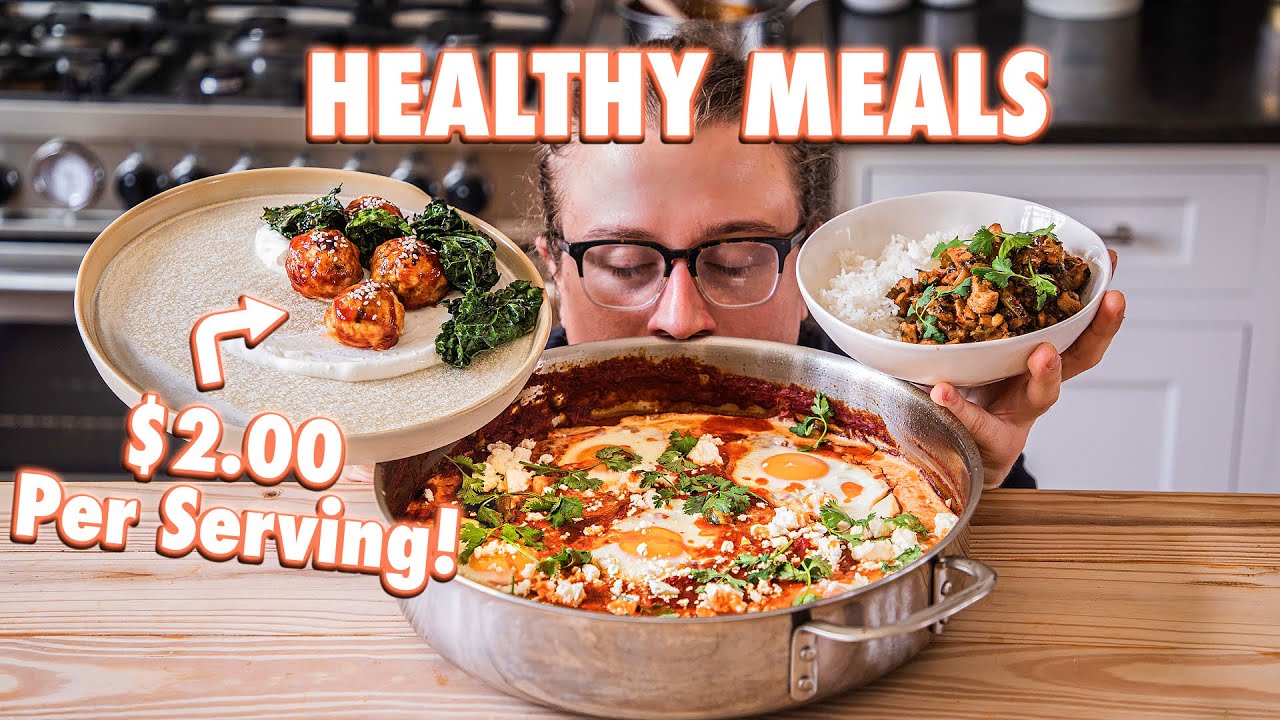
“Most meal prep fails not because the food is bad on Sunday but because it's depressing by Wednesday. Dry chicken. Soggy vegetables. Rice that turned into a single sad brick. The fix is not a better recipe — it's understanding how each component degrades differently in the fridge and building your prep around that reality. We reverse-engineered the most-watched lunch prep channels on YouTube to find the one system that holds flavor, texture, and your sanity through five consecutive meals.”
Why This Recipe Works
Meal prep has a marketing problem. Every influencer photo shows pristine containers stacked in a spotless refrigerator with perfectly uniform components that look identical on day one and day five. Real meal prep looks nothing like this by Tuesday. The chicken is dry, the vegetables have surrendered their structural integrity, and the rice has fused into a single gelatinous unit. The issue is not effort or intent — it is that most people treat meal prep as a cooking problem when it is actually a food science problem.
The Component Decay Problem
Every ingredient in a prepared meal degrades at a different rate and through a different mechanism. Cooked rice stales through retrogradation — the starch molecules re-crystallize as they cool, forming a dense network that gets harder and less palatable over time. Moisture accelerates this process, which is why rice sitting under sauce turns gummy while rice stored dry stays fluffy. Roasted vegetables lose their crispness through moisture migration — the water that evaporated during roasting gets reabsorbed from the surrounding air and from the other components in the container. Protein — especially lean protein like chicken breast — tightens and dries as muscle fibers continue to contract in the cold of the refrigerator.
Understanding these mechanisms is what allows you to engineer a prep system that fights them. Separate containers for sauce. Dry rice stored with a plastic wrap barrier. Thighs instead of breast for days four and five. These are not cooking preferences — they are interventions against specific decay pathways.
The Sear and the Science Behind It
The cast iron skillet step is not for aesthetics. When chicken thigh hits a screaming-hot cast iron surface, the surface temperature of the meat spikes rapidly, triggering the Maillard reaction — the same chemical process responsible for the flavor of seared steak, toasted bread, and roasted coffee. This reaction produces hundreds of new flavor compounds that are entirely absent from poached or baked chicken. More critically, the crust formed during searing acts as a physical barrier that slows moisture loss during the oven-finish phase and during days of refrigeration. Chicken thighs that were seared before refrigeration hold their juiciness measurably longer than those that went directly into the oven.
This is also why the pan must be hot before the chicken goes in. A warm pan does not sear — it steams. Steam softens the surface proteins instead of hardening them, which means no crust forms, no Maillard reaction occurs, and the moisture barrier never develops. Heat the skillet until a drop of water dances and evaporates within two seconds. That is the threshold you need.
The Vegetable Architecture
The heavy rimmed sheet pan preheated to 425°F solves the most common vegetable failure in one move. When cold vegetables land on a cold pan in a moderate oven, they sit in gradually increasing heat while their interior moisture warms, expands, and escapes as steam — into the pan, not into the air. The vegetables effectively boil in their own moisture until the oven is finally hot enough to evaporate it. By then, they are soft. Starting on a preheated pan flash-evaporates the surface moisture on contact, sealing the exterior and letting the interior cook through ambient heat rather than steam.
Spacing is the second variable. Vegetable pieces touching each other create a microenvironment of trapped steam between them. Even two centimeters of clearance is enough to allow that steam to escape. The visual result is the difference between caramelized edges with slight char — the mark of actual roasting — and pale, soft, forgettable vegetables that have given up on themselves.
The Sauce Strategy
The honey garlic sauce in this recipe does something structurally important beyond flavor: the reserved portion stored separately becomes the variable that makes each meal feel freshly made. When sauce is pre-combined with rice, the rice absorbs it completely within hours and the flavor becomes flat and homogenous. When sauce is added at the moment of eating, each component has its own distinct taste, and the sauce reads as bright and sharp rather than muted. This is not a subtle difference. It is the gap between a meal that tastes like it was made today and one that tastes like it was made five days ago.
The vinegar and sriracha in the sauce stay sharp through the week precisely because they are stored in a sealed container away from the starch. Acid breaks down in the presence of cooked starches over time. Kept separate, the sauce on Friday tastes identical to the sauce on Sunday. Combined, it would be a muted shadow of itself by Wednesday.
This is the entire philosophy behind this system: not more cooking, but smarter storage. The prep takes under an hour. The thinking behind it took considerably longer.
Where Beginners Mess This Up
Before we start, read this. These are the 4 reasons your spicy honey garlic chicken bowls (the only meal prep you need) will fail:
- 1
Using chicken breast without resting it: Chicken breast loses up to 40% of its moisture if you slice it immediately off the heat. The proteins are still contracting and squeezing out liquid. Rest it on a cutting board for five minutes minimum before cutting, and the moisture redistributes into the meat instead of pooling on your prep container floor.
- 2
Roasting vegetables at too low a temperature: Low-temp roasted vegetables steam in their own moisture and go limp within 24 hours in the fridge. You want 425°F minimum so the surface moisture evaporates instantly and you get actual caramelization. Caramelized vegetables hold their texture in the fridge. Steamed vegetables do not.
- 3
Storing rice in the same container as sauce: Rice is a moisture sponge. If your sauce touches the rice on prep day, by Monday the rice is a gummy paste and the sauce has disappeared entirely. Store sauce separately in small containers and add it at mealtime. This one change extends the quality of your prep from three days to five.
- 4
Overcrowding the sheet pan: When vegetables are packed too closely together, the steam they release cannot escape. Instead of roasting, they boil in their own moisture and turn soft. Use two pans if you need to. Spacing is not a suggestion — it is the entire mechanism behind good roasted texture.
The Video Reference Library
Want to see it in action? Here are the exact videos we analyzed and combined to build this foolproof recipe translation:
The foundational walkthrough that informed this method. Covers searing technique, vegetable timing, and container strategy with clear reasoning behind each decision.
A macro-focused approach that breaks down protein-per-serving calculations and how to adjust the recipe for different calorie targets. Useful reference for scaling portions.
No-frills technique video covering oven temperature logic and why spacing matters. Good companion reference for understanding the roasting principles behind this recipe.
🛠️ Core Equipment
- Heavy rimmed sheet panA thin sheet pan warps at high heat and creates uneven hot spots. A heavy-gauge aluminum or steel pan stays flat, distributing heat evenly across every vegetable. The difference between blotchy half-roasted vegetables and uniformly caramelized ones comes entirely from pan quality.
- Cast iron skillet or heavy stainless panFor searing the chicken thighs before finishing in the oven. Cast iron holds heat better than any other material, which means the chicken starts caramelizing the second it hits the surface instead of steaming in a cold pan. A good sear creates the crust that holds moisture inside during the rest.
- Meal prep containers with separate compartmentsSauce migrates. Rice absorbs everything. If your container has separate sections, each component stays in its lane through the entire week. Single-cavity containers turn your careful prep into a homogeneous mush by day three.
- Instant-read thermometerChicken thighs are done at 165°F internal temperature. Cutting into them to check doneness releases the juices you just worked to preserve. A thermometer costs nothing, tells you exactly when to pull them, and saves every batch.
Spicy Honey Garlic Chicken Bowls (The Only Meal Prep You Need)
🛒 Ingredients
- ✦2 pounds boneless skinless chicken thighs
- ✦3 tablespoons honey
- ✦4 garlic cloves, minced
- ✦2 tablespoons soy sauce
- ✦1 tablespoon sriracha
- ✦1 tablespoon rice vinegar
- ✦1 tablespoon olive oil, plus more for vegetables
- ✦2 cups long-grain white rice
- ✦4 cups chicken broth
- ✦1 large head broccoli, cut into florets
- ✦2 medium bell peppers (any color), sliced
- ✦1 medium zucchini, sliced into half-moons
- ✦1 cup cherry tomatoes, halved
- ✦1 teaspoon garlic powder
- ✦1 teaspoon smoked paprika
- ✦Salt and black pepper to taste
- ✦2 green onions, thinly sliced, for garnish
- ✦1 tablespoon sesame seeds, for garnish
- ✦1 tablespoon sesame oil, for finishing
👨🍳 Instructions
01Step 1
Whisk together honey, minced garlic, soy sauce, sriracha, and rice vinegar in a bowl. Reserve 3 tablespoons of this sauce in a small container for serving. Add the chicken thighs to the remaining sauce and toss to coat.
02Step 2
Preheat your oven to 425°F. Line two rimmed sheet pans with aluminum foil and place them in the oven while it preheats.
03Step 3
Combine broccoli, bell peppers, zucchini, and cherry tomatoes in a large bowl. Drizzle generously with olive oil, sprinkle with garlic powder, smoked paprika, salt, and pepper. Toss until every piece is coated.
04Step 4
Spread the vegetables in a single layer across both preheated sheet pans, ensuring no pieces are touching. Roast at 425°F for 20-25 minutes, flipping once at the halfway point, until edges are caramelized and slightly charred.
05Step 5
While vegetables roast, cook the rice. Bring chicken broth to a boil in a saucepan, add the rice, stir once, cover, and reduce heat to low. Cook for 18 minutes undisturbed. Remove from heat and let steam covered for 5 minutes.
06Step 6
Heat a [cast iron skillet](/kitchen-gear/review/cast-iron-skillet) over medium-high heat with 1 tablespoon olive oil until shimmering. Remove chicken from marinade, letting excess drip off. Sear chicken thighs 3-4 minutes per side until golden brown crust forms.
07Step 7
Transfer the seared chicken to a clean sheet pan and finish in the 425°F oven for 8-10 minutes until the internal temperature reaches 165°F on an instant-read thermometer.
08Step 8
Rest the chicken on a cutting board for 5 full minutes. Then slice into strips or bite-sized pieces.
09Step 9
Fluff the cooked rice with a fork. Drizzle with sesame oil and stir through.
10Step 10
Divide rice evenly among four meal prep containers. Add roasted vegetables alongside the rice. Top with sliced chicken.
11Step 11
Store the reserved sauce in separate small containers. Refrigerate everything. At mealtime, drizzle the reserved sauce over the bowl and garnish with green onions and sesame seeds.
Nutrition Per Serving
Estimates based on standard preparation. Adjustments alter macros.
🔄 Substitutions
Instead of Chicken thighs...
Use Salmon fillets or extra-firm tofu
Salmon: sear 3 minutes per side, skip the oven finish. Tofu: press for 20 minutes, cube, and roast at 425°F for 25-30 minutes until crispy. Both absorb the honey garlic sauce well.
Instead of Soy sauce...
Use Coconut aminos
Lower sodium, slightly sweeter. Works as a 1:1 swap for a gluten-free and soy-free option. The flavor is mellower, so add an extra teaspoon to compensate.
Instead of White rice...
Use Brown rice or quinoa
Brown rice adds 15-20 minutes to cook time. Quinoa cooks in 15 minutes and adds 8g of protein per serving. Both hold well in the fridge through the full week.
Instead of Broccoli and bell peppers...
Use Any sturdy roasting vegetable
Brussels sprouts, sweet potato cubes, cauliflower, and asparagus all roast at the same temperature. Avoid soft vegetables like spinach or mushrooms — they collapse in the fridge within a day.
🧊 Storage & Reheating
In the Fridge
Store assembled bowls for up to 5 days. Keep the sauce in separate small containers and add at mealtime. Do not store rice and sauce in contact.
In the Freezer
Freeze the chicken and rice (without vegetables) for up to 2 months. Roasted vegetables do not freeze well — they turn watery on thaw. Prep fresh vegetables when you pull frozen portions.
Reheating Rules
Reheat in the microwave at 70% power for 2 minutes, add a splash of water or broth over the rice, and cover loosely. Full power microwaving causes uneven heating that dries out the chicken edges.
❓ Frequently Asked Questions
Can I meal prep this for more than 4 people?
Easily. Scale the recipe linearly — double everything for 8 servings. The only constraint is oven space. For large batches, use three sheet pans for the vegetables and work in two chicken batches in the skillet. Crowding the skillet drops the pan temperature and you lose the sear.
Why does my chicken get dry by day four?
Two likely causes: you used chicken breast instead of thighs, or you sliced the chicken before it finished resting. Breast dries out faster than thigh due to lower fat content. And slicing too early releases the resting juices onto the cutting board instead of keeping them inside the meat.
Is the sriracha level adjustable?
Completely. Start with half a tablespoon if you are heat-sensitive. The honey balances the sriracha, so the heat reads as warm rather than sharp, but omit it entirely for a mild version. The flavor profile holds without it.
Can I eat this cold straight from the fridge?
Yes, and it is genuinely good cold. The sauce thickens in the fridge and clings better to the cold rice. Many people prefer it cold, especially in warmer months. If eating cold, add the sauce right before eating — cold rice absorbs sauce faster than warm.
How do I prevent the rice from drying out in the fridge?
Two methods: press a piece of plastic wrap directly against the surface of the rice before sealing the container — this prevents air contact. Or add a small cube of ice on top of the rice before microwaving; it melts into steam and rehydrates the grains without waterlogging them.
What's the best way to add more vegetables without ruining the prep balance?
Keep sturdy roasting vegetables (broccoli, peppers, sweet potato) at 425°F and add them to the sheet pans. Avoid adding more than 50% extra volume per pan or you are back to steaming instead of roasting. A third sheet pan is always the right answer for larger batches.

The Science of
Spicy Honey Garlic Chicken Bowls (The Only Meal Prep You Need)
We turned everything on this page into a beautiful, flour-proof PDF cheat sheet. Print it out, stick it to your fridge, and never mess up your spicy honey garlic chicken bowls (the only meal prep you need) again.
*We'll email you the high-res PDF instantly. No spam, just perfectly cooked meals.
AlmostChefs Editorial Team
We translate the internet's most popular cooking videos into foolproof, beginner-friendly written recipes. We analyze multiple methods, test them in our kitchen, and engineer a single "Master Recipe" that gives you the best possible result with the least possible stress.