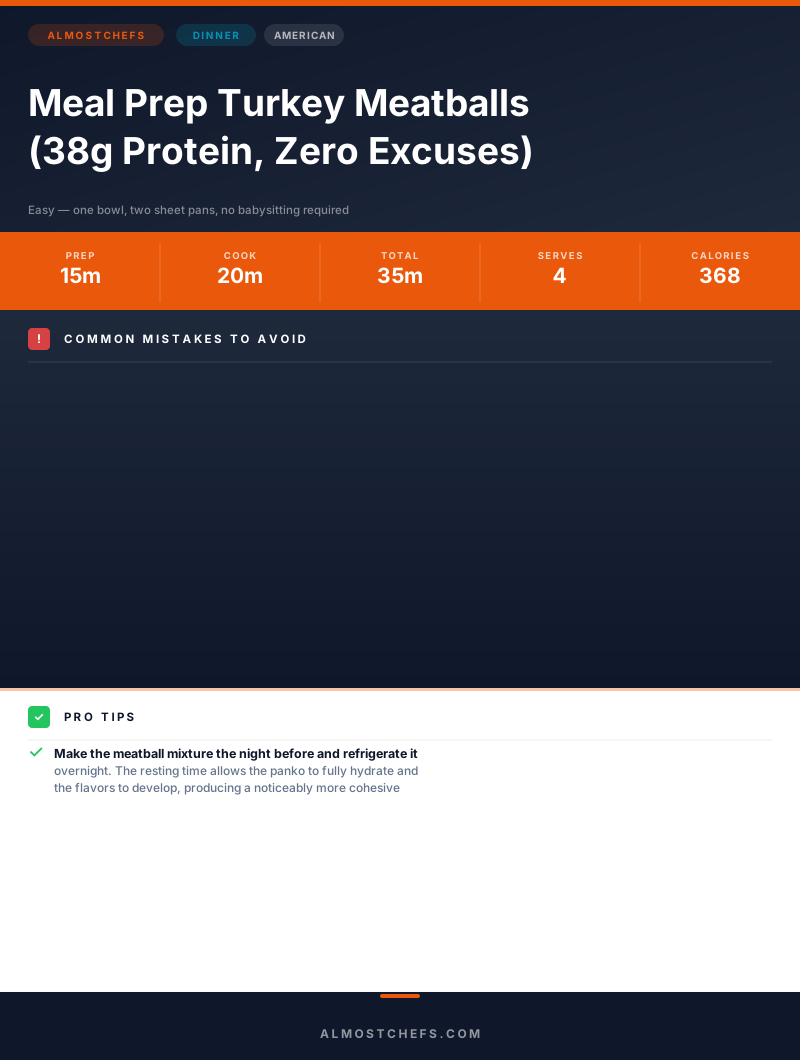
Meal Prep Turkey Meatballs (38g Protein, Zero Excuses)
High-protein turkey meatballs with roasted Brussels sprouts, bell peppers, and carrots — 38g protein per serving, built for batch cooking, and ready in 35 minutes. We broke down the technique so your meatballs stay moist instead of turning into dense, flavorless pucks.

“Most meal prep meatballs fail the same way: rubbery, dense, and tasting like they were made from sadness. The fix isn't a secret ingredient — it's understanding why overworking the meat and skipping the yogurt kills texture. This recipe delivers 38g of protein per container without sacrificing the kind of meatball worth eating on day four.”
Why This Recipe Works
Turkey meatballs have a reputation problem. They're the thing you make when you're trying to be responsible — the joyless protein puck that sits in a meal prep container next to sad steamed broccoli, counting down the hours until Friday. That reputation exists because most turkey meatball recipes were designed for beef and never properly adapted for a protein with fundamentally different physics.
The Lean Meat Problem
Ground beef at 80/20 fat content is forgiving. It's self-basting. The fat melts into the meat during cooking and keeps every bite moist even if you overwork the mixture or overbake by five minutes. Ground turkey at 93/7 is not forgiving. There is no fat reserve to bail you out. Every mistake you make during mixing or cooking shows up directly on the plate.
This is why the two rules matter more than anything else in this recipe: fold, don't mix, and pull at 165°F exactly. Overworking the mixture tightens the protein matrix into something closer to a tennis ball than a meatball. Overbaking drives out what little moisture remains. The window between edible and dry is narrow, and it doesn't widen just because you want it to.
The Greek yogurt is the structural solution. Its lactic acid interferes with the protein cross-linking that makes lean meat tough under heat, acting as a buffer that keeps the internal texture from seizing up aggressively. This is different from what milk or water does — those add liquid that cooks off. Yogurt's proteins and acids actively slow the toughening process, which is why it's used in marinades across Turkish, Indian, and Middle Eastern cooking for exactly this purpose.
Sheet Pan Geometry
Two pans is not a stylistic choice — it's a thermodynamic one. Brussels sprouts, bell peppers, and carrots release significant moisture as they roast. That moisture has to go somewhere. If the vegetables and meatballs share a pan, the evaporating water steams the meatball exterior instead of allowing it to brown, and the vegetables never caramelize because they're sitting in their own steam bath.
Keep them separate. Single layer on the vegetable pan with actual space between pieces. The difference between crowded and properly spaced vegetables is the difference between pale and soft versus the golden, almost-crispy edges that make roasted vegetables worth eating on day four of a meal prep cycle.
The balsamic vinegar on the vegetables is load-bearing. As the vegetables roast at 400°F, the vinegar reduces and concentrates, coating each piece in a sticky, slightly sweet glaze that caramelizes around the edges. Without it, you have roasted vegetables. With it, you have roasted vegetables worth eating.
The Meal Prep Durability Factor
Most recipes don't account for the fact that meal prep food gets eaten across four days, not four minutes after coming off the sheet pan. Meatballs made with excessive breadcrumbs get soft and dense in a sealed container overnight. Vegetables that were undercooked "to stay crispy" turn gray and unappealing. The texture on day one is not the texture on day four.
This recipe is calibrated for container life. The meatballs are dense enough to hold structure through reheating but moist enough that they don't dry out further. The vegetables are roasted to full doneness — which means they hold their caramelized surface better than underdone vegetables do when sealed and refrigerated. The flavors in the meatball mixture actually improve after 24 hours as the seasoning equalizes through the meat.
Use a rimmed baking sheet with real heft — flimsy pans warp at high heat and cause hot spots. Use an instant-read thermometer every single time until you can read turkey doneness by feel. The 35 minutes this recipe requires is not a limitation. It's the point. Efficient, repeatable, honest.
Where Beginners Mess This Up
Before we start, read this. These are the 4 reasons your meal prep turkey meatballs (38g protein, zero excuses) will fail:
- 1
Overworking the meat mixture: Ground turkey is lean — less fat means less forgiveness. The more you mix, the more the muscle fibers tighten, and the denser and rubbery the finished meatball becomes. Fold the mixture until just combined. Stop when you can no longer see dry ingredients. Any mixing after that point is working against you.
- 2
Skipping the Greek yogurt: Yogurt does two things in this recipe: its lactic acid keeps the proteins from seizing up too aggressively during cooking, and its moisture content replaces the fat you lose by using lean turkey. Without it, 93/7 turkey meatballs come out dry regardless of cook time. Do not substitute with extra egg or milk — neither provides the same buffering effect.
- 3
Undercooking or over-baking past 165°F: Turkey must hit 165°F internal temperature — this is non-negotiable for food safety. But every degree above 170°F is moisture leaving the meatball permanently. Use an instant-read thermometer. Pull them the moment they're safe, not when they look done on the outside.
- 4
Crowding the vegetable pan: Brussels sprouts, bell peppers, and carrots release water as they cook. If they're piled on top of each other, they steam instead of roast, and you get pale, soft vegetables instead of golden, caramelized ones. Single layer, with space between pieces. Use a second pan if needed.
The Video Reference Library
Want to see it in action? Here are the exact videos we analyzed and combined to build this foolproof recipe translation:
The source video for this recipe. Clear technique on mixing, rolling, and sheet pan setup. Watch the mixing sequence specifically — the 'just combined' endpoint is demonstrated well.
🛠️ Core Equipment
- Two large rimmed baking sheetsOne for meatballs, one for vegetables — non-negotiable. Sharing a pan means the moisture from roasting vegetables steams your meatballs and prevents browning. Keep them separate.
- Instant-read thermometerTurkey at 164°F is undercooked. Turkey at 175°F is dry. The window between safe and ruined is about 10 degrees. An instant-read thermometer is the only way to hit it consistently.
- Large mixing bowlYou need room to fold the meatball mixture without compressing it. A cramped bowl forces you to press and overwork the meat. Go bigger than you think you need.
- Meal prep containersWide, flat containers with tight lids keep the meatballs and vegetables from getting crushed and extend fridge life by limiting air exposure. Glass is preferred for reheating.
Meal Prep Turkey Meatballs (38g Protein, Zero Excuses)
🛒 Ingredients
- ✦1.5 lbs ground turkey (93/7 lean)
- ✦1/2 cup nonfat Greek yogurt
- ✦1 large egg
- ✦1/2 cup panko breadcrumbs
- ✦1/4 cup grated Parmesan cheese
- ✦3 cloves garlic, minced
- ✦1 medium yellow onion, finely diced
- ✦2 tablespoons fresh Italian parsley, chopped
- ✦1 teaspoon dried oregano
- ✦1/2 teaspoon kosher salt
- ✦1/4 teaspoon black pepper
- ✦2 tablespoons olive oil, divided
- ✦1 lb Brussels sprouts, halved
- ✦1 lb baby bell peppers, quartered
- ✦8 oz baby carrots
- ✦1 tablespoon balsamic vinegar
- ✦1/2 teaspoon garlic powder
👨🍳 Instructions
01Step 1
Preheat oven to 400°F and line two large baking sheets with parchment paper.
02Step 2
Combine ground turkey, Greek yogurt, egg, panko, Parmesan, minced garlic, diced onion, parsley, oregano, salt, and pepper in a large mixing bowl.
03Step 3
Fold the mixture together with your hands until just combined. Stop the moment you can no longer see dry streaks. Do not keep mixing.
04Step 4
Roll the mixture into 16 meatballs approximately 1.5 inches in diameter and place on the first prepared baking sheet.
05Step 5
Toss Brussels sprouts, bell peppers, and carrots with 1 tablespoon olive oil, balsamic vinegar, garlic powder, and a pinch of salt on the second baking sheet. Spread into a single layer with space between pieces.
06Step 6
Drizzle remaining 1 tablespoon olive oil over the meatballs. Place both sheets in the oven and bake 18-22 minutes, until meatballs register 165°F internally and vegetables are golden at the edges.
07Step 7
Remove both sheets and rest for 5 minutes before dividing evenly into four meal prep containers.
08Step 8
Seal and refrigerate for up to 4 days, or freeze for up to 2 months.
Nutrition Per Serving
Estimates based on standard preparation. Adjustments alter macros.
🔄 Substitutions
Instead of Panko breadcrumbs...
Use Crushed pork rinds or almond flour
Pork rinds reduce carbs by roughly 5g per serving and create a crispier exterior. Almond flour produces a richer, slightly denser meatball. Both work well for low-carb variations.
Instead of Nonfat Greek yogurt...
Use Full-fat Greek yogurt or blended cottage cheese
Full-fat yogurt adds about 2g fat per serving but increases creaminess noticeably. Cottage cheese adds 2-3g extra protein per serving — blend it smooth first if you want a uniform texture.
Instead of Ground turkey (93/7)...
Use 99/1 turkey breast or a 50/50 turkey breast and ground chicken thigh blend
Turkey breast saves roughly 15 calories per serving but runs drier — increase yogurt by a tablespoon to compensate. The breast-thigh blend is the better trade: minimal extra fat, significantly better moisture.
Instead of Baby bell peppers and carrots...
Use Broccoli and cauliflower florets, or zucchini and asparagus
Broccoli and cauliflower reduce sugar content by about 3g per serving and add cruciferous benefits. Asparagus adds folate and an earthy note that pairs well with the balsamic. Adjust roasting time — asparagus cooks faster than carrots.
🧊 Storage & Reheating
In the Fridge
Airtight containers for up to 4 days. The meatballs actually improve on day two as the seasoning distributes evenly through resting.
In the Freezer
Freeze meatballs and vegetables separately for up to 2 months. Vegetables lose texture when frozen and thawed together with meatballs — keeping them apart lets you reheat each component optimally.
Reheating Rules
Add 1 tablespoon of water to the container, cover loosely, and microwave at 70% power for 2-3 minutes. Full-power microwaving dries out lean turkey quickly. Alternatively, reheat meatballs in a covered skillet over medium-low with a splash of broth.
❓ Frequently Asked Questions
Why are my turkey meatballs dry and dense?
Two likely causes: you overworked the meat mixture, or you skipped (or reduced) the Greek yogurt. Lean turkey has almost no fat to maintain moisture, so the yogurt is doing structural work, not just adding flavor. Mix until just combined, never beyond, and don't reduce the yogurt.
Can I pan-fry these instead of baking?
Yes, but you lose the hands-off convenience that makes this recipe worth doing as a meal prep. Pan-frying in a cast iron skillet with olive oil over medium heat produces a better crust and more browning — about 3-4 minutes per side plus a lid-on steam finish to hit 165°F. Worth it for a single batch; less practical for four containers at once.
How do I keep Brussels sprouts from getting soggy in meal prep containers?
Make sure they're fully roasted before storing — pale or soft sprouts off the oven sheet will continue releasing moisture in a sealed container and turn to mush. They should have visible browning and slightly crispy outer leaves when they come out. Storing slightly underdone on the assumption they'll 'finish' in the fridge is the core mistake.
Can I make these dairy-free?
Replace the Greek yogurt with full-fat coconut yogurt (unsweetened) and omit the Parmesan or use nutritional yeast instead. The texture will be slightly different — coconut yogurt is less acidic than dairy yogurt, so the meatballs may be marginally denser — but the result is still far superior to using no binder at all.
What's the best way to scale this recipe up for the week?
Double the meatball batch (3 lbs turkey) and use three sheet pans instead of two: two for meatballs, one for vegetables. Bake in two oven rotations if your oven can't fit three pans at once. The mixture holds in the refrigerator for up to 24 hours before baking, so you can prep the mixture one evening and bake the next morning.
Can I add a sauce without ruining the macros?
A marinara sauce at roughly 30-40 calories per half-cup adds minimal macros while dramatically improving palatability on days three and four when meal prep fatigue sets in. Avoid cream-based sauces — they add significant fat and don't reheat as cleanly. A simple reduced tomato sauce is the most macro-neutral upgrade available.
The Science of
Meal Prep Turkey Meatballs (38g Protein, Zero Excuses)
We turned everything on this page into a beautiful, flour-proof PDF cheat sheet. Print it out, stick it to your fridge, and never mess up your meal prep turkey meatballs (38g protein, zero excuses) again.
*We'll email you the high-res PDF instantly. No spam, just perfectly cooked meals.
AlmostChefs Editorial Team
We translate the internet's most popular cooking videos into foolproof, beginner-friendly written recipes. We analyze multiple methods, test them in our kitchen, and engineer a single "Master Recipe" that gives you the best possible result with the least possible stress.