The 5-Container Meal Prep System (Never Think About Lunch Again)
A high-efficiency Sunday batch cooking method that produces five distinct lunches from one 90-minute session. We broke down the most-watched meal prep videos on YouTube to extract the protein-grain-vegetable formula that actually holds up in the fridge all week without turning into sad, soggy containers.
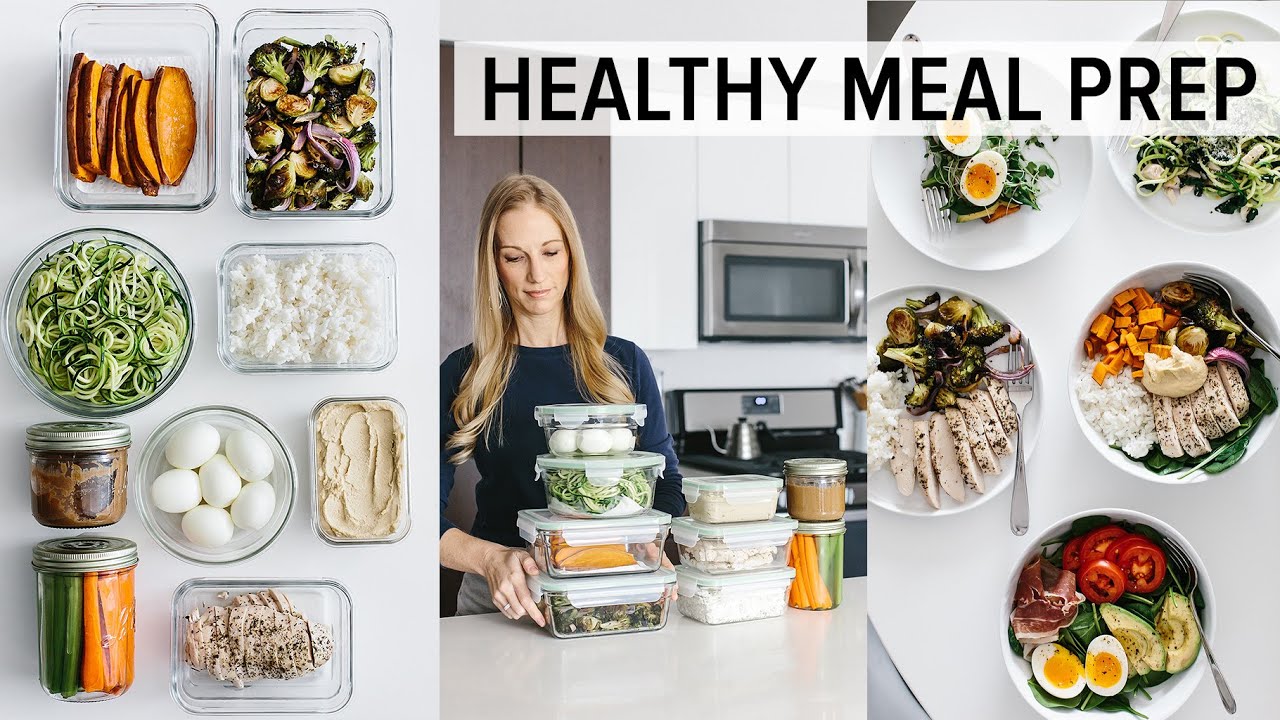
“Most people fail at meal prep not because they pick bad recipes, but because they treat it like cooking five separate dinners on the same day. That's exhausting and it's wrong. The system that actually works treats your ingredients as a modular matrix — one protein, two grains, three vegetables — then rotates the combinations across five containers so nothing tastes identical by Thursday. We analyzed the top meal prep channels to extract the framework that serious meal preppers all converge on, whether they call it that or not.”
Why This Recipe Works
Meal prep fails not at the cooking stage but at the planning stage. The people who make meal prep a permanent habit are not cooking five distinct recipes on Sunday — they are running a factory line that produces five slightly different outputs from a single streamlined operation. The distinction sounds semantic until you try both methods back to back. The multi-recipe approach takes three and a half hours, generates a sink full of dishes, and leaves you exhausted enough that you abandon the whole system by week three. The matrix approach takes ninety minutes and builds a habit that runs on autopilot.
The Protein-Grain-Vegetable Matrix
The framework that all serious meal preppers converge on — whether they articulate it this way or not — is a three-column matrix: one protein column, one grain column, one vegetable column. Every container pulls one element from each column. The variation between containers comes from mixing and matching these columns, not from cooking different things. This week's matrix is chicken breast, brown rice and quinoa (two grains), and broccoli, zucchini, sweet potato, and roasted chickpeas. That produces more than a dozen possible combinations from three cooking operations.
The chickpeas are a structural trick borrowed from the best-performing meal prep videos. They function simultaneously as a protein supplement, a textural element, and a visual indicator that the container is full. More importantly, they are inert — they do not continue to absorb moisture aggressively the way grains do, and they do not exude liquid the way cooked vegetables can. In a sealed container, chickpeas are the most stable component you can add.
Why 400°F Is the Correct Roasting Temperature
There is a ceiling on how hot you can roast vegetables that are destined for meal prep containers, and it sits at approximately 400°F. Above that threshold — at the 425-450°F range where fresh vegetables caramelize most dramatically — the exterior of each piece loses too much moisture. A freshly roasted broccoli floret at 450°F is excellent. That same floret sealed in a container and refrigerated for two days is a desiccated, leathery disappointment. At 400°F, you still get meaningful caramelization on the cut surfaces, but the interior retains enough moisture to stay palatable four days later. This is a direct trade-off between immediate eating quality and storage longevity, and meal prep always optimizes for the latter.
The sweet potato cubes exist in this system partly as moisture insurance. As sweet potatoes sit in the container, they very slowly release residual steam, which keeps the ambient humidity inside the container elevated enough that the chicken and broccoli don't dry out at the same rate they would without a high-moisture vegetable present. This is the kind of non-obvious chemistry that distinguishes functional meal prep from the aspirational kind.
The Sauce Separation Rule
The tahini sauce is stored separately, and this is not optional. Every grain — rice, quinoa, farro, barley — is a slow-motion sponge. The absorption rate doesn't stop when the grain hits refrigerator temperature, it only slows. A container dressed on Sunday and opened on Thursday has absorbed roughly 60-70% of whatever liquid was added. What remains is thick, concentrated, and unpleasant, while the grain itself has swollen to a starchy, homogeneous mass. Keeping sauce in a separate small container and adding it at the moment of eating produces the same flavor payoff without the textural penalty.
The tahini sauce in this recipe was chosen specifically because it functions well at three different temperatures: cold straight from the fridge, room temperature at a desk, and warm after a brief microwave session. Many dressings separate or become unpleasant at one of these temperatures. Tahini emulsifies differently than oil-based dressings — the sesame paste keeps the mixture homogeneous even after several days of refrigeration, and it doesn't break when briefly heated.
Cooling Before Sealing
The instruction to cool components before sealing is consistently skipped by beginners and consistently obeyed by people who have been meal prepping for more than a month. Hot food sealed in an airtight container generates significant condensation on the lid as the internal temperature drops. That condensation drips back onto the food and raises the moisture level of the top layer selectively — you end up with wet broccoli on top and dry grain on the bottom, a textural incoherence that makes the container unpleasant even though the food itself was cooked correctly. Ten minutes on the counter before sealing is a negligible investment against four days of properly textured lunches.
Where Beginners Mess This Up
Before we start, read this. These are the 4 reasons your the 5-container meal prep system (never think about lunch again) will fail:
- 1
Cooking everything at maximum heat to save time: Speed-roasting vegetables at 475°F to cut five minutes off your prep produces burnt edges and raw centers. The sweet spot is 400°F — hot enough to caramelize the exterior without desiccating the interior. Vegetables need to survive three to four days in a sealed container, and ones that are already borderline-dry on Sunday are inedible by Wednesday.
- 2
Storing grains and sauce in the same container: Cooked grains — rice, farro, quinoa — absorb liquid continuously even when refrigerated. If you add dressing or sauce before storage, you will open a container on Wednesday that smells fine but has the texture of wallpaper paste. Always store sauce separately and add it at the moment of eating.
- 3
Prepping leafy greens in advance: Spinach, arugula, and spring mix wilt within 24 hours once dressed or combined with warm components. If your meal prep involves greens, keep them in a separate dry container and add them when assembling. Heartier greens like kale and shredded cabbage can be prepped in advance because their structure is robust enough to survive the week.
- 4
Using only one protein for the entire week: Five containers of plain grilled chicken breast is a psychological trap. By Tuesday you have already started dreading Wednesday. The fix is simple: prep one base protein, then apply different spice rubs or sauces to different portions before storage. Same cooking time, five different flavor profiles.
The Video Reference Library
Want to see it in action? Here are the exact videos we analyzed and combined to build this foolproof recipe translation:
The source video for this framework. Covers the modular ingredient matrix approach, container organization strategy, and how to rotate flavors across five lunches without repeating a meal.
A foundational walkthrough of the batch cooking mindset, covering how to shop efficiently and set up your prep station before you start cooking.
Focused on protein-forward meal prep strategies, with close attention to how different cuts and proteins store at different rates in the fridge.
🛠️ Core Equipment
- Half-sheet baking pans (two)Roasting all your vegetables in a single pass requires real estate. Two half-sheet pans let you run parallel trays at different heights in the oven, cutting roast time in half compared to batching on one pan. Crowding vegetables on a single pan steams them instead of roasting — you lose all the caramelization.
- Airtight glass meal prep containersGlass containers maintain temperature more evenly when reheating, preventing the hot-edges-cold-center problem that plagues plastic. They also don't absorb odors from strong proteins like salmon or lamb, which plastic containers do permanently after two or three uses.
- Instant-read thermometerBatch-cooked protein needs to hit the correct internal temperature for both food safety and texture. Chicken breast overcooked by even 10 degrees turns grainy and dry by the next day. A thermometer removes the guesswork and lets you pull each piece at exactly the right moment.
- Large rimmed sauté pan or [Dutch oven](/kitchen-gear/review/dutch-oven)For cooking the grain base. A wide surface area lets excess steam escape, producing dry, fluffy grains that don't clump in the container. Small saucepans trap steam and produce sticky, aggregated grains that are miserable to portion out cold.
The 5-Container Meal Prep System (Never Think About Lunch Again)
🛒 Ingredients
- ✦2 pounds boneless, skinless chicken breast
- ✦1.5 cups dry brown rice
- ✦1 cup dry quinoa
- ✦1 large head of broccoli, cut into florets
- ✦2 medium zucchini, sliced into half-moons
- ✦1 large sweet potato, cubed (3/4-inch pieces)
- ✦1 can (15 oz) chickpeas, drained and rinsed
- ✦3 tablespoons olive oil, divided
- ✦2 teaspoons smoked paprika
- ✦1.5 teaspoons garlic powder
- ✦1 teaspoon cumin
- ✦1 teaspoon onion powder
- ✦1/2 teaspoon cayenne pepper
- ✦Sea salt and freshly ground black pepper to taste
- ✦1/4 cup low-sodium soy sauce
- ✦2 tablespoons tahini
- ✦2 tablespoons lemon juice
- ✦1 tablespoon honey or maple syrup
- ✦2 garlic cloves, minced
- ✦2-3 tablespoons warm water (to thin sauce)
- ✦1/4 cup fresh parsley, chopped (for garnish)
👨🍳 Instructions
01Step 1
Preheat your oven to 400°F. Line two half-sheet baking pans with parchment paper.
02Step 2
Rinse the brown rice and quinoa in a fine-mesh sieve. Cook the brown rice in 3 cups of salted water — bring to a boil, cover, reduce to low, and cook for 40-45 minutes. Cook the quinoa separately in 2 cups of salted water — bring to a boil, cover, reduce to low, and cook for 15 minutes. Fluff both with a fork and leave uncovered to steam-dry for 5 minutes.
03Step 3
Toss the broccoli florets, zucchini, and sweet potato cubes separately with olive oil, salt, and pepper. Spread them across the two baking pans in a single layer with space between pieces. Roast for 25-30 minutes, rotating the pans halfway through, until caramelized at the edges.
04Step 4
Pat the chicken breasts dry with paper towels. Coat evenly with smoked paprika, garlic powder, cumin, onion powder, cayenne, salt, and pepper.
05Step 5
Heat 1 tablespoon of olive oil in a large sauté pan over medium-high heat until shimmering. Sear chicken breasts for 5-6 minutes per side until golden brown. Check internal temperature — pull at 160°F and tent with foil for 5 minutes (carryover heat brings it to 165°F). Slice into strips against the grain.
06Step 6
While everything cooks, make the tahini sauce: whisk together soy sauce, tahini, lemon juice, honey, and minced garlic. Thin with warm water one tablespoon at a time until pourable. Taste and adjust salt.
07Step 7
Toss the drained chickpeas with 1 teaspoon olive oil, a pinch of smoked paprika, and salt. Spread on a sheet pan corner or small tray and roast for the last 15 minutes alongside the vegetables until slightly crispy.
08Step 8
Assemble five containers. Divide the brown rice and quinoa across containers, alternating the grain base so not every container is identical. Add portions of chicken, roasted vegetables, and chickpeas.
09Step 9
Store the tahini sauce in a small separate container or divide into five tiny lidded cups. Do not pour sauce directly into the meal prep containers.
10Step 10
Let all components cool to room temperature before sealing containers and refrigerating. Refrigerate for up to 4 days.
Nutrition Per Serving
Estimates based on standard preparation. Adjustments alter macros.
🔄 Substitutions
Instead of Brown rice...
Use Farro or barley
Both grains have a chewier texture that holds up exceptionally well in the fridge across four days. Farro in particular absorbs sauce more slowly than rice, making it the superior meal prep grain if you tend to dress your containers ahead of time.
Instead of Chicken breast...
Use Boneless chicken thighs
Thighs have higher fat content, which means they stay moist through multiple days of refrigeration better than breast. The texture of leftover thigh meat is reliably tender on day four in a way that breast rarely is.
Instead of Tahini sauce...
Use Greek yogurt herb sauce or store-bought vinaigrette
The tahini sauce is intentionally neutral enough to work with every combination. If you need a dairy-free alternative, a simple lemon-olive oil-herb dressing serves the same function without the sesame richness.
Instead of Broccoli...
Use Cauliflower, Brussels sprouts, or green beans
All three are cruciferous or similarly dense vegetables that roast at the same time and temperature and store well for the full four days. Avoid asparagus and tender squash — they turn waterlogged after day two.
🧊 Storage & Reheating
In the Fridge
Store assembled containers for up to 4 days. Keep sauce separate in small lidded containers or reusable silicone cups.
In the Freezer
Grains and roasted protein freeze well for up to 2 months. Roasted vegetables do not freeze well — they turn mushy on thawing. Freeze components separately, not fully assembled containers.
Reheating Rules
Reheat in the microwave for 90 seconds with a damp paper towel draped over the container to trap steam. Or eat at room temperature — the flavor profile of this system works well cold, which is convenient for desk lunches.
❓ Frequently Asked Questions
How do I keep the grains from drying out in the fridge?
Two things. First, let the grains steam-dry for five minutes after cooking before portioning — grains that are still releasing steam when sealed will condense moisture onto the lid, which drips back down and creates wet, clumped grains. Second, add a small drizzle of olive oil and a pinch of salt to the cooked grains before storage. The fat coats each grain and slows moisture loss.
Can I prep for the whole week (5 days) instead of 4?
Technically yes, but cooked chicken breast on day five is borderline from both a safety and quality standpoint. If you need five full days, freeze the Friday container immediately after assembly and pull it from the freezer Thursday night. This extends your effective prep window without compromising food safety or texture.
Why does my chicken taste rubbery when reheated?
You're either overcooking it during prep or overheating it during reheating — or both. Chicken breast should hit 165°F internally and no higher. When reheating, use 70% microwave power for a longer time rather than full power for a short time. High heat tightens the protein structure aggressively; lower, slower heat warms it through without re-cooking it.
Do I have to use two different grains?
No, but using two grains is the lowest-effort way to create variety across five containers. If you use only brown rice, containers one through five are functionally identical before you even open them, which trains your brain to dread them by Wednesday. Small textural and visual differences matter for long-term adherence.
What vegetables should I avoid for meal prep?
Anything with high water content and a delicate structure: cucumber, tomato, avocado, dressed salad greens, steamed spinach, and zucchini cooked past al dente. Zucchini is included in this recipe but roasted at high heat until the cut sides are caramelized — this drives off enough moisture that it holds its shape. Raw or lightly cooked zucchini does not survive four days.
Is this system actually cheaper than buying lunch?
Yes, significantly. At standard grocery pricing, this entire batch — five full lunches with 42g of protein each — costs approximately $18-22 total, or $3.60-4.40 per meal. A comparable purchased lunch in any urban area runs $12-16. Over a standard work year of 50 weeks, the savings are $4,000-6,000 at conservative estimates.

The Science of
The 5-Container Meal Prep System (Never Think About Lunch Again)
We turned everything on this page into a beautiful, flour-proof PDF cheat sheet. Print it out, stick it to your fridge, and never mess up your the 5-container meal prep system (never think about lunch again) again.
*We'll email you the high-res PDF instantly. No spam, just perfectly cooked meals.
AlmostChefs Editorial Team
We translate the internet's most popular cooking videos into foolproof, beginner-friendly written recipes. We analyze multiple methods, test them in our kitchen, and engineer a single "Master Recipe" that gives you the best possible result with the least possible stress.