The Meal Prep Dinner System (Stop Cooking Every Night)
A high-yield weekly dinner prep method using a proven protein-grain-vegetable formula that produces five nights of distinct, satisfying meals from a single two-hour session. We analyzed the most-watched meal prep channels to isolate the techniques that actually scale without turning everything into sad, identical containers.
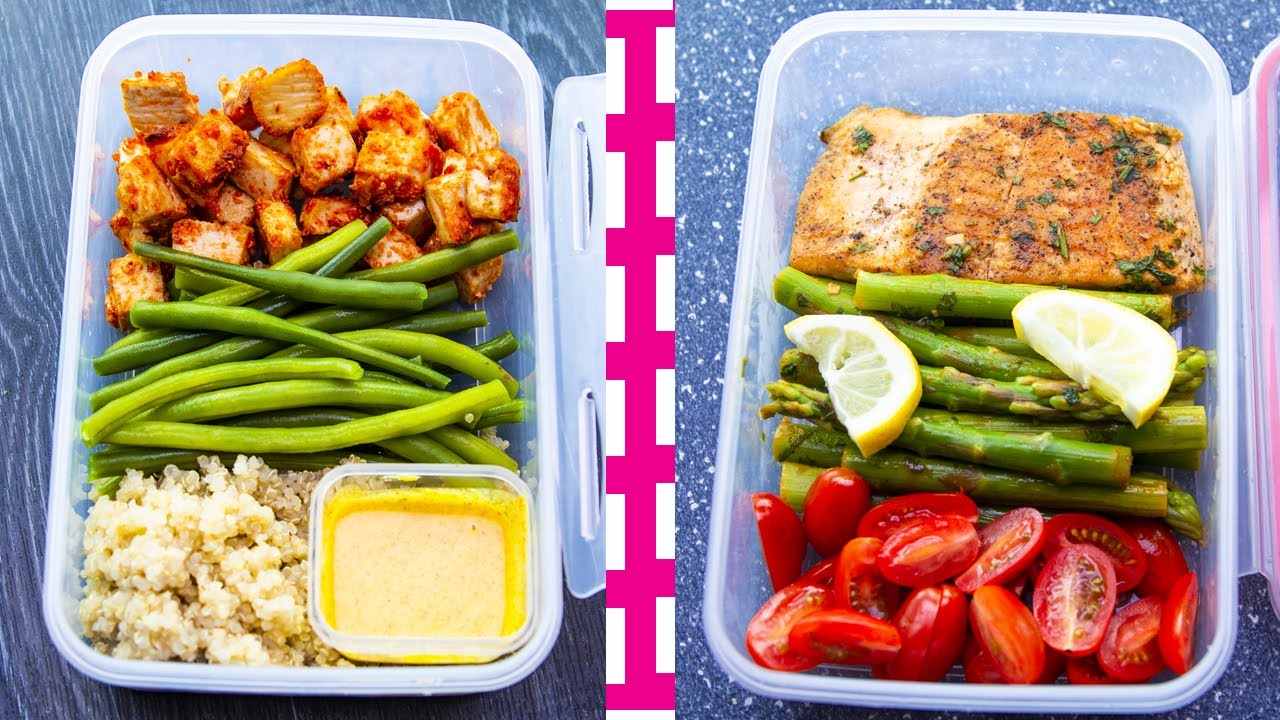
“Most people fail at meal prep not because they chose bad recipes but because they chose the wrong architecture. They cook five identical meals, get bored by Wednesday, and order pizza. The meal prep system that actually works does not produce five portions of the same thing — it produces modular components that combine into different dinners each night. One session. Five dinners. Zero repeat fatigue.”
Why This Recipe Works
Meal prep fails for one reason almost universally: people mistake it for a cooking strategy when it is actually a logistics strategy. The question is not "what should I cook on Sunday?" The question is "what is the minimum set of components from which I can assemble the maximum variety of distinct dinners?" Get that framing right and the entire week changes.
The Component Architecture
This system is built on three pillars — a protein, a grain, and a vegetable — prepared in sufficient quantity to produce five dinners but stored as separate modules rather than assembled meals. The logic is borrowed from professional kitchens, where a mise en place mentality separates preparation from execution. You are not cooking meals on Sunday. You are building a parts inventory.
The practical result: chicken breast stored separately from rice stored separately from roasted vegetables produces a genuinely different dinner each night depending on how you combine them and which sauce you add. Monday might be a grain bowl with cilantro-lime chicken and roasted broccoli. Wednesday uses the same components rearranged as a rice-stuffed pepper situation with ginger-soy glaze. The components do not change. The experience does. This is not a trick — it is the direct result of not pre-assembling everything into identical containers that train your brain to expect boredom before you even open the fridge.
Why Temperature Management Wins the Week
The single technical decision that separates good meal prep from mediocre meal prep is pulling proteins before they hit final temperature. A chicken breast cooked to a hard 165°F on Sunday and then reheated on Thursday has been brought to safe internal temperature twice. That is twice it has forced moisture out of muscle fibers. The result tastes exactly like what it is: overcooked chicken that has been overcooked again.
The fix is to pull proteins at 155°F during the batch cook. An instant-read thermometer is the only way to do this reliably — color and feel are not precise enough instruments for a 10-degree difference. At 155°F, carryover cooking brings the chicken to safe territory as it rests. During reheating, it hits 165°F for the first and only time. One pass through final temperature. Maximum moisture retention.
The Sheet Pan System
Two sheet pans running simultaneously in a hot oven are the mechanical backbone of this prep method. The key principle is temperature and space: 425°F, single layer, no crowding. Crowded vegetables steam. Steamed vegetables do not caramelize. Uncamelized vegetables are texturally soft and flavor-flat after three days of refrigeration. The investment in a second sheet pan — or a third for larger batches — is the difference between roasted vegetables that hold for four days and ones that collapse into a watery pile by Tuesday.
The split vegetable approach extends the week further: roast the broccoli and peppers during the batch session for days one and two, and keep cherry tomatoes and zucchini raw for the back half of the week. Fresh vegetables introduced mid-week create a textural reset that makes the meal feel current rather than archival. A large Dutch oven handles the grain in parallel — rice cooked in half-broth, half-water absorbs enough flavor to stand alone while the oven handles the proteins and vegetables simultaneously.
The Two-Sauce Rule
Sauce is the variable that the meal prep internet systematically underestimates. A properly spiced cilantro-lime sauce applied to cold-stored chicken on Monday tastes like a deliberate choice. The same cold-stored chicken eaten plain on Thursday tastes like punishment. The two-sauce rotation — one bright and acidic, one rich and savory — transforms the same underlying ingredients into what registers as different meals. Apply sauces at serving time only. Never store assembled, sauced bowls. Acid breaks down proteins over 48 hours. Soy-based sauces render grain gummy. The sauce is the last move, not an ingredient in the container.
This is the whole system. Components in, variety out. It does not require skill — it requires accepting that the way most people think about meal prep is architecturally wrong, and then building it differently.
Where Beginners Mess This Up
Before we start, read this. These are the 4 reasons your the meal prep dinner system (stop cooking every night) will fail:
- 1
Cooking proteins all the way through during prep: Chicken breast cooked to 165°F on Sunday tastes like cardboard by Wednesday because it has continued to dry out in the fridge for three days. Pull proteins at 155°F during batch cooking — carryover heat finishes them, and the slight undercook preserves moisture through reheating. The final temperature hits safe territory when you reheat.
- 2
Prepping all vegetables the same way: Roasted vegetables lose their texture after day two. Raw vegetables that need cooking get watery. The fix is a split approach: roast half your vegetables for days one and two, keep the rest raw and dress them fresh each night. This is the difference between a meal prep that stays good all week and one that degrades into mush by midweek.
- 3
Using the wrong containers: Stacking wet proteins on top of grains in a single container is a fast track to soggy rice. Store components separately in airtight containers and assemble at mealtime. Three smaller containers take up marginally more fridge space but produce dramatically better results than one big container of everything mixed together.
- 4
Skipping the sauce entirely: Batch-cooked proteins are inherently less flavorful than freshly cooked ones. The sauce is not optional — it is the mechanism by which you rescue reheated chicken from tasting like reheated chicken. Prepare two different sauces and rotate them across the week to create variety from the same core ingredients.
The Video Reference Library
Want to see it in action? Here are the exact videos we analyzed and combined to build this foolproof recipe translation:
The core inspiration for this system. Covers the modular component approach, container strategy, and sauce rotation method that makes a week of meal prep feel like five different dinners instead of five portions of the same one.
Detailed breakdown of the pull-early protein technique and how to safely undercook during batch prep. Includes timing charts for chicken, ground beef, and salmon in both oven and stovetop formats.
A straightforward walkthrough for first-time meal preppers. Covers container selection, fridge storage order, and the most common mistakes that cause people to abandon meal prep after the first attempt.
🛠️ Core Equipment
- Sheet pan (18x13 rimmed baking sheet)For roasting vegetables and proteins simultaneously. A single sheet pan can handle one full pound of chicken and two full sheet pans of vegetables in a standard oven. Two sheet pans running in parallel cuts your oven time in half.
- Large glass meal prep containers (4-cup capacity)Glass retains heat more evenly than plastic during reheating and does not absorb odors or stain from sauces. The 4-cup size accommodates a full dinner portion — protein plus grain plus vegetables — without spillage.
- Instant-read thermometerThe difference between 155°F and 165°F in chicken breast is the difference between juicy and dry. Guessing by color or feel is how you end up with either undercooked protein or chalky, overcooked meat that ruins the entire week's prep.
- Large Dutch ovenFor cooking grains in bulk. A 5-quart Dutch oven handles up to 3 cups of dry rice or quinoa in a single batch — enough for the full week. Its heavy lid prevents the steam boil-off that causes uneven cooking.
The Meal Prep Dinner System (Stop Cooking Every Night)
🛒 Ingredients
- ✦2 pounds boneless, skinless chicken breasts
- ✦1 pound 90/10 ground beef
- ✦3 cups long-grain white rice, dry
- ✦1 can (15 oz) black beans, drained and rinsed
- ✦4 cups broccoli florets
- ✦2 large bell peppers, sliced (mixed colors)
- ✦2 medium zucchini, sliced into half-moons
- ✦1 large red onion, thinly sliced
- ✦1 pint cherry tomatoes
- ✦4 tablespoons olive oil, divided
- ✦2 tablespoons garlic powder
- ✦2 tablespoons smoked paprika
- ✦1 tablespoon cumin
- ✦1 tablespoon onion powder
- ✦1.5 teaspoons chili powder
- ✦Sea salt and freshly ground black pepper to taste
- ✦3 cups chicken broth (for cooking rice)
- ✦Juice of 2 limes
- ✦1/4 cup fresh cilantro, chopped
- ✦1/4 cup low-sodium soy sauce
- ✦2 tablespoons honey
- ✦1 tablespoon sesame oil
- ✦2 teaspoons fresh ginger, grated
- ✦4 cloves garlic, minced
👨🍳 Instructions
01Step 1
Preheat the oven to 425°F. Line two large sheet pans with parchment paper.
02Step 2
Combine garlic powder, smoked paprika, cumin, onion powder, chili powder, 1.5 teaspoons salt, and 1 teaspoon black pepper in a small bowl to create the master spice blend.
03Step 3
Pat chicken breasts dry with paper towels. Rub each breast with 1 tablespoon olive oil and coat generously with the spice blend. Place on one half of the first sheet pan.
04Step 4
Toss broccoli florets and sliced bell peppers with 1.5 tablespoons olive oil and a pinch of the spice blend. Spread in a single layer on the remaining half of the first sheet pan and all of the second sheet pan.
05Step 5
Roast both sheet pans at 425°F for 22-25 minutes, rotating pans halfway through. Pull chicken at an internal temperature of 155°F — not 165°F.
06Step 6
While the oven works, cook the rice. Combine 3 cups dry rice with 3 cups chicken broth and 3 cups water in a large Dutch oven. Bring to a boil, reduce to the lowest simmer, cover tightly, and cook for 16 minutes. Remove from heat and let steam undisturbed for 5 minutes.
07Step 7
Heat 1 tablespoon olive oil in a large skillet over medium-high heat. Add ground beef and cook, breaking into small pieces, for 7-8 minutes until browned. Season with 1 teaspoon of the spice blend and add black beans for the final 2 minutes.
08Step 8
While everything cools, make the two sauces. For the cilantro-lime sauce: combine lime juice, cilantro, remaining olive oil, 1 minced garlic clove, and a pinch of salt. For the ginger-soy sauce: whisk together soy sauce, honey, sesame oil, grated ginger, and 3 minced garlic cloves.
09Step 9
Once all components reach room temperature (about 20 minutes), slice chicken breasts against the grain into 1/2-inch pieces.
10Step 10
Portion into separate airtight containers: rice in one set, chicken in another, ground beef and beans in a third, roasted vegetables in a fourth. Store raw cherry tomatoes and zucchini separately for use on days three through five.
11Step 11
Store sauces in small jars or squeeze bottles. Refrigerate all components immediately. Label containers with day-of-week markers if helpful.
Nutrition Per Serving
Estimates based on standard preparation. Adjustments alter macros.
🔄 Substitutions
Instead of Chicken breast...
Use Salmon fillets or shrimp
Salmon holds up excellently through four days of refrigeration and reheats well. Shrimp is best used within two days and works better as a stir-fry than a roasted protein.
Instead of White rice...
Use Quinoa or cauliflower rice
Quinoa adds more protein and has a similar texture after reheating. Cauliflower rice is low-carb but becomes watery after day two — press out moisture before storing.
Instead of Ground beef...
Use Ground turkey or lentils
Ground turkey is leaner and works identically in the prep process. Lentils are the plant-based equivalent — cook 1.5 cups dry lentils in broth for a protein-dense replacement.
Instead of Broccoli...
Use Brussels sprouts or sweet potato cubes
Brussels sprouts roast beautifully and hold their texture longer than broccoli. Sweet potato cubes add carbohydrates and natural sweetness — reduce rice portion accordingly.
🧊 Storage & Reheating
In the Fridge
All components store for 4-5 days in separate airtight containers. Do not store assembled bowls — sauced grain absorbs liquid and becomes gummy within 24 hours.
In the Freezer
Rice and cooked proteins freeze well for up to 3 months in portioned containers. Vegetables do not freeze well after roasting — they become mushy on thaw. Freeze raw vegetables instead.
Reheating Rules
Reheat protein and grain covered with a damp paper towel, 2 minutes at 70% microwave power. Add sauce and fresh components after reheating, never before.
❓ Frequently Asked Questions
How do I keep meal prep from getting boring by day three?
Use two different sauces and rotate protein components. Chicken with cilantro-lime sauce over rice tastes completely different from the same chicken with ginger-soy sauce over the same rice. The architecture stays the same — the flavor profile changes. That is the entire secret to sustainable meal prep.
Why does my meal prep chicken taste dry?
You either cooked it to 165°F during prep (too far — it will overcook again on reheating), or you reheated it uncovered at full microwave power. Both destroy moisture. Pull at 155°F during batch cooking and reheat covered at 70% power.
Can I prep five full days of dinners in one session?
Yes, but structure it as components, not assembled meals. A full cooked bowl stored as a unit will degrade faster than its individual parts stored separately. Think of yourself as a restaurant mise en place cook, not someone plating meals in advance.
How many containers do I actually need?
Minimum setup: four containers per protein type, four containers for grain, two to three containers for vegetables. For the full system described here, eight to ten 4-cup glass containers covers the week comfortably. Plastic containers work but stain and absorb odors from spiced proteins.
Is it safe to eat chicken that was cooked four days ago?
Yes, provided it was cooled to room temperature before sealing, refrigerated promptly, stored below 40°F, and reheated to 165°F before eating. Day five is the edge of the safe window — when in doubt, smell it, check the texture, and trust your senses.
Should I season the components before or after storing?
Apply your base spice rub before cooking. Do not add sauces, acids (lime juice, vinegar), or fresh herbs until serving. Acid breaks down proteins over time, and fresh herbs wilt and turn the surrounding food murky. Season twice: once during cooking, once at the table.

The Science of
The Meal Prep Dinner System (Stop Cooking Every Night)
We turned everything on this page into a beautiful, flour-proof PDF cheat sheet. Print it out, stick it to your fridge, and never mess up your the meal prep dinner system (stop cooking every night) again.
*We'll email you the high-res PDF instantly. No spam, just perfectly cooked meals.
AlmostChefs Editorial Team
We translate the internet's most popular cooking videos into foolproof, beginner-friendly written recipes. We analyze multiple methods, test them in our kitchen, and engineer a single "Master Recipe" that gives you the best possible result with the least possible stress.