The Smarter Weekly Meal Plan (Less Cooking, Better Eating)
A structured five-day lunch meal prep system built around batch cooking proteins, grains, and vegetables once so you eat well every day without touching a pan. We analyzed the most-watched meal prep channels to build a repeatable framework that actually survives contact with a real week.
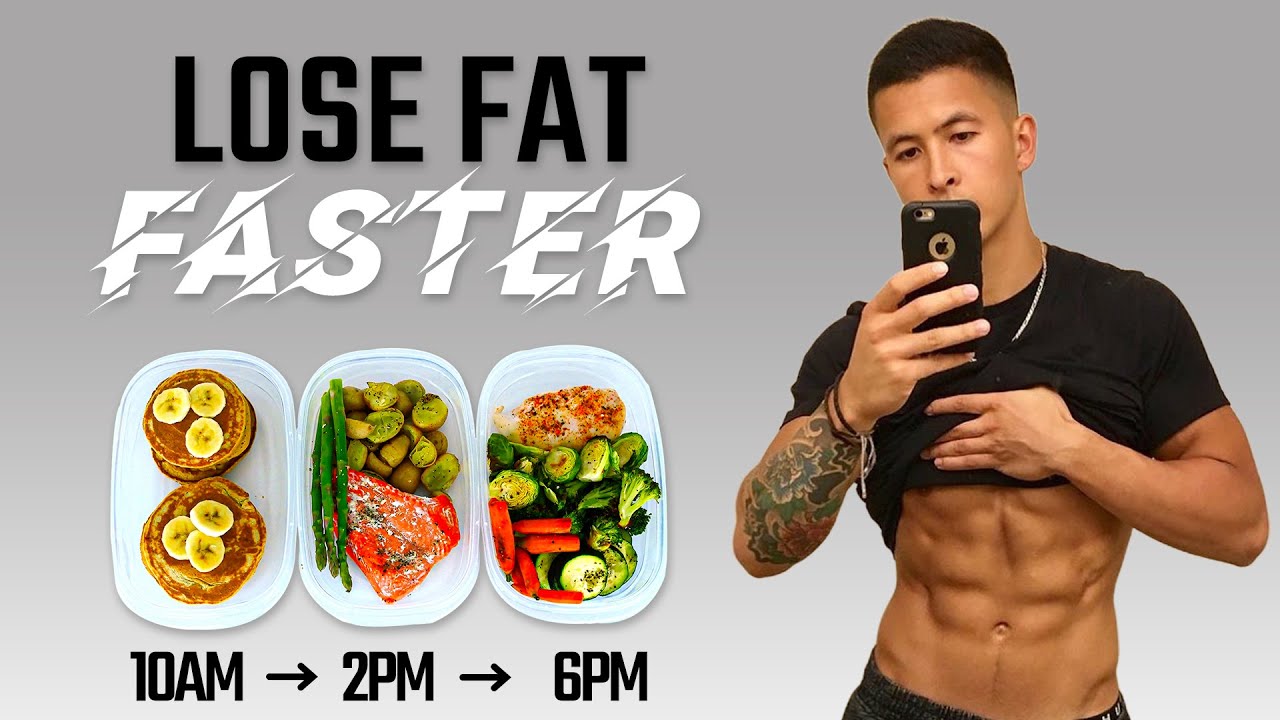
“Most meal prep fails not because the food is bad, but because the system collapses by Wednesday. You make six containers of the same thing, you eat it twice, and by day three you're ordering delivery. A real meal plan isn't about cooking everything at once — it's about strategic batch cooking that gives you components, not identical meals. We broke down the top meal prep frameworks on YouTube and built one that creates five distinct lunches from a single ninety-minute session.”
Why This Recipe Works
Meal prep is not a recipe. It is a manufacturing process, and the reason most people's meal prep fails has nothing to do with the food and everything to do with the architecture. You cannot run a factory by deciding what to produce each morning. You need a system — a fixed sequence, standardized inputs, and predictable outputs. This framework builds that system once and then runs it on autopilot every week.
The Component Model vs. The Clone Model
The instinct when people start meal prepping is to make five identical containers. One recipe, multiplied by five. This is the Clone Model, and it collapses fast. By day three, the sight of the container generates a mild but measurable form of dread. The flavor that seemed fine on Sunday has intensified into something aggressive. You order delivery and the prep goes to waste.
The Component Model works differently. Instead of making meals, you make ingredients — a batch of grain, two cooked proteins, two roasted vegetables, two sauces. These components recombine into genuinely distinct lunches because you're not forcing a specific outcome. Monday's lunch is chicken over rice with broccoli and tahini. Tuesday is ground beef over farro with sweet potato and soy-sesame. Wednesday you mix the leftover proteins and use the greens as a base instead of grain. The brain experiences variety because the combinations are genuinely different, even though the prep session was identical. This is the single most important structural insight in all of meal planning.
Parallel Processing Is the Entire Trick
The reason most meal prep takes three hours is serial execution — finish the grain, start the protein, wait for the protein, start the vegetables. The reason this framework runs in ninety minutes is that everything runs simultaneously: rice cooker on the counter, two sheet pans in the oven at 425°F, proteins on the stovetop. The moment you treat meal prep as a single-threaded process, you've tripled your time investment for no reason.
The oven is the anchor. Two sheet pans at 425°F — broccoli on the top rack running hot, sweet potato on the bottom running slightly cooler due to natural convection — roast in parallel while you cook both proteins on the stovetop. By the time the second protein finishes, the oven timer is going off and the grain cooker has been done for ten minutes. That's the session. The assembly is another ten minutes. Nothing waited for anything else.
The Sauce Separation Rule
This is the detail that separates functional meal prep from aspirational meal prep. Every sauce you add to a container before refrigerating creates a slow-motion disaster. Acids break down leafy greens overnight. Oil-based dressings make grains clump and absorb into the vegetable, homogenizing the flavors into a beige uniformity that tastes like nothing in particular. By day three, the container looks and tastes like it was assembled by someone who actively dislikes food.
Pack sauces separately in small containers and add them at serving time. The four-minute inconvenience of opening a second container at lunch is what makes Wednesday's meal taste like it was made that morning instead of three days ago. This rule applies even to sauces that seem stable — soy-sesame thickens in the fridge but does not ruin the grain the way an acidic vinaigrette does. Still separate. Always separate.
Temperature Matters More Than You Think
Batch-cooked food packed hot destroys itself. Steam trapped inside a sealed glass meal prep container condenses on the lid and drips back down onto the vegetables, creating the soggy, waterlogged texture that people blame on meal prep itself rather than their own packing technique. Let every component cool uncovered on the counter for twenty minutes before sealing. The food is still safe — USDA guidelines allow two hours at room temperature — and the containers will be dry, clean, and structurally intact when you open them four days later.
The same principle applies to reheating. Reheat only the grain and protein. Add the raw greens and sauce cold after the microwave. The temperature contrast between hot rice and cold fresh greens is not a flaw — it is a feature. It makes the meal feel composed instead of institutional, and that distinction is the difference between a system you maintain for six months and one you abandon after two weeks.
Where Beginners Mess This Up
Before we start, read this. These are the 4 reasons your the smarter weekly meal plan (less cooking, better eating) will fail:
- 1
Prepping full meals instead of components: Six identical chicken-and-rice bowls sounds efficient until you're staring at the fourth one and can't make yourself eat it. The fix is component cooking: a batch of grain, two proteins, two roasted vegetables, and two sauces. That's fifteen different lunch combinations from one session. Variety keeps the system alive through Friday.
- 2
Skipping the protein rotation: Single-protein weeks collapse fast. If everything is chicken breast, flavor fatigue hits by Tuesday and the remaining containers get abandoned. Prep two proteins — one lighter (chicken, fish, tofu) and one richer (ground beef, lentils, eggs) — and your brain experiences genuine variety even when the vegetables are the same.
- 3
Overseasoning during prep: Heavily spiced food stored for three days intensifies. Garlic, cumin, and chili that taste balanced on Sunday become aggressive by Wednesday. Season proteins and grains lightly during prep. Keep bold sauces separate in small containers. Add them at serving time so every lunch tastes like it was just made.
- 4
Using the wrong containers: Flimsy containers leak, warp in microwaves, and stain from tomato-based sauces. The system requires airtight, microwave-safe, stackable containers in a uniform size. Mismatched containers mean your fridge looks like a game of Tetris and you spend three minutes reorganizing every time you reach for lunch. Standardize once and never think about it again.
The Video Reference Library
Want to see it in action? Here are the exact videos we analyzed and combined to build this foolproof recipe translation:
The source video for this framework. Covers component-based batch cooking with clear timing sequences for running the oven, stovetop, and grain cooker simultaneously.
A beginner-focused walkthrough of the component prep model with practical container organization tips and a Monday-through-Friday rotation schedule.
Focused on maximizing protein across five lunches without repetition. Covers the two-protein strategy and sauce separation technique in detail.
🛠️ Core Equipment
- Sheet pan (two minimum)Roasting two vegetables simultaneously is the foundation of efficient batch cooking. A single [sheet pan](/kitchen-gear/review/sheet-pan) forces you to roast in sequence, doubling your time. Two pans at different oven racks, both going at once, is the core efficiency move.
- Large saucepan or rice cookerCooking a full batch of grain — rice, farro, or quinoa — requires capacity. A standard [saucepan](/kitchen-gear/review/saucepan) works but a [rice cooker](/kitchen-gear/review/rice-cooker) is fire-and-forget, freeing your attention for the proteins while the grain handles itself.
- Airtight glass meal prep containersGlass containers don't absorb odors or stain from sauces, survive microwave reheating without warping, and stack cleanly. Five uniform containers plus two small sauce containers is the complete system. [Glass meal prep containers](/kitchen-gear/review/meal-prep-containers) are the infrastructure investment that makes every future week easier.
- Instant-read thermometerBatch-cooked chicken that goes into the fridge undercooked is a food safety problem. An [instant-read thermometer](/kitchen-gear/review/instant-read-thermometer) eliminates the guesswork entirely. Chicken reads 165°F, ground beef reads 160°F. There is no other way to know.
The Smarter Weekly Meal Plan (Less Cooking, Better Eating)
🛒 Ingredients
- ✦2 cups long-grain white rice or farro
- ✦1.5 pounds boneless skinless chicken thighs
- ✦1 pound ground beef (85/15)
- ✦1 large head of broccoli, cut into florets
- ✦2 medium sweet potatoes, peeled and cubed
- ✦1 can (15 oz) chickpeas, drained and rinsed
- ✦3 tablespoons olive oil, divided
- ✦1 tablespoon garlic powder
- ✦1 tablespoon smoked paprika
- ✦1 teaspoon cumin
- ✦1 teaspoon onion powder
- ✦Salt and black pepper to taste
- ✦1/4 cup soy sauce
- ✦2 tablespoons sesame oil
- ✦1 tablespoon honey
- ✦2 cloves garlic, minced
- ✦1/4 cup tahini
- ✦2 tablespoons lemon juice
- ✦2 tablespoons warm water
- ✦1/4 cup fresh parsley or cilantro, chopped
- ✦5 cups mixed greens or shredded cabbage (for base variety)
👨🍳 Instructions
01Step 1
Preheat oven to 425°F. Start the rice or farro according to package directions — this runs in the background for the entire prep session.
02Step 2
Toss broccoli florets with 1 tablespoon olive oil, salt, and black pepper. Spread on one sheet pan. Toss sweet potato cubes with 1 tablespoon olive oil, smoked paprika, and a pinch of cumin. Spread on a second sheet pan.
03Step 3
Roast both pans simultaneously — broccoli on the top rack, sweet potatoes on the bottom rack — for 20-25 minutes. Flip once at the halfway mark.
04Step 4
While vegetables roast, pat the chicken thighs dry and season generously with garlic powder, smoked paprika, salt, and pepper on both sides.
05Step 5
Heat 1 tablespoon olive oil in a large skillet over medium-high heat. Add chicken thighs and cook 5-6 minutes per side until internal temperature reads 165°F. Transfer to a cutting board and rest for 5 minutes before slicing.
06Step 6
In the same skillet, add ground beef over medium-high heat. Break up with a wooden spoon and cook 7-8 minutes until browned and cooked through (160°F internal temperature). Season with cumin, onion powder, salt, and pepper. Drain excess fat.
07Step 7
Make the soy-sesame sauce: whisk together soy sauce, sesame oil, honey, and minced garlic. Make the tahini sauce: whisk tahini, lemon juice, warm water, salt, and a pinch of garlic powder until smooth and pourable.
08Step 8
Drain and rinse the chickpeas. Optional: toss with olive oil and salt, then toast in the still-hot oven for 10 minutes for a crunchy protein topping.
09Step 9
Assemble five containers: divide the cooked grain evenly as the base. Distribute sliced chicken into three containers and seasoned ground beef into two. Add broccoli to three containers and sweet potato to two, alternating for variety.
10Step 10
Add a handful of mixed greens or shredded cabbage to each container as a fresh element. Pack the two sauces separately in small containers — do not dress the meals in advance.
11Step 11
Seal all containers, label with the day if it helps your routine, and refrigerate. Total fridge life is 4 days.
Nutrition Per Serving
Estimates based on standard preparation. Adjustments alter macros.
🔄 Substitutions
Instead of White rice...
Use Cauliflower rice or farro
Cauliflower rice cuts carbs significantly but has a 2-day fridge life instead of 4 — prep less of it. Farro adds a nutty chew and holds up better than white rice after four days in the fridge.
Instead of Chicken thighs...
Use Firm tofu or tempeh
Press tofu for 30 minutes before seasoning to remove excess moisture — this is what determines whether it browns or steams. Tempeh is denser and more forgiving; it takes the same seasonings well and has a slightly nutty baseline flavor.
Instead of Ground beef...
Use Ground turkey or green lentils
Ground turkey is leaner but dries out faster in the fridge — add a tablespoon of olive oil to the finished pan. Green lentils cooked with the same spice blend produce a deeply satisfying, fully plant-based protein base.
Instead of Tahini sauce...
Use Greek yogurt ranch or peanut sauce
Greek yogurt thinned with lemon juice, garlic, and dill creates a high-protein sauce that doubles as a dressing. Peanut sauce (peanut butter, soy sauce, lime, ginger) pairs particularly well with the soy-marinated chicken.
🧊 Storage & Reheating
In the Fridge
Store all containers sealed for up to 4 days. Sauces keep for 5-6 days separately. Do not freeze assembled meal prep containers — vegetables lose texture completely after thawing.
In the Freezer
Proteins (chicken and ground beef) freeze well for up to 3 months in sealed bags. Grains also freeze well in portions. Freeze after prep day if you want a two-week stockpile — thaw overnight in the fridge.
Reheating Rules
Reheat grain and protein in a microwave-safe container, covered loosely, for 90 seconds. Add the fresh greens and sauce cold after reheating. This maintains temperature contrast and prevents the greens from wilting under heat.
❓ Frequently Asked Questions
How do I keep the meal prep from getting boring by Wednesday?
Component prep instead of full-meal prep is the answer. When you build containers from parts — a grain, a protein, a vegetable, a sauce — you have genuine variety because no two containers need to be identical. Rotate which protein goes with which vegetable and alternate sauces, and the five lunches feel like five different meals even though they came from the same ninety-minute session.
Is it safe to meal prep chicken for 4 days?
Yes, provided the chicken reaches 165°F internal temperature during cooking, cools completely before sealing (not more than 2 hours at room temperature), and is stored in airtight containers at or below 40°F. Four days is the USDA guideline for cooked poultry in the refrigerator. Day five is a judgment call; when in doubt, throw it out.
Why are my roasted vegetables soggy by day three?
Two causes: not roasted at high enough temperature initially (425°F minimum), or packed while still warm. Hot food releases steam inside a sealed container, which condenses and creates the exact moisture environment you were trying to avoid. Let everything cool uncovered on the counter for 20-30 minutes before sealing.
Can I do this in under an hour?
Yes, if you run all three tasks in parallel: grain cooker running, both sheet pans in the oven, proteins on the stovetop. The ninety-minute estimate includes cooling time. Active cooking time is closer to fifty minutes. The difference between an hour-long prep and a two-hour prep is usually just not knowing which tasks can run simultaneously.
What if I don't eat meat?
The framework works identically with plant proteins. Use firm tofu and green lentils in place of chicken and ground beef — they carry the same seasoning logic and have comparable fridge life. Chickpeas roasted until crispy serve as a third protein option that requires zero stovetop time.
How much does this cost per lunch?
Roughly $3.50–$5.50 per lunch depending on protein choice and your local grocery prices. The cost efficiency compounds over time because component-based prep means almost no food waste — every roasted vegetable, every gram of grain, ends up in a container. The system has no scraps.

The Science of
The Smarter Weekly Meal Plan (Less Cooking, Better Eating)
We turned everything on this page into a beautiful, flour-proof PDF cheat sheet. Print it out, stick it to your fridge, and never mess up your the smarter weekly meal plan (less cooking, better eating) again.
*We'll email you the high-res PDF instantly. No spam, just perfectly cooked meals.
AlmostChefs Editorial Team
We translate the internet's most popular cooking videos into foolproof, beginner-friendly written recipes. We analyze multiple methods, test them in our kitchen, and engineer a single "Master Recipe" that gives you the best possible result with the least possible stress.