Matcha vs Green Tea (Why You've Been Brewing the Wrong One)
A direct comparison of matcha and green tea — how they're made, how they taste, and how to brew each one correctly. We broke down the most-watched YouTube guides to give you one definitive method for each so you stop wasting expensive powder on bad technique.
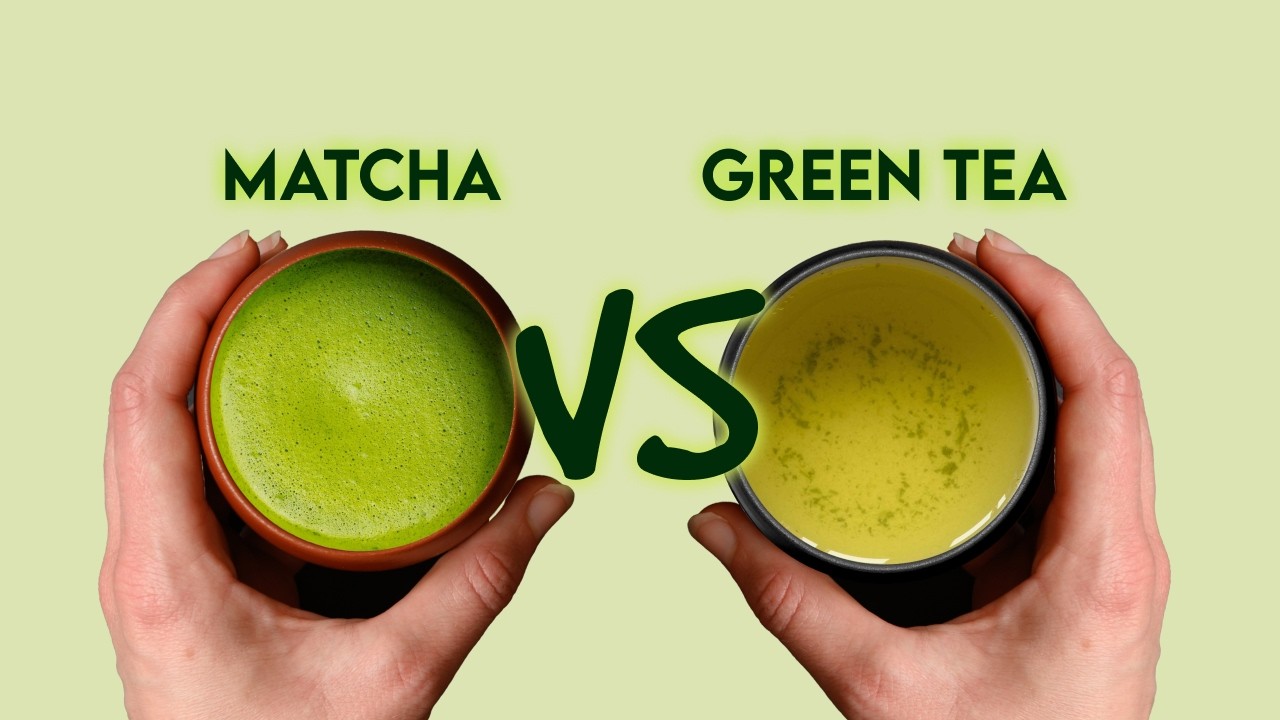
“People treat matcha and green tea like they're interchangeable. They are not. One is a dissolved whole-leaf suspension. The other is an infusion. The caffeine profile is different. The flavor is different. The preparation is completely different. And the mistake most people make — pouring boiling water over either one — ruins both. This guide covers the correct method for each so you stop burning your leaves and wondering why your matcha tastes like a wet lawn.”
Why This Recipe Works
Matcha and green tea are not the same drink wearing different names. They are fundamentally different preparations that happen to share a botanical origin — Camellia sinensis — the same way espresso and cold brew share a coffee bean. One is a suspension. One is an infusion. Understanding this distinction does not require a degree in food science; it requires five minutes of honest attention, and it will permanently change how you approach both.
What Matcha Actually Is
Matcha is shade-grown tea leaves that have been stone-ground into a fine powder. When you prepare matcha, you are not steeping leaves and discarding them — you are consuming the entire leaf, suspended in water. This is why the preparation method matters so much. You are not extracting flavor from a leaf; you are emulsifying a solid into a liquid, and the physics of that process are sensitive.
The shade-growing step is not ceremonial theater. Covering the tea plants for 3–4 weeks before harvest forces them to produce more chlorophyll (which creates the vivid green color) and more L-theanine (an amino acid that produces calm alertness and sweetness). The shading also slows photosynthesis, concentrating the flavor compounds that make high-grade matcha taste sweet and almost savory rather than harsh and grassy. This is why genuine ceremonial-grade matcha from Uji, prepared with a bamboo chasen in a ceramic chawan, tastes almost nothing like the green powder stirred into a chain coffee shop latte with a plastic stick.
What Green Tea Is
Green tea is an infusion — the same process as making any other tea. Hot water passes through the leaves, extracting soluble flavor compounds, and then you remove the leaves and drink the liquid. The leaves themselves never enter your body. This means the flavor is gentler, the caffeine content is lower, and the preparation window is more forgiving — but only slightly more forgiving, because green tea's principal failure mode is identical to matcha's: excessive heat.
Green tea leaves contain both flavor compounds and tannins. Tannins are defensive chemicals the plant produces to deter insects, and they taste exactly like what they are — bitter, drying, astringent. At moderate temperatures (160–170°F), the desirable flavor compounds extract readily while the tannins remain largely locked in the leaf structure. At boiling temperature, the tannins release aggressively and overwhelm everything. This is the entire reason your green tea sometimes tastes like wet cardboard: you used water that was too hot, and you called it a flavor preference when it was actually a technique failure.
The Suspension vs. Infusion Divide
The practical consequence of this fundamental difference is that matcha and green tea require completely different equipment and mindsets. Green tea demands patience and restraint — measured steep time, restrained water temperature, and a clean exit when the time is up. Matcha demands energy and technique — vigorous whisking with a bamboo chasen, a sifted base, and an exact water temperature that prevents scorching. Green tea punishes impatience. Matcha punishes passivity.
Both beverages reward water quality in ways that most home brewers underestimate. Chlorine and heavy minerals in tap water bind to the same receptor sites as the delicate flavor compounds in tea, effectively muting the subtler notes that differentiate a cup of premium tea from a cup of average tea. Filtered water is not a premium affectation — it is the minimum viable condition for tasting what you actually paid for when you bought good leaves or good powder.
Why Comparison Matters
The point of preparing both is not to declare a winner. Matcha and green tea solve different problems. Matcha, with its higher L-theanine-to-caffeine ratio and concentrated antioxidant profile, is a focused cognitive tool — the reason Japanese monks drank it before long meditation sessions is not mysticism, it is neurochemistry. Green tea, lighter and more hydrating, is a daily background drink that compounds its benefits through volume and consistency. You should have both in your kitchen for the same reason you keep both a chef's knife and a paring knife — not because one is better, but because they do different things well. Knowing how to prepare each one correctly is the entry requirement for experiencing either one honestly.
Where Beginners Mess This Up
Before we start, read this. These are the 4 reasons your matcha vs green tea (why you've been brewing the wrong one) will fail:
- 1
Using boiling water on matcha: Boiling water (212°F / 100°C) scorches the delicate amino acids in matcha powder, particularly L-theanine, and produces a harsh, bitter, almost metallic flavor. Matcha requires water between 160–175°F (70–80°C). If you don't have a thermometer, bring water to a boil and let it sit off heat for 3–4 minutes before using.
- 2
Not sifting the matcha powder: Matcha clumps immediately upon contact with moisture and those clumps never fully dissolve once formed. Sifting directly into your bowl before adding water is non-negotiable. A fine-mesh sieve takes 10 seconds and eliminates the grainy, lumpy texture that makes people think they don't like matcha.
- 3
Steeping green tea too long: Green tea leaves are unforgiving. Steep for longer than 2–3 minutes and the tannins extract fully, producing a bitter, astringent cup that tastes punishing rather than refreshing. Set a timer. Pull the leaves. Do not guess.
- 4
Using culinary-grade matcha for drinking: Culinary-grade matcha is designed to compete with strong flavors like chocolate and sugar in baking. Drunk straight or as a latte, it tastes harsh and vegetal. For any drinking application, use ceremonial grade. The price difference is real but so is the flavor difference.
The Video Reference Library
Want to see it in action? Here are the exact videos we analyzed and combined to build this foolproof recipe translation:
The definitive breakdown of how matcha and green tea are processed, their respective caffeine and L-theanine profiles, and side-by-side brewing demonstrations. Excellent visual reference for water temperature and whisking technique.
Step-by-step guidance on water temperature, steep time, and leaf-to-water ratios for loose leaf and bagged green tea. Clear and methodical.
Covers the sifting step, whisking motion, and how to identify the correct froth consistency that signals a properly prepared bowl of matcha.
🛠️ Core Equipment
- Bamboo matcha whisk (chasen)A chasen creates the fine foam and even suspension that makes properly prepared matcha distinctly different from stirred powder in water. A regular whisk or spoon cannot replicate the fine tines. Available for under $15 and it lasts months with proper care.
- Kitchen thermometerBoth matcha and green tea are temperature-sensitive. A thermometer removes all guesswork and is the single highest-leverage tool for improving your brew quality. Instant-read digital thermometers cost less than a bag of good matcha.
- Fine-mesh sieveFor sifting matcha before whisking. Non-optional. A fine-mesh sieve used here also doubles for dozens of other kitchen tasks, making it one of the most useful tools you can own.
- Ceramic or glass matcha bowl (chawan)The wide, shallow base gives the chasen room to whisk properly. You cannot build a proper froth in a narrow mug. The ceramic material also retains heat without the metallic interference of stainless steel.
Matcha vs Green Tea (Why You've Been Brewing the Wrong One)
🛒 Ingredients
- ✦2 teaspoons ceremonial grade matcha powder (for matcha preparation)
- ✦4 ounces water at 170°F / 77°C, divided (for matcha)
- ✦1 cup whole milk or oat milk, steamed or warmed (optional, for matcha latte)
- ✦1 teaspoon honey or simple syrup (optional, to taste)
- ✦2 teaspoons loose leaf Japanese green tea (sencha or gyokuro) or 2 green tea bags
- ✦12 ounces water at 165°F / 74°C (for green tea)
- ✦Ice cubes (optional, for iced preparations)
👨🍳 Instructions
01Step 1
FOR MATCHA: Bring filtered water to a boil, then remove from heat and allow it to cool for 3–4 minutes until it reaches 165–175°F. Use a thermometer for precision.
02Step 2
Place a fine-mesh sieve over your matcha bowl. Add 2 teaspoons of ceremonial grade matcha powder and press through with a spoon. This takes 10 seconds and eliminates all clumps.
03Step 3
Pour 2 ounces of the cooled water into the sifted matcha. Using a bamboo chasen, whisk in a rapid W or M motion — not circular — for 30–45 seconds until a fine foam forms on the surface.
04Step 4
Add the remaining 2 ounces of water to thin the matcha to drinking consistency. Taste, then sweeten lightly if desired. Serve immediately in the matcha bowl or pour over ice.
05Step 5
FOR A MATCHA LATTE: Follow steps 1–3, then steam or warm 1 cup of whole milk or oat milk separately and pour it over the prepared matcha concentrate. Stir gently to combine.
06Step 6
FOR GREEN TEA: Heat filtered water to 160–170°F — not boiling. If using a kettle without temperature control, bring to a boil and let it rest off heat for 4–5 minutes.
07Step 7
Add loose leaf green tea to a strainer or infuser basket at a ratio of 1 teaspoon per 6 ounces of water. Pour the cooled water over the leaves.
08Step 8
Steep for exactly 1.5 to 2.5 minutes for sencha, or 2–3 minutes for standard green tea bags. Set a timer. Remove the leaves or bag immediately at the end — do not squeeze the bag.
09Step 9
Taste the brewed green tea before adding anything. Note the vegetal sweetness, the slight grassy bitterness, and the clean finish. Sip both preparations side by side if you made both — the difference in flavor profile and texture is instructive.
Nutrition Per Serving
Estimates based on standard preparation. Adjustments alter macros.
🔄 Substitutions
Instead of Ceremonial grade matcha...
Use High-quality culinary grade matcha (latte grade)
Many brands offer a middle tier labeled 'latte grade' — better than pure culinary but less expensive than ceremonial. Acceptable for lattes where milk softens the harsher notes. Not acceptable for straight preparation.
Instead of Bamboo chasen (matcha whisk)...
Use Handheld milk frother
A handheld electric frother produces adequate emulsification for casual preparation. The texture is slightly less refined than a chasen but dramatically better than a spoon. Hold the frother at an angle and use short bursts.
Instead of Loose leaf sencha...
Use High-quality green tea bags
Pyramid mesh bags from quality brands (not flat paper bags) allow the leaves to expand properly and brew almost as well as loose leaf. Flat paper bags produce inferior results — the leaves are crushed and over-process quickly.
Instead of Whole milk (for matcha latte)...
Use Barista-formula oat milk
Barista-formula oat milk is specifically formulated to steam without separating. Regular oat milk can break into an oily, grainy mess when heated above 150°F. Check the label before heating.
🧊 Storage & Reheating
In the Fridge
Prepared matcha and green tea do not store well — both oxidize and lose flavor within hours. If you must store brewed green tea, refrigerate in a sealed glass container for up to 24 hours and serve cold. Do not reheat.
In the Freezer
Freeze matcha concentrate (without milk) in ice cube trays for up to 1 month. Pop cubes directly into cold milk for an instant iced matcha latte with no dilution.
Reheating Rules
Do not reheat either preparation. Make fresh. The entire preparation for either drink takes under 10 minutes — there is no excuse for reheating.
❓ Frequently Asked Questions
Is matcha healthier than green tea?
Matcha contains more antioxidants, caffeine, and L-theanine per serving because you consume the entire ground leaf rather than an infusion. However, green tea consumed regularly delivers similar long-term benefits. The practical difference: matcha is more bioavailable and more concentrated. It's not that one is healthier — it's that matcha is a higher-dose delivery vehicle.
Why does my matcha taste bitter?
Your water was too hot. Boiling water destroys the L-theanine that creates matcha's characteristic sweetness and replaces it with extracted tannins and oxidized chlorophyll. Use water between 160–175°F. A $15 thermometer will fix this permanently.
What is the difference between sencha and gyokuro green tea?
Both are Japanese green teas. Sencha grows in full sun and has a bright, vegetal, slightly astringent flavor. Gyokuro is shade-grown for the final 3–4 weeks before harvest, which causes the plant to produce more L-theanine and chlorophyll. The result is sweeter, more umami-rich, and significantly more expensive. Gyokuro is also closer to matcha in character — both are shade-grown products.
Can I use matcha powder in cold water?
Yes, but you must whisk it more aggressively and it will not dissolve as cleanly. The starch structure in matcha powder suspends more easily in warm water. For iced matcha, prepare the concentrate with a small amount of warm water first, then pour over ice — this guarantees full suspension without clumping.
How much caffeine is in matcha vs green tea?
A standard bowl of matcha (2 grams of powder) contains approximately 70–80mg of caffeine. A standard cup of green tea (1.5–2g of leaves, 3-minute steep) contains roughly 20–30mg. Matcha is meaningfully more caffeinated — factor this into your consumption if you're sensitive to caffeine.
Does the brand of matcha matter?
Significantly. Japanese ceremonial matcha from established producers in Uji (Kyoto) or Nishio is generally more reliable than generic imported powder. Look for origin labeling, vibrant green color (not olive or yellow-green), and a fine, silky texture. Dull color indicates oxidation. Coarse texture indicates lower-grade processing.

The Science of
Matcha vs Green Tea (Why You've Been Brewing the Wrong One)
We turned everything on this page into a beautiful, flour-proof PDF cheat sheet. Print it out, stick it to your fridge, and never mess up your matcha vs green tea (why you've been brewing the wrong one) again.
*We'll email you the high-res PDF instantly. No spam, just perfectly cooked meals.
AlmostChefs Editorial Team
We translate the internet's most popular cooking videos into foolproof, beginner-friendly written recipes. We analyze multiple methods, test them in our kitchen, and engineer a single "Master Recipe" that gives you the best possible result with the least possible stress.