Café-Quality Matcha Latte (You've Been Whisking It Wrong)
A smooth, vibrant green matcha latte built on ceremonial-grade powder, proper sifting, and the 70°C temperature rule that every café ignores. We broke down the most-watched YouTube methods to give you one technique that produces zero bitterness, zero clumps, and a flavor that actually tastes like matcha — not green dust.
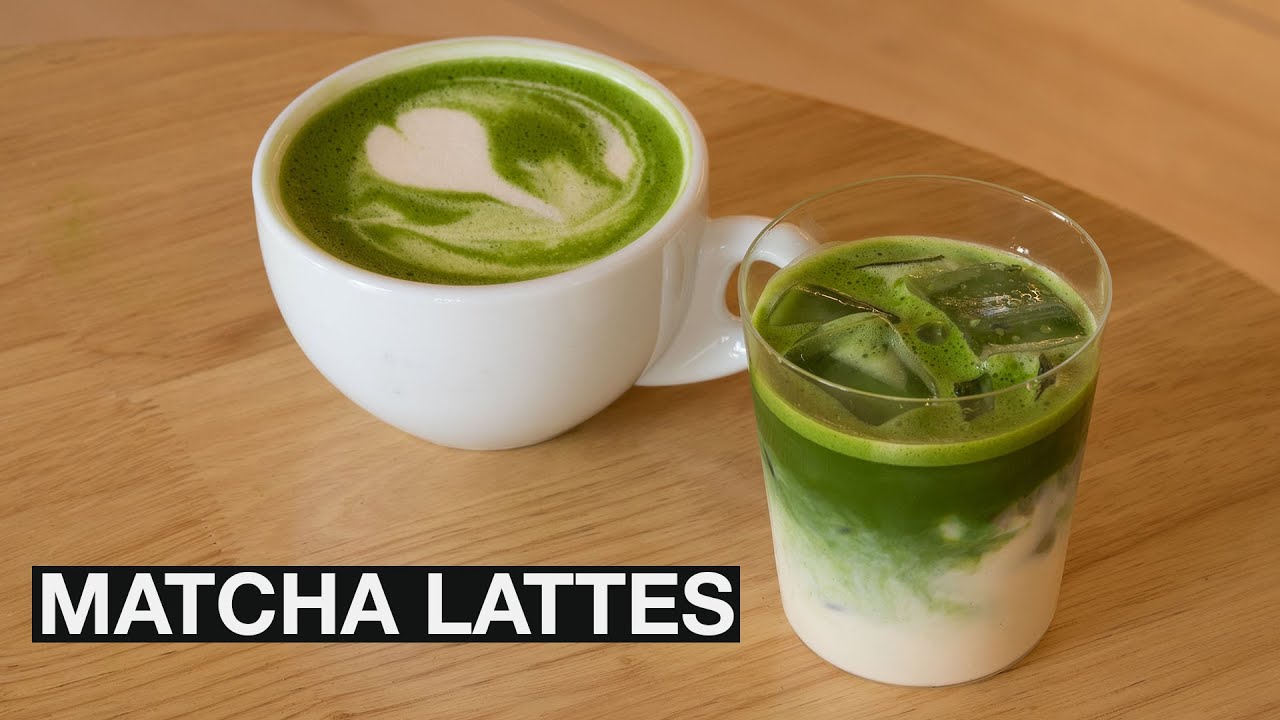
“Most homemade matcha lattes taste like warm, vaguely earthy milk with a green tint. The reason is always the same: boiling water poured directly onto low-grade powder with no real whisking. The difference between a bitter, clumpy disappointment and the kind of smooth, umami-forward latte you pay $8 for at a specialty café comes down to three variables — powder grade, water temperature, and your whisking motion. Get all three right and you will never buy one again.”
Why This Recipe Works
Matcha is a 900-year-old technology that modern café culture has managed to make confusing. The Japanese have been drinking it in precisely codified ways since the Song Dynasty, and every variable — the temperature, the bowl shape, the whisking motion — exists for a documented reason. When you understand why the method works, you stop treating it like a rough guideline and start treating it like the precision instrument it is.
The Temperature Problem Is Chemistry
L-theanine is the amino acid responsible for everything people claim to love about matcha: the calm alertness, the absence of a coffee crash, the rounded sweetness underneath the grassy bitterness. It's also among the most heat-sensitive compounds in the cup. At 80°C, L-theanine begins to denature. At 100°C — the temperature most people pour — it's functionally destroyed. What you're left with is a cup dominated by bitter catechins and oxidized chlorophyll, which is exactly what a bad matcha latte tastes like.
The 70-75°C window isn't arbitrary. It's the temperature range where the powder fully disperses without destroying the flavor compounds that make ceremonial-grade matcha worth the premium. A kitchen thermometer is the most important piece of equipment in this recipe — not the whisk, not the bowl, not the matcha grade. Get the temperature right first.
Why the Paste Phase Exists
Every professional matcha preparation begins with a paste, not a full cup of liquid. This is not tradition for tradition's sake — it's engineering. Matcha particles are roughly 5-10 microns in size and carry a slight electrostatic charge that causes them to bond to each other rather than dispersing evenly in water. When you add a small amount of liquid first, you can break those bonds with concentrated mechanical agitation before dilution reduces your ability to generate the friction needed.
Try to whisk matcha in a full cup of liquid and you're whisking around clumps that have already bonded and sunk. Whisk the same powder in 2 oz of concentrated water and you can drive the bamboo chasen tines directly through every particle cluster before they have a chance to hide. Once the paste is smooth, no amount of dilution will reintroduce clumping — the particles are already fully separated.
The Grade Argument
Ceremonial-grade matcha costs more because it requires more precision at every step of production. The leaves are shade-grown for three to four weeks before harvest, which forces the plant to produce more chlorophyll and L-theanine to compensate for reduced sunlight. Only the youngest, most tender leaves — the top two — are hand-selected. They're deveined and destemmed before stone-grinding, a process that generates almost no heat compared to industrial grinding and preserves the volatile aromatic compounds responsible for matcha's characteristic umami depth.
Culinary grade skips most of these steps. The leaves are older, the grinding is faster, and the resulting powder is engineered for applications where its inherent bitterness will be buried under butter, cream, or sugar. In a latte with nothing to mask it, culinary grade announces itself immediately as bitter, flat, and oddly savory in the wrong direction. The cost difference between ceremonial and culinary grade per serving is roughly $0.50. It is the highest-ROI upgrade in this recipe.
Milk Selection Is Not Neutral
The milk you choose fundamentally alters the character of the finished latte. Whole cow's milk creates a rich, creamy body with enough fat to temper matcha's astringency, but its pronounced dairy flavor can compete with the delicate floral notes. Oat milk — specifically a barista-blend formulated for frothing — has become the industry standard for matcha lattes because its mild sweetness and neutral flavor profile steps aside and lets the matcha lead. The beta-glucans in oat milk also produce a slightly thicker, silkier texture than most plant-based alternatives.
Whatever milk you choose, temperature control applies here too. Steam it to 60-65°C maximum for a hot latte. Above 70°C, milk proteins begin to denature and the sweetness that makes steamed milk worth using disappears into a cooked, faintly sulfurous flavor. A small milk frother pitcher with temperature markings removes the guesswork and produces consistent microfoam every time.
The order of assembly matters more than most guides acknowledge. Matcha paste first, sweetener stirred in while concentrated, then milk added on top. Sweetener dissolves three times more efficiently in the concentrated paste than in diluted milk — meaning you need less of it to achieve the same perceived sweetness. This is why café matcha lattes taste sweeter than homemade ones made with the same sugar quantity. It's not a secret ingredient. It's just sequence.
Where Beginners Mess This Up
Before we start, read this. These are the 4 reasons your café-quality matcha latte (you've been whisking it wrong) will fail:
- 1
Using boiling water: Matcha contains catechins and amino acids that are exquisitely sensitive to heat. Water above 80°C denatures the L-theanine responsible for matcha's clean, calming sweetness and simultaneously scorches the catechins into harsh, astringent bitterness. The target is 70-75°C. This single variable accounts for the majority of bitter homemade matcha lattes.
- 2
Skipping the sift: Matcha powder is electrostatically charged and clumps aggressively the moment it contacts water. If you dump unsifted powder into liquid, you will spend the next 3 minutes chasing green lumps around the cup that never fully dissolve. Thirty seconds of sifting through a fine-mesh sieve eliminates the problem entirely before it starts.
- 3
Using culinary-grade powder for drinking: Culinary-grade matcha is engineered for baking — it's more oxidized, more bitter, and more astringent because those qualities get masked by sugar and fat in recipes. In a latte with nothing to hide behind, the bitterness is front and center. Ceremonial grade costs more but it's the only way to get the grassy sweetness that defines the flavor.
- 4
A back-and-forth stirring motion instead of a proper whisk: A spoon or circular stir can't create the micro-foam you need. The traditional chasen (bamboo whisk) or a battery-powered milk frother moved in a rapid W or M motion across the bottom of the bowl generates friction that fully disperses the powder into a smooth, slightly frothy paste. Without this, the powder settles.
The Video Reference Library
Want to see it in action? Here are the exact videos we analyzed and combined to build this foolproof recipe translation:
The primary reference for this recipe. Covers grade selection, the 70°C rule, and whisking technique in detail with clear visual cues for what properly dispersed matcha paste looks like before milk is added.
Traditional chasen technique walkthrough that shows the W-motion whisking pattern and the froth consistency you're targeting. Useful for understanding why the paste phase matters before milk is introduced.
Covers the cold variation including how to adapt the whisking step when building over ice. Demonstrates how to layer the milk under the matcha paste for the visual gradient effect.
🛠️ Core Equipment
- Bamboo chasen (matcha whisk)The tines on a traditional chasen are thin enough to break apart powder clumps that a metal whisk cannot reach. The 80-tine version is the standard for drinking-grade matcha. Alternatively, a handheld electric frother achieves comparable results.
- Fine-mesh sieveNon-negotiable for clump elimination. A standard flour sifter is too coarse — you need a sieve with openings under 0.5mm. Press the matcha through with the back of a spoon directly into your bowl.
- Kitchen thermometerWater temperature is the most critical variable in this recipe. A probe thermometer or an instant-read thermometer removes all guesswork. If you don't own one, bring water to a boil and let it rest for exactly 4 minutes at sea level — it will drop to roughly 72°C.
- Small ceramic or glass bowl (chawan)A wide, shallow bowl gives your whisk or frother room to move. Whisking matcha in a tall narrow mug concentrates the paste at the bottom and makes proper technique impossible.
Café-Quality Matcha Latte (You've Been Whisking It Wrong)
🛒 Ingredients
- ✦1 teaspoon ceremonial-grade matcha powder (2g)
- ✦2 oz water, heated to 70-75°C (about 150ml)
- ✦6 oz oat milk or whole milk, steamed or cold
- ✦1-2 teaspoons honey or maple syrup, to taste
- ✦Pinch of fine sea salt (optional, enhances sweetness)
- ✦Ice (for iced version)
👨🍳 Instructions
01Step 1
Measure 1 teaspoon (2g) of ceremonial-grade matcha powder into a fine-mesh sieve held over your chawan or wide shallow bowl. Press through with the back of a spoon.
02Step 2
Heat your water to 70-75°C. If using a kettle, bring to a full boil, then let rest for 4 minutes uncovered. Verify with a thermometer if you have one.
03Step 3
Pour 2 oz of the measured hot water over the sifted matcha. Do not add all your liquid at once — the paste phase is what ensures full dispersion.
04Step 4
Whisk vigorously in a rapid W or M motion across the bottom of the bowl for 20-30 seconds until the paste is completely smooth, uniform, and slightly frothy on top with no visible powder.
05Step 5
For a hot latte: steam or heat the milk to 60-65°C. For an iced latte: fill your glass with ice, then pour in cold milk.
06Step 6
Add honey or maple syrup to the matcha paste and stir briefly to combine before adding milk. Sweetener disperses better in the concentrated paste than in diluted milk.
07Step 7
Pour the matcha paste over the milk slowly. For hot: pour into the mug first, then top with steamed milk. For iced: pour the paste over the ice and milk from height to create a layered gradient.
08Step 8
Stir gently before drinking to combine the layers, or leave the gradient for presentation.
Nutrition Per Serving
Estimates based on standard preparation. Adjustments alter macros.
🔄 Substitutions
Instead of Oat milk...
Use Whole cow's milk or barista blend almond milk
Whole milk produces a richer, creamier texture. Barista almond milk froths acceptably but has a thinner body. Regular almond milk separates when hot — avoid it.
Instead of Ceremonial-grade matcha...
Use High-quality culinary grade (single-origin, stone-ground)
Some Japanese brands produce culinary-grade matcha that performs well in lattes. Look for single-origin, stone-ground labeling. Avoid supermarket tin blends — they are consistently bitter and oxidized.
Instead of Honey...
Use Vanilla simple syrup or monk fruit sweetener
Vanilla syrup adds a dimension that pairs extremely well with the grassy notes in matcha. Monk fruit is zero-calorie and dissolves cleanly. Agave works but adds a slightly floral note that can compete with the matcha.
Instead of Water (hot)...
Use Coconut milk (thin, room temperature)
Creates a more intensely rich paste with a distinct sweetness. Reduces the matcha flavor slightly. Pairs exceptionally well when the latte milk is also coconut-based for a fully tropical profile.
🧊 Storage & Reheating
In the Fridge
Matcha paste (whisked powder and water, no milk added) keeps in an airtight jar in the refrigerator for up to 24 hours. Add fresh milk when serving. Quality degrades after that.
In the Freezer
Freeze matcha paste in ice cube trays. Drop one cube into cold milk for an instant iced latte. Use within 2 weeks for best flavor.
Reheating Rules
Do not reheat a completed matcha latte — the milk proteins break down and the matcha loses its fresh vegetal flavor. Make fresh or use the frozen paste method instead.
❓ Frequently Asked Questions
Why does my matcha latte taste bitter?
Almost certainly the water temperature. Anything above 80°C scorches the delicate amino acids in matcha and amplifies the bitter catechins. Target 70-75°C and the bitterness drops dramatically. The second culprit is powder grade — culinary matcha is inherently more bitter than ceremonial grade.
Do I need a special whisk or can I use a regular one?
A traditional bamboo chasen with 80 tines is the gold standard, but a handheld electric milk frother achieves the same dispersion with less effort. A standard metal whisk works but the tines are too widely spaced to break apart fine powder clumps effectively. A spoon does not work — don't attempt it.
What's the difference between ceremonial and culinary grade matcha?
Ceremonial grade uses the youngest tea leaves (first harvest), is stone-ground at low temperatures to preserve amino acids, and is designed to be consumed on its own with just water. Culinary grade is older leaves, more oxidized, and more bitter — formulated to be masked by sugar and fat in baked goods. For drinking, only ceremonial grade produces the clean, sweet, umami flavor matcha is known for.
Can I make matcha lattes without a frother or whisk?
Yes, with a workaround. Add the sifted matcha to a small lidded jar with the hot water and shake vigorously for 30 seconds. The agitation disperses the powder adequately, though not as smoothly as a proper whisk. It's functional, not optimal.
Why is my matcha such a dull, yellowish-green color?
The powder has oxidized. Matcha's vivid green color comes from chlorophyll, which degrades rapidly when exposed to air, light, and heat. Once opened, matcha should be in an airtight container in the freezer and used within 4-6 weeks. If the color is dull before opening, the product is old or was improperly stored before purchase.
Is an iced matcha latte just hot matcha poured over ice?
No. Pouring hot matcha directly onto ice creates excessive dilution as the ice melts rapidly. The correct method is to whisk the paste with 2 oz of hot water only (not the full milk volume), let it cool briefly or use room-temperature water, then pour over a full glass of ice and cold milk. This preserves concentration and prevents a watery result.

The Science of
Café-Quality Matcha Latte (You've Been Whisking It Wrong)
We turned everything on this page into a beautiful, flour-proof PDF cheat sheet. Print it out, stick it to your fridge, and never mess up your café-quality matcha latte (you've been whisking it wrong) again.
*We'll email you the high-res PDF instantly. No spam, just perfectly cooked meals.
AlmostChefs Editorial Team
We translate the internet's most popular cooking videos into foolproof, beginner-friendly written recipes. We analyze multiple methods, test them in our kitchen, and engineer a single "Master Recipe" that gives you the best possible result with the least possible stress.