Café-Quality Matcha Latte (Stop Overpaying for Chalky Foam)
A smooth, frothy green tea latte built on the foundational Japanese technique of whisking matcha into a concentrated paste before adding milk. We broke down the most common home failures — clumping, bitterness, flat foam — and built a ten-minute method that produces results indistinguishable from a $7 café version.
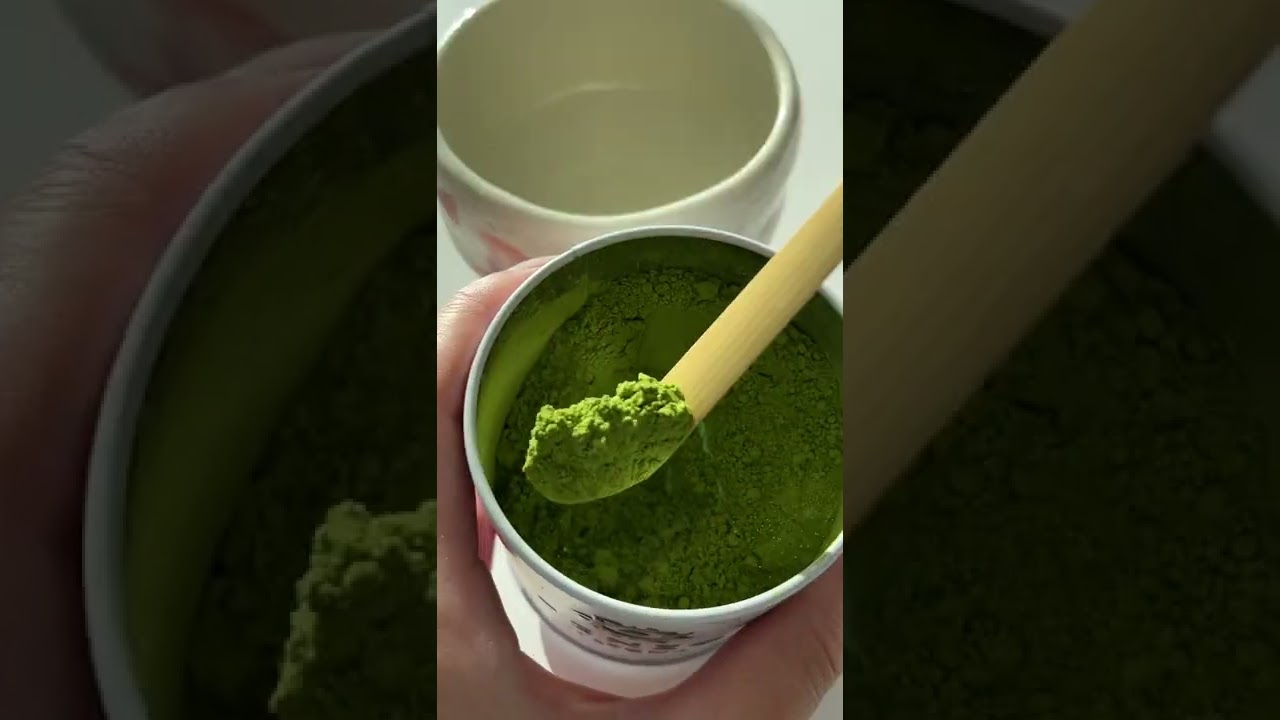
“The matcha latte is a ten-ingredient drink that somehow manages to disappoint everyone who makes it at home. The culprit is almost never the recipe — it's one of three technical failures: skipping the sift, using boiling water, or adding milk before the paste is smooth. Fix those three things and you stop paying $7 for a drink that costs sixty cents to make.”
Why This Recipe Works
A matcha latte is not a complicated drink. It is two steps — make a paste, add milk — executed with the correct temperature and the correct tool. The reason most home versions disappoint has nothing to do with ingredient quality and everything to do with ignoring the physics of how powdered tea interacts with water.
The Paste Is the Whole Point
Matcha powder is hydrophobic. That is not a metaphor — the particles actively resist water and clump together under moisture pressure. This is why you cannot pour milk directly onto matcha powder and expect a smooth drink. The outer surface of each clump hydrates while the interior stays dry, and no amount of stirring breaks those pockets open. You get green-flecked milk with a dusty, bitter finish.
The paste step solves this by working with the physics rather than against it. A small amount of hot water — just three tablespoons — creates enough concentration that every particle has to hydrate. The whisking action, particularly the back-and-forth W-motion of a bamboo whisk, creates micro-turbulence that breaks up each clump from multiple angles simultaneously. By the time milk enters the picture, there is nothing left to clump. The paste disperses instantly, uniformly, producing that clean jade-green color all the way through the cup.
Temperature Is Not Adjustable
The amino acid L-theanine is what separates matcha from regular green tea — it produces the calm, focused alertness without the cortisol spike of caffeine alone. L-theanine is also what gives good matcha its slightly sweet, umami-forward flavor. Above 185°F, it degrades rapidly while the bitter tannins remain stable. The result is a drink that tastes like bitterness with no sweetness to balance it, no matter how much honey you add.
175°F is the target. A variable-temperature kettle makes this exact. Without one, boiling water dropped for two minutes gets you close. The difference between 175°F and boiling is not subtle — it is the difference between a drink you want to finish and one you tolerate.
Milk Choice Is a Flavor Decision, Not a Lifestyle One
Whole milk produces the richest foam and the creamiest mouthfeel, but it also introduces dairy sweetness that can flatten the earthy complexity of high-quality matcha. Oat milk froths nearly as well and its natural sweetness runs parallel to the matcha rather than over it — the two flavors coexist instead of one masking the other. Almond milk is thinner, produces less foam, and its slight nuttiness works better in cold preparations than hot.
The optional butter in this recipe sounds eccentric until you understand what it does. Fat emulsified into the milk rounds out bitterness perception, increases mouthfeel, and slows the absorption of caffeine — producing a longer, more even energy curve. This is the principle behind bulletproof coffee, and it applies identically here. Whether you use it is a preference call, but it is not a gimmick.
The Salt Argument
Salt does not make this drink taste salty. It suppresses the specific bitter taste receptors on your tongue, the same way a pinch of salt in brownie batter doesn't produce salty brownies — it produces more intensely chocolatey ones. In matcha, where bitterness is the primary flavor challenge, a single pinch of sea salt at the milk stage is a meaningful intervention. Taste with and without it once, then decide.
Why the Whisk Motion Matters
Circular whisking creates large, unstable bubbles that collapse before the drink reaches your mouth. The traditional back-and-forth W or M motion produces thousands of smaller, more stable micro-bubbles — the fine foam layer that defines a properly made matcha. This foam is not decorative. It changes the texture of every sip and slows the separation of the matcha from the milk, keeping the drink consistent from first sip to last.
Ten minutes. Two steps. One temperature check. That is the entire gap between a forgettable green drink and something worth making every morning.
Where Beginners Mess This Up
Before we start, read this. These are the 4 reasons your café-quality matcha latte (stop overpaying for chalky foam) will fail:
- 1
Skipping the sift: Matcha powder clumps on contact with moisture. Unsifted powder dropped directly into water creates pockets of dry, bitter matcha that no amount of whisking will fully dissolve. A fine-mesh sieve takes fifteen seconds and is the single highest-leverage step in the entire recipe.
- 2
Using boiling water: Water above 185°F scalds the delicate catechins in matcha, converting them into bitter tannins. The result tastes like burnt grass. Target 175°F — either let boiled water cool for two minutes or use a variable-temperature kettle. This is not optional if you want a smooth, sweet-forward flavor.
- 3
Adding milk before the paste is ready: Matcha must be whisked into a concentrated, lump-free paste with a small amount of hot water before any milk touches it. Pouring milk directly onto dry matcha powder produces a diluted, grainy beverage with visible green sediment at the bottom. The paste step is non-negotiable.
- 4
Using culinary-grade matcha and expecting ceremonial results: Culinary-grade matcha is blended for baking, where its bitterness gets masked by sugar and butter. In a latte — where it's front and center — that bitterness dominates. Ceremonial-grade or premium culinary-grade matcha is worth the price difference for drinking applications.
The Video Reference Library
Want to see it in action? Here are the exact videos we analyzed and combined to build this foolproof recipe translation:
The definitive home barista walkthrough covering water temperature, whisking technique, and milk steaming. Excellent close-up footage of what a properly formed matcha paste looks like before the milk is added.
🛠️ Core Equipment
- Bamboo whisk (chasen)The traditional tool for dispersing matcha without introducing large air bubbles. Its 80+ tines create micro-turbulence that breaks up powder clusters more efficiently than a wire whisk. A [milk frother](/kitchen-gear/review/milk-frother) works as a substitute but produces coarser foam.
- Fine-mesh sieveEssential for breaking up matcha clumps before whisking. Without it, you are guaranteed lumpy, bitter paste. A standard kitchen strainer with fine mesh works fine.
- Variable-temperature kettleMatcha is temperature-sensitive. A [variable-temperature kettle](/kitchen-gear/review/variable-temperature-kettle) lets you dial to exactly 175°F rather than guessing how long boiled water has cooled. For a daily matcha drinker, this pays for itself in drink quality within a week.
- Small ceramic bowl or wide mugThe wider the whisking surface, the easier it is to build a smooth paste. A deep narrow cup restricts the whisk motion and produces uneven results. Traditional chawan (matcha bowls) are wide for exactly this reason.
Café-Quality Matcha Latte (Stop Overpaying for Chalky Foam)
🛒 Ingredients
- ✦2 teaspoons matcha powder (ceremonial or premium culinary grade)
- ✦3 tablespoons hot water (175°F — just below boiling)
- ✦1 cup whole milk (or milk of choice)
- ✦2 teaspoons honey or agave nectar
- ✦1/4 teaspoon vanilla extract
- ✦1 pinch sea salt
- ✦Ice cubes (optional, for iced version)
- ✦1 tablespoon unsalted butter (optional, for added richness)
👨🍳 Instructions
01Step 1
Sift the matcha powder through a fine-mesh sieve into a small wide bowl or mug.
02Step 2
Pour 3 tablespoons of hot water at 175°F over the sifted matcha.
03Step 3
Whisk the matcha and water together using a bamboo whisk or small wire whisk in a brisk W or M motion — not circular — for 1-2 minutes until a smooth, frothy paste forms with no visible powder.
04Step 4
Warm the milk in a small saucepan over medium heat, stirring occasionally, until steaming but not boiling — about 3-4 minutes. Add honey, vanilla extract, and sea salt, then whisk until incorporated and slightly foamy.
05Step 5
Pour the matcha paste into your serving cup so it fills roughly the bottom third.
06Step 6
Slowly pour the hot milk into the matcha paste while stirring gently to combine. Reserve a spoonful of foam.
07Step 7
Spoon the reserved milk foam over the top and serve immediately.
Nutrition Per Serving
Estimates based on standard preparation. Adjustments alter macros.
🔄 Substitutions
Instead of Whole milk...
Use Oat milk
Froths better than most plant-based alternatives and its natural sweetness complements matcha without competing. Almond milk works but produces thinner foam.
Instead of Honey...
Use Monk fruit sweetener or stevia
Zero glycemic impact. Use half the amount — both are significantly sweeter than honey by volume. Add gradually and taste as you go.
Instead of Regular matcha powder...
Use Ceremonial grade matcha
Richer, more complex flavor with less grassy bitterness and a brighter green color. Worth the price difference for daily drinking. Culinary grade is better suited for baked goods where the flavor is masked.
Instead of Vanilla extract...
Use Almond extract or ground cinnamon
Almond extract adds a subtle nuttiness that pairs well with oat milk versions. Cinnamon contributes warmth and has documented blood sugar-regulating properties — add 1/8 teaspoon to the paste.
🧊 Storage & Reheating
In the Fridge
Matcha lattes do not store well — the paste separates and the foam collapses within 30 minutes. Make and drink immediately. The matcha powder itself keeps in an airtight container in the freezer for up to 6 months.
In the Freezer
Freeze matcha paste in ice cube trays (2 tsp powder + 3 tbsp water per cube). Pop a cube into warm milk whenever you want a latte without any whisking. Lasts up to 2 months frozen.
Reheating Rules
Not applicable — make fresh each time. For iced versions, prep the matcha paste the night before and refrigerate it; add cold milk and ice in the morning.
❓ Frequently Asked Questions
Why is my matcha latte bitter?
Three possible causes: water too hot (above 185°F scalds the matcha and releases bitter tannins), low-quality culinary-grade powder used for drinking, or insufficient sweetener. Start by checking your water temperature — this is the most common culprit.
Why is there powder settled at the bottom of my cup?
You skipped the paste step or didn't whisk long enough. Matcha must be fully dissolved into a smooth paste with hot water before any milk is added. If powder is hitting cold or room-temperature milk directly, it will never fully hydrate.
Can I make this without a bamboo whisk?
Yes. A small wire whisk works nearly as well. A milk frother (handheld electric) is actually the fastest option and produces good foam. A regular fork is a last resort — it works but takes twice as long and produces coarser results.
What's the difference between iced and hot matcha latte preparation?
The paste step is identical. For iced, double the paste concentration (less water, more powder per cup) so the ice doesn't dilute the flavor. Pour paste over ice first, then add cold milk. Never pour hot paste directly onto ice — it melts too fast and you lose the flavor concentration.
Is ceremonial grade matcha actually worth it?
For lattes, yes. Ceremonial grade is harvested from younger leaves that are shade-grown longer, producing higher L-theanine content and lower tannin bitterness. In a drink where matcha is the primary flavor, that quality difference is noticeable. For baking, use culinary grade — the flavor difference gets buried anyway.
Why does my matcha lose its bright green color and turn brownish?
Heat is the primary cause — water above 185°F oxidizes chlorophyll and destroys color. Old or poorly stored matcha also oxidizes. Check your water temperature and make sure your powder is stored airtight, away from heat and light. Fresh ceremonial-grade matcha should be almost neon green when whisked.
The Science of
Café-Quality Matcha Latte (Stop Overpaying for Chalky Foam)
We turned everything on this page into a beautiful, flour-proof PDF cheat sheet. Print it out, stick it to your fridge, and never mess up your café-quality matcha latte (stop overpaying for chalky foam) again.
*We'll email you the high-res PDF instantly. No spam, just perfectly cooked meals.
AlmostChefs Editorial Team
We translate the internet's most popular cooking videos into foolproof, beginner-friendly written recipes. We analyze multiple methods, test them in our kitchen, and engineer a single "Master Recipe" that gives you the best possible result with the least possible stress.