Dirty Matcha Espresso (The Morning Drink You Didn't Know You Needed)
A layered cold drink that combines a shot of bold espresso with ceremonial-grade matcha, creating a caffeinated fusion that's earthy, bitter, and unexpectedly complex. We broke down the most-watched YouTube versions to find the exact ratios and temperature sequence that stop the two from clashing and start them collaborating.
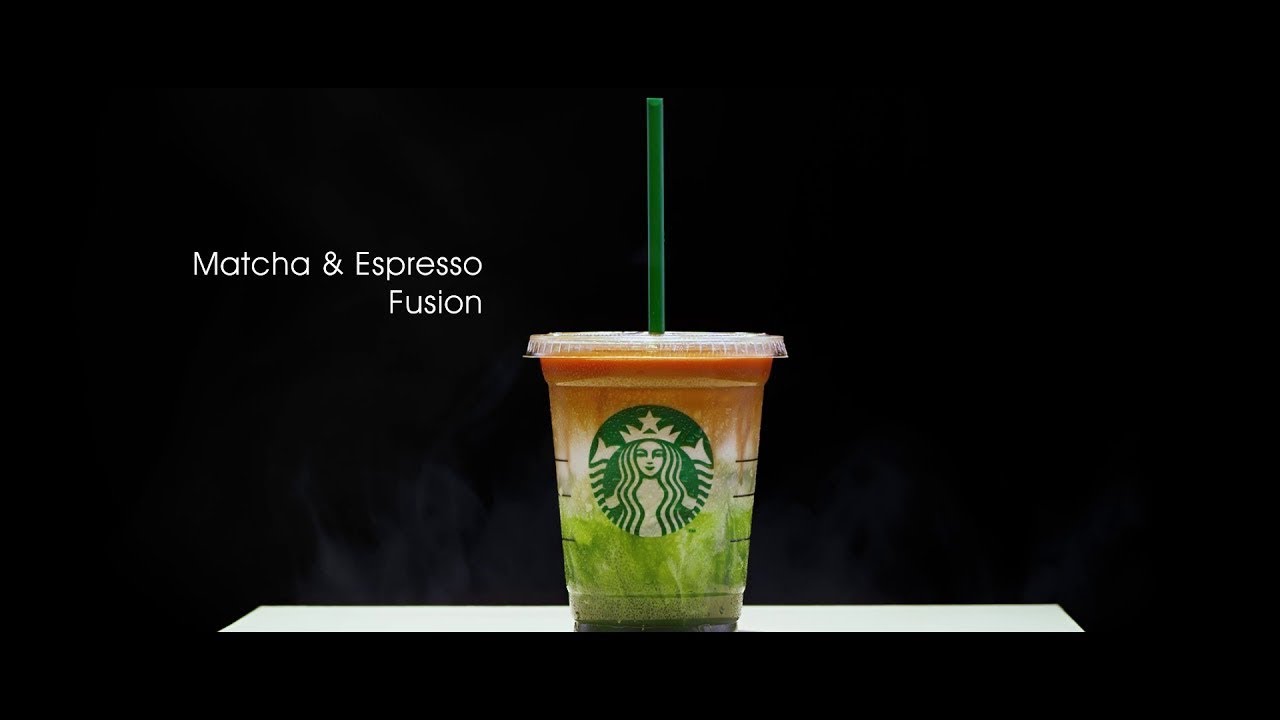
“Coffee people think it's a matcha drink. Matcha people think it's a coffee drink. They're both wrong and both right. The dirty matcha sits at the intersection of two entirely different caffeine philosophies — the blunt, fast hit of espresso and the slow, sustained focus of L-theanine-rich matcha — and when the layering is done correctly, you get both at once. Most versions you'll find online produce a murky, bitter mess because they skip the one variable that controls whether these two flavors harmonize or fight: temperature sequencing.”
Why This Recipe Works
The dirty matcha is not a novelty drink. It is a precision beverage built on the tension between two entirely different caffeine delivery systems, and when the construction is correct, it produces a morning experience that neither espresso alone nor matcha alone can replicate. When it's done carelessly — the way most cafés do it — it tastes like someone couldn't decide between coffee and tea and halfheartedly committed to both.
The Temperature Architecture
Every component in this drink has an optimal temperature window, and those windows do not overlap. Espresso performs best freshly pulled and slightly rested — around 130–140°F before it hits the ice. Matcha demands water between 165–175°F for preparation, then needs to be cooled before it contacts the milk. Milk should be cold, straight from the refrigerator. Ice should be fresh and dense, not half-melted from a warm glass.
The failure mode of most homemade dirty matcha recipes is thermal collapse: boiling water destroys the matcha's chlorophyll and L-theanine simultaneously, hot espresso melts the ice immediately, and the entire drink becomes a lukewarm, diluted, bitter brown liquid within 90 seconds of assembly. Respecting each temperature zone independently is what preserves the drink's distinct layers and prevents premature mixing.
The Science of Two Caffeines
Espresso and matcha contain the same molecule — caffeine — but their delivery mechanisms are architecturally different. Espresso caffeine absorbs rapidly into the bloodstream because it's dissolved in water and arrives unaccompanied. Matcha caffeine is bound to L-theanine, an amino acid that modulates GABA receptors in the brain and slows the absorption curve. The result is that espresso hits fast and hard, then fades; matcha builds slowly and sustains for hours.
In the dirty matcha, you drink the espresso layer first through the straw, followed progressively by the matcha, then the milk at the base. This is not just aesthetics — it's a sequenced caffeine delivery system. The espresso sharpens your focus immediately; the matcha sustains it through the mid-morning. A kitchen thermometer and a proper bamboo chasen are the two tools that make this architecture possible. Without temperature control, you cannot build the layers. Without proper whisking, the matcha dissolves unevenly and the delivery becomes inconsistent.
The Grade Problem
Ceremonial-grade matcha is harvested from the youngest tea leaves, shade-grown for three weeks before harvest to spike chlorophyll and amino acid content. It is ground on stone mills to a particle size of five to ten microns — fine enough that it remains suspended in liquid rather than settling to the bottom. Culinary-grade matcha uses older leaves, undergoes less processing, and contains significantly more tannins, which is why it turns bitter and murky when paired with espresso's own bitterness.
The visual test is unambiguous. Ceremonial matcha is vivid, electric green — the color of fresh basil in direct sunlight. Culinary matcha is olive, sometimes yellowish. In a drink where the green color is part of the experience, the difference is visible before you taste a sip.
The Layering Logic
The back-of-spoon pour is not a barista trick performed for Instagram. It is fluid dynamics. Pouring liquid over the convex surface of a spoon disperses the kinetic energy of the stream horizontally rather than vertically, preventing the incoming liquid from punching through the layer below. The same principle explains why a tall glass outperforms a wide tumbler here — the narrow column gives each layer more vertical separation and less surface area for mixing.
The order is non-negotiable: milk first to create the cold base layer, matcha second because its density sits above the milk, espresso last because the crema floats naturally. Reverse it and surface tension breaks down immediately.
When you drink it correctly — through a wide straw that pulls from all three layers simultaneously — you get every flavor in a single sip: the clean dairy sweetness of oat milk, the grassy, floral complexity of the matcha, and the sharp, roasted bitterness of the espresso cutting through the top. Three ingredients, three temperatures, one drink.
Where Beginners Mess This Up
Before we start, read this. These are the 4 reasons your dirty matcha espresso (the morning drink you didn't know you needed) will fail:
- 1
Using boiling water for the matcha: Matcha is made from shade-grown tea leaves with a high chlorophyll content that degrades instantly at temperatures above 175°F (80°C). Boiling water turns your matcha dull, brown, and aggressively bitter. The bright vegetal sweetness disappears. Use water between 165–175°F and you'll taste an entirely different drink.
- 2
Whisking the matcha in the wrong vessel: Matcha needs aeration, not just mixing. A flat-bottomed bowl and a bamboo chasen (whisk) create the fine foam that gives the matcha its texture. Stirring with a spoon leaves undissolved clumps that drop to the bottom and make the final sip intensely gritty and bitter.
- 3
Pulling the espresso shot too early and adding it hot: Pouring a hot espresso shot directly onto ice melts too much of it, diluting both the espresso and the matcha. Pull the shot, let it rest 90 seconds, then pour over fresh ice. Temperature control is the entire architectural principle of this drink.
- 4
Using low-grade matcha powder: Culinary-grade matcha is designed to be masked by milk and sugar in baked goods. Against the bold, bitter edge of espresso, its flat, grassy flavor gets steamrolled. Use ceremonial-grade — the difference in color alone (deep green vs. dull olive) tells you everything.
The Video Reference Library
Want to see it in action? Here are the exact videos we analyzed and combined to build this foolproof recipe translation:
The foundational video for this recipe. Clear demonstration of the layering sequence and whisk technique, with emphasis on temperature control and the ceremonial matcha difference.
Detailed breakdown of the W-pattern whisking technique and how to achieve proper matcha foam. Essential for understanding the texture you're building toward before the espresso is added.
Covers shot-pulling fundamentals — grind size, extraction time, and the 90-second resting window. Understanding your espresso is half the recipe.
🛠️ Core Equipment
- Bamboo chasen (matcha whisk)The only tool that properly aerates matcha into a frothy emulsion. Wire whisks tear the bristles. A fork leaves lumps. A genuine bamboo chasen costs less than a fancy coffee drink and produces entirely superior results.
- Ceramic or glass matcha bowlThe wide, shallow bowl gives the chasen room to move in a W-pattern, which is what creates the fine foam. A tall glass or mug restricts the whisk and you lose 80% of the aeration.
- Espresso machine or moka potPre-ground instant espresso powder produces a flat, sour result. A real espresso machine or a well-loaded moka pot gives you the concentrated, syrupy shot that can stand its ground against the matcha without disappearing.
- Kitchen thermometerGuessing water temperature by look or feel gets you to 212°F 80% of the time. A thermometer takes ten seconds and guarantees your matcha never sees boiling water.
Dirty Matcha Espresso (The Morning Drink You Didn't Know You Needed)
🛒 Ingredients
- ✦1 teaspoon ceremonial-grade matcha powder
- ✦2 ounces hot water (165–175°F)
- ✦1 shot (1.5 oz) espresso, freshly pulled
- ✦4 ounces oat milk (or whole milk), cold
- ✦1 cup ice cubes
- ✦1 teaspoon honey or simple syrup (optional)
- ✦Pinch of sea salt (optional, sharpens sweetness)
👨🍳 Instructions
01Step 1
Heat your water to 165–175°F. Use a kitchen thermometer — do not skip this.
02Step 2
Sift the ceremonial matcha powder into your matcha bowl to break up any clumps before whisking.
03Step 3
Pour the 165–175°F water over the sifted matcha. Using your bamboo chasen, whisk in a brisk W-pattern (not circular) for 30–45 seconds until a fine foam forms on the surface.
04Step 4
Pull your espresso shot. Let it rest for 90 seconds — do not pour it immediately.
05Step 5
Fill a tall glass with ice. If using sweetener, stir it into the cold milk now before adding anything else.
06Step 6
Pour the cold milk over the ice first, filling the glass about halfway.
07Step 7
Slowly pour the whisked matcha over the back of a spoon held just above the milk surface. This creates the layered gradient — green floating on white.
08Step 8
Gently pour the rested espresso shot over the back of the same spoon, floating it on top of the matcha layer.
09Step 9
Add a pinch of sea salt over the top if using. Serve immediately with a wide straw.
Nutrition Per Serving
Estimates based on standard preparation. Adjustments alter macros.
🔄 Substitutions
Instead of Espresso shot...
Use Strongly brewed moka pot coffee (1.5 oz)
Moka pot runs slightly less concentrated than true espresso but produces enough body and bitterness to hold up in the layering. Avoid regular drip coffee — it's too weak and too watery.
Instead of Ceremonial matcha...
Use High-quality culinary matcha (doubled quantity)
If ceremonial-grade isn't available, use 2 teaspoons of the best culinary-grade matcha you can find. The flavor will be flatter but acceptable. Do not use 'latte matcha' blends that contain added sugar.
Instead of Oat milk...
Use Whole milk or barista-blend almond milk
Whole milk adds richness and creates a slightly creamier texture at the bottom layer. Barista almond milk foams better but has a nuttier background note that competes slightly with the matcha.
Instead of Honey...
Use Agave syrup or simple syrup
Honey adds mild floral notes that complement the matcha. Agave is neutral and dissolves more easily cold. Avoid brown sugar syrups — the molasses flavor clashes with the green tea.
🧊 Storage & Reheating
In the Fridge
Not recommended for storage. The matcha oxidizes within 2 hours and turns brown. The ice dilutes if left sitting. Make fresh.
In the Freezer
You can pre-whisk a batch of matcha concentrate (1 tbsp matcha to 4 oz water) and freeze in an ice cube tray. Use 2 matcha cubes per drink in place of freshly whisked matcha.
Reheating Rules
Not applicable. This is an iced drink by design. For a hot version, follow the hot variation in the tips section.
❓ Frequently Asked Questions
Why does my matcha turn brownish when mixed with espresso?
Two possible causes. First, your water was too hot and degraded the chlorophyll in the matcha before it even hit the glass. Second, low-grade matcha oxidizes almost immediately on contact with acidic espresso. Fix: use 170°F water and ceremonial-grade matcha.
Can I make this without an espresso machine?
Yes. A moka pot produces coffee concentrated enough to hold its own. Use a 1.5 oz pull from a fully loaded moka pot. Instant espresso powder dissolved in a tablespoon of hot water is a distant third option — functional but noticeably flat.
How is this different from a regular matcha latte with coffee?
Temperature sequencing and layering. A matcha latte with coffee is a blended mix. A dirty matcha maintains distinct layers — espresso on top, matcha in the middle, milk at the bottom — so the flavor changes as you drink it. The experience is the point.
Is the sea salt necessary?
No, but it's worth trying. A pinch of salt suppresses the perception of bitterness on the palate, which makes both the matcha and the espresso taste slightly sweeter without adding any actual sweetness. Bartenders have used this trick for decades.
What's the caffeine difference between matcha and espresso?
Espresso delivers caffeine in a fast spike — peak blood levels within 30–45 minutes. Matcha delivers caffeine slowly, bound to L-theanine, which modulates the uptake and produces a calm, sustained alertness instead of a sharp spike. Combined, you get the initial kick from the espresso and the extended focus from the matcha.
Can I use a milk frother instead of a bamboo chasen?
A handheld milk frother can whisk matcha in a pinch and produces decent foam in a tall glass. It won't replicate the fine, stable foam of a bamboo chasen, and it tends to incorporate more air, making the matcha slightly lighter in color. Use it if you don't have a chasen yet — but invest in the real tool.

The Science of
Dirty Matcha Espresso (The Morning Drink You Didn't Know You Needed)
We turned everything on this page into a beautiful, flour-proof PDF cheat sheet. Print it out, stick it to your fridge, and never mess up your dirty matcha espresso (the morning drink you didn't know you needed) again.
*We'll email you the high-res PDF instantly. No spam, just perfectly cooked meals.
AlmostChefs Editorial Team
We translate the internet's most popular cooking videos into foolproof, beginner-friendly written recipes. We analyze multiple methods, test them in our kitchen, and engineer a single "Master Recipe" that gives you the best possible result with the least possible stress.