Silky Matcha Latte (The Froth Method That Actually Works)
A ceremonial-grade matcha latte built on two non-negotiable principles: water temperature and whisking technique. We broke down the most-watched matcha tutorials on YouTube to isolate exactly why most homemade matcha lattes taste bitter, separate, or flat — and how to fix all three in under ten minutes.
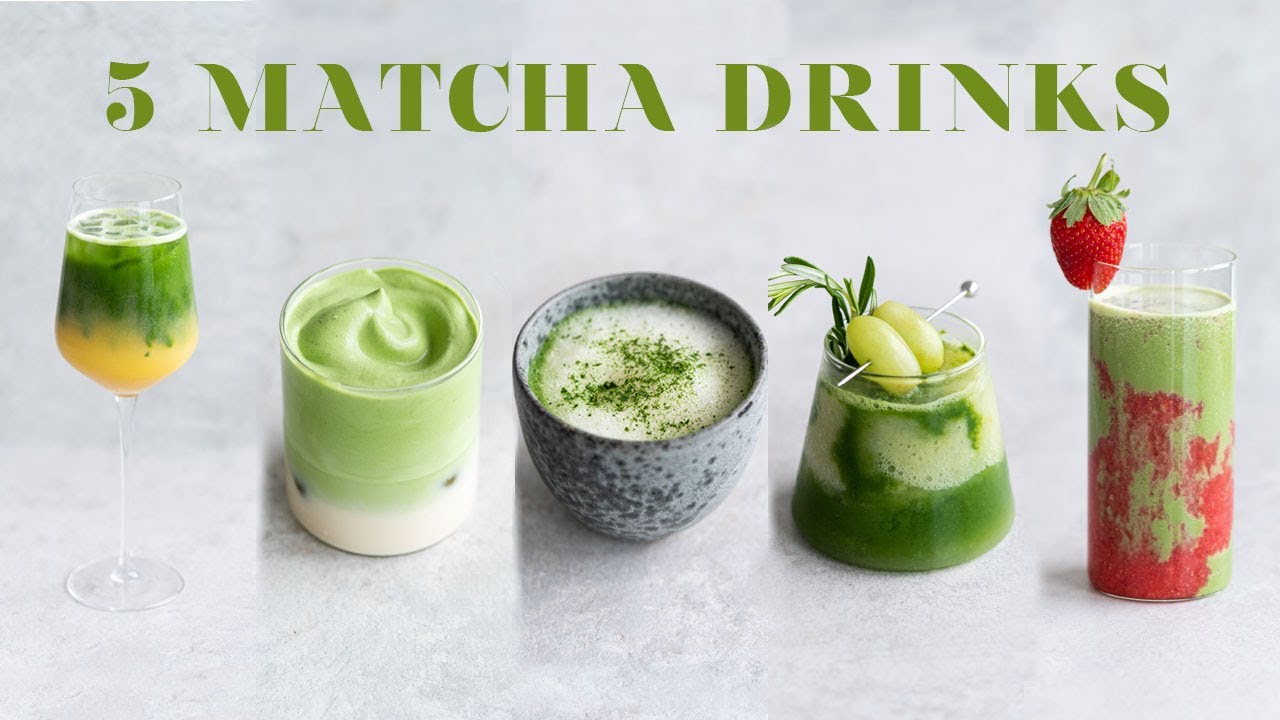
“Most homemade matcha lattes are bitter, clumpy, and separated before you finish drinking them. The problem isn't the matcha — it's that every step before the milk gets ignored. Water temperature, sifting, whisking motion: skip any one of them and you're just drinking expensive grass water. This recipe fixes all three.”
Why This Recipe Works
Matcha is not complicated. It has two ingredients in its simplest form — powder and water — and a preparation method that hasn't fundamentally changed in five hundred years. What has changed is the context: ceremonial-grade matcha designed for meditative tea ceremonies is now being prepared in home kitchens by people who have never held a chasen, using water fresh off a rolling boil, and wondering why the result tastes like bitter lawn clippings. The gap between a transcendent matcha latte and a disappointing one is not ingredient quality alone. It is technique, executed in a specific order, at a specific temperature, with a specific tool.
The Temperature Threshold
Green tea is chemically fragile in a way that black tea is not. The catechins — specifically epigallocatechin gallate (EGCG), matcha's primary antioxidant and one of its key flavor contributors — begin breaking down and turning bitter at temperatures above 180°F. The amino acid L-theanine, which provides matcha's characteristic umami sweetness and is responsible for its calm-focus caffeine profile, is even more heat-sensitive. Boiling water at 212°F doesn't just affect flavor — it chemically alters the drink you're making.
The 175°F target is not arbitrary. It's the temperature at which matcha dissolves efficiently into water without triggering the degradation cascade that turns a good tin of ceremonial matcha into something indistinguishable from a green tea bag. If you don't own a variable-temperature kettle, the four-minute rest after boiling reliably lands you in the safe zone. The investment in a temperature-controlled kettle pays for itself within a week if you're making this daily.
The Emulsification Problem
Matcha powder is hydrophobic — it actively resists water. The particles are ground so finely (roughly 5-10 microns, finer than talcum powder) that they form an electrostatic surface layer that repels water on contact. This is why unsifted matcha dropped into water immediately clumps into dense, irreversible pellets. Sifting breaks up the static bonds between particles before they ever touch liquid, allowing even hydration on first contact.
Whisking completes the emulsification. The bamboo chasen — with its 80-100 hand-split tines fanning out in a precise arc — creates thousands of micro-collisions per second between matcha particles and water molecules, suspending the powder in a stable, temporary emulsion. The result is a smooth, slightly frothy paste where every particle is dissolved and evenly distributed. A spoon achieves dissolution but not emulsification. An electric frother achieves emulsification but introduces too much air. The chasen hits the exact middle: smooth, stable, lightly aerated. Nothing else does what it does.
Milk as Architecture
The milk in a matcha latte is not just a carrier for the flavor — it's a structural component. Properly frothed milk creates a foam layer that floats above the denser matcha paste, giving you distinct zones of flavor as you drink. The first sip is pure foam, slightly sweet and neutral. The middle of the glass is the full latte experience. The last third is more concentrated matcha. This flavor progression is not accidental. It's the architecture of the drink, and it only works if the milk is frothed correctly.
Oat milk has become the default for good reason. Its beta-glucan fiber creates a foam structure that holds for several minutes rather than collapsing immediately like almond milk. Barista-edition oat milks go further, adding oil emulsifiers that mimic the behavior of whole milk without the dairy. For hot lattes, frothed whole milk still produces the richest, most stable foam. For iced versions, the frothing step is skipped entirely — cold milk poured directly over ice dilutes and integrates as you drink, which is the whole sensory point of the iced format.
Why the Salt
Salt in a sweet drink reads as counterintuitive until you understand what it's doing. Salt suppresses bitterness perception on the palate — specifically, sodium ions block the bitter taste receptor response at the cellular level. A pinch of sea salt in the matcha paste before the milk is added doesn't make the drink taste salty. It makes it taste less bitter and more sweet, amplifying the natural umami of good ceremonial matcha without any added sweetener. Taste the difference yourself: make two identical lattes and add a small pinch of salt to one. The effect is immediate and unambiguous.
Where Beginners Mess This Up
Before we start, read this. These are the 4 reasons your silky matcha latte (the froth method that actually works) will fail:
- 1
Using boiling water: Boiling water (212°F) scorches the delicate amino acids in matcha — specifically L-theanine and EGCG — and instantly turns the drink bitter. The correct temperature is 175°F (80°C). If you don't have a thermometer, let boiled water cool for 4-5 minutes. This single variable is responsible for the majority of bitter matcha complaints.
- 2
Skipping the sift: Matcha powder clumps aggressively due to its fine particle size and natural static. Adding unsifted matcha directly to water results in dense, undissolved clumps that no amount of whisking will break up. Sifting takes fifteen seconds and eliminates the problem entirely.
- 3
Stirring instead of whisking: A spoon stirs. A chasen (bamboo whisk) emulsifies. The rapid zigzag motion of proper whisking creates a stable foam by incorporating air and suspending matcha particles evenly throughout the liquid. A stirred matcha will separate within minutes. A properly whisked matcha holds its texture.
- 4
Using culinary-grade matcha for drinking: Culinary-grade matcha is designed to be baked with — its bitterness is masked by sugar and butter. Used in a latte, it tastes harsh and medicinal. Ceremonial-grade matcha has the umami sweetness and floral notes that make a latte worth drinking. The price difference is real. So is the taste difference.
The Video Reference Library
Want to see it in action? Here are the exact videos we analyzed and combined to build this foolproof recipe translation:
The definitive walkthrough on whisking technique, water temperature, and milk ratios. Demonstrates the correct figure-eight wrist motion and the visual difference between properly emulsified matcha and the stirred version.
Side-by-side comparison of grade differences, sourcing regions, and how to read matcha labels. Essential context before you spend money on the wrong tin.
Covers the iced variation in detail, including the cold foam technique and why you should never pour hot matcha directly over ice. Solid ratio breakdown for adjusting sweetness.
🛠️ Core Equipment
- Bamboo chasen (matcha whisk)The 80-100 tines of a chasen create microfoam through rapid emulsification that no electric frother or spoon can replicate. A chasen is the single most important piece of matcha equipment you can own. Keep it in a kusenaoshi (whisk holder) between uses to preserve its shape.
- Matcha bowl (chawan) or wide shallow bowlYou need surface area for the whisking motion. A narrow mug traps the chasen and prevents the figure-eight motion from developing foam. A wide, flat-bottomed bowl gives the wrist room to work.
- Fine-mesh sifterForces clumped matcha powder through tiny holes before it hits water. Non-negotiable for a smooth, lump-free result. A standard kitchen sieve works fine.
- Milk frother or small saucepanFor heating and frothing the milk. A handheld electric frother creates the best microfoam for hot lattes. For iced versions, cold foam — frothed cold milk — poured over ice is the move.
Silky Matcha Latte (The Froth Method That Actually Works)
🛒 Ingredients
- ✦2 teaspoons ceremonial-grade matcha powder, sifted
- ✦2 ounces (60ml) water, heated to 175°F (80°C)
- ✦6 ounces (180ml) oat milk or whole milk
- ✦1 tablespoon honey or maple syrup (adjust to taste)
- ✦1/4 teaspoon pure vanilla extract (optional)
- ✦Pinch of sea salt
- ✦Ice cubes (for iced version)
👨🍳 Instructions
01Step 1
Sift 2 teaspoons of matcha powder directly into your chawan or wide shallow bowl using a fine-mesh sifter.
02Step 2
Heat water to 175°F (80°C). If using a kettle without temperature control, bring water to a full boil then let it sit uncovered for 4-5 minutes.
03Step 3
Pour 2 ounces of the heated water over the sifted matcha powder.
04Step 4
Hold the chasen between your thumb and first two fingers. Using your wrist — not your arm — whisk rapidly in a zigzag or W-motion across the bottom of the bowl for 30-45 seconds until a thick, slightly foamy paste forms with no visible clumps.
05Step 5
Add honey or maple syrup and the pinch of sea salt to the matcha paste. Whisk briefly to combine.
06Step 6
Heat the oat milk in a small saucepan over medium heat until steaming but not boiling (about 150°F). Froth with a handheld frother for 20-30 seconds until doubled in volume and glossy.
07Step 7
Pour the frothed milk slowly over the matcha paste, holding back the foam with a spoon. Spoon the foam over the top.
08Step 8
Add vanilla extract if using. Serve immediately.
Nutrition Per Serving
Estimates based on standard preparation. Adjustments alter macros.
🔄 Substitutions
Instead of Oat milk...
Use Coconut milk (canned, full-fat)
Richer and creamier than oat milk with a mild sweetness that pairs well with matcha's bitterness. Does not froth as well but produces a luxurious, café-style texture when stirred in.
Instead of Honey...
Use Monk fruit sweetener or agave syrup
Monk fruit dissolves cleanly and adds zero glycemic load — good for those monitoring blood sugar. Agave is sweeter than honey by volume; start with half the amount and adjust.
Instead of Ceremonial matcha...
Use Premium culinary-grade matcha (not standard culinary)
Premium culinary sits between ceremonial and standard culinary in quality. It works in lattes if ceremonial is unavailable, but expect slightly more bitterness. Compensate with an extra pinch of salt and slightly more sweetener.
Instead of Bamboo chasen...
Use Electric handheld frother
A handheld milk frother used directly in the bowl creates acceptable emulsification if you don't own a chasen. The foam will be slightly coarser but functional. Do not use a blender — the vortex introduces too much air and produces a harsh, over-aerated result.
🧊 Storage & Reheating
In the Fridge
Prepared matcha paste (without milk) can be refrigerated in an airtight container for up to 24 hours. Stir vigorously before using as it will settle.
In the Freezer
Freeze matcha paste in ice cube trays for up to 1 month. Drop a cube into cold milk for an instant iced latte.
Reheating Rules
Do not reheat a completed matcha latte — the milk scorches and the matcha turns bitter. Make fresh. The entire process takes under 10 minutes.
❓ Frequently Asked Questions
Why does my matcha taste bitter?
Ninety percent of bitter matcha comes from one of two causes: water that's too hot, or matcha that's too old. Water above 180°F scorches the catechins and amino acids, producing a harsh, astringent taste. Old or oxidized matcha (anything stored at room temperature for more than a few weeks after opening) loses its sweetness and goes flat and bitter. Start with fresh ceremonial-grade matcha and 175°F water, and the bitterness problem disappears.
What is the difference between ceremonial and culinary matcha?
Ceremonial matcha is made from the youngest tea leaves, stone-ground slowly to preserve heat-sensitive flavor compounds. It has a natural sweetness, deep umami, and vivid green color. Culinary matcha uses older, more mature leaves — it's more astringent and bitter, designed to be balanced by sugar and fat in baked goods. For drinking straight or in a latte, always use ceremonial grade.
Can I make matcha without a bamboo whisk?
Yes, but the result is different. A handheld electric frother used directly in a bowl gets you closest to the real thing — it emulsifies the matcha paste adequately and creates foam. A regular spoon will dissolve the powder but won't aerate the liquid or create foam, and the matcha will separate faster. A blender creates excessive foam and can make the drink taste harsh.
Does matcha have more caffeine than coffee?
No. A standard 8oz matcha latte contains roughly 70-80mg of caffeine compared to 95-200mg in a cup of drip coffee. However, matcha's caffeine hits differently due to L-theanine, an amino acid that promotes calm focus and slows caffeine absorption. The result is a sustained, anxiety-free energy lift rather than a spike and crash.
Why is my matcha separating into layers in the glass?
You didn't whisk long enough or with enough intensity. Matcha particles are denser than water and will settle unless fully emulsified. Whisk for a full 30-45 seconds using a rapid zigzag motion until you see a uniform, slightly frothy paste with no visible settling on the bowl bottom. Properly emulsified matcha holds for several minutes before any visible separation.
Can I use a Nespresso or espresso machine to make matcha?
No. Espresso machines use pressure and extremely hot water — both destroy matcha's delicate flavor compounds. Matcha is not an espresso analog. It requires gentle, temperature-controlled preparation. There is no shortcut machine for this drink; the bamboo whisk and correctly tempered water are the entire method.

The Science of
Silky Matcha Latte (The Froth Method That Actually Works)
We turned everything on this page into a beautiful, flour-proof PDF cheat sheet. Print it out, stick it to your fridge, and never mess up your silky matcha latte (the froth method that actually works) again.
*We'll email you the high-res PDF instantly. No spam, just perfectly cooked meals.
AlmostChefs Editorial Team
We translate the internet's most popular cooking videos into foolproof, beginner-friendly written recipes. We analyze multiple methods, test them in our kitchen, and engineer a single "Master Recipe" that gives you the best possible result with the least possible stress.