Spicy Masala Pasta (The Indo-Italian Weeknight Fix)
Pasta tossed in a bold, aromatic tomato-onion masala with whole spices, green chilies, and a finishing hit of butter. We broke down the most-watched YouTube methods to give you one technique that delivers deeply spiced sauce, perfectly coated noodles, and zero greasiness — every time.
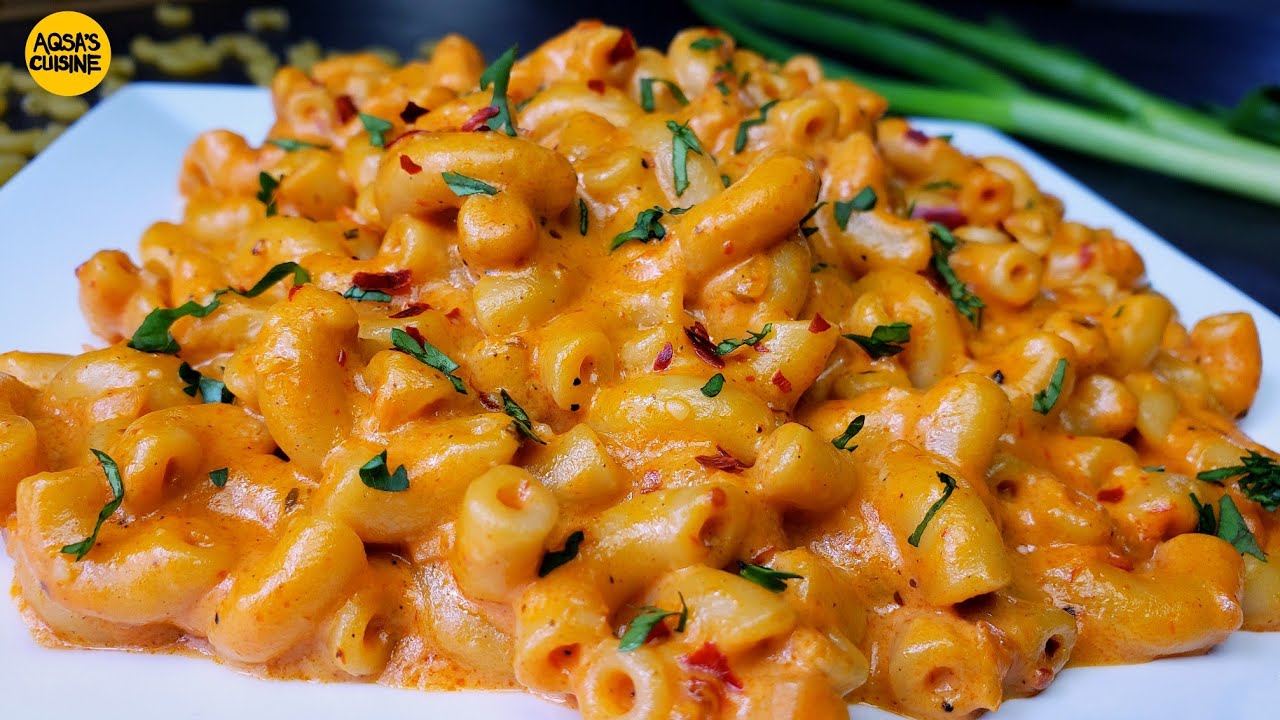
“Masala pasta sounds like a gimmick until you taste it. The collision of cumin-tempered tomato sauce with al dente pasta is not an accident — it's a legitimate technique that Indian home cooks have been perfecting since the 1970s. The problem is most versions are either greasy and heavy or bland and watery. The difference comes down to three things: how long you cook your onion-tomato base, whether you add pasta water to the masala, and the one finishing step most recipes skip. We watched every major YouTube take on this dish to build the version that actually works.”
Why This Recipe Works
Masala pasta is not fusion for the sake of novelty. It is a legitimate weeknight technique that emerged organically from Indian home kitchens the moment penne became available at the local kirana store — and it works precisely because the underlying logic of Indian cooking translates so cleanly to pasta. Tempered whole spices in hot oil. A deeply reduced onion-tomato base. Aromatics layered in sequence. These are not compromises; they are the exact techniques that make pasta sauce extraordinary in any culinary tradition.
The Masala Is the Dish
Everything in masala pasta hinges on the quality of the onion-tomato base, and the onion-tomato base hinges on patience. You are building what Indian cooks call a masala — a cooked-down aromatic paste that serves as the flavor chassis for the entire dish. The goal is not a sauce. It is a paste: thick, jammy, visibly separated from its own oil, with zero trace of raw tomato acidity.
The oil separation test is your north star. As the tomatoes cook down and their water evaporates, the oil that carried your whole spices at the beginning of the process re-emerges, visible and pooling, around the edges of the concentrated paste. This is Maillard reaction territory — sugars and proteins in the tomato and onion have caramelized, bitterness has cooked off, and what remains is pure savory depth. Pulling the masala before this point is the most common error in the dish. The resulting sauce tastes flat, slightly sour, and unmistakably rushed.
Your heavy-bottomed skillet is the tool that makes this possible without burning. Wide surface area means more evaporation per minute, which accelerates the reduction. Thick walls mean even heat distribution, which prevents the sugars from scorching at the edges while the center stays wet.
The Starch Emulsion
This is the technique that separates competent masala pasta from genuinely great masala pasta, and it is borrowed wholesale from Italian cooking. Pasta water is not a convenience — it is an ingredient. The water you boil pasta in accumulates starch released from the noodles, and that starch acts as an emulsifier: it binds the oil in your masala with the water in your sauce, creating a unified coating that clings to every noodle rather than pooling at the bottom of the bowl.
Add it incrementally — two tablespoons at a time, tossing constantly with tongs — and watch the sauce transform from slick and oily to glossy and cohesive. This is the same principle behind cacio e pepe, behind tonnarelli, behind every pasta dish that looks effortlessly sauced in Italian trattorias. The starch is doing the work. All you have to do is add the water before you drain it, which roughly 40% of home cooks forget to do.
Spice Sequencing
The order in which spices enter the pan is not decorative — it is functional. Whole cumin seeds go into hot oil first because they need direct fat contact to bloom their volatile aromatic compounds. They will sizzle, darken slightly, and perfume the entire pan within 45 seconds. This is tempering, and it is the foundational technique of Indian cooking. Skip it and your masala tastes like tomato sauce with powder in it. Nail it and the cumin note runs through every bite as a low hum of warmth.
Ground spices — cumin powder, coriander, turmeric, Kashmiri chili — go in later, with the tomatoes, where they hydrate and cook into the paste. Garam masala and oregano go in last, added with the pasta itself, because their volatile aromatics dissipate quickly under heat and you want them fresh in the final dish. Each spice has its window. Respecting that window is the difference between a nuanced masala and a muddy one.
The Finishing Move
Cold butter, stirred in off the heat, is the final act. This is a classical French technique — monter au beurre — applied to a dish that has no French ancestry and does not care. What it does is straightforward: the cold butter emulsifies into the hot sauce as it melts, adding richness, gloss, and a subtle dairy sweetness that rounds off the sharpest edges of the chili and cumin. The result is a sauce that feels finished rather than assembled. One tablespoon. Off the heat. Every time.
Where Beginners Mess This Up
Before we start, read this. These are the 4 reasons your spicy masala pasta (the indo-italian weeknight fix) will fail:
- 1
Under-cooking the onion-tomato base: The masala needs to cook down until the oil separates visibly from the tomato and the raw smell is completely gone. Most people pull it off the heat when it just looks saucy. What you want is a thick, jammy paste where the tomatoes have broken down entirely. This takes 12-15 minutes on medium heat and is the foundation of all the flavor in the dish.
- 2
Adding pasta without pasta water: Pasta water is your emulsifier. The starch it carries binds the oil-based masala and the pasta into a cohesive coating rather than a greasy mess at the bottom of the bowl. Reserve at least half a cup before you drain. Add it two tablespoons at a time when you toss the pasta into the masala — you want the sauce to cling, not pool.
- 3
Using dried herbs instead of fresh: Masala pasta lives and dies on the freshness of its aromatics. Dried oregano sprinkled over the top is a different dish. Fresh cilantro added off the heat, a squeeze of lemon at the end — these are the moves that lift the dish from cafeteria food to something you'd order twice.
- 4
Skipping the butter finish: The final tablespoon of cold butter stirred in off the heat is not optional. It rounds out the sharp edges of the spice, adds gloss to the sauce, and creates that restaurant-quality richness that makes people ask for the recipe. It is twenty calories and the entire reason the dish feels complete.
The Video Reference Library
Want to see it in action? Here are the exact videos we analyzed and combined to build this foolproof recipe translation:
The clearest walkthrough of the oil-separation test for the masala base, and exactly how to toss pasta into the sauce without losing the coating. Essential watching before your first attempt.
Demonstrates the pasta water emulsification technique in detail and shows the visual difference between a properly bound sauce and a greasy one. Good companion to the main recipe.
Covers tempering whole spices in oil, which is the foundational technique behind masala pasta's depth. If you've never bloomed cumin seeds before, start here.
🛠️ Core Equipment
- Heavy-bottomed sauté pan or skilletA wide, flat surface gives your masala base room to reduce evenly without steaming itself into wateriness. High sides prevent splatter when the tomatoes go in. A thin pan creates hot spots that burn the spices before the onions cook through.
- Large pasta potPasta needs room to move in heavily salted boiling water. A cramped pot drops the water temperature dramatically when you add the pasta, leading to uneven, starchy cooking. Use the biggest pot you have.
- Wooden spoon or silicone spatulaFor smashing and stirring the tomato masala as it cooks down. You want to actively break the tomatoes apart as they soften — metal utensils can scratch if you're using a non-stick pan.
- Microplane or box graterFor grating fresh ginger directly into the pan. Grated ginger distributes more evenly and releases more aromatic oils than minced — and it disappears into the sauce rather than appearing in occasional chunks.
Spicy Masala Pasta (The Indo-Italian Weeknight Fix)
🛒 Ingredients
- ✦400g penne or fusilli pasta
- ✦3 tablespoons neutral oil (sunflower or avocado)
- ✦1 tablespoon unsalted butter, plus 1 extra tablespoon for finishing
- ✦1 teaspoon cumin seeds
- ✦1 medium red onion, finely diced
- ✦1 tablespoon fresh ginger, grated
- ✦5 garlic cloves, minced
- ✦3 green Thai chilies, finely sliced (adjust to heat preference)
- ✦3 medium tomatoes, roughly chopped (or one 400g tin of whole peeled tomatoes)
- ✦2 tablespoons tomato paste
- ✦1 teaspoon cumin powder
- ✦1 teaspoon coriander powder
- ✦1/2 teaspoon turmeric
- ✦1 teaspoon Kashmiri chili powder (or mild paprika)
- ✦1/2 teaspoon garam masala
- ✦1 teaspoon dried oregano
- ✦1/2 cup reserved pasta water
- ✦1/2 medium bell pepper, diced (red or yellow)
- ✦1/2 cup frozen peas or corn
- ✦1/4 cup fresh cilantro, roughly chopped
- ✦1 tablespoon fresh lemon juice
- ✦Sea salt to taste
- ✦Freshly grated Parmesan or aged cheddar for serving (optional)
👨🍳 Instructions
01Step 1
Bring a large pot of heavily salted water to a rolling boil. Add the pasta and cook 1-2 minutes less than the package directions — you want it firmly al dente because it will finish cooking in the masala.
02Step 2
Reserve 1/2 cup of pasta water before draining. Drain the pasta and toss lightly with a few drops of oil to prevent sticking.
03Step 3
Heat oil in a wide, heavy-bottomed skillet over medium heat. Add cumin seeds and let them sizzle for 30-45 seconds until fragrant and slightly darkened. They should dance in the oil, not sit still.
04Step 4
Add the diced onion with a pinch of salt. Sauté over medium heat for 8-10 minutes, stirring frequently, until the onions are soft and turning golden at the edges.
05Step 5
Add garlic, ginger, and green chilies. Stir and cook for 2 minutes until the raw smell of the garlic is gone and the mixture is fragrant.
06Step 6
Add tomato paste and cook for 1 minute, stirring constantly, until it darkens slightly.
07Step 7
Add the chopped tomatoes, cumin powder, coriander powder, turmeric, and Kashmiri chili powder. Stir to combine and cook on medium heat for 12-15 minutes, pressing the tomatoes with the back of your spoon.
08Step 8
Add the diced bell pepper and frozen peas or corn. Stir and cook for 3 minutes until just tender but still bright.
09Step 9
Add the drained pasta to the skillet. Pour in the reserved pasta water two tablespoons at a time, tossing constantly between additions, until the sauce clings to every noodle without pooling at the bottom.
10Step 10
Add dried oregano and garam masala. Toss once more and cook for 1 minute to let the flavors integrate.
11Step 11
Remove from heat. Add the finishing tablespoon of cold butter and stir until it melts and the sauce turns glossy.
12Step 12
Add lemon juice and half the cilantro. Toss. Taste and adjust salt.
13Step 13
Serve immediately, topped with remaining cilantro and grated Parmesan if using.
Nutrition Per Serving
Estimates based on standard preparation. Adjustments alter macros.
🔄 Substitutions
Instead of Butter...
Use Vegan block butter or coconut cream
The finishing fat step is about gloss and roundness, not dairy specifically. Vegan butter works nearly identically. Coconut cream adds subtle sweetness and makes the dish fully plant-based.
Instead of Green Thai chilies...
Use Serrano peppers or pickled jalapeños
Serranos are a close heat match. Pickled jalapeños are milder with a vinegar tang that actually works well against the tomato base. For no heat at all, use a diced roasted poblano.
Instead of Kashmiri chili powder...
Use Sweet smoked paprika
Not an identical substitute — you lose the subtle fruitiness of Kashmiri chili — but smoked paprika delivers similar color and a complementary smoky note. Use a 1:1 ratio.
Instead of Fresh tomatoes...
Use One 400g tin of whole peeled tomatoes
Tinned tomatoes are often superior in flavor outside of peak summer season. Crush them by hand as you add them to the pan. The result is a slightly deeper, more consistent masala.
🧊 Storage & Reheating
In the Fridge
Store in an airtight container for up to 3 days. The masala continues to develop flavor overnight — day-two masala pasta is frequently better than day-one.
In the Freezer
Freeze the masala base separately (without the cooked pasta) for up to 2 months. Thaw overnight and cook fresh pasta when ready to serve. Frozen pasta becomes mealy and sad.
Reheating Rules
Add 2 tablespoons of water to the pasta, cover the pan, and reheat on low for 5-7 minutes, tossing halfway through. Finish with a small knob of butter to restore the gloss.
❓ Frequently Asked Questions
What pasta shape works best for masala pasta?
Fusilli and penne are ideal because their ridges and tubes trap the masala. Rigatoni also works well. Avoid flat pasta like fettuccine — the sauce slides off rather than coating it. Long pasta like spaghetti is acceptable but gives you a different texture experience.
Can I make masala pasta without butter?
You can, but the finishing butter is the single step that elevates this from good to great. It rounds out the spice, adds gloss, and creates a restaurant-quality richness. If you must skip it, a tablespoon of coconut cream or a drizzle of good olive oil added off the heat will do similar work.
Why is my masala pasta oily?
Two likely culprits: either you didn't add enough pasta water when tossing (the starch emulsifies the fat into the sauce), or you added too much oil in the tempering stage. Use pasta water aggressively — two tablespoons at a time, tossing constantly — until the sauce looks glossy rather than slick.
Is masala pasta authentically Indian?
It depends on your definition of authentic. It's a genuine product of Indian home cooking that emerged as pasta became widely available in Indian supermarkets through the 1980s and 1990s. It's not traditional in the classical sense, but it is deeply rooted in how Indian home cooks actually cook. Authenticity is a moving target.
Can I add vegetables beyond what's listed?
Absolutely. Spinach wilted in at the end, roasted cherry tomatoes, sautéed mushrooms, or diced zucchini all work well. Add sturdy vegetables (broccoli, cauliflower) with the bell pepper. Add delicate vegetables (spinach, peas) in the final two minutes. Don't overcrowd the pan — cook them separately and fold in at the end if you're adding more than two.
How do I know when the oil has separated from the masala?
Look for a visual ring of reddish-orange oil appearing around the edges of the tomato paste, separate from the jammy solid mass at the center. The masala should look dry and concentrated, not wet and saucy. If you tip the pan, the oil should pool visibly. This takes 12-15 minutes and cannot be rushed.

The Science of
Spicy Masala Pasta (The Indo-Italian Weeknight Fix)
We turned everything on this page into a beautiful, flour-proof PDF cheat sheet. Print it out, stick it to your fridge, and never mess up your spicy masala pasta (the indo-italian weeknight fix) again.
*We'll email you the high-res PDF instantly. No spam, just perfectly cooked meals.
AlmostChefs Editorial Team
We translate the internet's most popular cooking videos into foolproof, beginner-friendly written recipes. We analyze multiple methods, test them in our kitchen, and engineer a single "Master Recipe" that gives you the best possible result with the least possible stress.