Easy Mapo Tofu (The 30-Minute Sichuan Masterclass)
Silky tofu cubes in a fiery, numbing chili oil sauce with seasoned ground pork — the Sichuan classic that balances heat, tingle, and savory depth in under 30 minutes. We broke down the technique so you get restaurant-quality results every time, with a vegetarian option that loses nothing.
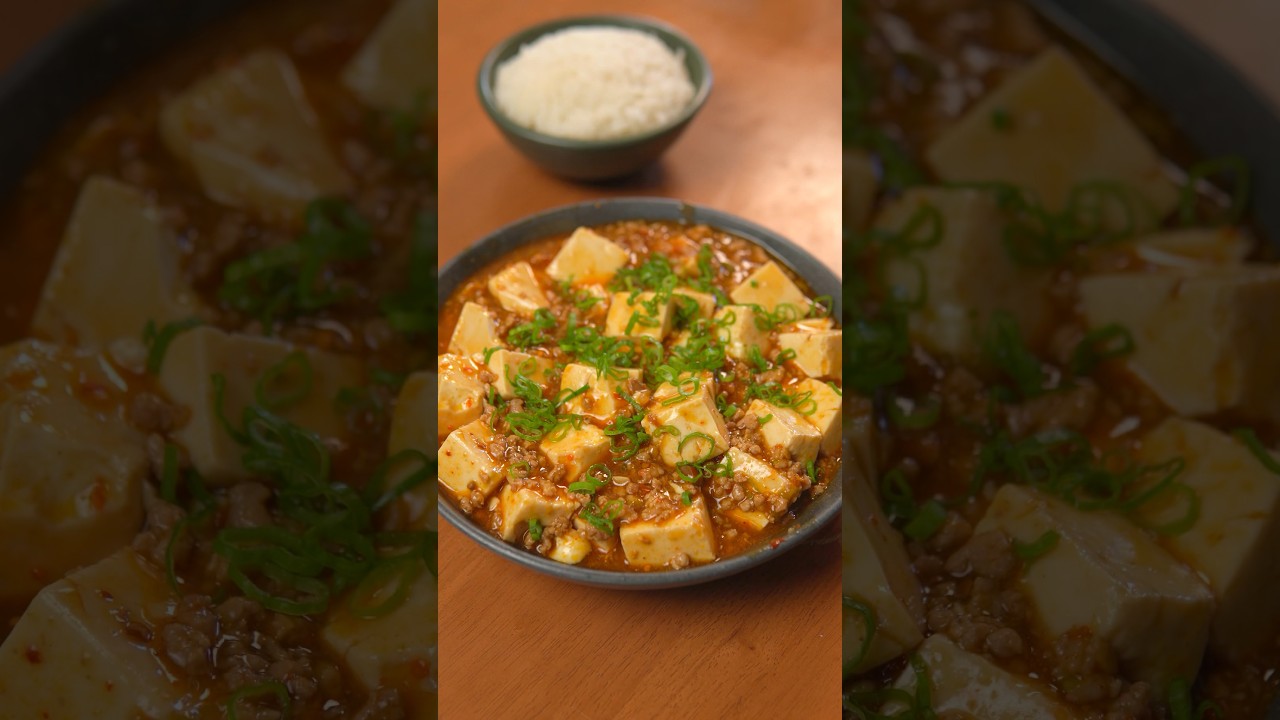
“Most home versions of Mapo Tofu fail at the same three points: undercooked doubanjiang that tastes raw and sharp, tofu cubes that crumble into the sauce, and Sichuan peppercorns added too late to bloom properly. The result is a dish that's just spicy and salty instead of the complex, layered, face-tingling experience that made this a centuries-old classic. Fix those three things and every other detail falls into place.”
Why This Recipe Works
Mapo Tofu is one of the most precisely engineered dishes in Chinese cuisine. Every element serves a specific structural or flavor function, and the failures that plague most home versions trace directly back to misunderstanding what those functions are. This isn't a difficult dish — it's a 27-minute weeknight dinner. But it punishes shortcuts in ways that feel mysterious until you understand the mechanics.
The Doubanjiang Problem
Doubanjiang is a fermented broad bean and chili paste that has been aged, salted, and dried. It is the backbone of Sichuan cooking and the defining flavor compound in Mapo Tofu. It is also the ingredient most home cooks mishandle.
The paste needs direct heat in oil — not broth, not a wet sauce — for 60-90 seconds before any liquid enters the pan. During that window, the Maillard reaction converts the raw, sharp fermented edge into something roasted and complex. The oil turns a vivid deep red as the chili compounds bloom and disperse. That red oil coating the aromatics is the flavor base for the entire dish. Skip the caramelization step and the sauce tastes aggressively fermented with a raw, slightly acrid edge. Do it correctly and the sauce tastes like something that took hours.
Sichuan Peppercorns Are Chemistry, Not Spice
Most people experience Sichuan peppercorns as "spicy" but that's not technically accurate. They contain hydroxy-alpha-sanshool, a compound that directly activates the same neural receptor responsible for touch and low-frequency vibration. What you feel as tingling and numbness is not heat — it's your nerve endings misfiring. This is the "ma" in mala (numbing-spicy), and it's entirely distinct from the "la" burn of chili heat.
To get the full effect, the peppercorns must be freshly crushed and bloomed in hot oil early in the cook. Pre-ground peppercorn loses its volatile aromatics within weeks of grinding. Old whole peppercorns fade similarly. If your Mapo Tofu isn't making your lips tingle, the problem is either the quality of the peppercorns or the timing of when they hit the fat.
Tofu Is Structurally Specific
Pressing tofu is not fussiness — it's architecture. Firm tofu is approximately 85% water by weight when it comes out of the package. That water sits between protein networks and will release into your sauce the moment heat is applied, diluting everything you just built. Fifteen minutes under a Dutch oven or cast iron skillet removes enough moisture that the tofu firms up, holds its cube shape through the simmer, and actually absorbs the sauce rather than fighting it.
The handling after pressing is equally critical. Tofu at this stage is structurally similar to a soft cheese — it folds, it doesn't stir. Use a wide spatula and work from the bottom of the wok with a slow folding motion. The moment you start stirring in circles, the cubes break apart and you have Mapo Scramble.
The Cornstarch Finish
The cornstarch slurry serves a specific textural function that differentiates restaurant Mapo Tofu from home versions. Without it, the sauce is thin and watery — it pools at the bottom of the bowl rather than coating each cube. With it, the sauce becomes glossy, clingy, and thick enough to stay suspended on the tofu through every bite.
Add it in two passes, not all at once. The first addition thickens the sauce; the second lets you dial in the final consistency. The target is a sauce that coats the back of a spoon and holds a clear line when you drag your finger through it. Glossy, not gloopy.
The Vegetarian Version Is Not a Compromise
Finely chopped cremini mushrooms, cooked down until deeply browned and fully dehydrated, deliver nearly identical umami depth to ground pork in this dish. The key word is deeply — pale, barely-cooked mushrooms taste like wet paper. Mushrooms that have been cooked until they're dark, slightly chewy, and fragrant taste savory and meaty in a way that disappears into the sauce exactly like pork does. Eight minutes of patience in a hot wok is all it takes.
Where Beginners Mess This Up
Before we start, read this. These are the 4 reasons your easy mapo tofu (the 30-minute sichuan masterclass) will fail:
- 1
Not caramelizing the doubanjiang: Doubanjiang is a fermented paste — it needs 60-90 seconds of direct heat in oil to lose its raw, sharp edge and develop the deep red color and roasted complexity that defines the dish. Dumping it in and moving on immediately produces a sauce that tastes aggressively fermented rather than richly savory.
- 2
Adding tofu too early or stirring too aggressively: Firm tofu is fragile once it hits hot liquid. Add it after the sauce is already simmering, not before, and use a gentle folding motion rather than stirring. If you're using a spoon like a spatula, you're shredding it. The goal is intact cubes suspended in sauce, not a tofu scramble.
- 3
Skipping the tofu press: Unpressed tofu releases water directly into the sauce, diluting the flavor and preventing proper thickening. Fifteen minutes under a heavy weight removes enough moisture that the tofu holds its shape and actually absorbs the sauce rather than fighting it.
- 4
Blooming Sichuan peppercorns too late: Sichuan peppercorns need direct fat contact early in the cook to release hydroxy-alpha-sanshool — the compound responsible for the numbing sensation. Adding them at the end means they contribute almost no tingle. They go in with the aromatics, in hot oil, before the broth ever touches the pan.
The Video Reference Library
Want to see it in action? Here are the exact videos we analyzed and combined to build this foolproof recipe translation:
The source video for this recipe. Clear breakdown of doubanjiang caramelization and the exact moment to add the tofu. Watch the sauce color transformation — that's your target.
🛠️ Core Equipment
- Wok or large carbon steel skilletHigh sloped sides give you space to stir without launching ingredients and allow for the high heat that caramelizes the doubanjiang properly. A shallow nonstick pan traps steam and prevents browning.
- Heavy weight for pressing tofuCast iron skillet, heavy book, or a [Dutch oven](/kitchen-gear/review/dutch-oven) set on top of paper-towel-wrapped tofu. The press is not optional — wet tofu breaks apart and dilutes the sauce.
- Mortar and pestle or spice grinderFor crushing Sichuan peppercorns. Pre-ground peppercorn loses its volatile aromatic compounds quickly. Freshly crushed blooms faster and delivers stronger numbing. Even a zip bag and rolling pin works.
- Fine-mesh sieveOptional but useful for straining the cornstarch slurry before adding to the sauce. Lumpy slurry creates uneven thickening — a few seconds of prep prevents 10 minutes of sauce frustration.
Easy Mapo Tofu (The 30-Minute Sichuan Masterclass)
🛒 Ingredients
- ✦14 ounces firm tofu, pressed and cut into 3/4-inch cubes
- ✦1/2 pound ground pork (or 8 ounces cremini mushrooms, finely chopped)
- ✦3 tablespoons vegetable oil, divided
- ✦4 cloves garlic, minced
- ✦1 tablespoon fresh ginger, finely grated
- ✦2 green onions, white parts only, minced
- ✦2 tablespoons doubanjiang (spicy bean paste)
- ✦1 1/2 teaspoons Sichuan peppercorns, crushed
- ✦1 cup low-sodium chicken or vegetable broth
- ✦2 tablespoons tamari or low-sodium soy sauce
- ✦1 tablespoon rice vinegar
- ✦1 teaspoon sesame oil
- ✦1/2 teaspoon sugar
- ✦1 tablespoon cornstarch mixed with 2 tablespoons cold water
- ✦1/2 teaspoon red pepper flakes or chili oil, optional
- ✦2 green onions, green parts only, sliced for garnish
- ✦1 teaspoon white sesame seeds for garnish
👨🍳 Instructions
01Step 1
Press the tofu between layers of paper towels with a heavy weight for 15 minutes. Cut into 3/4-inch cubes and set aside.
02Step 2
Heat 1 tablespoon of oil in a wok or large skillet over medium-high heat until shimmering. Add the ground pork and cook, breaking it apart, until no pink remains and it begins to brown, 4-5 minutes.
03Step 3
Transfer the cooked pork or mushrooms to a plate and set aside.
04Step 4
Add the remaining 2 tablespoons of oil to the wok over medium heat. Add the minced white parts of green onions and cook until fragrant, about 30 seconds. Add the garlic and ginger and stir constantly for 20 seconds until very aromatic.
05Step 5
Stir in the doubanjiang, coating all the aromatics evenly. Let it caramelize in the oil for 60-90 seconds, stirring frequently, until the oil turns deep red and the paste loses its sharp raw smell.
06Step 6
Add the crushed Sichuan peppercorns and red pepper flakes if using. Stir for 20 seconds to bloom the spices in the oil.
07Step 7
Pour in the broth, tamari, rice vinegar, and sesame oil. Return the cooked pork or mushrooms to the wok and bring to a gentle simmer.
08Step 8
Carefully add the tofu cubes to the simmering sauce. Gently fold — do not stir — to coat the cubes without breaking them. Simmer for 3-4 minutes.
09Step 9
Stir the cornstarch slurry to recombine, then slowly drizzle it into the simmering sauce while gently stirring. Let the sauce thicken until it coats the back of a spoon, 1-2 minutes.
10Step 10
Taste and adjust seasoning with additional tamari, rice vinegar, or sugar to balance the flavors.
11Step 11
Transfer to a serving bowl. Garnish with sliced green onion tops and white sesame seeds. Serve immediately over steamed rice.
Nutrition Per Serving
Estimates based on standard preparation. Adjustments alter macros.
🔄 Substitutions
Instead of Ground pork...
Use Finely chopped cremini or shiitake mushrooms
Cook them until deeply browned and all liquid has evaporated — about 8 minutes. They provide the same umami punch with a slightly earthier note. This is a legitimate vegetarian version, not a compromise.
Instead of Doubanjiang (spicy bean paste)...
Use 2 tablespoons gochujang plus 1 tablespoon white miso paste
Comparable fermented depth and heat. Slightly sweeter and less intensely spicy. Works well if doubanjiang is unavailable, though the flavor profile shifts Korean-adjacent.
Instead of Tamari or soy sauce...
Use Coconut aminos
Reduces sodium by roughly 40% with a subtle sweetness. Fully gluten-free. Slightly thinner, so the sauce may need an extra half-teaspoon of cornstarch to compensate.
Instead of Firm tofu...
Use Silken tofu for creamier texture, or extra-firm for cleaner cube integrity
Silken requires no pressing and creates an almost custard-like texture that merges with the sauce. Extra-firm holds its shape through vigorous folding. Handle silken with extreme care — it breaks at a glance.
🧊 Storage & Reheating
In the Fridge
Store in an airtight container for up to 3 days. The sauce will thicken considerably as it sits — add a splash of broth when reheating.
In the Freezer
Not recommended. Tofu changes texture dramatically after freezing, becoming spongy and grainy. The sauce freezes fine but the tofu does not.
Reheating Rules
Reheat gently in a covered skillet over low heat with 2-3 tablespoons of broth or water to loosen the sauce. Microwave works but tends to make the tofu rubbery — stovetop is strongly preferred.
❓ Frequently Asked Questions
Why doesn't my Mapo Tofu have the numbing sensation?
The Sichuan peppercorns weren't bloomed properly. They need 20-30 seconds of direct heat in oil before the liquid hits the pan. If you added them to the broth or at the end, they won't release hydroxy-alpha-sanshool — the compound responsible for the tingle. Also check your peppercorn freshness; pre-ground or old whole peppercorns lose potency quickly.
My tofu fell apart in the sauce. What went wrong?
Two likely causes: the tofu wasn't pressed long enough, or you stirred instead of folded. Unpressed tofu is structurally weak and crumbles under any agitation. Even well-pressed tofu needs to be handled with a gentle folding motion — not stirred like pasta.
Can I make this dish gluten-free?
Yes. Use tamari instead of regular soy sauce (most tamari is gluten-free — check the label), and ensure your doubanjiang is wheat-free (some brands contain wheat as a filler). Alternatively, use the gochujang plus miso substitution listed above and verify both are certified gluten-free.
How do I reduce the heat without losing the flavor?
Reduce the doubanjiang to 1 tablespoon and omit the optional chili flakes. The Sichuan peppercorns contribute tingle but not burn — you can keep the full amount and still have a mild dish. The fermented depth of the sauce comes from the doubanjiang regardless of the quantity, so even 1 tablespoon delivers the essential flavor.
Is this the same as Korean sundubu jjigae?
Related but distinct. Sundubu uses silken tofu in a Korean gochujang-based broth, often with egg and seafood. Mapo Tofu is Sichuan in origin, uses firm tofu with ground meat, and is defined by doubanjiang and Sichuan peppercorns. Both are excellent. They are not interchangeable.
What's the best rice to serve with Mapo Tofu?
Short-grain or medium-grain white rice — specifically the kind that clumps slightly so it picks up the sauce. Long-grain varieties are too dry and separate; the sauce runs right off. Japanese-style or sushi rice is ideal. Cauliflower rice works as a low-carb option but changes the entire eating experience.
The Science of
Easy Mapo Tofu (The 30-Minute Sichuan Masterclass)
We turned everything on this page into a beautiful, flour-proof PDF cheat sheet. Print it out, stick it to your fridge, and never mess up your easy mapo tofu (the 30-minute sichuan masterclass) again.
*We'll email you the high-res PDF instantly. No spam, just perfectly cooked meals.
AlmostChefs Editorial Team
We translate the internet's most popular cooking videos into foolproof, beginner-friendly written recipes. We analyze multiple methods, test them in our kitchen, and engineer a single "Master Recipe" that gives you the best possible result with the least possible stress.