Mango Sticky Rice Done Right (The Thai Dessert You've Been Overcomplicating)
A traditional Thai dessert of creamy coconut-soaked glutinous rice paired with fresh ripe mango. We analyzed the most popular YouTube methods and stripped this recipe to its essential technique — the coconut sauce absorption window is everything.
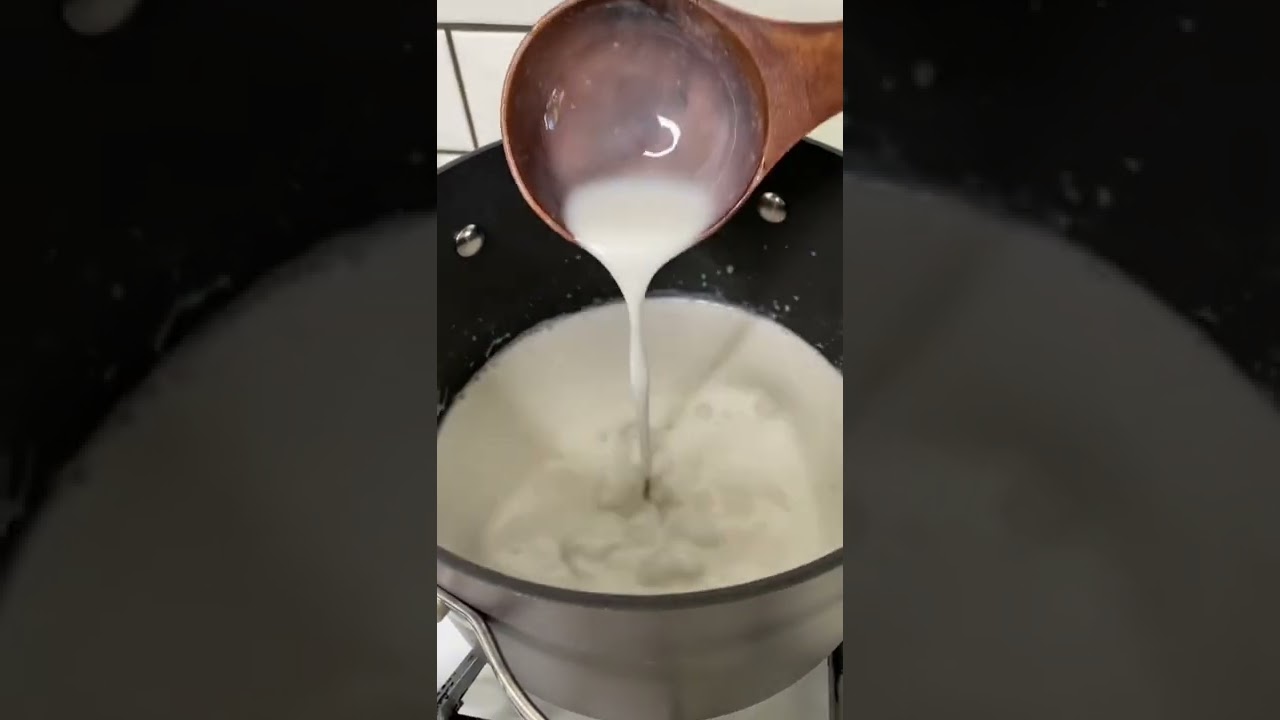
“Mango sticky rice looks like a dessert that requires some mysterious Thai grandmother knowledge. It does not. The entire recipe hinges on one thing you can master on your first attempt: pouring the warm coconut sauce over hot rice and letting it absorb for exactly 20-25 minutes. Too short and the rice is chalky. Too long and it turns gluey. Nail that window and everything else falls into place.”
Why This Recipe Works
Mango sticky rice is one of those dishes that looks deceptively simple — rice, coconut milk, fruit — until you make a bad version of it and realize that every step contains a precision requirement masquerading as a casual instruction. The gap between forgettable and transcendent comes down to about four variables, and none of them are exotic.
The Rice Is the Entire Argument
Glutinous rice is not regular rice cooked to a softer texture. It is a genetically distinct grain with an almost entirely amylopectin starch structure, where regular rice contains a mix of amylopectin and amylose. Amylopectin is the starch responsible for the sticky, cohesive texture that holds the coconut sauce rather than just sitting in it. You cannot swap in jasmine rice, basmati, or arborio and expect a comparable result. The starch architecture is different and the physics don't transfer.
The rinse step exists to remove the excess surface starch that coats each grain during milling. This loose starch is the enemy of clean texture — leave it on and your coconut sauce thickens into a gluey paste during absorption. Two minutes of active rinsing in a fine-mesh sieve under cold running water is enough to strip the surface without affecting the grain's interior starch structure. The water will never run completely clear. You are aiming for a light milky haze rather than the opaque white slurry you start with.
The Coconut Sauce Temperature Window
The coconut sauce needs to be warm — not hot, not cold — when it hits the rice, and the rice needs to be hot when it receives the sauce. These two temperature requirements are not suggestions. Hot rice is structurally open, its starch granules swollen and porous from cooking, ready to absorb liquid deeply. Cold rice has already set into a firm matrix that repels added liquid rather than drinking it in. The sauce has to go on within minutes of the rice finishing.
The coconut milk itself must be warmed over gentle heat in a heavy-bottomed saucepan without ever breaking into a boil. Full-fat coconut milk is an emulsion of fat, water, and proteins. Above roughly 180°F the emulsion destabilizes — the fat separates and rises, leaving you with a greasy, grainy liquid that sits on top of the rice rather than absorbing into it. Watch for steam, not bubbles. The moment you see wisps rising off the surface, add the sugar and salt and start stirring.
Salt Is Load-Bearing
Three-quarters of a teaspoon of salt in a dessert recipe seems wrong until you taste the rice without it. The salt does two things: it suppresses the perception of sweetness, which sounds counterintuitive until you realize that unmodulated sweetness tastes thin and one-dimensional. The salt also activates flavor receptors that pure sugar cannot reach, which is why the best coconut rice tastes complex and layered while the mediocre version tastes like candy. Do not reduce it.
The Mango Is Half the Dish
The rice is the technical challenge. The mango is the sensory payoff, and it has to be right. Ripe ataulfo mangoes — the small yellow ones that stay yellow when ripe — are fiberless, intensely sweet, and slice clean. The standard large red-green Tommy Atkins mango works but has a higher fiber content that creates a stringy chew at odds with the silky rice. Regardless of variety, the mango should yield to gentle thumb pressure and smell noticeably fruity at the stem end. An underripe mango is acidic in a way that fights the coconut rather than framing it.
The crosshatch score and hedgehog presentation is partly visual, but it also exposes more mango surface area, which means more of the fruit's juice contacts the rice on each bite. This is not decoration. Every element of classical presentation in Thai cuisine serves the eating experience.
The Rest Is Assembly
Once the sauce is absorbed and the mango is sliced, the work is done. The reserved coconut milk drizzle, the toasted sesame seeds, the arrangement on the plate — these are the final calibration points, not afterthoughts. The sesame seeds should be toasted right before serving, not pulled from a bag that's been open for six months. The reserved coconut milk should be drizzled generously, not painted on for aesthetics. And the dish should be eaten immediately. Mango sticky rice is a point-in-time experience — rice warm, mango cool, coconut sauce fresh. It does not improve with waiting.
Where Beginners Mess This Up
Before we start, read this. These are the 4 reasons your mango sticky rice done right (the thai dessert you've been overcomplicating) will fail:
- 1
Not rinsing the rice thoroughly enough: Glutinous rice is coated in excess surface starch that, if left on, turns your coconut sauce into a gummy paste. Rinse under cold running water for a full 2 minutes, stirring constantly, until the water runs nearly clear. This step takes longer than you think it does.
- 2
Boiling the coconut sauce: Heat the coconut milk gently over medium-low. The moment it boils, the emulsion breaks — the fat separates and you get an oily, grainy sauce instead of the silky, unified liquid that absorbs properly into the rice. Warm it until you see the first signs of steam. Then stop.
- 3
Skipping the absorption rest: The 20-25 minutes of covered resting after you pour the coconut sauce is not optional. This is when the rice transforms from sticky grain to creamy dessert. Cutting it short leaves you with wet rice that hasn't absorbed the coconut flavor. Most failed recipes rush this step.
- 4
Using underripe mango: The dessert is a balance between sweet, rich rice and bright, juicy fruit. Underripe mango is fibrous and acidic in the wrong way — it fights the coconut instead of complementing it. The mango should yield slightly to gentle thumb pressure and smell fragrant at the stem end.
The Video Reference Library
Want to see it in action? Here are the exact videos we analyzed and combined to build this foolproof recipe translation:
The foundational video for this recipe. Clear technique on rice texture, coconut sauce consistency, and mango presentation. The close-up of the absorption stage is the most useful 30 seconds in mango sticky rice instruction.
🛠️ Core Equipment
- Rice cooker or steamer potGlutinous rice cooks best with controlled, even steam. Boiling it in open water causes the grains to clump into a single mass and overcook unevenly. A rice cooker eliminates the guesswork entirely.
- Fine-mesh sieveEssential for the thorough rinse that removes surface starch. A colander has holes too large to catch the fine starch particles. Skip this and your sauce will be gummy.
- Heavy-bottomed saucepanFor warming the coconut milk without scorching. A thin pan creates hot spots at the bottom that bring the milk to a localized boil before the rest of the liquid is even warm. Even heat matters here.
- Rubber spatulaFor folding the coconut sauce into the hot rice without breaking the grains. A wooden spoon is too aggressive — you're incorporating liquid into a delicate structure, not stirring a stew.
Mango Sticky Rice Done Right (The Thai Dessert You've Been Overcomplicating)
🛒 Ingredients
- ✦1.75 cups glutinous rice (sticky rice), uncooked
- ✦2.25 cups water
- ✦1 can (13.5 oz) full-fat coconut milk, divided
- ✦0.75 cup granulated sugar
- ✦0.75 teaspoon fine sea salt
- ✦0.5 teaspoon pure vanilla extract
- ✦4 medium ripe mangoes, firm but yielding slightly to pressure
- ✦3 tablespoons white sesame seeds, toasted
👨🍳 Instructions
01Step 1
Rinse the glutinous rice under cold running water in a fine-mesh sieve for 2 minutes, stirring gently with your fingers until the water runs nearly clear.
02Step 2
Add the rinsed rice and 2.25 cups of water to a rice cooker or steamer pot. Cook on the standard setting until the rice is completely tender and has absorbed all liquid, approximately 20-25 minutes.
03Step 3
While the rice cooks, warm 1 cup of the coconut milk in a heavy-bottomed saucepan over medium-low heat. Do not let it boil.
04Step 4
Stir the granulated sugar, sea salt, and vanilla extract into the warm coconut milk, mixing continuously until the sugar dissolves completely, about 2-3 minutes.
05Step 5
Transfer the hot cooked rice to a large mixing bowl. Immediately pour the warm coconut sauce over the rice and fold gently with a rubber spatula until fully combined and no dry rice remains visible.
06Step 6
Cover the bowl and let the rice rest at room temperature for 20-25 minutes to absorb the sauce and develop its creamy consistency.
07Step 7
Slice each mango lengthwise on either side of the flat pit, creating two large cheek pieces per fruit.
08Step 8
Score the mango flesh in a crosshatch pattern, cutting about 0.25 inch deep without piercing the skin. Press the skin upward to fan the cubes outward, then slice the pieces away from the skin.
09Step 9
Pour the remaining coconut milk into a small bowl and set aside for serving.
10Step 10
Divide the coconut sticky rice evenly among four plates or shallow bowls, forming a modest mound in the center of each.
11Step 11
Arrange the mango slices in a fan or overlapping pattern beside the rice. Drizzle a small amount of the reserved coconut milk around the rice and mango.
12Step 12
Sprinkle toasted sesame seeds over each serving. Serve immediately while the rice is still warm and the mango is cool.
Nutrition Per Serving
Estimates based on standard preparation. Adjustments alter macros.
🔄 Substitutions
Instead of Granulated sugar...
Use Coconut palm sugar or maple syrup (0.5 cup maple syrup)
Coconut sugar adds a faint caramel depth that reads as more complex. Maple syrup integrates cleanly but makes the sauce slightly thinner — reduce the reserved coconut milk drizzle accordingly.
Instead of Full-fat coconut milk...
Use Light coconut milk mixed with 0.5 cup cashew cream
Maintains comparable creaminess at lower saturated fat. Cashew cream is made by blending soaked raw cashews with water until smooth. The mouthfeel is slightly less rich but the flavor holds up.
Instead of White sesame seeds...
Use Black sesame seeds or a mix of black and white
Black sesame has a more pronounced nutty bitterness that contrasts interestingly with the sweet rice. The visual contrast against the white rice and yellow mango is also significantly more striking.
Instead of Vanilla extract...
Use Pandan extract (0.25 teaspoon) or 2-3 fresh pandan leaves steeped in the warm coconut milk
This is an upgrade, not a compromise. Pandan is what Thai restaurants actually use and it adds a distinctive floral, earthy complexity that vanilla cannot replicate. If you can find it, use it.
🧊 Storage & Reheating
In the Fridge
Store rice and mango separately in airtight containers for up to 2 days. Combined, the mango weeps juice into the rice and turns it soggy within hours.
In the Freezer
The coconut rice freezes adequately for up to 1 month, though the texture becomes denser after thawing. Mango does not freeze well for this application — it turns watery and loses its clean bite.
Reheating Rules
Warm the rice gently in a covered bowl with a splash of coconut milk or water to rehydrate. Microwave at 50% power in 30-second intervals, fluffing between each, until warmed through. High heat destroys the texture.
❓ Frequently Asked Questions
Why is my sticky rice gummy instead of creamy?
One of two causes: you didn't rinse the rice thoroughly enough (surface starch turned the sauce into paste), or you let the rice rest too long after adding the coconut sauce and it over-absorbed. Rinse for the full 2 minutes and set a timer for the absorption rest.
Can I make this ahead of time?
You can cook and absorb the rice up to 4 hours ahead, keeping it covered at room temperature. Do not slice the mango until just before serving — pre-cut mango oxidizes and loses its clean, bright flavor. Assemble plates at the last moment.
What kind of mango works best?
Ataulfo (honey) mangoes are the gold standard — small, fiberless, and intensely sweet. Tommy Atkins mangoes (the common red-green supermarket variety) work but are stringier and more tart. If using Tommy Atkins, let them ripen an extra day or two past when you'd normally buy them.
My coconut sauce separated and looks oily — what went wrong?
The milk boiled. Once the emulsion breaks, you cannot bring it back by stirring. Start with fresh coconut milk, use low heat, and watch for the first wisps of steam as your signal to start dissolving the sugar. Never let it reach a full simmer.
Is this recipe actually vegan?
Yes. Glutinous rice, coconut milk, sugar, mango, sesame seeds — all plant-based. The only thing to verify is your sugar source, as some granulated white sugar is processed through bone char filters. Use organic cane sugar, coconut palm sugar, or maple syrup to be certain.
Can I use regular long-grain rice instead of glutinous rice?
No. This is not a substitution that works. Regular rice lacks the waxy starch (amylopectin) that gives glutinous rice its sticky, creamy texture. You will produce a bowl of coconut rice with mango, which is pleasant but a fundamentally different dish. Glutinous rice is widely available at any Asian grocery store.
The Science of
Mango Sticky Rice Done Right (The Thai Dessert You've Been Overcomplicating)
We turned everything on this page into a beautiful, flour-proof PDF cheat sheet. Print it out, stick it to your fridge, and never mess up your mango sticky rice done right (the thai dessert you've been overcomplicating) again.
*We'll email you the high-res PDF instantly. No spam, just perfectly cooked meals.
AlmostChefs Editorial Team
We translate the internet's most popular cooking videos into foolproof, beginner-friendly written recipes. We analyze multiple methods, test them in our kitchen, and engineer a single "Master Recipe" that gives you the best possible result with the least possible stress.